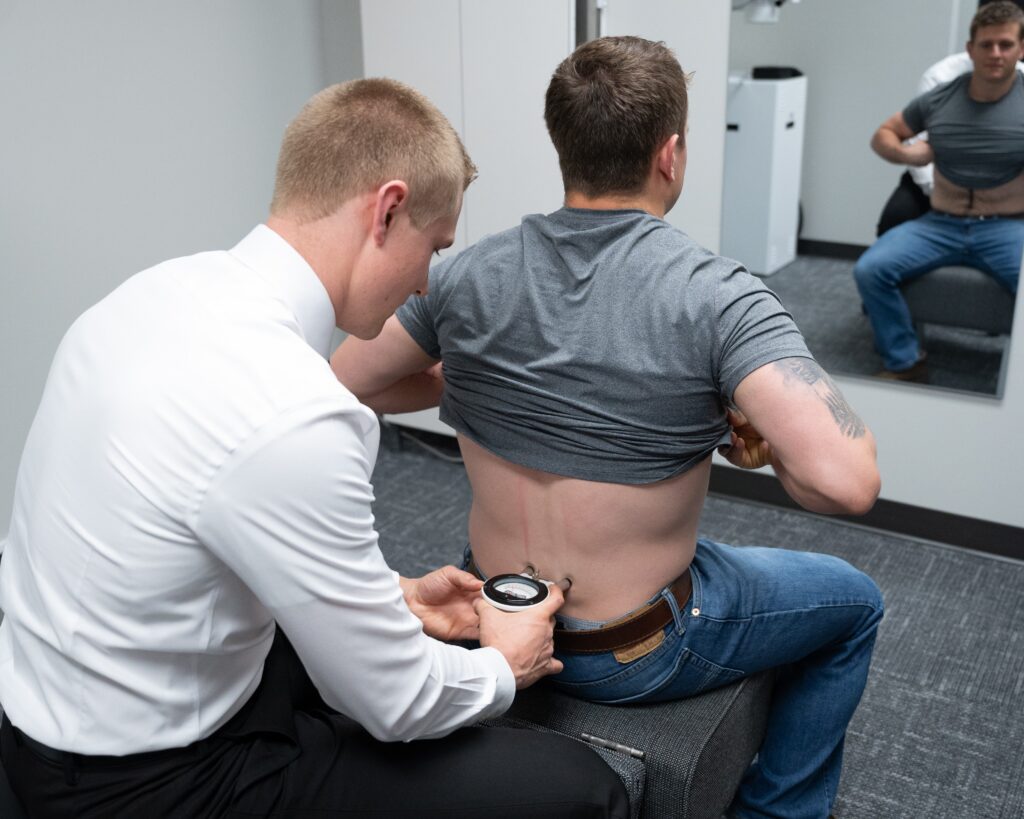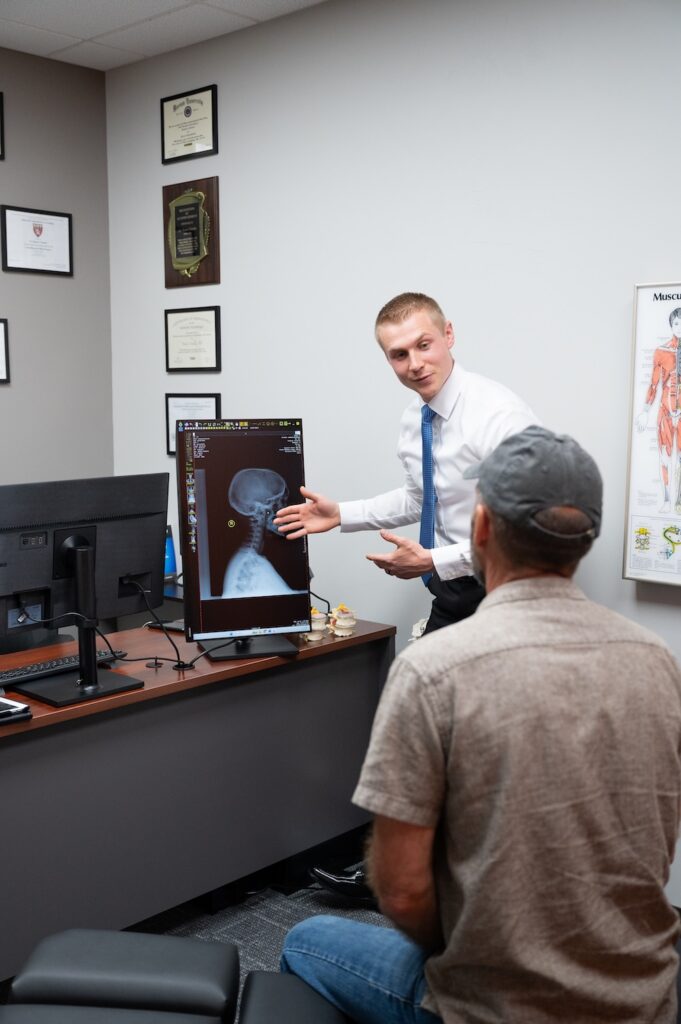

As a local chiropractor, I often see patients struggling with back pain, and I understand just how debilitating it can be. The good news is that there are reliable exercises designed to help prevent this discomfort and strengthen your back. By focusing on core strength and flexibility, you can significantly lower your risk of injury. It’s important to understand how these exercises function to enhance your overall well-being.
Let’s take a moment to explore some key movements that can truly make a difference in your daily life. These exercises can not only alleviate existing pain but also serve as a proactive approach to maintaining a healthy spine. Incorporating them into your routine can lead to lasting benefits, and I’m here to guide you through this journey toward better health and vitality.
Understanding Back Pain and Its Causes
As a local chiropractor, I want to help you understand the various factors that could be contributing to your back pain. Many people aren’t aware that poor posture during everyday activities—such as sitting for extended periods or slouching—can put significant strain on your back muscles.
Additionally, lifting heavy objects without proper technique can result in acute injuries, and repetitive movements can lead to chronic pain over time.
It’s also important to recognize that stress and anxiety can contribute to back pain by causing muscle tension. If you find yourself leading a sedentary lifestyle, the muscles that support your spine may weaken, leading to discomfort and pain.
Moreover, underlying medical conditions like herniated discs or arthritis can be significant contributors to back issues. Understanding these factors is crucial for effective pain relief and management.
The Importance of Core Strength
As a local chiropractor, I want to emphasize the crucial role that core strength plays in maintaining a healthy back and overall stability. A strong core is essential for supporting your spine and minimizing the risk of injury. When the core muscles are weak, it can lead to poor posture, which in turn places additional stress on your back and may result in discomfort or pain.
By prioritizing core strengthening exercises, you’re not only helping to improve the health of your back but also enhancing your balance and stability—both of which are vital for everyday activities. Simple exercises such as planks, bridges, and leg raises can significantly increase your core strength. These movements work multiple muscle groups, fostering better coordination and providing essential support for your spine.
Moreover, having a robust core allows you to carry out daily tasks with more ease, whether you’re lifting groceries or engaging in sports.
I encourage you to commit to incorporating core-strengthening exercises into your routine. By doing so, you’ll lay a solid foundation for a pain-free back and a healthier, more active lifestyle.
Stretching for Flexibility
As a local chiropractor, I want to emphasize that building a strong core is just one aspect of maintaining a healthy back; incorporating stretching for flexibility is equally crucial.
Flexibility plays a vital role in alleviating muscle tension and enhancing your range of motion, which can significantly reduce your risk of injuries.
Incorporating stretches into your daily routine, such as the cat-cow stretch or the seated forward bend, can be incredibly beneficial. These stretches help relieve tightness in your back and improve your posture, which is essential for overall spinal health.
I recommend starting with gentle stretches that specifically target your back, hips, and legs. Aim to hold each stretch for about 20-30 seconds, and remember to breathe deeply to help relax your muscles.
It’s important to take your time; listen to your body and only stretch to the point of comfort. For optimal results, try to stretch at least three times a week, or even daily if your schedule allows.
Consistency is key in maintaining flexibility, and a flexible back is inherently less prone to pain and discomfort.
By prioritizing stretching in your routine, you’re taking significant steps toward a healthier, pain-free back.
Strengthening Exercises for the Lower Back
As your local chiropractor, I want to emphasize the importance of strengthening your lower back for both pain prevention and overall spinal health. Many of you may not be familiar with how simple exercises can make a significant difference in your well-being.
Let’s explore some effective movements that can easily be integrated into your daily routine.
First, consider trying pelvic tilts. To perform this exercise, lie on your back with your knees bent and your feet flat on the floor. Gently arch your lower back, then press it flat against the floor. This motion helps to engage your core and stabilize your spine. Aim to repeat this for ten repetitions.
Next, I recommend the bridge exercise, which is fantastic for strengthening your glutes and lower back. Lie on your back, lift your hips towards the ceiling, and hold this position for a few seconds before lowering back down. Completing three sets of ten reps can really help enhance your strength.
Another beneficial exercise is the bird-dog, which focuses on improving your stability. Begin on all fours, then extend one arm forward while extending the opposite leg back. Hold this position briefly before switching sides. Perform ten repetitions on each side to really engage your core and back muscles.
By consistently practicing these exercises, you can build strength in your lower back, which not only reduces the risk of injuries but also supports better posture in your everyday activities.
Upper Back and Shoulder Mobility
As a local chiropractor dedicated to your health, I want to emphasize the importance of maintaining mobility in your upper back and shoulders.
Incorporating targeted mobility exercises into your routine can significantly enhance your flexibility and overall well-being. By focusing on effective stretching techniques, we can help alleviate discomfort and improve your posture.
Strengthening the muscles in your upper back is key to supporting proper alignment and function. Let’s dive into how these practices can’t only relieve tension but also promote better movement in your daily life.
Importance of Mobility Exercises
As a local chiropractor, I want to emphasize the importance of upper back and shoulder mobility for your overall well-being. Many individuals concentrate on strengthening their core and lower body, but overlooking the mobility of your upper back and shoulders can lead to discomfort and pain.
It’s crucial to maintain flexibility in these areas to support proper body function and posture. When your upper back and shoulders become stiff, everyday activities—such as reaching for objects or sitting comfortably at your desk—can become difficult. This stiffness can create imbalances in your body, often contributing to chronic pain over time.
That’s why I encourage you to incorporate mobility exercises into your routine. These exercises not only improve flexibility and enhance blood flow but also help prevent injuries. You’ll likely notice a significant improvement in your posture and a reduction in muscle tension, making daily movements much easier.
Effective Stretching Techniques
As a local chiropractor, I’m here to help you understand how incorporating effective stretching techniques into your daily routine can significantly improve the mobility of your upper back and shoulders.
One of the simplest stretches you can try is the doorway stretch. To do this, stand in a doorway, place your arms on the frame, and gently lean forward. This will help to open up your chest and relieve tension.
Another beneficial stretch is the seated forward bend. Sit with your legs extended in front of you and reach toward your toes. This stretch not only targets your hamstrings but also promotes flexibility along your spine.
I also recommend the cat-cow stretch, which is great for spinal mobility. Get on all fours and alternate between arching your back (like a cat) and dropping your belly towards the floor (like a cow). This movement helps to release tension and improve flexibility in your back.
Lastly, don’t overlook the simple yet effective shoulder rolls. By rolling your shoulders forward and backward, you can easily release built-up tension in that area.
By consistently practicing these stretches, you won’t only enhance your flexibility but also reduce discomfort in your upper back.
Strengthening Upper Back Muscles
As a local chiropractor, I want to emphasize the importance of strengthening your upper back muscles for better posture and overall comfort. Many of my patients are surprised to learn that focusing on these muscles can significantly enhance stability and reduce strain on the shoulders and neck.
To help you embark on this journey toward better upper back health, I recommend incorporating these three effective exercises into your routine:
- Bent-Over Rows: Using dumbbells or a resistance band, hinge at your hips and pull the weights towards your torso. This movement actively engages your upper back muscles and helps improve your posture.
- Face Pulls: Attach a resistance band at eye level and pull it towards your face while keeping your elbows elevated. This exercise targets the rear deltoids and upper back, promoting strength and balance.
- Wall Angels: Stand with your back against a wall and position your arms in a “W” shape. As you slide your arms upward while maintaining contact with the wall, you’ll not only strengthen your muscles but also enhance mobility.
By incorporating these exercises regularly, you can experience improved upper back health, which is vital for maintaining a pain-free and active lifestyle.
Posture Correction Techniques
As a local chiropractor, I want to share some effective posture correction techniques that can significantly alleviate back pain and improve your spinal health.
It all starts with being mindful of your body alignment throughout the day. When you’re sitting, ensure your feet are flat on the floor, your back is straight, and your shoulders are relaxed. I recommend using ergonomic chairs that provide adequate support for your lower back, or you can place a cushion behind your lower back for added lumbar support.
When you stand, it’s essential to distribute your weight evenly on both feet and avoid locking your knees. Engaging your core muscles will provide additional stability. I encourage you to regularly check in on your posture—setting reminders can be a helpful way to stay aware.
Incorporating specific exercises like wall angels and chin tucks can strengthen the muscles that support good posture. These movements are designed to counteract the effects of slouching and help promote better alignment.
Additionally, practicing yoga or Pilates can enhance your flexibility and body awareness, which reinforces the benefits of maintaining good posture in your everyday life.
Incorporating Movement Into Daily Life
As a local chiropractor, I understand that fitting movement into your busy life may seem daunting, but it’s crucial for maintaining good back health. You don’t need to carve out extensive time or have a gym membership to make significant improvements.
Here are three simple strategies to help you incorporate more movement throughout your day:
- Choose Stairs Over Elevators: Whenever you come across the option, take the stairs instead of the elevator. This not only engages your legs and core muscles but also promotes spinal health by encouraging proper posture and movement.
- Frequent Standing Breaks: For those of you who spend long hours at a desk, I recommend setting a timer to remind you to stand up and stretch every hour. This practice reduces stiffness, enhances circulation, and keeps your spine well-aligned.
- Take Short Walks During Breaks: Use your breaks to go for brief walks. Even a brisk five-minute stroll can elevate your energy levels and support a healthy back. Movement is essential in preventing discomfort and promoting overall wellness.
By integrating these simple habits into your daily routine, you’ll be taking proactive steps towards a healthier back and improved overall well-being.
Creating a Sustainable Exercise Routine
As a local chiropractor, I want to emphasize the importance of establishing a sustainable exercise routine for maintaining long-term back health and preventing recurring pain.
It’s crucial to set realistic goals that align with your individual lifestyle and needs. Remember, consistency is key—it’s better to engage in short, daily sessions than to push yourself too hard occasionally.
Choose activities that you genuinely enjoy, whether that’s walking, swimming, or practicing yoga. Not only will this keep you motivated, but it will also make it easier for you to stick to your routine over time.
I encourage you to schedule your workouts just as you’d any important appointment. Setting reminders or finding a workout buddy can help keep you accountable and committed to your health journey.
To ensure a well-rounded approach, incorporate a mix of strength training, flexibility exercises, and aerobic activities into your routine.
Always listen to your body; if something feels off or causes discomfort, it’s important to adjust your routine accordingly.
Finally, celebrate your progress! Recognizing small milestones can significantly boost your motivation and reinforce your commitment to staying active.
Conclusion
As a local chiropractor, I want to emphasize how incorporating reliable exercises into your daily routine can be a game changer in preventing back pain. By focusing on developing core strength, enhancing flexibility, and maintaining proper posture, you can provide essential support to your spine and improve your overall well-being.
It’s important to weave these exercises into your everyday life to experience lasting benefits. Consistency and dedication to these practices not only help reduce your risk of discomfort but also pave the way for a healthier, more active lifestyle. Starting today, take the initiative to care for your back—it deserves it! Remember, chiropractic care complements these exercises by ensuring your spine is aligned and functioning optimally, which can further enhance your journey to pain-free living.