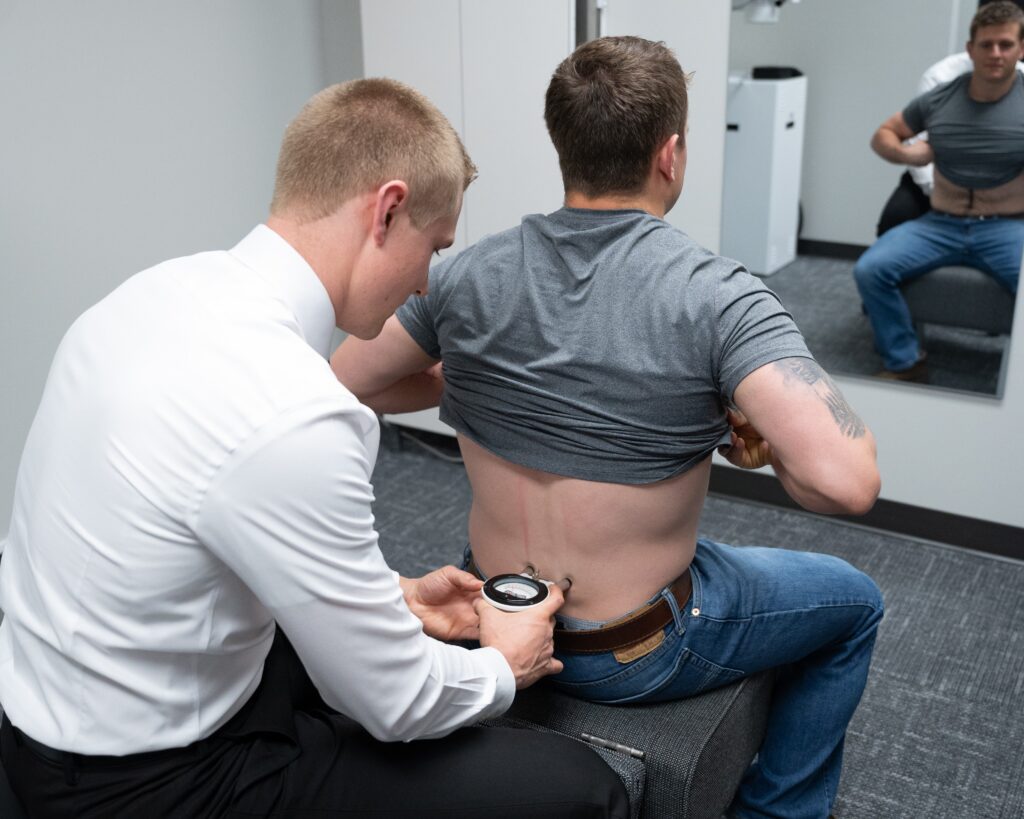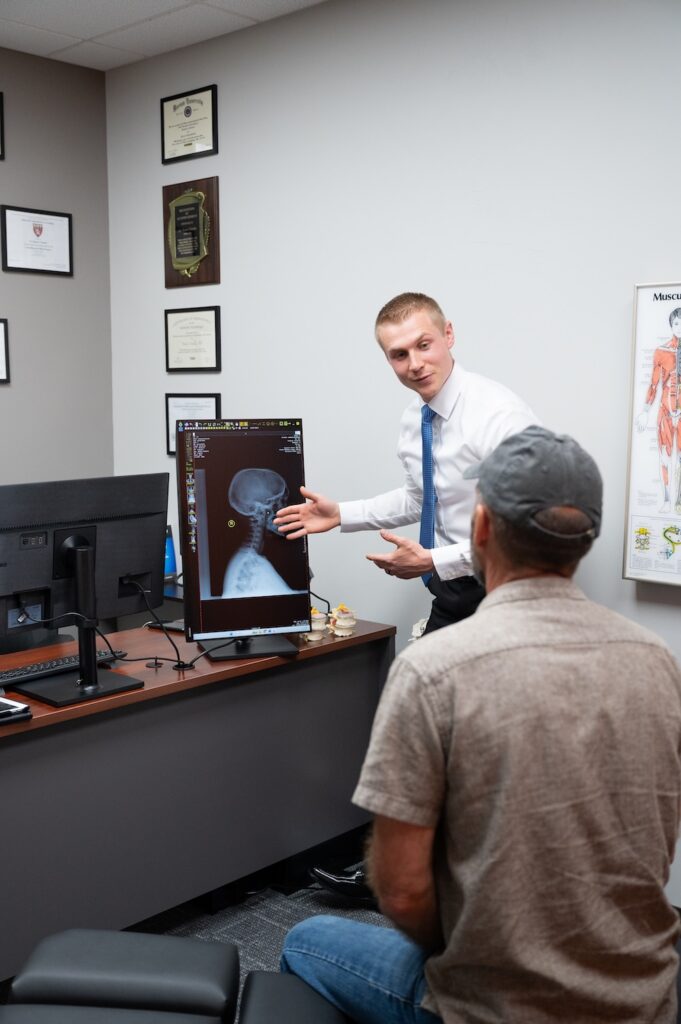

As a local chiropractor, I often see patients who are struggling with back pain due to poor posture. It’s important to understand that correcting your posture can truly transform your experience with discomfort. When your body is misaligned, it can lead to unnecessary strain and pain. Fortunately, there are several effective strategies you can adopt to improve your alignment and alleviate your pain.
First, I recommend evaluating your current posture throughout your daily activities. Many people are unaware of how they sit, stand, and move, which can significantly impact their spinal health. Additionally, investing in ergonomic furniture can make a world of difference. Chairs and desks designed to support proper alignment can help reduce strain on your back.
Furthermore, incorporating core-strengthening exercises into your routine can provide long-term relief. A strong core supports your spine and helps maintain good posture. Together, these practical steps can set you on the path to feeling better and moving with ease.
If you’re interested in learning more about how chiropractic care can support your journey toward better posture and overall health, I’m here to help guide you through the process. Remember, small adjustments can lead to significant improvements in your well-being.
Assess Your Current Posture
To help you achieve better posture, it’s important to start by assessing how you’re currently standing or sitting. I recommend finding a mirror or recording yourself to get a clear view of your alignment.
Look closely at your shoulder position: Are they level? Is your head in line with your spine? Take note if you see any slouching or leaning, as these can be indicators of poor posture.
Next, let’s examine your sitting posture. Sit in a chair and ensure your feet are flat on the ground with your knees forming a right angle. Your back should be straight, and your shoulders should be relaxed.
If you notice yourself hunching over, it’s a sign you may need to make some adjustments. Pay attention to how you feel during these evaluations. Any discomfort you experience could be linked to bad posture habits that we can work on together.
Lastly, consider how you use your phone or computer. Many people unknowingly adopt poor tech habits that contribute to bad posture. By identifying these issues, you’re taking the first steps toward better alignment and reduced back pain.
Strengthen Your Core Muscles
As a local chiropractor, I want to emphasize the importance of strengthening your core muscles to effectively address back pain.
A robust core not only enhances your stability but also plays a crucial role in supporting your spine during everyday activities.
By incorporating core exercises into your daily routine, you can significantly improve your posture and overall comfort.
This simple yet effective approach can be a valuable part of your journey towards natural healing and wellness.
Core Exercises Essentials
As a local chiropractor, I want to emphasize the importance of strengthening your core muscles for not only better posture but also for alleviating back pain.
A strong core plays a crucial role in supporting your spine, which is essential for maintaining proper alignment during your everyday activities.
Here are some core exercises I recommend incorporating into your routine:
- Planks: This exercise engages your entire core, ensuring that your body remains in a straight line from head to heels. It’s a fantastic way to build strength and stability.
- Bridges: By focusing on your glutes and lower back, bridges help promote stability and encourage proper posture, which is vital for your overall spinal health.
- Dead Bugs: This exercise challenges your coordination and balance while targeting the deep core muscles. It’s an effective way to enhance the stability of your spine.
Incorporating these exercises into your daily routine can significantly benefit your overall health and well-being.
Importance of Stability
As a local chiropractor, I want to emphasize the critical role that stability plays in maintaining a healthy spine and overall well-being. Think of your core muscles as the support system for your spine. When these muscles are strong, they help to keep your spine aligned and your posture correct throughout your daily activities.
On the other hand, if your core muscles are weak, it can lead to instability, putting undue strain on your back and heightening your risk of injury.
By concentrating on building core strength, you’re not just enhancing your balance and coordination; you’re also laying down a solid foundation that makes everyday tasks easier and more comfortable. Many of my patients have experienced significant improvements in their posture and reductions in back pain simply by engaging and strengthening their core.
It’s important to understand that stability extends beyond mere strength. It involves the control of your movements and the effective support of your body.
When you prioritize core stability, you’re investing in your health. This can lead to lasting relief from discomfort and an overall improved quality of life. As your chiropractor, I encourage you to embrace these principles as part of your journey towards natural healing and wellness.
Daily Strengthening Routines
As a chiropractor, I often emphasize the importance of incorporating daily strengthening routines into your life to improve core muscle strength.
A strong core is vital for maintaining proper posture and alleviating back pain. Your core muscles provide crucial support for your spine, allowing you to stand tall and move fluidly throughout your day.
Here are a few simple exercises that I recommend to my patients for strengthening their core:
- Planks: Try holding a plank position for 30 seconds. This exercise is excellent for building core stability and can be easily modified to suit your fitness level.
- Bridges: Start by lying on your back with your knees bent. Lift your hips up towards the ceiling while squeezing your glutes. This exercise not only strengthens your core but also engages your lower back and glutes.
- Bird-Dogs: Position yourself on all fours, then extend one arm forward and the opposite leg back. This movement helps improve balance and coordination while targeting your core.
By incorporating these exercises into your daily routine, you can significantly enhance your core strength, which plays a crucial role in overall spinal health and well-being.
Use Ergonomic Furniture
As a local chiropractor dedicated to your well-being, I want to emphasize the importance of using ergonomic furniture for your overall posture and comfort.
Investing in adjustable chairs that provide proper support for your lower back is crucial; they help you maintain a neutral position that can prevent strain and discomfort.
Additionally, it’s essential to ensure your desk height is optimized so your wrists and arms are aligned correctly while you work. This simple adjustment can make a significant difference in how your body feels, promoting better spinal health and reducing the risk of injury.
Choose Adjustable Chairs
As a local chiropractor, I want to emphasize the importance of investing in an adjustable chair, not just for your workspace, but for your overall health and well-being. Many of my patients experience back pain due to prolonged sitting in chairs that don’t support their bodies correctly. An adjustable chair can be a game changer in alleviating this discomfort.
These chairs offer customizable features such as height adjustment, lumbar support, and flexible armrests. By tailoring the chair to fit your body, you can maintain proper posture throughout the day, which is crucial for spinal health.
- Lumbar support: This feature is vital as it provides essential support for your lower back, helping to maintain the natural curve of your spine.
- Height adjustment: Ensuring your feet rest flat on the floor not only promotes better circulation but also helps in reducing strain on your lower back.
- Flexible armrests: These allow your arms to rest comfortably, which can significantly reduce tension in your shoulders and neck.
Choosing an adjustable chair that fits your individual needs can profoundly impact your comfort and overall well-being.
Optimize Desk Height
As your local chiropractor, I want to emphasize the importance of desk height in relation to your overall health and well-being. While adjustable chairs play a role in comfort, having an appropriately set desk height is crucial for maintaining good posture and alleviating back pain.
When you sit down to work, your desk should be positioned so that your elbows can rest comfortably at a 90-degree angle while you type. Ideally, your feet should be flat on the ground, and your knees should be at hip level or slightly lower.
If your desk is too high, using a footrest can provide the necessary support for your feet. Conversely, if your desk is too low, raising it or opting for a thicker chair cushion may be needed.
Creating an ergonomic workspace isn’t just about comfort; it promotes better posture, which can help you stay focused and pain-free throughout your day.
Incorporate Stretching Exercises
As a local chiropractor, I want to share the importance of incorporating stretching exercises into your daily routine, especially if you’re experiencing back pain or are concerned about your posture.
Stretching is a natural and effective way to relieve tension in your muscles, enhance flexibility, and improve blood circulation throughout your body.
Here are a few simple stretches that I recommend for you to easily integrate into your day:
- Cat-Cow Stretch: This gentle flow between two positions is excellent for warming up your spine and alleviating tension in your back. It can help you become more aware of your spinal alignment while promoting mobility.
- Child’s Pose: A restorative pose that stretches the back, hips, and thighs. This stretch is particularly helpful for easing lower back discomfort, allowing your body to decompress and relax.
- Seated Forward Bend: This stretch targets your hamstrings and lower back, providing a great way to lengthen and release tight muscles. It encourages a gentle stretch through your spine, which can be beneficial if you sit for extended periods.
I encourage you to dedicate just a few minutes each day to these stretches.
Remember, consistency is crucial; as you maintain this practice, you’ll likely notice improvements in your posture and a reduction in back pain.
Always listen to your body; it’s essential to adjust the stretches to your comfort level and avoid any pain.
By incorporating these stretches into your routine, you’re taking a proactive step toward natural healing and better spinal health.
If you have any questions or need guidance, feel free to reach out during your next visit!
Be Mindful of Your Screen Height
As a local chiropractor, I want to emphasize a crucial aspect of your workspace that many people tend to overlook: screen height. This is vital not just for comfort, but also for maintaining good posture and preventing back pain. When your screen is positioned too low, you may find yourself slouching or leaning forward, which can strain your neck and back.
To promote a healthier posture, your monitor should ideally be at eye level. This allows you to look straight ahead without having to tilt your head, reducing unnecessary tension.
To achieve the right screen height, consider adjusting your chair or using a monitor riser. The top of your screen should be at or slightly below eye level, and it should be positioned about an arm’s length away from you. When seated comfortably, your elbows should form a 90-degree angle, keeping your wrists straight as you type.
If you work on a laptop, it’s especially important to check your setup. Using a separate keyboard and mouse can help you maintain the correct posture and alleviate strain on your body.
Take Regular Breaks
As a local chiropractor, I want to emphasize the importance of taking regular breaks during your workday, especially if you’re sitting for long periods. It might be tempting to power through your tasks without interruption, but this can have negative effects on your spine and overall posture.
Prolonged sitting can lead to stiffness, strain, and discomfort in your back muscles. By stepping away from your desk periodically, you allow your body to reset and rejuvenate, which is crucial for maintaining your spinal health.
Here are some effective strategies for taking breaks:
- Stand up and stretch: Engaging in simple stretches can alleviate tension in your back and enhance blood flow, which is vital for muscle health.
- Walk around: A short walk not only loosens tight muscles but also promotes better posture when you return to your seat, reducing the risk of discomfort.
- Change your position: Whether it’s adjusting how you sit or incorporating a standing desk into your routine, altering your posture can significantly help in preventing pain and stiffness.
By integrating regular breaks into your daily routine, you can greatly improve your back health, allowing you to work more comfortably and productively.
I encourage you to start scheduling those breaks today for a healthier spine and overall well-being!
Practice Mindfulness and Relaxation Techniques
As a local chiropractor, I want to share with you the importance of practicing mindfulness and relaxation techniques in managing back pain and improving your posture. Many patients may not realize how interconnected our mental state and physical well-being are. When you practice mindfulness, you become more attuned to your body’s position and the levels of tension it holds.
I recommend setting aside just a few minutes each day to focus on your breath. Inhale deeply through your nose, hold it for a moment, and then exhale slowly. This simple exercise can significantly help in alleviating tension in your back and shoulders.
In addition, incorporating gentle stretches or yoga into your daily routine can greatly enhance your flexibility and relaxation. These activities not only help to ease pain but also promote better posture, which is essential for overall spinal health.
Visualization techniques can be particularly effective as well; try to imagine your spine elongating and your muscles unwinding.
Lastly, I encourage you to explore guided meditation apps that can assist you in developing a regular mindfulness practice. By consistently engaging in these techniques, you may notice a decrease in stress and back pain, which will enable you to maintain better posture throughout your day.
Conclusion
As a local chiropractor, I want to share some valuable posture correction tips that can significantly alleviate back pain and enhance your overall well-being. Many of you might not be familiar with the benefits of chiropractic care, but addressing posture is a crucial aspect of maintaining a healthy spine.
First and foremost, regularly evaluating your posture is essential. Many people are unaware of how their daily habits contribute to back pain. I encourage you to take a moment throughout your day to check in with your body position. Are you slouching? Is your head jutting forward? Being mindful of your posture can lead to immediate improvements.
Strengthening your core is another vital step. A strong core supports your spine and helps maintain proper alignment. Incorporating exercises that target your abdominal and back muscles can make a significant difference in how you feel.
Consider investing in ergonomic furniture. Whether it’s your desk chair or your workstation setup, having the right support can alleviate strain on your back. A well-designed chair can promote better posture and reduce discomfort.
Don’t forget the importance of stretching and taking regular breaks. If you’re sitting for long periods, stand up, stretch, and move around. This simple practice can help prevent stiffness and maintain mobility.
Lastly, practicing mindfulness and relaxation techniques can enhance your overall posture correction efforts. Stress and tension often manifest physically, leading to poor alignment and pain. Incorporating mindfulness into your routine can create a positive impact on your body.
I encourage you to start implementing these changes today. By prioritizing your posture and considering chiropractic care, you’ll likely notice a significant improvement in your back pain and general health. Your body will thank you for it!