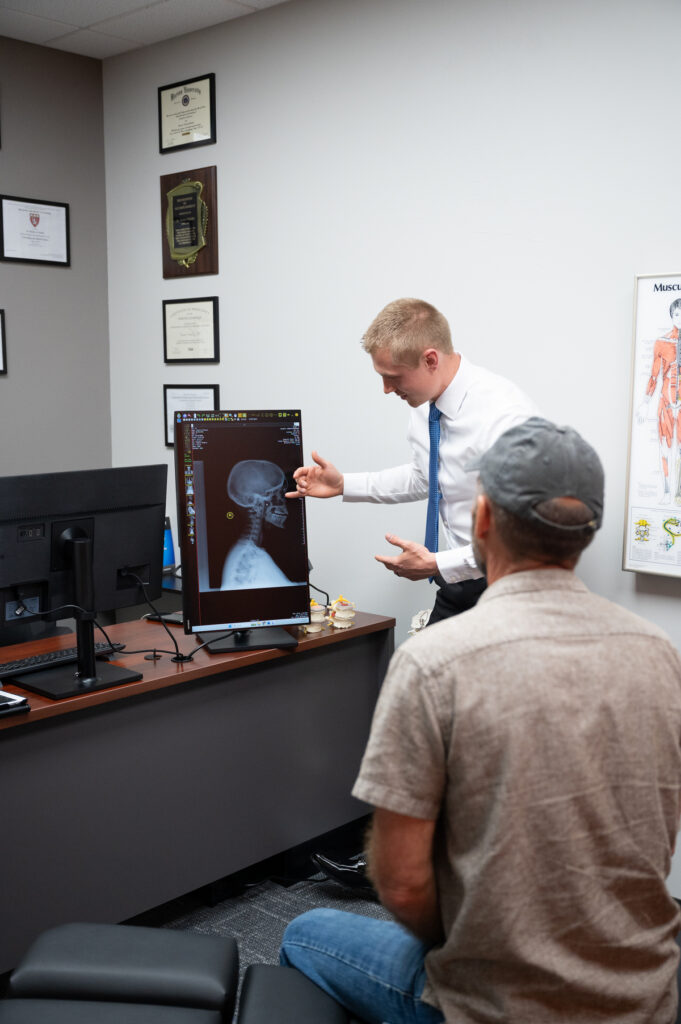
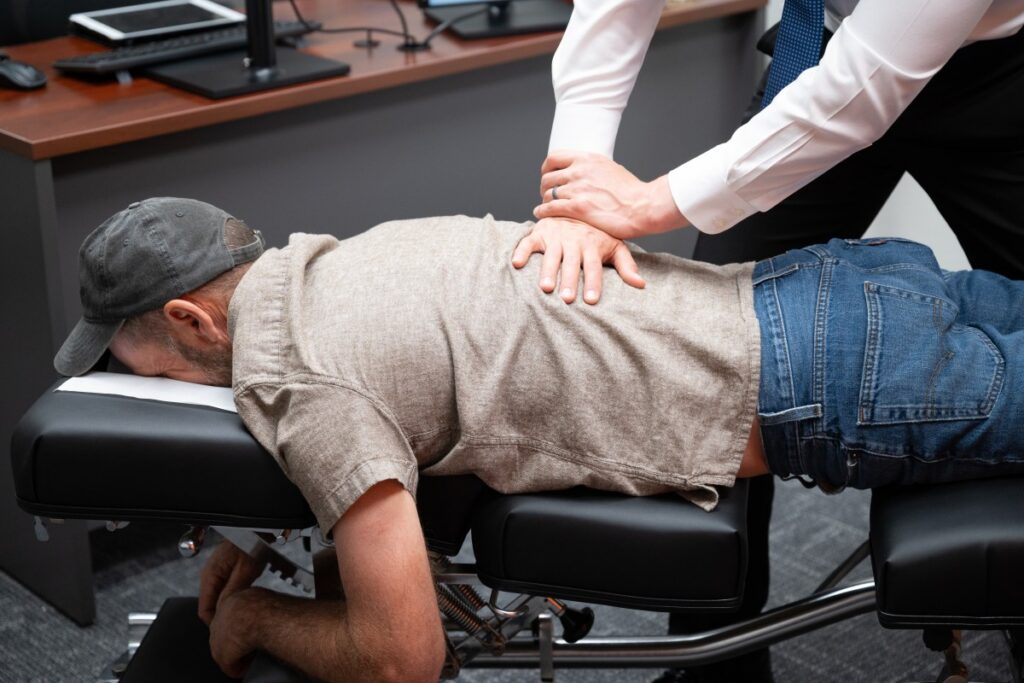
As a local Chiropractor, I want to emphasize the significant impact your posture has on managing back pain. Proper alignment is crucial, as it affects not only your daily activities but also your overall recovery process. By focusing on core strength and being mindful of your sitting and sleeping habits, you can make a real difference in your back health. This isn’t just about finding comfort; it’s about reshaping your approach to wellness. If you’re curious about how improving your posture can enhance your experience with back pain, let’s explore the specific ways it can help you feel better and live healthier.
Proper Alignment Reduces Strain on the Spine
As a local chiropractor, I want to emphasize the importance of maintaining proper alignment for your spinal health. When you focus on good posture, you significantly reduce strain on your spine. Proper alignment allows your body to function harmoniously, distributing weight evenly across your spine. This balance is crucial in preventing excessive pressure on specific vertebrae and the surrounding muscles, which can often lead to discomfort or pain.
To achieve proper alignment, start by ensuring that your head is directly over your shoulders, and your shoulders are aligned over your hips. When you’re sitting, keep your feet flat on the floor and ensure that your back is well-supported by your chair.
If you’re standing, think of a string gently pulling you upward from the crown of your head, helping you maintain a tall and aligned posture.
I encourage you to regularly check in on your posture throughout the day. If you find yourself slouching or misaligned, make adjustments as needed. It might be beneficial to modify your workstation to create a more ergonomic setup and consider using tools designed to support your alignment.
The Role of Core Strength in Posture
As a local chiropractor, I want to emphasize the importance of good posture for your spinal health, and how core strength is a key player in achieving and maintaining it. Your core muscles—comprising the abdominals, obliques, and lower back—are essential for supporting your spine and pelvis.
When these muscles are strong, they help keep your body aligned, significantly reducing strain on your back. Conversely, if your core is weak, maintaining proper posture becomes challenging, which can lead to discomfort and pain.
To enhance your posture, I recommend incorporating exercises that specifically target your core. Activities such as planks, bridges, and Pilates are fantastic for strengthening these muscles, providing the stability your spine craves.
As you build your core strength, you’ll likely find it much easier to sit and stand with good posture. This not only helps alleviate back pain but also improves your overall physical performance.
I encourage you to prioritize core workouts as part of your routine. By doing so, you’ll likely notice a positive transformation in both your posture and back health.
Impact of Sitting Habits on Back Health
As a local chiropractor, I want to emphasize the significant impact your sitting habits can have on your back health. Many people are unaware that prolonged sitting can lead to discomfort and pain, especially when poor posture is involved.
When you slouch or lean forward in your chair, it places undue strain on your spine and the surrounding muscles. This can lead to compressed discs, which may cause inflammation and persistent pain over time.
To support your back health, I recommend making some adjustments to your workspace. Ensure your chair offers adequate support for your lower back and that your feet are flat on the floor.
It’s crucial to take regular breaks to stand up and stretch, as this can help relieve the pressure building up in your back. You might also consider using a standing desk or varying your position throughout the day.
Additionally, incorporating core-strengthening exercises into your daily routine can improve your posture, making sitting more comfortable and healthier for your spine.
Being mindful of how you sit isn’t just about immediate comfort; it plays a vital role in your long-term back health. Simple changes in your daily habits can lead to significant improvements in how you feel.
How Sleep Posture Affects Recovery
As a local chiropractor, I want to emphasize the importance of your posture not only during your daily activities but also while you sleep. The way you position your body at night can significantly impact your recovery from back pain.
For those who sleep on their backs, I recommend placing a pillow under your knees. This simple adjustment can help you maintain the natural curve of your spine, which is crucial for a restful night.
If you prefer sleeping on your side, consider tucking a pillow between your knees. This helps keep your hips aligned, reducing strain on your lower back.
On the other hand, I strongly advise against sleeping on your stomach. This position can put unnecessary strain on your neck and spine, leading to discomfort and potentially exacerbating any existing issues.
Using a supportive mattress and pillow is also key to achieving proper spinal alignment. The right combination of firmness and softness can make a world of difference in how your body feels when you wake up.
By making small yet impactful adjustments to your sleep posture, you can significantly enhance your comfort and expedite your recovery process.
The Connection Between Posture and Muscle Tension
As your local chiropractor, I want to emphasize how crucial good posture is in managing muscle tension. Many people don’t realize that improper alignment can significantly increase strain on your muscles.
For instance, when you slouch or hunch over, certain muscle groups end up overworked, while others become weak. This imbalance creates a cycle of tension and discomfort that can be hard to break.
- Increased strain: When your posture is poor, it places extra pressure on your muscles, leading to tightness and pain that can affect your daily activities.
- Muscle imbalances: Misalignments in your body can force some muscles to work harder than they should, causing fatigue and increased tension in those areas. This is why addressing posture is so important.
- Stress accumulation: Believe it or not, bad posture can also elevate your overall stress levels, which in turn can worsen muscle tension.
Conclusion
As a local chiropractor, I want to emphasize how crucial proper posture is in managing and treating back pain. By focusing on your alignment, you can significantly enhance your healing process. Here are some key areas to consider:
- Maintain Proper Alignment: Your spine is designed to support your body, and maintaining its natural curves is essential for reducing stress on your back. Simple adjustments in how you stand and sit can make a world of difference.
- Strengthen Your Core: A strong core supports your spine and helps prevent back pain. Incorporating exercises that target your abdominal and back muscles can provide the stability you need.
- Ergonomic Sitting Habits: If you spend long hours at a desk, adopting ergonomic practices can help alleviate strain on your back. This means ensuring your chair, desk height, and computer screen are set up to promote good posture.
- Optimize Your Sleep Position: Quality sleep is vital for recovery. Your sleep position can either support or hinder your spine. Aim to sleep on your back or side with a supportive mattress and pillow that keeps your spine aligned.
- Reduce Muscle Tension: Stress and poor posture can lead to muscle tightness, contributing to back pain. Techniques such as stretching, yoga, or even regular chiropractic adjustments can release tension and promote relaxation.
Remember, small changes in your everyday habits can lead to significant reductions in discomfort. By embracing these strategies, you are taking proactive steps toward achieving a healthier, pain-free back. If you have any questions or would like personalized advice, feel free to reach out. Your journey to wellness starts with understanding how your body works!