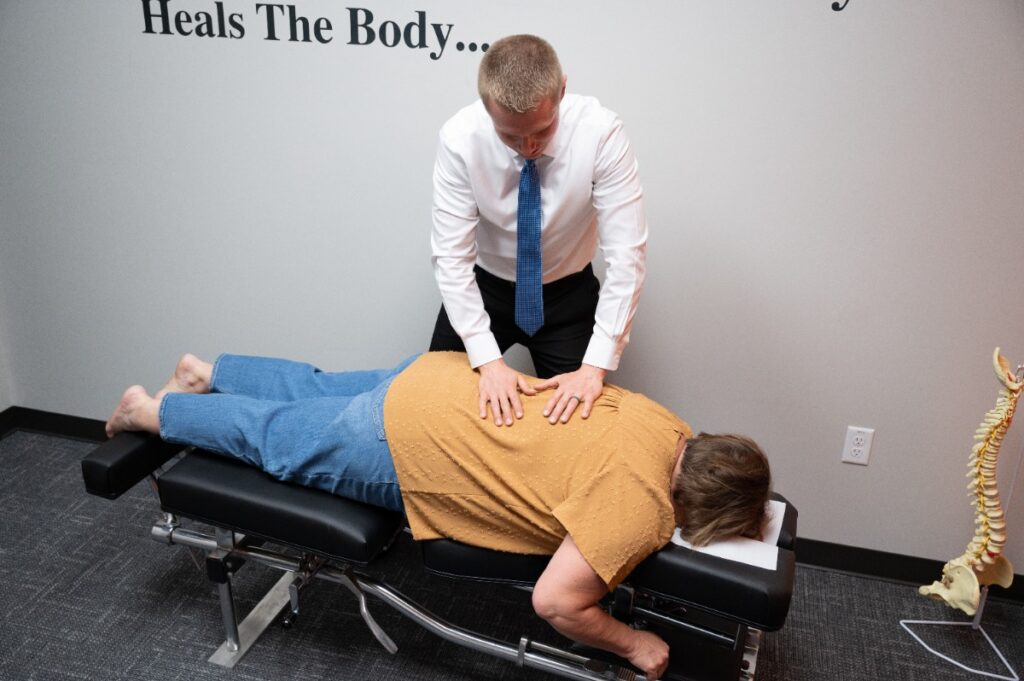

As a local chiropractor, I want to share with you the fascinating history of lower back pain recovery techniques and how they can inform your healing journey. Many people are surprised to learn about the various methods that have been used throughout history, from ancient practices like acupuncture to modern chiropractic care. Each of these techniques has developed over time, influenced by cultural beliefs and advancements in medical knowledge.
By understanding these historical practices, you can gain valuable insights into today’s comprehensive approaches to pain management and recovery. It’s interesting to see how traditional methods often have parallels with contemporary therapies, highlighting the wisdom of natural healing. As you explore these connections, you’ll discover how chiropractic care can play a significant role in your recovery process, helping to align your body and promote overall wellness. Let’s work together to find the best path for your healing!
Ancient Practices: Acupuncture and Herbal Remedies
As a local chiropractor, I want to introduce you to some effective, natural alternatives for managing lower back pain, such as acupuncture and herbal remedies.
These ancient practices have a long history of alleviating discomfort and promoting overall wellness, and I believe they can complement our chiropractic care.
Acupuncture is a technique that involves inserting thin needles into specific points on your body. This process helps to stimulate energy flow, which can promote healing and relieve muscle tension.
Many patients find that acupuncture not only reduces their pain but also enhances their overall sense of wellbeing, often allowing them to manage their symptoms without relying solely on medication.
In addition to acupuncture, herbal remedies can play a significant role in your healing journey. Natural ingredients, such as willow bark and turmeric, are known for their anti-inflammatory properties and can help alleviate pain.
You can easily incorporate these herbs into your daily routine through options like teas, tinctures, or capsules, making it a simple addition to your wellness regimen.
Both acupuncture and herbal remedies align with the holistic approach we take in chiropractic care.
Instead of merely masking symptoms, these practices focus on addressing the root causes of your pain, which is essential for long-term relief.
The Rise of Hippocratic Medicine
As you seek natural alternatives for managing lower back pain, it’s important to understand the historical context behind healing practices, particularly the rise of Hippocratic medicine in ancient Greece. This era marked a transformative shift in how people perceived health and illness.
Hippocrates, often referred to as the “Father of Medicine,” emphasized the importance of observation and diagnosis, moving away from supernatural explanations of health issues. He believed in a systematic approach to treatment that aligned with the body’s natural tendencies.
In my practice as a chiropractor, I draw inspiration from these foundations. Hippocratic physicians focused on maintaining balance within the body, taking into account factors like diet, lifestyle, and environmental influences.
They utilized gentle manipulations and specific exercises to alleviate discomfort, which is very much in line with chiropractic care today. This holistic perspective on health is essential for effective management of conditions like lower back pain, recognizing that each individual has a unique constitution that must be considered.
Medieval Approaches to Pain Management
As a local chiropractor, I want to share with you how pain management has evolved over the centuries and how we can draw from historical practices while embracing modern techniques.
In the medieval era, pain relief was primarily approached through natural remedies, much like what we promote today. While they relied on herbal potions and bloodletting, we focus on safe, effective methods like spinal adjustments and physical manipulation.
Our aim is to alleviate discomfort and enhance your overall health through holistic practices. By understanding the body’s natural ability to heal itself, we can combine traditional wisdom with contemporary chiropractic care to help you achieve a pain-free life.
Let’s explore how these methods can work for you in today’s world!
Herbal Remedies and Potions
As a chiropractor, I want to introduce you to some fascinating historical approaches to managing lower back pain that align with our focus on natural healing.
While modern medicine provides us with many effective treatments, there’s much we can learn from the past about using nature’s remedies. Here are three herbal solutions that ancient cultures relied on for pain relief:
- Willow Bark: This natural remedy has been recognized for its pain-relieving effects, as it contains salicin, a compound that works similarly to aspirin. Many people found relief from discomfort by using willow bark, which highlights the importance of nature in pain management.
- Devil’s Claw: Known for its anti-inflammatory properties, this root was a staple among herbalists looking to reduce pain. Its ability to alleviate discomfort made it a popular choice, and it can still be a great addition to a holistic approach to health.
- Ginger: Often enjoyed in tea form, ginger is celebrated for its ability to improve circulation and ease muscle aches. Incorporating ginger into your diet can support your overall wellness and complement chiropractic treatments.
By exploring these remedies, you can gain a greater appreciation for the natural methods that have been used for centuries to manage lower back pain.
At our practice, we believe in the power of combining these traditional insights with chiropractic care to help you achieve optimal health.
Bloodletting Techniques Employed
As a local chiropractor, I’d like to take a moment to discuss some historical practices in medicine, particularly bloodletting, which was once a common method for treating various ailments, including lower back pain.
In medieval times, practitioners believed that imbalances in bodily humors led to pain and that by removing blood, they could restore harmony to the body. One of the methods used was venesection, where a vein was punctured, and another involved using leeches to draw blood.
The idea was that this would alleviate pressure and reduce inflammation. While these techniques might seem strange or painful to us today, they were considered necessary sacrifices for relief back then.
As we’ve progressed in understanding health, we now know that there are more effective and less invasive ways to manage pain. Chiropractic care, for instance, focuses on the alignment of the spine and the nervous system, which can play a crucial role in your overall well-being.
Instead of bloodletting, we use gentle adjustments and natural healing methods to address the root causes of pain and discomfort.
While bloodletting reflects an earlier understanding of health, it’s essential to recognize how far we’ve come in terms of treatment options. Today, we prioritize safe, effective, and holistic approaches to pain management that emphasize the body’s natural ability to heal.
If you’re experiencing lower back pain or any other discomfort, I invite you to explore chiropractic care as a modern, effective alternative.
Physical Manipulation Practices
As a local chiropractor, I want to share with you the fascinating history and foundational practices of physical manipulation techniques that have shaped pain management through the ages.
While we may consider some medieval practices outdated today, the principles behind them are still very much relevant in our approach to natural healing.
Here are three key techniques that were commonly used back then and continue to influence our modern care:
1. Massage: Practitioners of the past recognized the power of touch. By applying rhythmic pressure to the body, they were able to relax muscles and improve circulation, helping to relieve tension.
Today, massage therapy remains an integral part of holistic care.
2. Chiropractic Adjustments: The manipulation of the spine has been a cornerstone of chiropractic care for centuries. Doctors in medieval times would work to correct misalignments, aiming to restore balance and alleviate pain.
This practice continues to be vital in helping our bodies function optimally.
3. Stretching: Gentle stretching was widely recommended to enhance flexibility and alleviate tightness.
In our practice, we emphasize the importance of maintaining mobility and preventing injury through regular stretching routines.
While these methods may not have had the scientific validation we benefit from today, they laid the groundwork for many contemporary practices that focus on natural healing and pain management.
The Birth of Chiropractic Care
As a local chiropractor, I want to take a moment to share with you the fascinating origins of chiropractic care and how it can play a vital role in your health and well-being. Chiropractic care began in the late 19th century, specifically in 1895, when Daniel David Palmer established this practice as a natural response to the increasing demand for effective solutions to musculoskeletal pain, particularly in the lower back.
At the heart of chiropractic is the belief that misaligned vertebrae can lead to various health issues, including that nagging lower back pain many of us experience. Instead of relying on surgery or medication, chiropractic focuses on spinal adjustments to restore health and alleviate discomfort. This hands-on approach is designed to improve spinal alignment, allowing your body to heal itself naturally.
As we delve deeper into this field, you’ll discover how chiropractic gained popularity among those seeking relief from chronic pain. By the early 20th century, dedicated chiropractic schools began to emerge, further legitimizing our practice and offering a holistic alternative for pain management.
This shift in perspective empowers patients to prioritize their body’s inherent ability to heal.
I invite you to explore the benefits of chiropractic care with me. Together, we can expand your understanding of back pain treatment and help you on your journey to better health through natural healing methods.
Advancements in Physical Therapy
As a local chiropractor, I want to take a moment to educate you about the significant advancements in physical therapy that complement chiropractic care, especially when it comes to managing lower back pain.
These innovations are designed to enhance your mobility, alleviate discomfort, and ultimately empower you to take charge of your well-being.
Here are three key advancements in physical therapy that you should know about:
- Personalized Treatment Plans: Modern physical therapists now create individualized treatment programs tailored to your specific needs. This personalized approach ensures that your recovery process is more effective and aligns with your unique condition.
- Manual Therapy Techniques: Techniques such as myofascial release and trigger point therapy are becoming increasingly popular. These hands-on methods help relieve tension in muscles and improve overall function, which can lead to quicker healing and a reduction in pain.
- Functional Rehabilitation: This innovative approach focuses on helping you regain the ability to perform your daily activities. By enhancing your strength and endurance through targeted exercises, functional rehabilitation offers long-term benefits that extend beyond just pain relief.
Incorporating these advancements into your treatment plan, alongside chiropractic care, can create a comprehensive approach to healing and improving your quality of life.
Together, we can work towards a pain-free and active lifestyle.
The Role of Technology in Modern Recovery
As a local chiropractor, I want to share how technology is transforming the way we approach recovery from lower back pain. In our modern world, technology is woven into our daily lives, and it’s making a significant impact on how we manage pain and promote healing.
There are now various apps available that can help guide you through personalized exercise routines specifically designed for your needs. These tools not only instruct you on the best practices but also track your progress, making it easier for you to stay motivated and accountable in your recovery journey.
Wearable devices have also become invaluable in monitoring your posture and activity levels. They provide real-time feedback, helping you to make necessary adjustments to prevent further injury and ensure that you’re moving safely and effectively.
Telehealth services are another great resource, allowing you to consult with specialists like myself from the comfort of your home. This means you can receive tailored advice without the stress of traveling, making it more convenient for you to seek the help you need.
Furthermore, advancements in virtual reality therapy present exciting possibilities for pain management and rehabilitation. These immersive experiences can offer new ways to engage with your recovery and help alleviate discomfort in a unique and effective manner.
By embracing these technological innovations, you gain access to powerful tools that can enhance your recovery process. As your chiropractor, I encourage you to take an active role in managing your lower back pain.
Together, we can explore how these resources can improve your overall quality of life and support your journey towards natural healing.
Integrative Approaches: Combining Tradition and Innovation
As a local chiropractor, I want to help you understand how blending traditional healing practices with modern rehabilitation techniques can significantly aid in your recovery from lower back pain.
Many patients are unaware of the powerful benefits that holistic treatment strategies can offer. By addressing not just your physical symptoms but also your emotional well-being, we can create a more comprehensive approach to your healing journey.
This integrative method can enhance your recovery and lead to sustained relief, allowing you to regain the quality of life you deserve.
Let’s work together to explore these options and find the best path for your healing.
Traditional Healing Practices
As your local chiropractor, I believe in the importance of a comprehensive approach to healing, especially when it comes to addressing lower back pain.
While modern medicine provides various treatment options, many patients have found significant relief through traditional healing practices. These methods aren’t only time-tested but also emphasize holistic well-being, making them a great addition to your recovery journey.
Here are three traditional healing practices that you might consider:
- Acupuncture: This ancient Chinese method involves the strategic insertion of thin needles into specific points on the body. It aims to alleviate pain and promote natural healing by restoring the flow of energy, or “Qi.” Many of my patients have reported improvements in their lower back pain after receiving acupuncture.
- Herbal Remedies: Across various cultures, natural herbs such as turmeric and ginger are celebrated for their anti-inflammatory properties. Incorporating these herbs into your diet can help ease pain and support your body’s healing processes. I often recommend discussing these options with your healthcare provider to ensure they complement your chiropractic care.
- Massage Therapy: Traditional massage techniques can work wonders for your lower back. They help to relax tense muscles, improve circulation, and alleviate stress. Incorporating regular massage into your routine can enhance the benefits of chiropractic adjustments and contribute to overall well-being.
By exploring these traditional healing practices, you can enrich your recovery experience and take a proactive role in managing your lower back pain.
Modern Rehabilitation Techniques
As a local chiropractor, I want to share how modern rehabilitation techniques can significantly enhance your recovery from lower back pain. While many of you may be familiar with traditional healing practices, it’s important to understand that we now have innovative methods that can complement those approaches.
One of the key components of modern rehabilitation is physical therapy, which focuses on strengthening your core muscles and improving flexibility. This is essential for supporting your spine and preventing future injuries.
You may also benefit from therapeutic modalities such as ultrasound and electrical stimulation, both of which are designed to reduce pain and promote healing in the affected areas.
In addition to physical treatments, I encourage you to explore mindfulness practices and cognitive behavioral therapy. These techniques can help you address the psychological aspects of pain, enabling you to better manage stress and anxiety that may accompany your condition.
We also have access to technology like wearable devices that can provide real-time feedback on your movements. This is invaluable for ensuring that you remain on track with your rehabilitation exercises.
Holistic Treatment Strategies
As your local chiropractor, I want to share some insights on how we can effectively tackle lower back pain by combining holistic treatment strategies with modern rehabilitation techniques.
This integrated approach can significantly enhance your recovery process and overall well-being. Here are three holistic strategies to consider:
1. Mindfulness and Meditation: Engaging in mindfulness practices can help you manage stress and alter your perception of pain.
By fostering relaxation and mental clarity, you create a more conducive environment for healing.
2. Yoga and Stretching: Gentle yoga can be a wonderful addition to your routine.
It not only improves flexibility but also strengthens the muscles in your back. This can lead to reduced tension and discomfort, making it easier for you to move and enjoy daily activities.
3. Nutritional Support: A balanced diet plays an essential role in your healing journey.
Consuming foods that are rich in anti-inflammatory properties can support your recovery and promote overall health.
Think of it as fueling your body with the right nutrients to aid in healing.
By embracing these holistic strategies alongside chiropractic care, you can create a comprehensive plan to alleviate your lower back pain and improve your quality of life.
If you have any questions or want to explore these options further, I’m here to help!
Conclusion
As your local chiropractor, I want to share with you the fascinating history of lower back pain recovery techniques and how they can benefit you. We’ve come a long way from ancient practices like acupuncture to the advanced technologies we have today. Each method throughout history has contributed to the effective treatment options we offer now.
In our practice, we blend traditional healing techniques with modern chiropractic care to create a holistic approach tailored to your unique needs. By embracing these combined methods, we not only pay homage to the wisdom of the past but also empower you to take control of your recovery journey. This process can lead you toward a healthier, more active life, free from the limitations of lower back pain. Let’s work together to explore the best path for your healing.