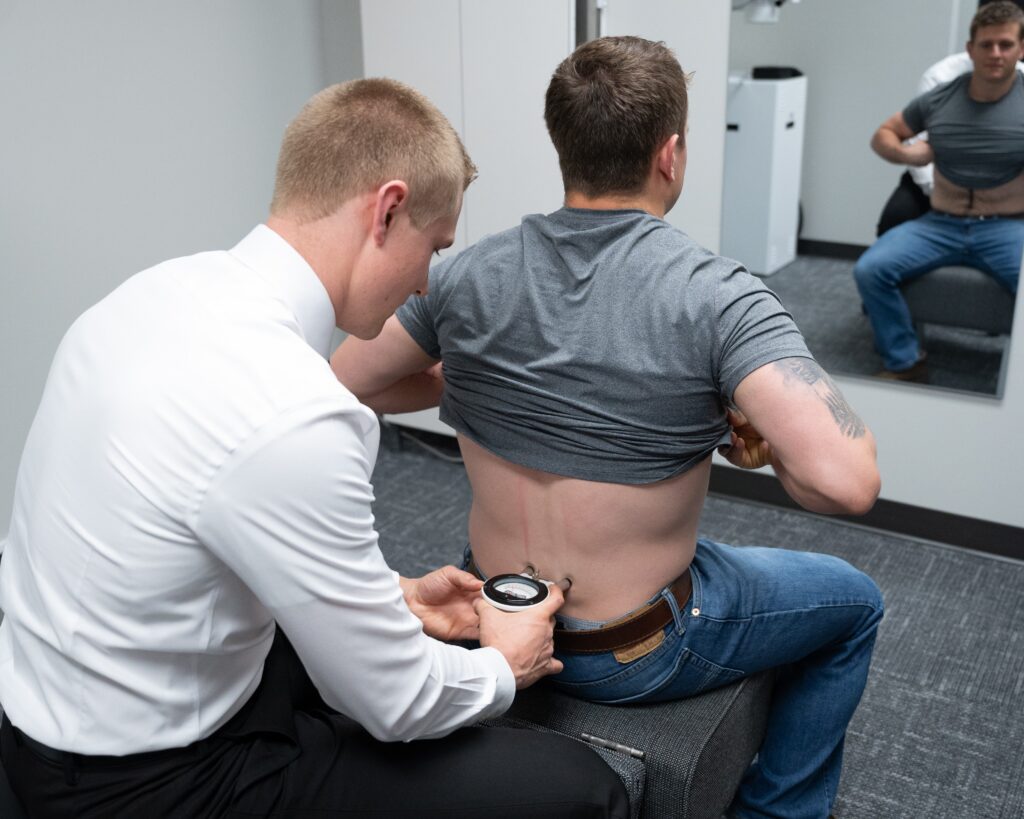

As a local chiropractor, I want to assure you that if you’re experiencing back pain, you’re certainly not alone. Many individuals suffer from discomfort that can arise from a variety of factors, including poor posture and muscle strain. It’s crucial to recognize that relief strategies can be personalized to fit your unique situation.
In my practice, I’ve seen how simple lifestyle adjustments, combined with chiropractic care, can lead to remarkable improvements in back health. Chiropractic techniques focus on aligning the spine and enhancing the body’s natural healing abilities. By addressing the root causes of your pain, rather than just masking the symptoms, we can work together to develop a comprehensive plan for relief.
Whether it’s through gentle adjustments, targeted exercises, or advice on improving your posture, there are numerous natural ways to tackle back pain. You may be pleasantly surprised at how even small changes can make a big difference in your overall well-being. Remember, your journey to a pain-free back can begin with understanding and embracing the healing potential of chiropractic care.
Understanding the Different Types of Back Pain
As a local chiropractor, I want to help you understand the nuances of back pain, especially if you’re new to chiropractic care and natural healing.
It’s important to recognize that not all back pain is created equal. We generally classify back pain into two main types: acute and chronic.
Acute pain often appears suddenly and is typically linked to an injury or strain. You may notice it after lifting a heavy object or twisting your body in an unusual way. This type of pain usually lasts less than three months and can often be managed effectively with rest, gentle movements, and over-the-counter medications.
On the other hand, chronic pain is something that lingers for three months or longer. This type of pain might stem from ongoing conditions such as arthritis, herniated discs, or other underlying health issues. Chronic pain can have a significant impact on your daily activities and overall quality of life, making it crucial to pinpoint its source.
By understanding these distinctions, you can communicate more effectively with your healthcare provider, whether that’s me, a chiropractor, or another specialist, and find the most suitable treatment options.
Recognizing the type of pain you’re experiencing is the first step towards taking proactive measures for relief and recovery.
Poor Posture and Its Impact on Back Health
As a local chiropractor, I want to share an important insight that many people overlook: poor posture can significantly contribute to back pain, whether it’s a sudden episode or a long-standing issue.
When you slouch or hunch over, you place unnecessary strain on your spine and the surrounding muscles, which can lead to discomfort, stiffness, and potentially long-term damage if not addressed.
You mightn’t notice the effects right away, but over time, poor posture can weaken your core muscles and disrupt the natural alignment of your spine. It’s crucial to be aware of your posture in various situations—whether you’re sitting at your desk, scrolling on your phone, or standing.
I encourage you to practice sitting up straight, keeping your shoulders back, and ensuring your feet are flat on the ground.
When standing, try to distribute your weight evenly on both feet. By regularly practicing good posture, you can make a significant difference in your back health and reduce pain.
Muscle Strain: Causes and Prevention
As a local chiropractor, I often see patients who experience muscle strain due to a lack of preparation before engaging in physical activities. Muscle strain happens when your muscles are overstretched or torn, and it can occur unexpectedly—especially during tasks like lifting heavy objects or making sudden movements.
For instance, if you’ve been sitting for an extended period and suddenly decide to go for a run, you increase your risk of injury.
To help prevent muscle strain, it’s crucial to warm up your body before any physical activity. Incorporating simple stretches and light exercises can effectively prepare your muscles for more demanding work.
Additionally, it’s important to use proper techniques when lifting or moving items. Remember to bend your knees and keep your back straight to avoid unnecessary strain on your muscles.
Always listen to what your body is telling you; if you experience pain or discomfort, it’s best to stop and assess the situation. Engaging in regular strength training can also fortify your muscles, reducing the likelihood of strains.
By following these preventive measures, you can minimize the risk of muscle strain and maintain a healthy back.
As your chiropractor, I’m here to guide you in understanding how your body works and to help you embrace natural healing methods for a healthier lifestyle.
The Role of Core Strength in Back Pain Relief
As a local chiropractor, I want to emphasize the crucial role that core strength plays in relieving back pain. A strong core is vital because it stabilizes your spine and supports proper posture, which are both essential for maintaining your overall health.
When your core muscles, including the abdominal and back muscles, are well-developed, they help evenly distribute your body’s weight. This reduces the strain on your lower back, which is often a source of discomfort for many people.
Incorporating specific exercises that focus on strengthening your core can significantly enhance your stability and strength. Simple activities such as planks, bridges, and pelvic tilts effectively engage and strengthen these muscle groups.
As you build up your core strength, you may notice improvements in your balance and a reduction in discomfort during daily movements.
It’s important to remember that consistency is key when it comes to core strengthening. I encourage you to integrate core workouts into your regular routine. Not only will this help alleviate existing back pain, but it also plays a vital role in preventing future issues.
Stretching and Flexibility Exercises for Pain Relief
As a local chiropractor, I want to emphasize the importance of incorporating stretching and flexibility exercises into your daily routine for effective back pain relief. These exercises can significantly enhance your overall well-being by improving your range of motion, reducing stiffness, and alleviating muscle tension.
To start, I recommend gentle stretches like the cat-cow pose or child’s pose. These foundational stretches can help ease tightness in your back. Additionally, hamstring stretches are particularly beneficial as they target the muscles that can contribute to lower back strain.
Consider adding dynamic stretches, such as torso twists or side bends, to your regimen. These movements not only promote flexibility but also help to mobilize your spine and surrounding muscles.
I suggest dedicating at least 10-15 minutes each day to these stretches. It’s important to listen to your body; if any stretch causes pain, please stop and consult with me.
Consistency is crucial in your journey toward pain relief. Over time, you may notice gradual improvements that can lead to significant benefits.
Remember, combining these stretches with proper breathing techniques can enhance their effects, helping you feel more relaxed and centered throughout your day.
If you’re new to chiropractic care or natural healing, I encourage you to embrace these practices as part of a holistic approach to managing your back pain. Together, we can work toward a healthier, more flexible you!
Heat and Cold Therapy: Which to Use and When
As your local chiropractor, I want to help you understand how heat and cold therapy can play a crucial role in your recovery from back pain.
It’s important to know when to use each type of therapy to maximize your healing process.
Cold therapy is particularly effective for acute injuries or when you experience inflammation. For example, if you’ve recently strained your back, applying an ice pack for 15-20 minutes can help numb the area and reduce swelling.
Just be sure to wrap the ice pack in a cloth to protect your skin from frostbite.
Conversely, heat therapy is beneficial for those dealing with chronic pain or muscle stiffness. If you find your back feeling tight or tense, using a warm towel or heating pad can help relax the muscles and improve blood circulation.
Just remember to keep the heat application to about 20 minutes at a time to prevent any burns.
Understanding how and when to use these therapies can significantly enhance your recovery journey.
If you have any questions or need personalized advice, feel free to reach out during your next visit!
Over-the-Counter Medications for Back Pain Management
As a local chiropractor, I want to share some valuable information about managing back pain, particularly through the use of over-the-counter medications.
While these can offer quick relief, it’s crucial to understand the common options available, as well as the appropriate dosages and safety guidelines to ensure effective and safe use.
Many people may not be aware that while medications can help alleviate pain temporarily, they aren’t a substitute for addressing the underlying issues causing your discomfort.
In my practice, I emphasize the importance of a holistic approach to back pain management, which includes natural healing methods in addition to medication.
Let’s take a closer look at the over-the-counter options you might consider, but remember, it’s always best to consult with a healthcare professional, such as a chiropractor, who can guide you on the safest and most effective ways to manage your back pain.
Your health and well-being are our top priority, and understanding how to use these medications safely is an important part of your journey toward recovery.
Common OTC Options
As a local chiropractor, I often see patients who are dealing with back pain and may not be aware of the benefits of chiropractic care and natural healing methods.
If you find yourself struggling with back discomfort, I want to emphasize that there are effective over-the-counter (OTC) medications available that can provide quick relief without the need for a prescription.
Nonsteroidal anti-inflammatory drugs (NSAIDs) like ibuprofen and naproxen are commonly used options that help reduce inflammation and alleviate pain.
Acetaminophen is another alternative you might consider, as it can effectively relieve pain, although it doesn’t have the anti-inflammatory properties that NSAIDs offer.
In addition to oral medications, topical treatments can also be beneficial.
Creams and patches containing ingredients like menthol or capsaicin can deliver localized relief directly to the affected area.
It’s worth exploring combination products that include both analgesics and muscle relaxants for enhanced relief.
While these OTC options can be a helpful first step in managing your back pain, I encourage you to consider the long-term benefits of chiropractic care.
Chiropractic adjustments and natural healing practices can address the underlying causes of your discomfort and promote overall spinal health.
Always take the time to read labels carefully to understand the ingredients and effects of any medications you consider.
Dosage and Safety Guidelines
As a local chiropractor, I want to help you understand the importance of proper dosage and safety when it comes to over-the-counter (OTC) medications for managing back pain. It’s crucial to follow the guidelines on the medication label or the recommendations from your healthcare provider.
For instance, with ibuprofen, the usual adult dosage is between 200-400 mg every 4-6 hours, but be mindful not to exceed 1,200 mg in a 24-hour period unless your doctor advises differently. Similarly, acetaminophen can be taken in doses of 500-1,000 mg every 4-6 hours, with a maximum of 3,000 mg per day.
I also want to emphasize the importance of avoiding multiple medications that contain the same active ingredient, as this can lead to complications. If you have specific health conditions or are pregnant, please consult with your doctor before taking any medications.
It’s essential to be aware of potential side effects such as stomach upset or allergic reactions—if you experience these, discontinue use immediately.
Remember, while OTC medications can provide temporary relief, chiropractic care offers a holistic approach to addressing the underlying causes of back pain. We focus on natural healing methods that can help improve your overall well-being.
If you have any questions about managing your pain or how chiropractic care can assist you, feel free to reach out!
When to Seek Professional Help for Back Pain
As a local chiropractor, I want to help you understand when back pain may require professional attention. If your discomfort persists for more than a few weeks or worsens despite your attempts at self-care, it’s a good idea to reach out for help.
Be mindful of any additional symptoms, such as numbness, tingling, or weakness in your legs, as these may indicate nerve issues that we can address through natural healing methods.
If you experience sudden and intense pain following an injury or fall, please don’t hesitate to consult with me or another healthcare provider. It’s important to address these issues promptly.
Additionally, if your pain is accompanied by unexplained weight loss, fever, or changes in bowel or bladder control, these could signal more serious underlying conditions that require immediate attention.
Listening to your body is key. If you feel that something isn’t right or if your pain is making daily activities challenging, reaching out for professional guidance is a wise step.
Early intervention through chiropractic care can’t only help alleviate your pain but also prevent further complications and lead to more effective treatment options. I’m here to support you on your journey to better health through natural healing.
Lifestyle Changes for Long-Term Back Health
As a local chiropractor, I want to share with you some valuable insights on how small lifestyle changes can significantly enhance your long-term back health.
One of the most effective steps you can take is to incorporate regular exercise into your routine. Focus on activities that strengthen your core, like yoga or Pilates. A strong core is essential as it provides crucial support for your spine, helping to prevent discomfort and injuries.
It’s also vital to maintain good posture throughout your day. Be conscious of how you’re sitting and standing—consider investing in ergonomic furniture that promotes proper alignment and reduces strain on your back.
Your sleeping habits are equally important. A supportive mattress and the right pillow can greatly improve your sleep quality and, in turn, your back health.
Remember, hydration and nutrition play key roles as well. Staying well-hydrated and consuming a balanced diet rich in anti-inflammatory foods can help alleviate and prevent pain.
Lastly, I encourage you to be mindful of your body mechanics during everyday tasks. For instance, always bend at your knees, not your waist, when lifting heavy objects.
Conclusion
As a local chiropractor, I want to share some effective relief strategies that can significantly enhance your back health. Understanding the underlying causes of your pain is crucial, and by taking proactive measures—such as practicing good posture, strengthening your core muscles, and recognizing when it’s time to seek professional assistance—you can effectively manage and even prevent future discomfort. Remember, even small lifestyle changes can lead to substantial long-term relief. Prioritizing your back health is essential, and by doing so, you’ll be taking steps toward a more active and pain-free life. Embracing chiropractic care and natural healing can empower you on this journey.