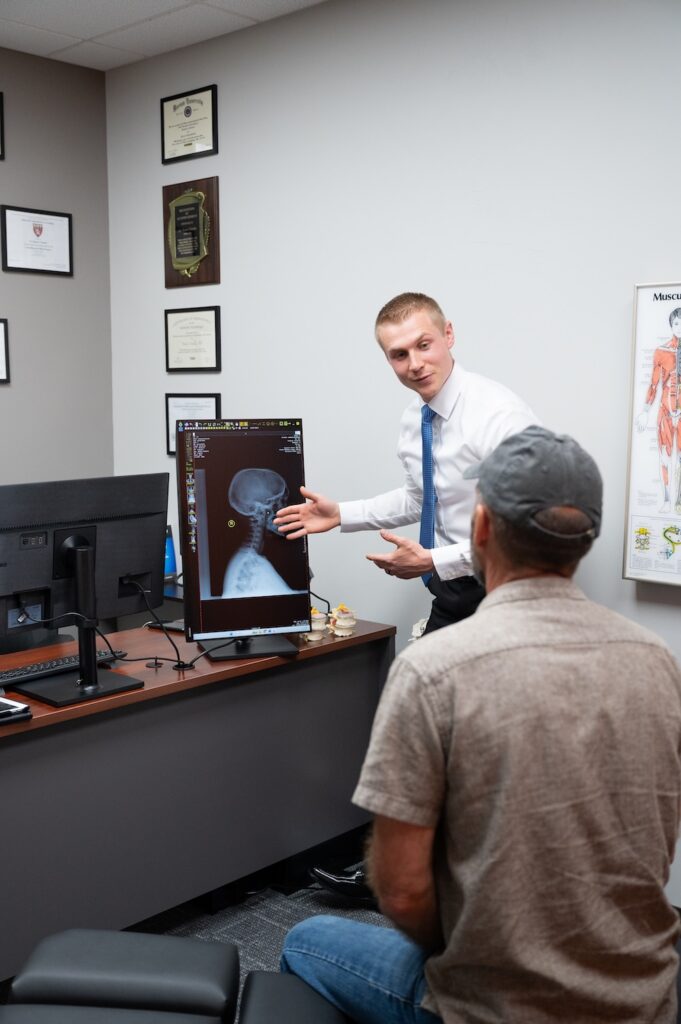

As a local chiropractor, I want to emphasize the importance of safe treatment methods when it comes to the care of infants and toddlers. Promoting their health and development is crucial, and this begins with understanding the benefits of chiropractic care alongside routine check-ups, proper nutrition, and safe sleep practices.
As caregivers, it's vital to recognize common health issues that may arise in young children and to know how to respond appropriately. Chiropractic care can play a significant role in enhancing your child's well-being by addressing musculoskeletal issues and supporting their overall development.
You might be surprised to learn how everyday challenges, such as colic, ear infections, or discomfort during teething, can often be alleviated through gentle, non-invasive chiropractic techniques. Creating a supportive environment for your child—and taking a proactive approach to their health—can make all the difference. I encourage you to explore how chiropractic care can be a valuable addition to your child's healthcare routine, ensuring they thrive in a healthy and nurturing way.
Importance of Safe Treatment
As a local chiropractor, I want to emphasize the importance of ensuring that infants and toddlers receive the safe treatment they need, especially when it comes to natural healing practices. Your child's safety isn't just a priority; it's a responsibility that we take seriously in our practice.
First and foremost, it's essential to choose a qualified chiropractor who specializes in pediatric care. When you select a practitioner with experience in treating young children, you're building a foundation for safe and effective treatment methods. Our approach is gentle and tailored to the unique needs of infants and toddlers, ensuring that they receive the best care possible.
Next, I encourage you to educate yourself about the common health issues that affect young children. Understanding these concerns empowers you to recognize symptoms early and ask insightful questions during appointments. An informed caregiver is a powerful advocate for their child's health, and we're here to provide you with the knowledge you need to make the best decisions for your little one.
Creating a safe and supportive environment at home is also vital. This can include establishing a space for gentle movement and play that promotes natural development. Being aware of your child's physical interactions and ensuring they're safe can prevent potential injuries.
Additionally, maintain open communication with me as your chiropractor, as well as with your child's other caregivers and teachers. Sharing any medical history, allergies, or specific needs that may affect their treatment will help us work together to provide the best possible care. Building a strong support system ensures everyone is aligned regarding your child's health and well-being.
Lastly, always trust your instincts as a caregiver. If something doesn't feel right, don't hesitate to seek a second opinion or discuss your concerns with me. Your intuition is a valuable tool in ensuring your child receives the highest quality care.
Routine Health Check-Ups
Routine health check-ups are essential for ensuring your child's overall well-being and development, and as a chiropractor, I want to highlight the importance of a holistic approach to health. These visits allow us to monitor not just physical growth, but also the alignment of your child's spine and nervous system, which play crucial roles in their overall health.
During check-ups, we assess various aspects of your child's health, including posture and spinal alignment. Proper alignment is vital for optimal nervous system function, which influences everything from growth to behavior and immune response. Early detection of any misalignments can lead to better developmental outcomes as your child grows.
You'll also have the chance to discuss your child's lifestyle, including their physical activity, sleep patterns, and any concerns you may have. Sharing your observations is important, as they can provide valuable insight into how we can support your child's health naturally.
Don't hesitate to ask about how chiropractic care can assist with developmental milestones or specific areas where you're seeking guidance.
Moreover, while vaccinations are crucial for protecting against serious diseases, chiropractic care can complement these efforts by enhancing your child's immune system and overall health. Regular chiropractic adjustments help maintain proper alignment, which can support your child's body in fighting off illness as they grow.
Feeding Practices and Nutrition
When considering the health and wellness of your child, it's crucial to understand the importance of proper nutrition and feeding practices. Just as we focus on spinal alignment and overall body function in chiropractic care, we must also pay attention to the foods we provide for our little ones.
Choosing age-appropriate, wholesome foods is essential for their growth and development, much like how a well-aligned spine supports a healthy body.
In addition to selecting the right foods, practicing safe feeding techniques is key to preventing choking and ensuring a positive mealtime experience. As a chiropractor, I encourage parents to be mindful of their child's nutritional needs, as good nutrition plays a significant role in their overall health and the effectiveness of chiropractic care.
Let's delve into some essential nutritional guidelines that can empower you to make informed decisions regarding your child's diet, promoting their well-being and vitality.
Age-Appropriate Food Choices
As a chiropractor, I often emphasize the importance of holistic health, which starts with proper nutrition, especially for your little ones. Making age-appropriate food choices is vital for your infant or toddler's overall growth and development. During these early stages, their nutritional needs change significantly, and providing them with the right foods can support their physical and cognitive growth.
For infants, it's best to begin with single-grain cereals and pureed fruits or vegetables. This allows them to gradually explore a variety of flavors and textures that can positively influence their palate and digestion. Just as we focus on aligning the spine and nervous system for optimal health, we want to ensure that their diet lays a strong foundation for wellness.
As your child transitions into the toddler stage, you can introduce more complex foods like small pieces of soft fruits, cooked vegetables, and lean proteins. A balanced diet that includes whole grains, dairy, and healthy fats is essential.
Remember that toddlers may have small appetites, so it's important to offer nutrient-dense foods that fuel their little bodies. It's also critical to avoid added sugars and excessive salt during these formative years, as these can contribute to unhealthy habits that may persist into adulthood.
Keeping mealtimes positive and stress-free is key; allowing your child to explore new foods at their own pace can foster a healthy relationship with food. Encourage self-feeding to promote independence while ensuring that the foods you provide are safe and appropriate for their developmental stage.
By making thoughtful food choices, you aren't just nourishing your child but also setting the foundation for a lifetime of healthy eating habits. Just as regular chiropractic care supports a healthy spine and nervous system, good nutrition supports the overall well-being of your child.
Together, we can promote a holistic approach to health and wellness for your family.
Safe Feeding Techniques
As a chiropractor, I believe that nourishing your infant or toddler safely is crucial not only for their health and development but also for their overall well-being, which aligns with the principles of natural healing.
It's important to establish appropriate feeding positions right from the start. When holding your infant for feeding, position them semi-upright to reduce the risk of choking, which can affect their nervous system and overall health.
Always supervise your child during mealtime; distractions can lead to accidents that may impact their physical and emotional state.
When introducing solid foods, do so gradually, opting for soft, easily mashable options that are gentle on their developing digestive system. Steer clear of hard, round, or small foods such as whole grapes or nuts that can pose choking hazards and disrupt their natural feeding instincts.
Using age-appropriate utensils and plates can make mealtime enjoyable and promote healthy habits. Before serving food, always check its temperature—test it on your wrist to ensure it's comfortable for your little one.
If you're using a bottle, make sure the nipple flow is suitable; a flow that's too fast can overwhelm your infant, while one that's too slow might cause frustration.
Encouraging your child to eat at a slower pace is beneficial. This not only supports better digestion but also helps them tune into their fullness cues, fostering a positive relationship with food.
Lastly, be mindful of allergens. It's wise to consult with your pediatrician about the safe introduction of potential allergens, ensuring your child's diet supports their health and development naturally.
Nutritional Guidelines Overview
As a local chiropractor, I want to emphasize the importance of nutrition in supporting not only the healthy growth and development of infants and toddlers but also overall wellness for the entire family.
It's essential for caregivers to understand that proper nutrition lays the groundwork for a healthy spine and nervous system, which are vital for optimal functioning.
Start by exclusively breastfeeding or using formula until your baby reaches around six months old. This practice ensures they receive the essential nutrients and antibodies they need for a strong start.
Once your child is ready for solid foods, it's important to introduce a wide variety of fruits, vegetables, whole grains, and protein sources, such as beans and lean meats, to promote healthy bodily development.
Aim for balanced meals that incorporate all food groups. During this stage of growth, toddlers require healthy fats for brain development.
Don't be afraid to include healthy oils and full-fat dairy products in their diet, as these are beneficial for both physical and cognitive health. Offering small, frequent meals and snacks throughout the day can help maintain their energy levels and facilitate the gradual introduction of new flavors and textures.
Keep in mind that portion sizes for toddlers are significantly smaller than you might expect. Encouraging self-feeding is a great way to help develop their motor skills and foster a positive relationship with food.
As a chiropractor, I also stress the importance of limiting added sugars and salt early on to establish healthy eating habits.
By adhering to these nutritional guidelines, you won't only support your child's growth and development but also contribute to their long-term health and well-being, which aligns perfectly with the principles of chiropractic care and natural healing.
Together, we can create a foundation for a healthier future for your family.
Managing Common Ailments
As a local chiropractor, I understand that managing common ailments in infants and toddlers can feel overwhelming for new parents. It's completely normal to worry about how to soothe your little one when they're fussy or unwell. Recognizing typical issues at this age, such as colds, fevers, teething, and diaper rashes, is essential. By understanding how to address these ailments, you can find peace of mind.
When your child catches a cold, it's important to keep them comfortable. Ensure they stay hydrated with plenty of fluids and consider using a humidifier to relieve congestion. It's also normal for infants to experience fevers, but monitoring their temperature is crucial. If it rises above 100.4°F (38°C) in a baby under three months, please reach out to your pediatrician immediately.
For older toddlers, a fever can often be managed with age-appropriate doses of acetaminophen or ibuprofen, but I encourage exploring natural alternatives as well.
Teething can be particularly uncomfortable for your little one. To help alleviate their pain, try offering teething rings or gently massaging their gums with a clean finger. Additionally, if diaper rash occurs, changing diapers frequently and applying a barrier cream can protect their sensitive skin.
As a chiropractor, I believe in the importance of holistic care. Trusting your instincts as a parent is vital. If anything feels off or if your child appears unusually lethargic or irritable, don't hesitate to consult your pediatrician or explore chiropractic care.
Chiropractic adjustments can help improve overall health and wellness by promoting better function in the nervous system, which may aid in managing discomfort.
Safe Sleep Guidelines
As a local Chiropractor, I want to emphasize the importance of safe sleep practices for your little one, not just for comfort, but also for their overall health and well-being.
Understanding crib safety standards is crucial in creating a safe sleep environment that promotes healthy development.
Additionally, learning proper swaddling techniques can help keep your baby both comfortable and secure, which is essential for their physical alignment and growth.
By following these guidelines, you can help ensure that your infant sleeps safely and soundly, allowing their body to rest and heal naturally.
Let's dive into how these practices can contribute to your baby's holistic health.
Crib Safety Standards
As a local chiropractor, I want to emphasize the importance of creating a safe and supportive environment for your baby, especially when it comes to their sleeping arrangements. Ensuring your baby's crib meets safety standards isn't just about compliance; it's about promoting their overall health and well-being.
Start by checking for the Consumer Product Safety Commission (CPSC) certification. Cribs manufactured after June 2011 adhere to stricter regulations, which helps minimize risks of injury and ensures a safer sleeping space for your little one.
It's crucial to inspect the crib slats; they should be no more than 2 3/8 inches apart. This spacing is vital to prevent your baby from getting stuck, which can lead to undue stress on their developing spine. Additionally, avoid cribs with drop sides, as they pose significant safety risks.
The mattress is another critical component. It should fit snugly against the sides of the crib, eliminating any gaps where your baby could become trapped. Opt for a firm, flat mattress, and refrain from using soft bedding, pillows, or toys inside the crib. These items can increase the risk of suffocation or Sudden Infant Death Syndrome (SIDS), which can affect your baby's overall health.
Regularly check for any signs of wear and tear, such as loose screws or cracks in the crib. These issues can compromise the crib's integrity and, in turn, impact your baby's safety.
Lastly, be mindful of the crib's placement; keep it away from windows, cords, or curtains to avoid potential hazards that could lead to accidents.
By following these essential crib safety standards, you provide your baby with a secure sleep environment that not only promotes their physical safety but also supports their holistic health and development.
Swaddling Techniques Explained
As a local Chiropractor, I want to share some important insights on how swaddling can benefit your baby while also emphasizing safe practices that align with natural healing principles.
Swaddling can create a sense of security for your little one, promoting better sleep when done correctly. It's essential to choose a lightweight, breathable blanket or a specially designed swaddle that provides comfort without being overly tight. This allows for healthy hip movement, which is crucial in preventing conditions like hip dysplasia.
When swaddling your baby, always lay them on their back. This position helps minimize the risk of Sudden Infant Death Syndrome (SIDS) and promotes proper spinal alignment, which is important for their overall development.
Position their arms down by their sides and gently fold the blanket over their body, tucking it securely under their feet. Remember to leave enough space around your baby's head to prevent overheating, which can disrupt their natural healing processes.
Regularly check in on your baby to ensure they're comfortable and at a safe temperature. As they grow and develop the ability to roll over, it's time to transition away from swaddling to support their mobility.
Always consult with your pediatrician about your baby's growth and sleeping patterns, as they can provide guidance tailored to your child's needs. By following these guidelines, you can swaddle your baby safely, fostering a peaceful sleep environment that supports their natural development.
Immunization and Vaccination
As a local Chiropractor, I want to emphasize the importance of holistic health care for your child, especially during their formative years. Just as immunization and vaccination are critical for protecting against serious diseases, maintaining a healthy spine and nervous system can play a crucial role in your child's overall well-being.
By ensuring that your child receives regular chiropractic adjustments, you can help enhance their immune function and overall health. A well-aligned spine supports proper nervous system function, which is essential for their body to respond effectively to illness and disease.
Here are some key benefits of chiropractic care for children:
- Supports Immune Function: Regular adjustments can enhance your child's immune response, helping them fend off illnesses more effectively.
- Promotes Healthy Development: Ensuring proper spinal alignment can aid in your child's physical development, helping them reach their milestones with ease.
- Reduces Pain and Discomfort: Chiropractic care can alleviate common childhood issues such as growing pains, headaches, and discomfort from sports activities.
- Encourages Natural Healing: Chiropractic focuses on supporting the body's natural ability to heal itself, reducing the need for medications.
I encourage you to consult with me to discuss a tailored chiropractic plan that suits your child's unique needs. Together, we can establish a routine that complements any vaccinations they receive, ensuring they stay healthy and strong.
Remember, proactive care, including regular chiropractic visits, can contribute significantly to your child's long-term health and vitality.
Additionally, staying informed about the benefits of natural healing methods, such as chiropractic adjustments, is essential as your child grows. As they encounter various physical challenges, chiropractic care can provide them with the support they need to thrive.
Taking these steps can help ensure your child's health and well-being, allowing them to flourish in their early years and beyond.
First Aid Essentials
As your child grows and discovers the world around them, understanding the principles of health and safety, including natural healing, can significantly enhance their well-being. Accidents and minor injuries are a part of childhood, and being knowledgeable can help you respond effectively.
Begin by familiarizing yourself with basic care techniques for minor injuries. For instance, knowing how to clean and dress cuts and scrapes can prevent infections and promote healing naturally. Maintaining a well-stocked first aid kit at home and in your car is essential. Consider including items like adhesive bandages, antiseptic wipes, and gauze pads.
It's also important to know how to manage common injuries such as burns. For minor burns, running cool water over the area for several minutes and covering it with a clean, dry cloth can help soothe the skin. For more serious burns, don't hesitate to seek medical attention right away.
Additionally, recognizing signs of choking in children is crucial. If your child is unable to cough or breathe, you can perform back blows and abdominal thrusts, known as the Heimlich maneuver, to help dislodge the object.
Furthermore, understanding the basics of CPR (cardiopulmonary resuscitation) can be invaluable. Taking a CPR course that focuses on infants and toddlers can equip you with the knowledge of how to perform chest compressions and rescue breaths, potentially saving lives in emergencies.
Lastly, keep essential emergency numbers handy, including your pediatrician and local poison control center. By incorporating these health and safety essentials into your family's routine, you'll feel more confident in nurturing the well-being of your little explorer while embracing a natural approach to healing.
Emotional and Social Development
As a chiropractor, I want to emphasize the importance of emotional and social development in children, which can be significantly influenced by their overall well-being, including spinal health. The early years of a child's life are crucial for shaping their personality and future relationships, and as a caregiver, you can play an essential role in this development by promoting a holistic approach to health.
Here are some strategies to support not only their emotional and social growth but also their physical well-being:
- Model Healthy Habits: Just as children learn by observing behaviors, they also benefit from seeing you prioritize your health. By practicing good posture, engaging in regular physical activity, and maintaining a balanced diet, you encourage them to adopt similar healthy habits.
- Encourage Active Play: Physical activity is vital for children's social skills. Encourage them to engage in interactive play that promotes movement and teamwork, such as group games or sports. This not only supports their physical development but also enhances their ability to cooperate and make friends.
- Validate Their Feelings: Just like maintaining a healthy spine is essential for overall health, acknowledging your child's emotions is crucial for their emotional development. When they express their feelings, respond with empathy. This practice helps them understand and manage their emotions, leading to healthier relationships.
- Promote Independence: Allow your child to make choices and navigate challenges. Just as chiropractic care can empower individuals to take charge of their health, fostering independence in children builds their confidence and social skills, enabling them to interact positively with peers and adults.
By integrating these strategies into your caregiving approach, you can support your child's emotional and social development while also considering their physical health through chiropractic care and natural healing practices.
Resources for Caregivers
Navigating the world of health and wellness can sometimes feel overwhelming, but there are numerous resources available to support you on your journey to optimal well-being. As a chiropractor, I encourage you to explore local workshops or seminars focused on natural healing and holistic health. These events can provide valuable insights into how chiropractic care can enhance your quality of life, while also connecting you with others who may be experiencing similar health challenges.
Online resources, such as health and wellness websites, offer a wealth of information on chiropractic practices and the benefits of natural healing. Websites from reputable organizations like the American Chiropractic Association provide articles and guidelines covering various health topics, including pain management and injury prevention.
Additionally, engaging with social media groups dedicated to wellness can allow you to share experiences and seek advice from fellow patients and healthcare professionals.
Books are another excellent resource for understanding chiropractic care. Look for titles that delve into topics such as spinal health, holistic living, and the mind-body connection. Local libraries and bookstores often have sections dedicated to health and wellness that can help you find the right materials to enhance your knowledge.
If you have specific health concerns, consider consulting with professionals, including chiropractors, nutritionists, or other holistic health practitioners. They can provide personalized advice and resources tailored to your individual needs.
Lastly, don't underestimate the value of community support. Joining local wellness groups or participating in health fairs can connect you with a network of individuals who share your interests in natural healing. These connections not only benefit your health but also foster a sense of community.
Conclusion
As a local chiropractor, I want to emphasize the importance of safe treatment methods for infants and toddlers, as these early years are crucial for their healthy development. Regular check-ups, including chiropractic assessments, can play a significant role in ensuring your little ones are thriving. Proper nutrition and safe sleep practices are vital, but incorporating gentle chiropractic care can also help manage common discomforts and promote overall well-being.
Staying current with vaccinations is essential, but don't overlook the potential benefits of chiropractic adjustments in supporting your child's immune system and enhancing their physical development. Emotional and social growth is equally important, and a nurturing environment, supported by chiropractic care, can foster this.
Equipping yourself with knowledge about natural healing methods can make a world of difference. By prioritizing safe, non-invasive treatments like chiropractic care, you're laying the foundation for a healthy, thriving child.