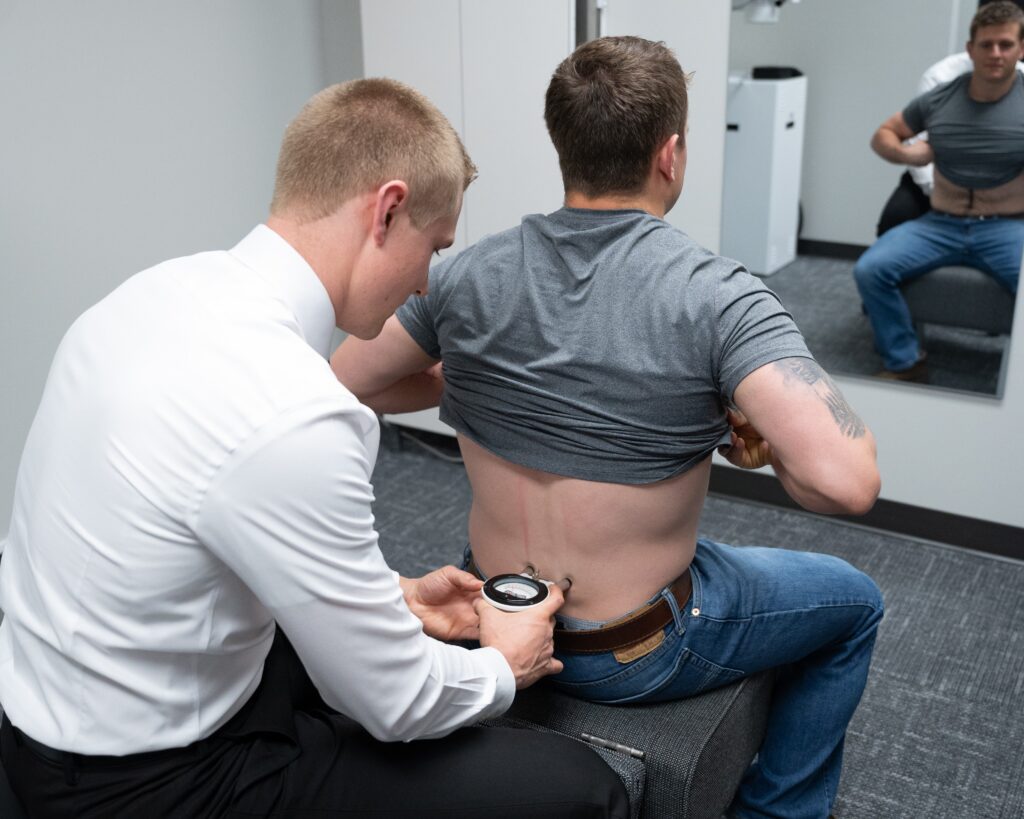

If you're experiencing discomfort in your upper back, I want to introduce you to the benefits of targeted adjustments as a natural remedy. Many people aren't aware of how crucial proper spinal alignment is for alleviating tension and enhancing your overall mobility. By utilizing techniques like spinal manipulation, we can effectively address the specific areas where you're feeling pain.
However, there are additional strategies that can complement your recovery and help prevent future issues. As your local chiropractor, I'm here to guide you through these options, which can lead to a more active and comfortable lifestyle. Together, let's explore how you can take proactive steps towards achieving a pain-free back and improving your overall well-being.
Understanding Upper Back Discomfort
As a local chiropractor, I often see patients who suffer from upper back discomfort, a common issue that can stem from everyday habits and postures that place undue strain on your muscles and spine. You may not be aware, but routine activities—such as sitting at a desk for prolonged periods or hunching over your smartphone—can significantly contribute to that persistent ache.
When we maintain poor posture for too long, the muscles in your upper back become overworked and fatigued, leading to discomfort that can last all day. Consider how often you find yourself slouched while working or leaning forward to look at screens. These positions can tighten your upper back muscles, resulting in tension and pain.
Additionally, if you frequently carry heavy bags or bend awkwardly to lift objects, you could be worsening the strain on your upper back. Recognizing these habits is crucial as it's the first step toward finding relief.
It's also important to note that stress can exacerbate upper back pain. When under stress, your body tends to tense up, which can lead to muscle tightness. This creates a cycle where pain induces more stress, and in turn, stress leads to even more pain. Understanding this connection is essential for managing your discomfort.
To help alleviate upper back discomfort, I encourage you to become more aware of your daily habits. Pay attention to your posture, how you lift items, and your stress levels.
Making small changes in your routine can lead to significant improvements in your comfort and overall well-being. You're not alone in this journey; recognizing the underlying causes of your pain is a powerful step toward achieving relief and enhancing your quality of life through natural healing and chiropractic care.
Importance of Proper Posture
As a local chiropractor, I want to emphasize the importance of maintaining proper posture for the health of your upper back. Good posture not only helps prevent discomfort but also significantly enhances your overall well-being.
Many people are unaware of the common posture mistakes they make in their daily lives, and recognizing these habits is the first step toward finding relief.
Let's take a moment to explore the numerous benefits of good posture. When your body is aligned correctly, it can lead to reduced pain and tension, improved breathing, and even better digestion.
I encourage you to incorporate specific exercises into your daily routine that can help align your body and reinforce good posture habits.
Remember, proper posture is a key component of natural healing, and as your chiropractor, I'm here to guide you on your journey to better health.
Together, we can work on strategies that promote a healthier spine and overall wellness.
Benefits of Good Posture
As a local chiropractor, I want to emphasize the profound impact that good posture can have on your overall health and well-being. When you maintain a straight and aligned posture, you're not just presenting yourself with confidence; you're also supporting your spine, which reduces strain on your muscles and ligaments. This alignment is crucial for preventing discomfort, particularly in the upper back and neck, allowing you to move with greater ease and without pain.
Good posture is also vital for your respiratory health. When your back is straight, your lungs have the space they need to expand fully, leading to improved oxygen flow throughout your body. This increase in oxygen can significantly enhance your energy levels, helping you feel more alert and focused throughout the day.
You may also experience better digestion as a result of proper posture. When you sit or stand correctly, it encourages your internal organs to function optimally, which can help alleviate issues like bloating and discomfort.
Furthermore, maintaining an upright position has been shown to positively affect your mood. Research indicates that good posture can foster feelings of empowerment and positivity, giving you the resilience to face daily challenges head-on.
As you begin to incorporate good posture into your daily routine, you'll find that it's a simple yet powerful way to improve both your physical and mental health.
I encourage you to pay close attention to your body's alignment—it's a fundamental step toward achieving a healthier, more confident version of yourself. If you have any questions or would like to explore how chiropractic care can support your posture and overall wellness, please don't hesitate to reach out!
Common Posture Mistakes
As a local chiropractor, I often see patients who are unaware of the common posture mistakes that can lead to discomfort and pain. Many of you may not realize that slouching in your chair or hunching over your keyboard can significantly affect your upper back health. When you lean forward or round your shoulders, it creates unnecessary strain on your muscles and spine, which can lead to chronic issues over time.
Another prevalent mistake is sitting for long periods without taking breaks. Our bodies aren't designed to stay in one position for too long, and if you don't change your posture regularly, you might experience tightness and discomfort. It's crucial to be mindful of your sitting habits and incorporate short breaks to stand, stretch, and reset your posture.
When standing, pay attention to how you distribute your weight. If you tend to shift your weight to one leg, it can throw your spine out of alignment, contributing to pain and discomfort.
Using your phone or tablet is another area where many people unknowingly compromise their posture. Holding your device too low can result in tilting your head forward, putting strain on your neck and upper back.
Lastly, let's not overlook sleeping posture. If you tend to sleep on your stomach, it can place additional pressure on your back, leading to discomfort.
Exercises for Alignment
As a local chiropractor, I want to emphasize the importance of incorporating targeted exercises into your daily routine to enhance your alignment and overall posture. These exercises are designed to strengthen the muscles that support your spine, which is crucial for maintaining a healthy posture throughout your day-to-day activities.
When you engage in movements such as planks, bridges, and thoracic extensions, you aren't only building strength but also training your body to hold itself in a more balanced position.
One particularly effective exercise is the seated row. Using a resistance band, sit with your legs extended and pull the band towards you, making sure to squeeze your shoulder blades together. This exercise strengthens your upper back and helps counteract the natural tendency many people have to hunch over.
Another beneficial exercise is the wall angel. Stand with your back against a wall and raise your arms, sliding them up and down while keeping your elbows and wrists in contact with the wall. This movement promotes shoulder mobility and reinforces proper alignment.
I recommend incorporating these exercises into your daily routine for about 15–20 minutes. Consistency is essential, and over time, you'll likely notice significant improvements in your posture along with a reduction in upper back discomfort.
Stretching Techniques for Relief
As a local chiropractor, I want to share some valuable insights on how regular stretching can significantly alleviate upper back discomfort. By enhancing flexibility and relieving muscle tension, specific stretching techniques can target those tight areas that often lead to discomfort.
Let's start with a fundamental exercise known as the Cat-Cow stretch. Begin on all fours, ensuring your wrists are directly under your shoulders and your knees under your hips. Inhale deeply, arching your back while gazing upwards (this is the Cow position). Then, as you exhale, round your spine and tuck your chin towards your chest (the Cat position). Flow between these two positions for several breaths to help release tension in your back.
Another excellent stretch is the Child's Pose. Start by kneeling on the floor and sitting back on your heels. Then, stretch your arms forward while lowering your torso towards the ground. Hold this pose for about 30 seconds, breathing deeply as you allow your upper back to relax. This position is particularly good for relieving tightness.
Next, I recommend the Seated Forward Bend. Sit with your legs extended straight out in front of you. Inhale and reach your arms overhead, and as you exhale, hinge at your hips to reach towards your toes. This stretch effectively elongates the spine and alleviates tension across your back, contributing to overall comfort.
Finally, consider incorporating the Shoulder Blade Squeeze into your routine. Whether sitting or standing, maintain a tall posture and draw your shoulder blades together, holding this position for five seconds. Repeat this several times to improve your posture and reduce any strain in your upper back.
These stretching techniques can be a simple yet effective way to support your spine health and enhance your well-being. If you have any questions or would like personalized advice, feel free to reach out during your next visit!
Strengthening Exercises to Consider
As a local chiropractor, I want to emphasize that while stretching is crucial for alleviating upper back discomfort, strengthening exercises are equally vital for maintaining proper posture and preventing future pain.
By targeting key muscle groups, you can establish a solid foundation that supports your spine and enhances overall stability. Here are some effective strengthening exercises I recommend incorporating into your routine:
- Rows: Using resistance bands or weights, perform seated or bent-over rows. This exercise specifically targets your upper back muscles, helping to improve your posture and counteract the negative effects of slouching.
- Planks: Holding a plank position engages your entire core, including the muscles in your upper back. Start with a basic plank and gradually increase the duration as you build strength. This exercise helps stabilize your spine and supports your overall posture.
- Wall Angels: Stand with your back against a wall, arms in a "W" position. Slowly raise your arms into a "Y" shape while keeping your back flat against the wall. This exercise strengthens your shoulder and upper back muscles, promoting better alignment and reducing tension.
Incorporating these exercises into your weekly routine won't only help alleviate discomfort but also reinforce good posture habits.
I suggest aiming for two to three sessions per week, allowing for adequate rest between workouts. As you progress and build strength, consider adding variations or increasing resistance to keep challenging yourself.
Remember, consistency is key to achieving lasting results and effectively managing upper back pain.
If you're new to chiropractic care or natural healing, I encourage you to ask questions and share your concerns. Together, we can create a comprehensive approach to your health and well-being!
Manual Adjustments and Techniques
As a local chiropractor, I want to take a moment to educate you about the importance of manual adjustments in chiropractic care, especially when it comes to alleviating upper back discomfort. These hands-on techniques are designed to address misalignments in your spine, which can lead to tension and pain. When you come to see me, I'll perform specific adjustments that are tailored to meet your individual needs.
One of the most common techniques I use is spinal manipulation. This involves applying controlled force to a joint in your back, which helps improve mobility and reduce inflammation. Many patients report a noticeable sense of relief as the pressure within their joints is released, enabling better movement and a reduction in pain.
I also utilize mobilization techniques, which involve gentle movements aimed at stretching and strengthening the muscles surrounding your spine. During your visit, I'll guide you through these movements to ensure you feel comfortable and relaxed throughout the process.
In addition to these techniques, I may incorporate specific methods such as the Gonstead or Diversified approaches. These methods focus on precise adjustments, ensuring that each movement is intentional and directed at correcting your unique issues.
You may also benefit from a combination of adjustments and therapeutic exercises that are designed to enhance your recovery. By actively participating in your treatment plan, you can significantly improve your overall spinal health.
Ultimately, manual adjustments can be transformative for those dealing with upper back discomfort. They not only promote healing but also empower you to take charge of your well-being, paving the way for a pain-free lifestyle.
If you're curious about how these techniques can benefit you, I encourage you to schedule an appointment with me to discuss your options.
Heat and Cold Therapy
As your local chiropractor, I'd like to share some insights on how heat and cold therapy can be powerful tools in alleviating upper back discomfort.
Many people mightn't be aware that heat therapy is excellent for relaxing tight muscles and enhancing blood circulation in the affected area. This can lead to greater mobility and comfort.
On the other hand, cold therapy is beneficial for reducing inflammation and numbing any pain you might be experiencing.
For optimal relief, I often recommend combining both methods. By alternating heat and cold, you can maximize your recovery process and find comfort more quickly.
It's an approachable, natural way to support your healing journey. If you're interested in learning more about how these therapies can fit into your overall wellness plan, feel free to ask during your next visit!
Benefits of Heat Therapy
As a local chiropractor, I want to share with you the incredible benefits of heat therapy for relieving upper back discomfort. Many of my patients find that this simple, natural approach can make a significant difference in their daily lives. When you apply heat to your upper back, it promotes blood flow and helps to relax tight muscles, easing tension and making movement more comfortable.
Here are some key benefits of incorporating heat therapy into your routine:
- Increased Blood Circulation: Applying heat increases blood flow to the affected area, which is essential for repairing damaged tissues and alleviating pain. Improved circulation can help your body heal more effectively.
- Muscle Relaxation: The warmth from heat therapy helps to relax tight muscles, reducing stiffness and allowing for a greater range of motion. This is particularly beneficial if you've been experiencing discomfort or limitation in your daily activities.
- Pain Relief: Heat therapy can effectively dull pain signals sent to your brain, providing a soothing sensation that can help you manage discomfort more easily. Many of my patients report feeling more relaxed and at ease after using heat therapy.
Incorporating heat therapy into your self-care routine can be a simple yet effective way to address upper back discomfort naturally.
Just remember to use it safely—apply heat for about 15-20 minutes, and always listen to your body's needs.
If you have any questions about heat therapy or how it can complement your chiropractic care, feel free to ask during your next visit!
Effects of Cold Therapy
As a local chiropractor, I want to share some insights on how cold therapy can be an important part of your pain management strategy for upper back discomfort. While many of you may be familiar with heat therapy, it's essential to understand the benefits of cold therapy, or cryotherapy, as well.
Cold therapy works by reducing inflammation and numbing the affected area, which can significantly alleviate pain and stiffness in your upper back. When you apply a cold compress or ice pack, it constricts blood vessels and decreases circulation to the inflamed tissue. This process can effectively reduce swelling and provide immediate relief from pain.
Moreover, cold therapy slows down nerve conduction, which can help diminish the discomfort associated with muscle strains or injuries.
To make the most of cold therapy, I recommend applying the cold source for about 15-20 minutes at a time. Be sure to wrap the ice pack in a towel to protect your skin from direct contact, as this can lead to frostbite. You can repeat this process every couple of hours as needed, which can be particularly beneficial after a chiropractic adjustment or when you're experiencing flare-ups of discomfort.
Incorporating cold therapy into your routine can create a balanced approach to managing upper back discomfort. It complements the benefits of heat therapy and enhances your overall healing process.
If you have any questions or would like personalized recommendations, feel free to reach out during your next visit!
Combining Both Treatments
As your local chiropractor, I want to share an effective strategy for managing upper back discomfort that combines heat and cold therapy. Many of my patients find that using both methods together not only enhances the benefits of each but also helps to alleviate pain and promote healing more effectively.
I recommend starting with cold therapy. This approach is great for reducing inflammation and numbing sharp pain. After applying cold, you can transition to heat therapy, which is wonderful for relaxing tight muscles and increasing blood flow to the area.
Here are some of the key benefits you can experience by combining these two treatments:
- Enhanced Pain Relief: Utilizing cold therapy to manage inflammation while using heat to relax muscles allows us to target your pain from multiple angles, providing more comprehensive relief.
- Improved Recovery: Alternating between heat and cold can significantly speed up your healing process. This combination promotes better circulation and helps to reduce stiffness in your back.
- Greater Flexibility: By integrating both therapies, you can work towards regaining mobility in your upper back, making it easier to perform daily activities without discomfort.
When using cold therapy, I recommend applying it for about 15-20 minutes. Afterward, allow your skin to return to its normal temperature before switching to heat therapy, which you can use for another 15-20 minutes with a heating pad or warm towel.
By rotating between these therapies, you can discover a balance that offers you the most relief from your upper back discomfort.
As always, if you have any questions about how to implement this technique or about chiropractic care in general, feel free to reach out during your next visit!
When to Seek Professional Help
As a local chiropractor, I'm here to help you understand when it's important to seek professional assistance for upper back discomfort. It's crucial to recognize that addressing pain early can prevent further complications down the line. If you find that your pain persists for more than a few days or even worsens despite trying home remedies, it's definitely time to reach out for professional guidance.
Don't overlook symptoms like severe pain, stiffness, or any feelings of weakness in your arms or legs. These could point to a more serious underlying issue that requires prompt attention. As a chiropractor, I can help identify the root cause of your discomfort and create a tailored treatment plan that suits your individual needs.
If you notice any numbness, tingling, or radiating pain extending down your arms, please don't hesitate to seek help. These signs can indicate nerve compression or other conditions that need immediate evaluation. My role is to accurately diagnose these issues and guide you towards effective relief.
Furthermore, if your upper back pain is accompanied by unexplained weight loss, fever, or difficulty breathing, you should seek emergency care right away. These symptoms may suggest a serious condition that requires urgent attention, and it's always better to err on the side of caution.
Even if your discomfort is mild but recurring, it's a good idea to consult with a chiropractor. We offer specialized adjustments and exercises designed specifically for your needs, which can help you avoid future episodes of pain.
Remember, taking proactive steps toward your health won't only support a quicker recovery but also enhance your overall quality of life.
Don't wait for your discomfort to escalate—reach out for professional help when you need it. Your body deserves the attention and care that chiropractic treatment can provide, and I'm here to support you on your journey to better health.
Conclusion
As a local chiropractor, I want to share some valuable insights on how to relieve upper back discomfort in a way that promotes natural healing. It's essential to understand that overcoming this type of pain involves a holistic approach. This means not only focusing on proper posture but also incorporating stretching and strengthening exercises into your daily routine.
One of the key components of effective relief is targeted chiropractic adjustments. These adjustments can help realign your spine and restore proper function, which can significantly alleviate pain and improve mobility.
In addition to chiropractic care, I encourage you to listen to your body. Utilizing heat and cold therapy can be beneficial for managing discomfort as well. If you find that your pain persists, I urge you to seek professional help. As your chiropractor, my goal is to ensure you receive the relief and support you deserve. Your health and well-being are of utmost importance, and I'm here to assist you on your journey to feeling better.