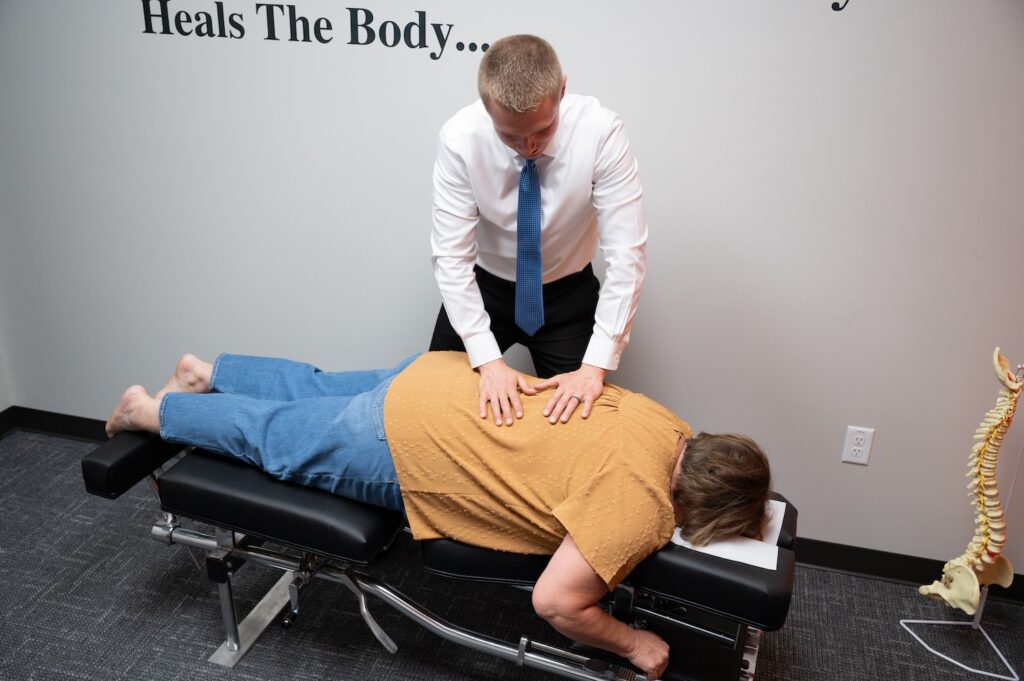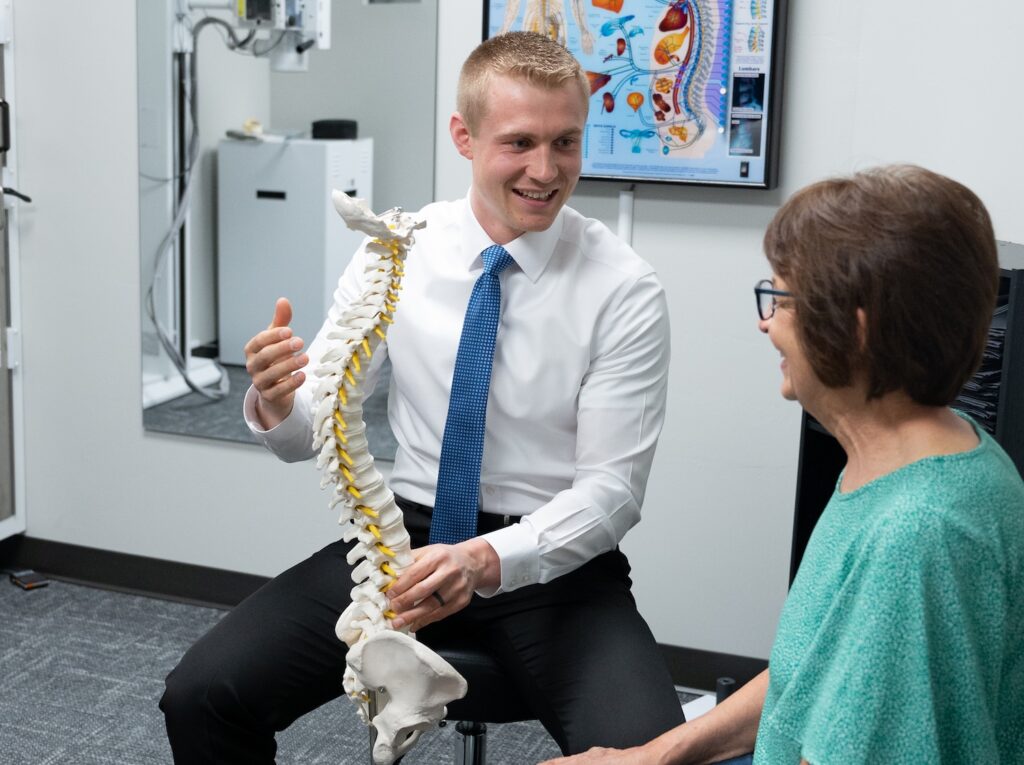

If you're dealing with upper back pain, know that you're not alone, and understanding the root causes of your discomfort is crucial. As a local chiropractor, I want to help you explore the various factors that could be contributing to your pain. By participating in our quiz, you'll respond to specific questions designed to uncover personalized strategies that can alleviate your discomfort and enhance your daily life.
Recognizing the unique aspects of your symptoms and lifestyle is the first step toward finding effective relief. You may discover insights that could transform your approach to managing this ongoing issue. Chiropractic care focuses on natural healing and restoring balance to your body, providing you with tools to address your pain holistically. There's so much more to learn, and the answers you find may just surprise you!
Understanding Upper Back Pain
As a local chiropractor, I want to help you understand what might be causing your upper back pain and how to recognize its signs. Many people experience discomfort in their upper back for a variety of reasons, such as muscle strain, poor posture, or even stress. If you've spent long hours at a desk or lifted heavy objects without using proper techniques, you may be setting yourself up for discomfort.
It's important to recognize the signs of upper back pain. You might experience a dull ache or a sharp pain that intensifies with certain movements or after sitting for extended periods. Stiffness is another common symptom that can make it challenging to turn your head or shoulders comfortably.
Additionally, pay attention to any tingling or numbness that radiates down to your arms, as this could indicate a more serious issue. If you find yourself frequently adjusting your sitting position or needing to stretch to relieve tension, these can be indicators that your upper back needs attention.
You may also notice that stress or anxiety can worsen your discomfort, leading to tighter muscles. Ignoring these signs isn't advisable. Early intervention can prevent further pain and complications down the road.
Reflect on your daily habits—are they contributing to your discomfort? Simple adjustments, such as improving your workspace ergonomics or taking regular breaks, can make a significant difference in your overall well-being.
Understanding the nature of your upper back pain is the first step toward effective relief and regaining your comfort. As a chiropractor, I'm here to guide you through natural healing methods that can help restore balance and alleviate your pain.
Don't hesitate to reach out for support and learn more about how chiropractic care can benefit you.
Common Causes of Discomfort
As a local chiropractor, I often see patients struggling with upper back discomfort, which can arise from several common causes that are frequently overlooked until they escalate into significant issues.
One of the leading contributors I encounter is poor posture. Many people spend extended periods hunched over computers or slouched on couches, which can lead to muscle strain and discomfort in the upper back. When your muscles are forced to maintain these awkward positions for too long, they can become fatigued and painful.
Another frequent cause of upper back pain is muscle strain or overuse. Whether you're lifting heavy objects, engaging in vigorous exercise, or performing repetitive tasks, you may unknowingly put excessive stress on the muscles in your upper back. This strain can cause inflammation and pain, which can be quite frustrating and debilitating.
Stress and tension are also critical factors that can lead to upper back discomfort. When you're under stress, your body tends to tighten up, particularly in the shoulder and upper back regions. This chronic tension can result in persistent discomfort that may not subside with rest or typical activity levels.
It's also essential to consider underlying medical conditions, such as herniated discs or arthritis, which can contribute to upper back pain. While these issues may be less common, they should be addressed if your discomfort is ongoing.
Finally, a lack of regular exercise can weaken the muscles that provide support to your upper back, making you more vulnerable to pain.
Symptoms to Look For
As a local chiropractor, it's important to help you recognize the symptoms of upper back pain so we can address your discomfort effectively using natural healing methods. You may find that your upper back pain presents itself in various ways, from a dull ache to sharp, shooting sensations. It's crucial to be aware of how your pain manifests, as this can provide valuable insights into the underlying issues.
If you're experiencing tightness or stiffness in your upper back, this may indicate muscle strain or tension, which is common in our daily lives. You might also notice that certain movements, such as bending or twisting, can make the pain worse. Difficulty maintaining good posture without discomfort could be a sign that your spine needs some attention.
In some cases, you may feel pain that radiates down your arms or into your neck, which could suggest nerve involvement that we can address through specific chiropractic adjustments.
It's also important to pay attention to any accompanying symptoms. If you experience muscle spasms, tingling, or numbness in your upper back or arms, these may indicate a more serious condition that requires our expertise. Additionally, many people find that their upper back pain is linked to headaches or migraines, especially if it stems from tension in the neck area.
Don't forget that emotional factors can also play a role; stress and anxiety often exacerbate physical pain. If you're feeling more tense or anxious than usual, this could manifest as discomfort in your upper back.
When to Seek Professional Help
If you're experiencing persistent upper back pain despite trying home remedies, or if it interferes with your daily activities, it's important to consider seeking professional help. As a chiropractor, I want to emphasize that ignoring ongoing discomfort can lead to more significant issues down the line. Recognizing when to consult a healthcare provider is crucial for your well-being.
Start by assessing the severity and duration of your pain. If it has lasted longer than a few weeks or seems to be getting worse, don't hesitate to reach out for assistance. Additionally, if you notice that the pain radiates to your arms or legs, or if you're experiencing numbness, tingling, or weakness, these symptoms are especially important to address. They may indicate a more serious underlying condition that requires prompt evaluation and care.
It's also essential to seek help if your pain is accompanied by other concerning signs, such as unexplained weight loss, fever, or persistent fatigue. These symptoms could suggest an infection or other health issues that deserve thorough examination.
Another important factor to consider is your quality of life. If your upper back pain is preventing you from engaging in work, hobbies, or social activities, it's time to consult with a professional. As a chiropractor, I can provide tailored solutions that help restore your functionality and improve your everyday life.
If you've already tried various home remedies—such as stretching, over-the-counter medications, or heat therapy—and haven't found relief, it may be time to explore a different approach. Chiropractic care focuses on natural healing methods and can offer a detailed assessment to identify the root cause of your pain.
Together, we can develop effective treatment plans designed to alleviate your discomfort and promote recovery. Don't wait too long; the sooner you address your upper back pain, the better your chances are for a full recovery.
Quiz: Assess Your Pain
As your local chiropractor, I want to help you better understand your upper back pain and guide you toward the most effective natural healing solutions. A simple self-assessment can provide valuable insights into your symptoms, enabling us to identify patterns and triggers that may be contributing to your discomfort.
Let's start with a fundamental question: How would you rate your pain on a scale of 1 to 10? This rating not only helps you pinpoint the severity of your pain but also allows us to track any changes over time during your treatment.
Next, consider when your pain is at its worst. Does it intensify after spending long hours at your desk, or does it flare up during physical activities? Recognizing these specific instances is crucial for us to find targeted relief strategies.
It's also important to think about the type of pain you're experiencing. Is it a sharp, stabbing sensation, or does it feel like a dull ache that lingers? Understanding this distinction can provide us with valuable information about what may be happening in your body.
Additionally, reflect on any recent activities or injuries that could have triggered your upper back pain. Have you lifted something heavy or sat in an awkward position for an extended period? These details can help us determine the best course of action for your recovery.
Lastly, pay attention to whether your pain radiates to other areas, such as your shoulders or arms. This can indicate whether the issue is muscular or if it may involve other underlying factors.
Analyzing Your Results
As a chiropractor, it's important for you to understand your self-assessment results, as they play a crucial role in pinpointing the underlying causes of your upper back pain. By reflecting on your answers, you can uncover valuable insights into the factors that may be contributing to your discomfort. This understanding not only enhances your awareness of your pain but also paves the way for discovering effective, personalized solutions.
As you evaluate your results, keep these key points in mind:
- Pain Triggers: Pay close attention to any patterns in your responses that reveal specific activities or postures that seem to exacerbate your pain. Recognizing these triggers can empower you to make informed lifestyle changes that promote healing.
- Severity and Duration: Assess the intensity and frequency of your pain. Understanding whether your discomfort is chronic or occasional is vital, as it helps determine how urgently you should seek care and what treatment options may be most appropriate for you.
- Associated Symptoms: Be aware of any additional symptoms you may have reported, such as stiffness or numbness. These could be signs of underlying issues that may benefit from chiropractic evaluation and treatment.
Recommended Remedies
As a local chiropractor, I want to share some effective strategies to help alleviate upper back pain naturally. One of the first methods I recommend is heat and cold therapy. Applying a heating pad can help relax tense muscles, while an ice pack can reduce inflammation. Alternating between heat and cold can provide optimal relief for your discomfort.
Over-the-counter pain relievers, such as ibuprofen or acetaminophen, may also help manage pain. However, it's essential to follow the recommended dosages and consult with your healthcare provider if you have any concerns or pre-existing conditions.
Investing in ergonomic furniture is another excellent approach, especially if you spend long periods sitting. A supportive chair can significantly improve your posture and alleviate strain on your upper back. Be sure to adjust your workstation so that your computer screen is at eye level, and your chair provides adequate lumbar support.
Additionally, massage therapy can be highly beneficial. Whether you choose to visit a professional or use a handheld massager, targeting those sore areas can enhance blood flow and relieve muscle tightness.
Taking a warm bath with Epsom salts can also offer relief. The magnesium in Epsom salts helps relax muscles and reduce tension, making it a soothing option for your back pain.
Don't overlook the importance of hydration! Staying well-hydrated is crucial for maintaining muscle elasticity and preventing cramping, which can contribute to upper back pain.
Lastly, ensure you're getting enough quality sleep. A good sleeping position is vital for spinal support. Make adjustments to your sleep setup to promote a healthier alignment while you rest.
By incorporating these natural remedies into your routine, you'll be taking significant steps towards alleviating upper back pain and enhancing your overall well-being.
Exercises for Relief
As a local chiropractor dedicated to helping you find relief from upper back pain, I want to share how incorporating specific exercises into your daily routine can significantly enhance your recovery.
These exercises not only target and strengthen the muscles around your spine but also improve your flexibility and posture, ultimately alleviating discomfort. Here are three effective exercises that I recommend:
- Cat-Cow Stretch: Begin on your hands and knees in a tabletop position. As you inhale, arch your back and let your belly drop towards the floor, resembling a cow pose. On your exhale, round your back, tucking your chin to your chest like a cat. Repeat this sequence for 10-15 breaths. This gentle movement helps to mobilize your spine and relieve tension.
- Thoracic Extension: Whether seated on a chair or standing with your feet shoulder-width apart, interlace your fingers and place your hands behind your neck. Gently arch your upper back while ensuring your lower back remains straight. Hold this position for about 5 seconds and repeat 8-10 times. This exercise specifically targets the upper back and encourages better posture.
- Wall Angels: Stand with your back against a wall, positioning your feet slightly away from it. Raise your arms to form a "Y" shape, ensuring your elbows and wrists stay in contact with the wall. Slowly lower your arms to create a "W", then return to the "Y". Aim for 10 repetitions. This exercise opens up the chest and strengthens the upper back, promoting better alignment.
Always pay attention to how your body feels during these exercises. If any movement causes pain or discomfort, please stop immediately.
Consistency with these exercises can lead to significant improvements in your upper back health, and I'm here to support you on your journey to wellness through chiropractic care and natural healing.
Preventative Measures
As a local chiropractor, I want to emphasize the importance of mindful posture in preventing upper back pain. Many people may not realize that the way we sit, stand, and move can significantly impact our spinal health.
It's crucial to maintain good posture throughout the day to support your back and avoid discomfort.
In addition to posture, incorporating regular stretching exercises into your daily routine can be incredibly beneficial. These exercises help keep your muscles flexible and strong, which is essential for a healthy back.
By making these simple adjustments and being proactive about your spine's health, you can greatly reduce your risk of experiencing upper back pain.
Posture Awareness Techniques
As a local chiropractor, I want to share some valuable insights on how maintaining good posture can significantly reduce your risk of upper back pain. Many individuals are unaware of the impact that body positioning has on their overall health.
By incorporating simple posture awareness techniques into your daily routine, you can alleviate strain and discomfort. Here are a few strategies I recommend:
- Sit Smart: When you find yourself seated, ensure that your feet are flat on the floor and your back remains straight. It's essential to use a chair that provides adequate support for your lower back, helping you maintain proper alignment and reducing unnecessary pressure on your spine.
- Stand Tall: While standing, aim to distribute your weight evenly across both feet. Keep your shoulders back and relaxed, and make sure your ears, shoulders, and hips are aligned in a straight line. This not only helps balance your posture but also promotes better overall body mechanics.
- Ergonomic Setup: For those who work at a desk, it's crucial to create an ergonomic workspace. Adjust your chair, keyboard, and monitor to ensure that you can maintain a natural posture without straining. This setup can make a significant difference in how your body feels throughout the day.
By being mindful of your posture, you can take proactive steps toward improving your spinal health and overall well-being.
If you have any questions or would like to learn more about how chiropractic care can support your journey to better posture, don't hesitate to reach out!
Regular Stretching Exercises
As a local chiropractor dedicated to helping you achieve optimal health, I want to emphasize the importance of regularly incorporating stretching exercises into your daily routine, especially for preventing upper back pain. Stretching is a simple yet effective way to enhance flexibility and alleviate tension in the muscles that support your spine, which can significantly reduce your risk of discomfort.
I recommend starting with basic stretches, such as the cat-cow stretch, to gently warm up your spine. Following this, the child's pose can be incredibly beneficial as it helps to elongate your back and promote a sense of relaxation. Additionally, incorporating shoulder rolls and neck stretches is crucial, as these areas often become tense and contribute to upper back pain.
For the best results, aim to stretch at least three to four times a week. If you find yourself working at a desk for extended periods, I encourage you to take short breaks every hour to engage in some stretching. This practice not only keeps your muscles active but also helps to prevent stiffness.
You can even integrate these stretches into your morning routine to set a positive tone for your day. By making stretching a regular part of your life, you're taking proactive steps towards maintaining a healthy spine and overall well-being.
If you have any questions about which stretches may be best suited for your needs, feel free to reach out to me during your next visit!
Lifestyle Changes for Comfort
As a local chiropractor, I often emphasize the profound impact that simple lifestyle changes can have on your overall comfort and effectiveness in alleviating upper back pain.
By making small adjustments in your daily routine, you can foster a more supportive environment for your back and promote natural healing. Here are three effective lifestyle changes I encourage my patients to consider:
1. Enhance your posture: It's essential to be mindful of your posture throughout the day.
When sitting at your desk, ensure your chair provides proper support for your lower back, and that your feet are flat on the floor. If possible, invest in an ergonomic chair that promotes healthy alignment.
Additionally, standing tall with your shoulders back can significantly reduce strain on your upper back, allowing for better spinal health.
2. Stay active: Incorporating regular physical activity into your daily routine is vital for maintaining a healthy back.
Activities such as walking, swimming, or practicing yoga can help keep your muscles strong and flexible. Aim for at least 30 minutes of moderate exercise most days to help manage your weight and decrease the stress on your back.
Movement is key to promoting overall wellness and preventing pain.
3. Modify your sleeping position: Your sleep habits can significantly affect your back pain.
If you tend to sleep on your back, placing a pillow under your knees can help maintain the natural curve of your spine.
For side sleepers, using a pillow between your legs can assist in keeping your hips aligned, which can alleviate pressure on your back.
By implementing these lifestyle changes, you can enhance your comfort and support your body's natural healing processes.
Remember, taking proactive steps towards your health can lead to lasting improvements in your well-being.
If you have further questions or need personalized advice, feel free to reach out during your next visit!
Conclusion
Understanding your upper back pain is a crucial step towards finding effective relief, and as your local chiropractor, I'm here to help guide you through this process. By taking our quiz, you can identify the underlying causes of your discomfort and discover personalized remedies tailored just for you.
Chiropractic care focuses on natural healing methods that can significantly enhance your well-being. Your journey to comfort may include a combination of specific exercises, lifestyle adjustments, and professional support through chiropractic adjustments. Remember, it's important to seek help when needed; you don't have to navigate this alone.
Empower yourself with the right knowledge and strategies. Together, we can take charge of your health and work towards achieving long-lasting relief from upper back pain. Your wellness is my priority, and I'm here to support you every step of the way.