
If you're experiencing lower back pain, I want you to know that you're not alone, and there are effective treatments available to help you find relief. As a local chiropractor, I believe in the power of natural healing, and I'm here to guide you through some of the best options for alleviating your discomfort and enhancing your overall quality of life.
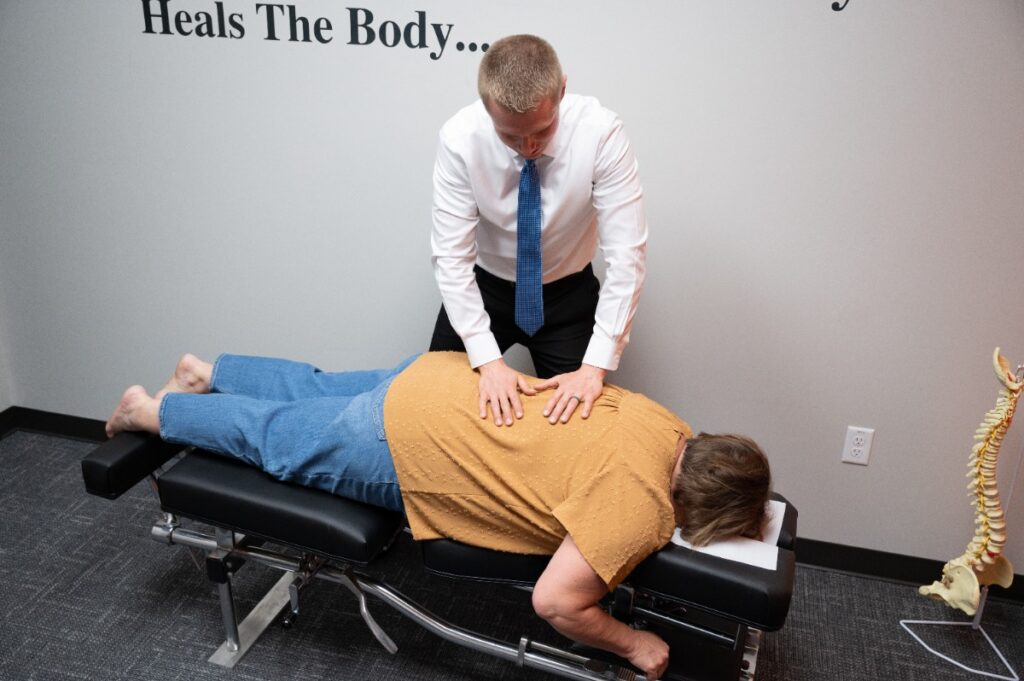
Chiropractic care is a cornerstone of effective lower back pain treatment. Through gentle adjustments, we can help restore proper alignment to your spine, which often leads to significant pain relief. But chiropractic care is just one of many valuable approaches. Physical therapy is another fantastic option that focuses on strengthening the muscles that support your back, promoting long-term health and stability.
Additionally, alternative therapies such as acupuncture can provide significant relief by targeting specific pressure points in the body. Mindfulness techniques, including meditation and deep breathing exercises, can also play a crucial role in managing pain by reducing stress and promoting relaxation.
Each treatment has its unique benefits and may work differently for each person, so it's essential to explore what resonates with you. I encourage you to consider these top ten treatments as you seek the relief you deserve. Together, we can find the right path for your healing journey.
Physical Therapy
Chiropractic care is a vital component in managing and alleviating lower back pain. When you come into our office, I'll conduct a thorough evaluation of your condition and develop a personalized treatment plan tailored specifically to your needs. Our focus will be on holistic approaches that enhance your flexibility, strength, and posture, all of which are crucial for reducing discomfort in your lower back.
An important aspect of chiropractic care is education. I'll guide you through understanding your body mechanics and how to move safely in your daily life. This may include demonstrating proper lifting techniques or ergonomic ways to sit and stand, which can help you avoid future injuries.
Additionally, I'll emphasize the importance of maintaining an active lifestyle, as it significantly contributes to your overall health and well-being.
As we progress with your treatment, you may be introduced to various chiropractic techniques and modalities, such as spinal adjustments, soft tissue therapy, or therapeutic exercises. These interventions can help reduce inflammation, alleviate pain, and promote healing in your back.
Consistency with your exercises is key; they not only help relieve pain but also empower you to take charge of your recovery.
Chiropractic care isn't just about providing immediate relief; it's about promoting long-term health and wellness. Together, we'll develop a set of strategies and exercises that you can easily incorporate into your daily routine, ensuring you remain strong and resilient against future episodes of pain.
Chiropractic Adjustments
As a local chiropractor, I want to share how chiropractic adjustments can be a vital part of your journey toward alleviating lower back pain and enhancing your overall spinal health.
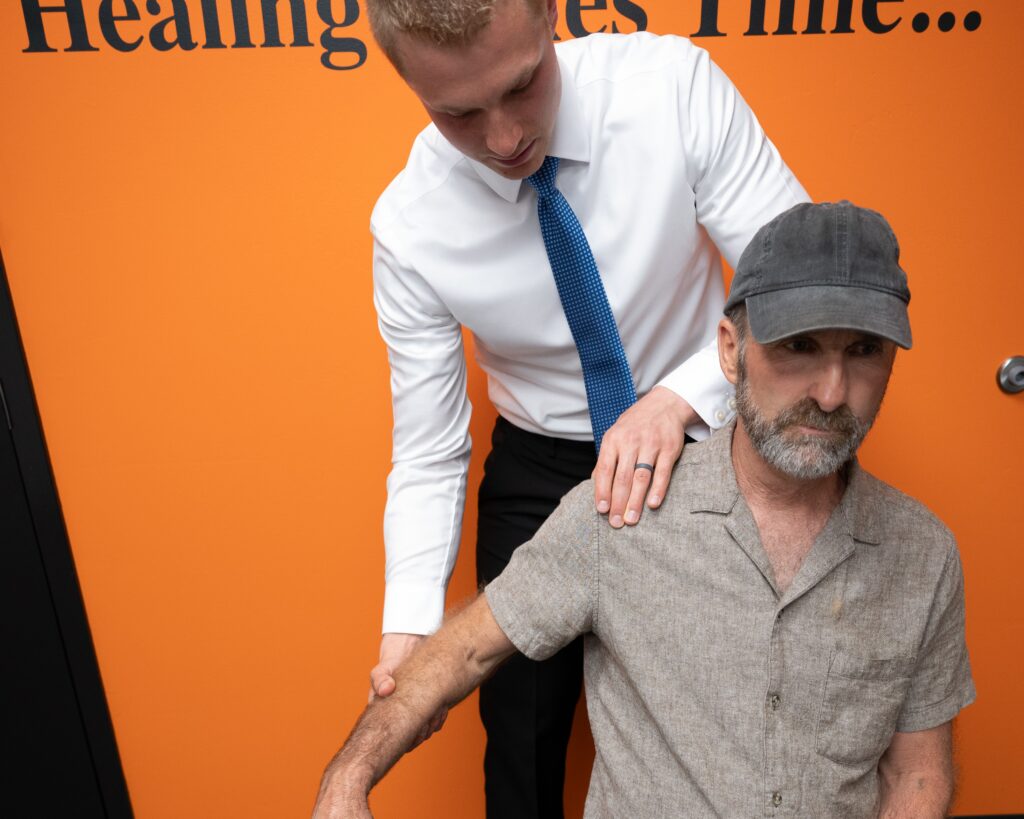
When you visit my practice, I'll carefully assess your spine and perform precise adjustments designed to restore proper alignment. This process can relieve pressure on your nerves, decrease inflammation, and improve your mobility.
Here are four key benefits of chiropractic adjustments that I want you to consider if you're struggling with lower back pain:
- Pain Relief: My approach focuses on addressing the root cause of your discomfort. By correcting misalignments in your spine, chiropractic adjustments can offer immediate relief, reducing your need for pain medications and promoting natural healing.
- Improved Range of Motion: Regular adjustments can significantly enhance your flexibility and mobility. As a result, you'll find it easier to engage in everyday activities without the nagging discomfort that may have held you back.
- Enhanced Posture: Many of us struggle with poor posture, which can contribute to back pain. I take the time to educate my patients on proper alignment and body mechanics, empowering you to maintain better posture throughout your daily life.
- Preventative Care: I believe that routine chiropractic visits are crucial for preventing future back pain. By keeping your spine aligned, we can work together to proactively protect your health and avoid more serious issues in the future.
Incorporating chiropractic adjustments into your pain management strategy can lead to lasting improvements in your spinal health.
Whether you're dealing with chronic pain or simply seeking to enhance your overall well-being, I'm here to support you on your path to relief and recovery.
I encourage you to schedule an appointment with me to discover how these adjustments can positively impact your life.
Massage Therapy
As a local chiropractor, I often encounter patients seeking relief from lower back pain, and I want to share how massage therapy can play a vital role in your recovery journey. Many studies have shown that massage therapy is effective in alleviating lower back discomfort, making it a popular option for individuals looking for natural solutions.
When you experience pain in your lower back, incorporating massage therapy can help target both the symptoms and the underlying issues that contribute to your discomfort.
Massage therapy works by manipulating the muscles and soft tissues of the body, promoting relaxation, enhancing blood circulation, and reducing tension in the affected areas. One of the key advantages of this therapy is its ability to reduce muscle stiffness and enhance flexibility.
After just a few sessions, many patients notice an increase in their range of motion, which allows them to engage in daily activities with increased comfort and ease.
Additionally, massage therapy can stimulate the production of endorphins—your body's natural pain relievers—providing further relief from pain. There are various massage techniques available, including Swedish, deep tissue, and trigger point therapy, each tailored to meet your specific needs.
If you're unsure which method would be most beneficial for you, I recommend consulting with a licensed massage therapist who can help guide you based on your individual symptoms and wellness goals.
It's important to understand that while massage therapy can be a powerful tool in managing lower back pain, it often works best in conjunction with other treatments such as chiropractic adjustments and physical therapy.
Open communication with your therapist about your pain levels and any specific areas of concern is essential for achieving the best results.
By integrating massage therapy into your overall wellness routine, you can take proactive steps toward managing your lower back pain and improving your overall quality of life.
As your chiropractor, I'm here to support you on this journey to natural healing and optimal health.
Acupuncture
As a local chiropractor dedicated to educating our community about natural healing methods, I want to share some insights about acupuncture and its potential benefits for alleviating lower back pain. This ancient therapy, rooted in traditional Chinese medicine, can complement chiropractic care and provide a holistic approach to pain management.
- Pain Relief: Many individuals experience significant relief from lower back discomfort after just a few acupuncture sessions. This therapy stimulates the body's natural pain-relieving mechanisms, which can help in reducing your overall pain levels.
- Improved Mobility: Regular acupuncture treatments can enhance your flexibility and range of motion. As you begin to feel better, you may find it easier to engage in everyday activities without the burden of persistent pain.
- Stress Reduction: Chronic lower back pain often leads to heightened stress and anxiety. Acupuncture not only addresses the physical aspects of pain but also promotes a sense of relaxation, making it easier to manage stress and improve your overall well-being.
- Customized Treatment: Each person's experience with pain is unique, and acupuncture practitioners tailor their approach to fit your individual needs. They'll assess your specific condition and adjust needle placements to ensure a personalized treatment experience.
Before considering acupuncture, it's essential to consult with a licensed practitioner who can help guide you on your healing journey.
While results can vary from person to person, many find that incorporating acupuncture into their pain management strategy, alongside chiropractic care, leads to significant improvements.
I encourage you to explore this natural healing method and see if it can provide the relief you've been seeking!
Heat and Cold Therapy
As a local chiropractor dedicated to helping you manage lower back pain, I want to share some valuable insights about heat and cold therapy.
These natural healing methods can significantly alleviate your discomfort and support your healing journey.
Heat therapy is excellent for relaxing tight muscles and improving blood circulation, which can be especially beneficial for chronic pain.
On the other hand, cold therapy is effective in reducing inflammation and numbness, making it a great option for acute injuries or flare-ups.
It's important to know how to apply these therapies correctly for optimal results.
For heat, consider using a warm towel or heating pad for about 15-20 minutes.
For cold therapy, an ice pack wrapped in a cloth can be applied for similar intervals to avoid skin damage.
By incorporating these therapies into your routine, alongside chiropractic care, you can enhance your recovery and enjoy a more comfortable life.
If you have any questions or need guidance, feel free to reach out!
Benefits of Heat Therapy
As a local chiropractor, I often see patients struggling with lower back pain, and I want to share how heat therapy can be an effective part of your healing process.
Applying heat can significantly alleviate discomfort by enhancing blood circulation and relaxing tight muscles. This isn't just about easing pain; it's about fostering recovery.
Here are some key benefits of heat therapy that you should consider:
- Enhanced Circulation: When you apply heat to the affected area, it increases blood flow, allowing essential nutrients and oxygen to reach the tissues that need healing.
- Muscle Relaxation: The warmth from heat therapy helps to ease tight muscles, reducing stiffness and improving your range of motion and flexibility.
- Pain Management: Heat therapy works by soothing nerves and alleviating muscle spasms, which can lead to effective pain relief and make everyday activities more manageable.
- Stress Relief: Using heat can promote relaxation, helping to lower stress levels that often contribute to muscle tension and discomfort in the lower back.
Incorporating heat therapy into your daily routine is easy and can be very beneficial. You can use a heating pad, a hot water bottle, or even enjoy a warm bath.
Just be sure to check the temperature to prevent burns. Embracing heat therapy is a simple yet powerful way to support your body's natural healing process and enhance your overall wellness!
Benefits of Cold Therapy
As a local chiropractor, I want to share with you the remarkable benefits of cold therapy, especially for those struggling with lower back pain. When you apply cold to your lower back, it plays a crucial role in reducing inflammation and numbing the affected area, offering you immediate relief. This approach is particularly effective following an injury or during a painful flare-up. The cold works by constricting blood vessels, which limits swelling and slows down nerve conduction, ultimately alleviating your pain.
Additionally, cold therapy can be instrumental in alleviating muscle spasms. By calming the nerves and lowering the tissue temperature, it encourages your muscles to relax, which makes it easier for you to move around without discomfort.
Moreover, using cold therapy after engaging in physical activities can help prevent soreness and stiffness, allowing your back to feel more comfortable overall.
One of the best things about cold therapy is that it's simple and cost-effective. You can easily use ice packs, frozen vegetables, or a cold compress, making this treatment accessible to everyone.
Just a quick reminder: always wrap any ice source in a cloth to protect your skin from frostbite. By incorporating cold therapy into your pain management routine, you may notice a significant improvement in your lower back pain, enabling you to participate in daily activities with much less discomfort.
Application Techniques and Guidelines
As your local chiropractor, I want to share some effective strategies for managing lower back pain using heat and cold therapy. Understanding how to apply these methods correctly can enhance your healing process and provide relief. Here are some important techniques and guidelines to consider:
- Heat Application: Utilizing a heating pad, hot water bottle, or a warm towel can work wonders for your back. Apply heat for about 15-20 minutes at a time. It's important to ensure that the heat is warm and not too hot to prevent any burns. This warmth can help soothe tight muscles and improve blood flow.
- Cold Application: For cold therapy, an ice pack or a bag of frozen vegetables wrapped in a cloth can be very effective. Apply the cold for 15-20 minutes, but make sure to allow your skin to return to its normal temperature between sessions. This approach helps reduce inflammation and numbs the area to alleviate pain.
- Frequency: I recommend alternating between heat and cold therapy throughout your day. Begin with cold therapy to tackle any inflammation that may be present, then switch to heat to help relax your muscles. This combination can be particularly beneficial for comprehensive pain relief.
- Listen to Your Body: It's crucial to pay attention to your body's responses during these therapies. If you notice an increase in pain or discomfort, it's a sign to stop and reassess. I encourage you to consult with me or another healthcare professional if you're uncertain about your symptoms or how to proceed.
By incorporating these techniques into your self-care routine, you can take an active role in managing your lower back pain.
Over-the-Counter Medications
When it comes to managing lower back pain, many people often turn to over-the-counter medications for quick relief. As a local chiropractor, I want to help you understand how these medications can play a role in your overall healing process, but I also encourage you to explore natural alternatives that may be more beneficial in the long run.
Over-the-counter medications, such as nonsteroidal anti-inflammatory drugs (NSAIDs) like ibuprofen and naproxen, can be effective for managing mild to moderate pain. They not only help alleviate discomfort but also reduce inflammation, which is often a key factor in your pain experience. However, while these medications can provide temporary relief, they don't address the underlying issues that may be contributing to your back pain.
Another common option is acetaminophen, which can effectively relieve pain but doesn't target inflammation. It's generally easier on the stomach than NSAIDs, making it a suitable choice for those with sensitive digestive systems. However, it's important to be cautious with the dosage to avoid any risk of liver damage.
You might also consider topical analgesics, such as creams and patches containing menthol or capsaicin, which can provide localized relief. These products can be applied directly to the affected area and may help distract you from pain with their soothing sensations.
While these medications can be useful in the short term, I encourage you to also explore natural healing methods. Chiropractic care focuses on restoring proper alignment and function to your spine, which can significantly reduce pain and improve your overall health. Techniques such as spinal adjustments, therapeutic exercises, and lifestyle modifications can address the root causes of your discomfort, promoting long-lasting relief.
If you're considering any medication, it's crucial to read labels carefully and adhere to recommended dosages. Additionally, if you have existing health conditions or are taking other medications, it's wise to consult with a healthcare professional, like myself, to ensure safe and effective treatment options tailored to your needs.
Prescription Medications
When over-the-counter options don't quite cut it for your lower back pain, it's important to consider alternative approaches before turning to prescription medications.
As a local chiropractor, I want to emphasize the benefits of chiropractic care and natural healing methods that can provide effective relief without the potential side effects associated with stronger prescription drugs.
Chiropractic adjustments can help realign the spine, relieve tension, and improve overall function, addressing the root cause of your pain rather than just masking the symptoms.
It's essential to also explore lifestyle changes, physical therapy, and exercises tailored to strengthen your back and enhance mobility.
While prescription medications can be effective for some, they may come with risks that could affect your overall health.
By focusing on natural healing methods, you can promote long-term wellness and better manage your lower back pain.
If you're curious about how chiropractic care can help you, I'm here to guide you on your journey to recovery.
Common Prescription Options
If you're experiencing lower back pain, it's essential to explore all your options for relief, and that includes considering the benefits of chiropractic care and natural healing methods. While prescription medications can provide temporary relief, they often come with side effects and don't address the underlying issues causing your pain.
Here's a look at some common prescription options that you might hear about, along with why you might want to consider alternatives like chiropractic treatment:
- Nonsteroidal Anti-Inflammatory Drugs (NSAIDs): Medications such as ibuprofen or naproxen can help reduce inflammation and alleviate pain. However, they may only mask the symptoms without addressing the root cause of your discomfort.
- Muscle Relaxants: If muscle spasms are contributing to your pain, your doctor might suggest muscle relaxants. While these can provide temporary relief, chiropractic adjustments can help restore proper alignment and reduce tension in the muscles more naturally.
- Corticosteroids: These powerful anti-inflammatory medications can quickly relieve severe pain but are usually prescribed for short periods due to potential side effects. In contrast, chiropractic care focuses on promoting natural healing and long-term wellness without the risks associated with steroid use.
- Narcotics: Opioids may be an option for managing intense pain, but they carry a significant risk of dependence and other adverse effects. Chiropractic care, on the other hand, works holistically to improve your body's function and reduce pain through manual adjustments and therapeutic techniques.
I encourage you to consider chiropractic care as a holistic approach to healing. It not only focuses on alleviating your pain but also helps improve your overall well-being.
Always consult with a healthcare professional to discuss the best options for your specific situation, and remember that a comprehensive treatment plan may include both chiropractic care and other therapies for optimal results.
Dosage and Administration
As a local chiropractor, it's important to understand that managing lower back pain effectively often involves more than just medications. While your healthcare provider may prescribe medications, I want to emphasize the value of a holistic approach to healing that incorporates chiropractic care and natural methods.
When it comes to medications, such as non-steroidal anti-inflammatory drugs (NSAIDs) or muscle relaxants, it's crucial to follow your doctor's instructions closely. These medications can provide relief, and understanding their proper use is essential. Typically, NSAIDs may be taken every 8 to 12 hours as needed, while muscle relaxants have specific durations of use to help prevent dependence.
However, I encourage you to explore natural alternatives or complementary therapies that can support your healing journey.
If your doctor prescribes opioids for pain management, please be aware of the risks associated with them, including the potential for addiction. It's always best to start with the lowest effective dose and increase it only under strict medical supervision.
In my practice, I focus on helping patients find non-pharmaceutical solutions to their pain.
Additionally, if you're taking any medications, make sure to take them with food or water as directed, as this can help improve absorption and reduce any potential stomach irritation. Keeping a log of when you take medications can be helpful, and I encourage you to communicate openly with your healthcare provider about any concerns or side effects you experience.
Remember, chiropractic care can play a significant role in your recovery. By addressing the underlying musculoskeletal issues contributing to your pain, we can work together to enhance your overall health and well-being.
Staying informed and actively participating in your treatment plan will greatly aid in your journey to relieve back pain.
Potential Side Effects
As a local chiropractor, I want to help you understand the options available for managing lower back pain, particularly when it comes to the use of prescription medications.
While these medications can provide relief from discomfort, it's important to be aware of the potential side effects that can accompany their use.
Here are some common side effects you might encounter if you consider prescription pain relief:
- Drowsiness: Many pain medications can lead to sedation, which may hinder your ability to focus and carry out daily activities effectively.
- Nausea: Some individuals experience feelings of queasiness, which can impact your appetite and overall sense of well-being.
- Constipation: Opioids, specifically, are known to cause digestive issues, potentially making regular bowel movements a struggle.
- Dependency: Prolonged use of certain medications can lead to physical or psychological dependence, complicating your ability to discontinue their use.
As you explore your options for pain management, I encourage you to consider natural healing methods such as chiropractic care.
Chiropractic adjustments can address the root causes of your back pain without the risks associated with prescription medications.
It's always best to discuss your concerns with a healthcare provider who understands your individual situation.
Exercise and Stretching
As a local chiropractor, I want to emphasize the vital role that exercise and stretching play in relieving lower back pain. Many of my patients are surprised to learn that incorporating regular physical activity into their daily routines can significantly strengthen the muscles that support the spine, ultimately alleviating discomfort.
I recommend starting with low-impact exercises such as walking, swimming, or cycling. These activities are excellent for improving circulation and flexibility without putting excessive strain on your back. It's important to find activities you enjoy and can easily incorporate into your life.
Stretching is equally crucial in your journey to better back health. Regular stretching helps maintain flexibility in your muscles and joints, which can reduce stiffness and tension in the lower back. Focus on stretches that target your hamstrings, hip flexors, and lower back. Simple movements like the cat-cow pose, child's pose, and pelvic tilts can offer immediate relief.
I suggest holding each stretch for at least 20-30 seconds and breathing deeply to enhance relaxation. Listening to your body is paramount during exercise. If you experience pain with a particular movement, please stop and either adjust your form or choose a different activity.
As your back begins to strengthen, gradually increase the intensity and duration of your workouts. Aim for at least 150 minutes of moderate aerobic activity each week, coupled with strength training exercises twice a week.
Incorporating a balanced mix of aerobic, strength, and flexibility exercises can significantly enhance your overall back health. Remember, consistency is key! Set realistic goals, and stick to a routine that works for you.
Mindfulness and Relaxation Techniques
As a local chiropractor, I want to emphasize the importance of not only physical activity but also incorporating mindfulness and relaxation techniques into your routine for managing lower back pain.
These practices can truly transform your healing journey by reducing stress and enhancing your body awareness, which is vital in alleviating discomfort.
Here are four effective mindfulness and relaxation techniques that I encourage you to try:
- Deep Breathing: Dedicate a few minutes each day to focus solely on your breath. Inhale deeply through your nose, allowing your abdomen to expand fully, then exhale slowly through your mouth. This simple practice can significantly reduce tension and foster a state of relaxation.
- Meditation: Even if you can spare just 5-10 minutes, setting aside time for meditation can be incredibly beneficial. Find a quiet space, sit comfortably, and concentrate on your breath or a calming mantra. This will help clear your mind and may lessen your perception of pain.
- Progressive Muscle Relaxation (PMR): This technique involves tensing and then relaxing each muscle group in your body, starting from your toes and gradually working your way up. By practicing PMR, you can effectively release accumulated tension in your back, enhancing your overall comfort.
- Mindful Walking: When you go for a walk, take the time to pay attention to your surroundings and how your body moves. Focus on the sensations of each step, which can help redirect your attention away from pain and cultivate a sense of well-being.
By integrating these mindfulness and relaxation techniques into your daily routine, you can empower yourself to manage lower back pain more effectively.
Surgery Options
When conservative treatments, such as chiropractic care, aren't offering the relief you seek, some may consider surgery as an option.
However, it's crucial to explore and understand the various types of back surgery available, along with the recovery and rehabilitation process that follows. As your local chiropractor, I encourage you to first consider the natural healing methods we provide, which can often alleviate pain without the need for surgery.
Before making any decisions, it's important to weigh the potential risks and benefits of surgical options.
I'm here to help guide you through these considerations and discuss how chiropractic adjustments and other natural therapies may serve as effective alternatives to surgery.
Your health and well-being are our top priority, and we want to ensure you make an informed choice.
Types of Back Surgery
As a local chiropractor, I understand that the decision to address lower back pain can be daunting, especially when considering surgical options.
However, I want to emphasize that there are effective non-surgical methods and natural healing practices available that can help alleviate your discomfort.
Before exploring surgical avenues, it's beneficial to consider these common chiropractic approaches:
- Spinal Manipulation: This technique involves gentle adjustments to the spine, aimed at restoring proper alignment and function. Many patients experience immediate relief from pain and improved mobility.
- Therapeutic Exercises: Customized exercise programs can strengthen the muscles supporting your spine, improve flexibility, and enhance overall stability, reducing the risk of future injuries.
- Soft Tissue Therapy: Techniques like massage or myofascial release can help release tension in the muscles surrounding the spine, promoting relaxation and reducing pain.
- Lifestyle and Nutritional Guidance: A holistic approach to healing includes addressing lifestyle factors such as diet, posture, and stress management. This can have a profound impact on your overall well-being and back health.
Exploring these natural healing options can significantly improve your quality of life.
I encourage you to have an open discussion with me about your specific condition and the various ways we can work together to find relief without the need for surgery.
Your journey to a healthier back starts with understanding and exploring all your options!
Recovery and Rehabilitation
After considering non-surgical options for lower back pain, you may be wondering about the recovery and rehabilitation process following surgery. As a local chiropractor, I want to emphasize the importance of understanding this journey for a successful outcome.
Immediately after surgery, you'll likely be taken to a recovery room where medical staff will keep a close eye on your vital signs and pain levels. Once you're stable, the next step is to embark on your rehabilitation journey.
While physical therapy typically begins within a few days after surgery, I encourage you to also explore chiropractic care as a complementary approach to recovery. A chiropractor can design a personalized program aimed at restoring strength, flexibility, and range of motion while focusing on natural healing methods.
It's essential to follow your therapist's guidance and be patient with your recovery process; rushing this stage can lead to setbacks.
Pain management is another critical aspect of recovery. While your doctor may prescribe medications to help with discomfort, chiropractic adjustments can also provide relief and encourage the body's natural healing processes.
Consistently adhering to your prescribed treatment plan is vital for a smoother recovery experience.
As you progress, incorporating low-impact exercises and gradually increasing your activity level will be beneficial. Staying active is crucial, but always pay attention to how your body feels—if something doesn't seem right, don't hesitate to reach out to your chiropractor or healthcare provider for advice.
Ultimately, your dedication to the rehabilitation process, including chiropractic care, will significantly influence your recovery and promote long-term back health. Embrace this holistic approach to healing, and you'll be on your way to a healthier, pain-free life.
Risks and Considerations
Surgery for lower back pain can seem like a hopeful solution, but as your local chiropractor, I want to encourage you to consider some important factors before making such a significant decision. Here are some key points to think about:
1. Complications: Any surgical procedure comes with risks, including complications like infection, bleeding, or nerve damage. I recommend discussing these potential risks in detail with your surgeon, but also exploring non-surgical options that might help you avoid these concerns altogether.
2. Recovery Time: Surgery often necessitates a lengthy recovery period. This could mean taking several weeks off work and limiting your physical activities while you heal.
Chiropractic care, on the other hand, often allows for a quicker return to your daily routine with a focus on rehabilitation and strengthening.
3. Effectiveness: While some surgical options can provide relief, they don't always guarantee success. It's essential to ask about the likelihood of positive outcomes and consider natural alternatives, such as chiropractic adjustments, which have helped many patients find relief without the need for invasive procedures.
4. Costs and Insurance: Surgery can be quite costly, and not all procedures are covered by insurance. It's wise to check with your provider about your financial responsibilities.
Additionally, many chiropractic services are more affordable and may be covered by your insurance, providing a viable option for pain management.
Conclusion
As a local chiropractor, I want to emphasize how important it is to find the right treatment for your lower back pain. It can truly make a significant difference in your recovery and enhance your overall well-being. Chiropractic care is an excellent option to consider, as it focuses on restoring proper alignment and function to your spine, which can alleviate pain and improve mobility.
In addition to chiropractic adjustments, incorporating physical therapy or alternative treatments, such as acupuncture, can further support your healing process. It's essential to listen to your body and remain proactive in managing your pain. Don't overlook the benefits of mindfulness practices and regular exercise, either; they can play a crucial role in your journey toward better health.
By taking a holistic approach to your lower back pain, you can effectively manage your discomfort and reduce the risk of future issues. Our goal is to help you lead a healthier, more active life, free from the limitations of pain. Remember, seeking natural healing options like chiropractic care is a step toward regaining control of your well-being!