
As a local chiropractor, I often meet patients who are struggling with lower back pain and are eager to find effective relief. If you've been dealing with discomfort, you may be curious about the various treatment options available to you. From chiropractic care to mindfulness techniques, there are a multitude of approaches that can help manage your pain and improve your overall well-being.
Understanding the unique benefits of each treatment can empower you to make informed choices about your health. Chiropractic care, for instance, focuses on the relationship between your spine and your nervous system, helping to restore proper alignment and function. This can alleviate pain and enhance your body's natural healing processes.
In addition to chiropractic adjustments, there are other effective treatments worth exploring. Techniques such as physical therapy, acupuncture, and mindfulness practices can also play a vital role in your recovery journey. Each method offers distinct advantages, and together they can create a comprehensive approach to managing lower back pain.
Let's take a closer look at the top ten treatments that can significantly improve your experience with lower back pain and help you return to the activities you love.
Physical Therapy
When it comes to managing lower back pain, chiropractic care can be a transformative approach. If you're feeling overwhelmed by discomfort, working with a knowledgeable chiropractor can help you restore your strength and mobility. We'll assess your condition and develop a personalized treatment plan tailored to your unique needs.
In chiropractic care, we focus on restoring proper alignment to your spine, which is essential for overall health. This realignment can relieve pressure on nerves and improve your body's function. As you progress through your treatments, you may find that even simple movements become easier, alleviating pain and enhancing your daily activities.
I will also educate you on proper body mechanics, which can help prevent future injuries. Whether you're lifting heavy objects or sitting for long periods, understanding how to move correctly can significantly impact your comfort levels. You'll become more attuned to your body's signals and learn how to protect it.
In addition to spinal adjustments, chiropractic care often incorporates complementary therapies such as heat, ice, and therapeutic exercises to alleviate pain and support healing. These modalities can enhance your overall treatment plan, making your recovery smoother and more effective.
Don't underestimate the benefits of chiropractic care in your journey toward relief. By committing to your appointments and following my guidance, you can take charge of your lower back pain and significantly improve your quality of life.
Chiropractic Care
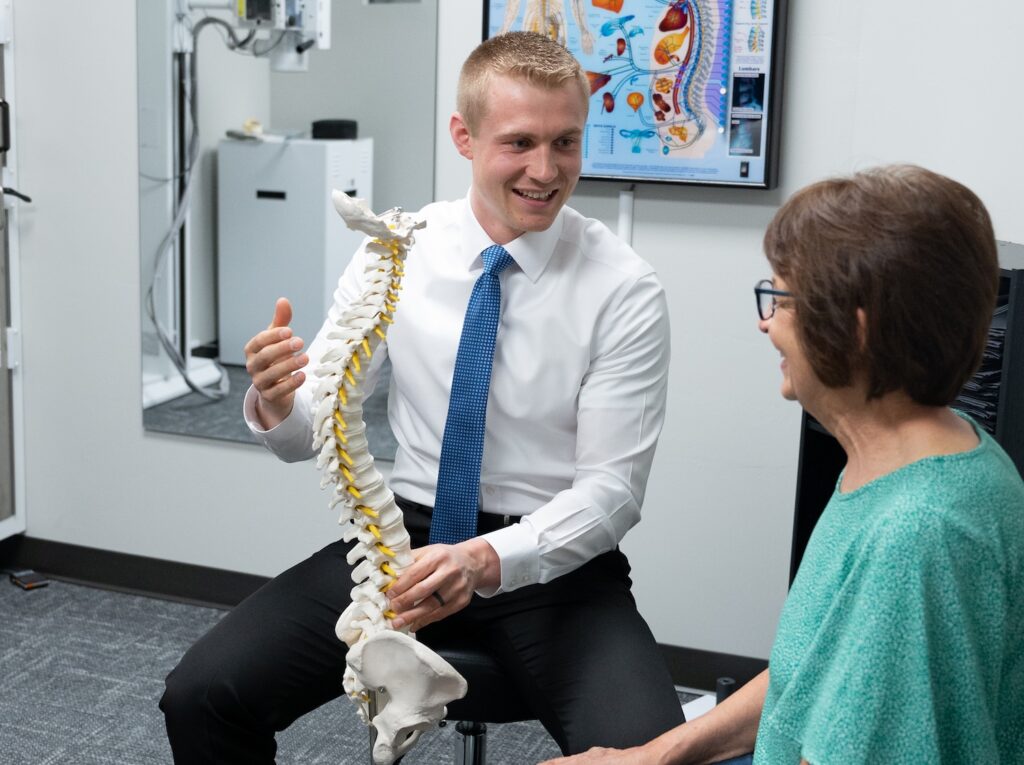
As a local chiropractor, I want to take a moment to educate you on the benefits of chiropractic care, especially for those struggling with lower back pain. Many people aren't aware that our primary focus is on the alignment of the spine, which plays a crucial role in enhancing overall health.
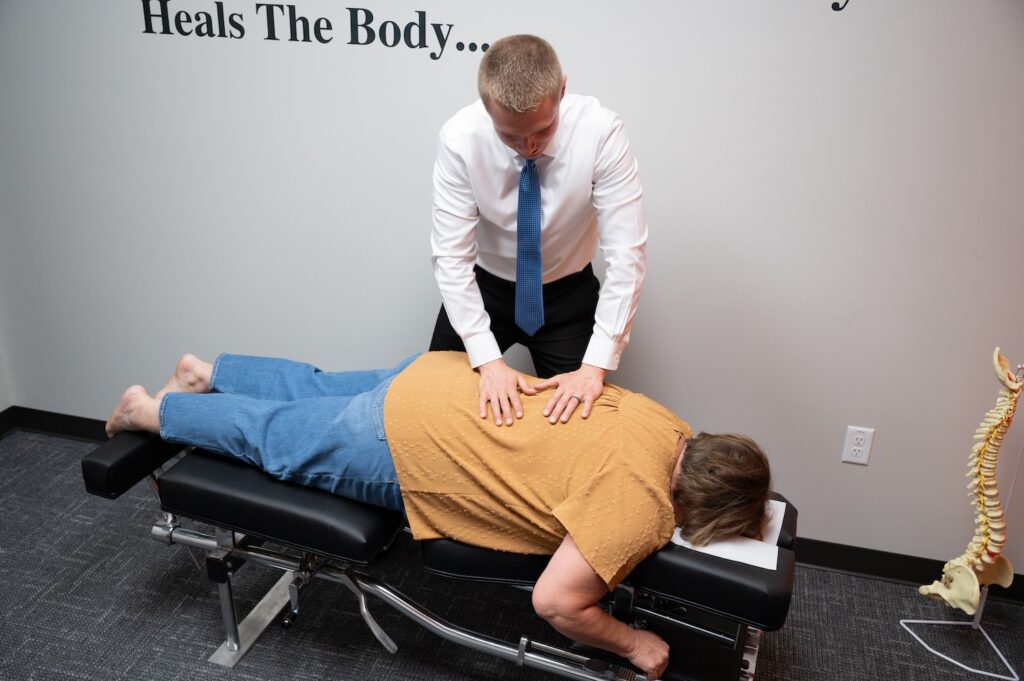
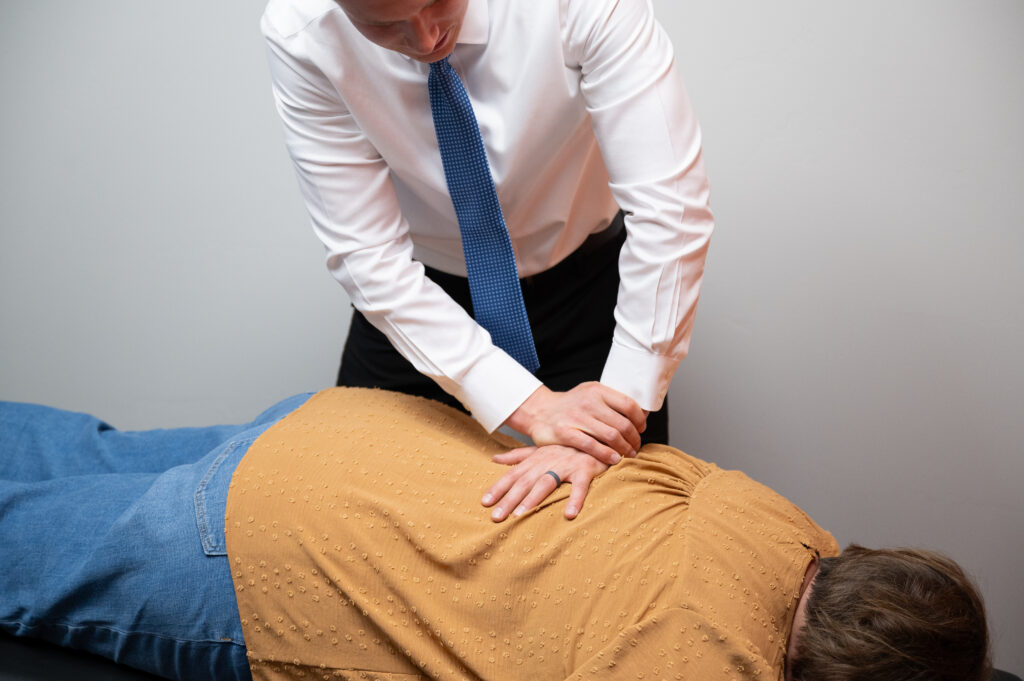
When you come in for treatment, I'll conduct a thorough assessment of your spine to identify any misalignments or subluxations that may be contributing to your discomfort. Through gentle spinal adjustments, my goal is to restore proper alignment. This can relieve pressure on the nerves and help reduce inflammation, leading to significant pain relief.
What you mightn't realize is that chiropractic care goes beyond just providing quick fixes; it emphasizes long-term wellness and prevention. When your spine is properly aligned, you may notice improved mobility, better posture, and enhanced overall functionality. These improvements can encourage a more active lifestyle, especially if your back pain has previously held you back.
During your visits, I'll use a variety of techniques tailored to meet your individual needs. This may include manual adjustments, alongside methods like mobilization or soft tissue therapy. Additionally, I'll provide you with useful advice on exercises and stretches designed to strengthen your back and prevent future issues.
Many of my patients report feeling immediate relief after their first session. However, it's essential to understand that committing to a comprehensive treatment plan that may last several weeks is crucial for achieving lasting results. Consistency is key.
As you progress with chiropractic care, you'll likely notice not only a reduction in your lower back pain but also an overall improvement in your well-being. If you're experiencing lower back pain, I encourage you to consider chiropractic care as a natural and effective option for healing.
Massage Therapy
As a local chiropractor, I want to share how massage therapy can be an effective method for alleviating lower back pain.
By utilizing different techniques, we can help you discover the best approach to relieve your discomfort and encourage relaxation.
It's important to understand the frequency and duration of massage sessions to fully benefit from this natural healing practice.
Integrating chiropractic care with massage therapy can enhance your overall wellness and support your body's natural healing processes.
Benefits of Massage Therapy
As a local chiropractor, I want to share with you the incredible benefits of massage therapy, especially if you're dealing with lower back pain. This hands-on technique isn't just about relaxation; it's a powerful tool that can help alleviate muscle tension, enhance circulation, and promote a deep sense of relaxation.
Many of my patients have reported reduced pain and improved mobility after incorporating massage therapy into their wellness routine.
One of the remarkable aspects of massage therapy is its ability to stimulate the release of endorphins, which are your body's natural painkillers. This surge of endorphins can help foster a sense of well-being, making it easier to manage discomfort.
Furthermore, massage can assist in breaking down adhesions in the muscle tissue, which could be contributing to your pain.
In addition to pain relief, regular massage therapy sessions can significantly enhance your overall quality of life. Many patients experience reduced stress levels and better sleep patterns, which are essential components of holistic health.
By integrating massage therapy into your pain management plan, you're not just targeting the symptoms; you're making a valuable investment in your long-term health and well-being.
Massage therapy can also work synergistically with other treatment options, such as chiropractic adjustments or physical therapy. Together, these approaches can create a comprehensive strategy for healing.
Techniques for Pain Relief
As a local chiropractor, I often see patients struggling with lower back pain, and I want to share some valuable techniques that can provide relief.
One effective option is deep tissue massage, which targets the deeper layers of muscle and connective tissue. This approach uses firm pressure on specific areas to help release tension and alleviate pain, making it a great complement to chiropractic adjustments.
Another technique to consider is Swedish massage, renowned for its gentle strokes. This method promotes relaxation and improves circulation, helping to ease muscle tension and enhance your overall well-being.
Additionally, trigger point therapy can be very beneficial. By focusing on specific tight spots in your muscles, this technique helps release knots that contribute to discomfort.
If you're looking for a more holistic approach, Shiatsu massage is an excellent choice. It combines gentle pressure with stretching to help balance the energy flow in your body.
Don't overlook the benefits of myofascial release, which targets the fascia—the connective tissue surrounding your muscles. This technique can be instrumental in relieving tension and improving mobility.
Lastly, hot stone massage can provide soothing warmth to tight muscles, further promoting relaxation and pain relief.
I encourage you to experiment with these techniques to discover which ones resonate with you. Finding the right massage therapy can significantly improve your lower back pain, and when combined with chiropractic care, it can enhance your healing journey.
Frequency and Duration
As a local chiropractor, I want to share some important insights about the frequency and duration of massage therapy sessions, especially if you're dealing with chronic lower back pain. Finding the right approach is key to maximizing the benefits of your treatments.
For optimal results, I generally recommend scheduling massage therapy sessions twice a week. This frequency helps keep your muscles relaxed and prevents stiffness from creeping back in, which is particularly important for those suffering from chronic pain. If you're experiencing acute pain, you might find it beneficial to increase your sessions to three times a week until you start feeling some relief.
In terms of session length, aim for 30 to 60 minutes each time. This duration allows your therapist to effectively target the areas that need attention without overwhelming your muscles. If you're new to massage therapy, it's wise to start with shorter sessions and gradually extend the time as your body becomes accustomed to the treatment.
It's also crucial to listen to your body throughout this process. If you notice significant relief after a few sessions, you may be able to reduce the frequency to once a week for maintenance. However, if you're not experiencing the results you're hoping for, don't hesitate to reach out to your massage therapist. They can adjust the frequency or technique to better suit your individual needs.
Ultimately, your journey to effective lower back pain relief is a collaborative one. By communicating openly with your therapist and tuning into your body's signals, you can find the right balance of massage therapy and chiropractic care that works best for you.
Acupuncture
As a local chiropractor, I want to share with you how acupuncture can be an effective tool in managing lower back pain, alongside our chiropractic care. This ancient practice, which originates from Traditional Chinese Medicine, focuses on stimulating specific points on the body to promote healing and balance. Acupuncture involves the insertion of thin needles into designated acupuncture points, which correspond to various organs and systems in your body.
When you consider acupuncture as part of your treatment for lower back pain, it's essential to work with a licensed acupuncturist who'll evaluate your condition and create a tailored treatment plan. You may feel a slight prick when the needles are inserted, but most patients experience minimal discomfort. Many people also report a profound sense of relaxation during their sessions as their body begins to respond positively to the treatment.
Research indicates that acupuncture can be highly effective in alleviating lower back pain. Many patients notice a significant reduction in discomfort and an improvement in mobility after only a few sessions. This treatment can help decrease inflammation, enhance circulation, and stimulate the release of endorphins—your body's natural pain relievers.
As you explore acupuncture, I encourage you to communicate openly with your acupuncturist about your pain levels and any other symptoms you might be experiencing. This dialogue is crucial, as it allows them to adjust the treatment for optimal results.
Integrating acupuncture into your overall pain management strategy can be a holistic approach. It works well in conjunction with chiropractic care and other lifestyle modifications, providing you with a comprehensive plan for relief.
If you're interested in exploring acupuncture, I recommend discussing it with your healthcare provider to ensure it aligns with your specific needs and goals. Together, we can work towards achieving better health and wellness for you.
Medications
As a local chiropractor, I want to help you understand that managing lower back pain can often be achieved through natural healing methods, including chiropractic care.
While medications, both over-the-counter and prescription, can provide temporary relief, they may not address the underlying issues causing your discomfort.
Chiropractic care focuses on restoring proper alignment and function to your spine, which can lead to long-lasting relief from pain.
I encourage you to explore these natural options alongside any medications you may be considering.
Let's work together to find the best approach for your individual needs and help you achieve optimal health without solely relying on medications.
Over-the-Counter Options
As a local chiropractor, I want to help you understand how over-the-counter (OTC) medications can play a role in managing lower back pain, especially if you're new to chiropractic care and natural healing. OTC options can provide quick relief and enhance your daily comfort.
Common choices include nonsteroidal anti-inflammatory drugs (NSAIDs) such as ibuprofen and naproxen. These medications are effective at reducing inflammation and alleviating pain, making them a go-to for many individuals who are seeking relief.
Another option to consider is acetaminophen. While it can help with pain relief, it's important to note that it doesn't address inflammation like NSAIDs do. If you have sensitivities or concerns about specific medications, I encourage you to read the labels carefully and consult with a healthcare professional to ensure you choose the right option for your circumstances.
In addition to oral medications, topical treatments like creams and patches containing menthol or capsaicin offer localized relief. These can be directly applied to the affected area, providing a soothing sensation that can help ease tension and discomfort.
It's essential to follow the recommended dosages and be mindful of potential side effects. If your pain continues or worsens, please seek advice from a healthcare provider.
While OTC medications can be a helpful first step in managing lower back pain, remember that they're just one part of a comprehensive approach to healing. Chiropractic care focuses on addressing the root causes of pain and can work alongside these treatments to promote long-term wellness.
I'm here to support you on your journey to better health!
Prescription Pain Relievers
As a local chiropractor, I want to help you understand how to manage lower back pain effectively, especially if you're not familiar with chiropractic care and natural healing methods.
While prescription pain relievers can provide temporary relief, they often come with risks and aren't always the best long-term solution.
Many individuals turn to prescription medications, which typically fall into two categories: opioids and non-opioid pain relievers.
Opioids, like oxycodone and hydrocodone, are powerful but can lead to addiction and have various side effects. They're generally prescribed for severe pain and for short durations, which can often leave patients looking for more sustainable relief.
On the other hand, non-opioid options, such as muscle relaxants or anti-inflammatory medications, can be helpful. However, relying solely on these medications may not address the root cause of your pain.
As a chiropractor, I believe in taking a holistic approach to pain management. Techniques like spinal adjustments, physical therapy, and lifestyle changes can often provide longer-lasting relief by addressing the underlying issues contributing to your discomfort.
It's crucial to work closely with your healthcare provider and discuss your treatment options. While medications may play a role in your pain management plan, integrating chiropractic care can help reduce reliance on pharmaceuticals.
Natural healing methods not only focus on alleviating pain but also on promoting overall wellness.
If you're experiencing lower back pain, I encourage you to explore chiropractic care as part of your journey toward recovery.
Remember, finding the right combination of treatments tailored to your unique needs is essential for effective and safe pain management.
Always feel free to reach out with any questions or concerns about your treatment plan.
Heat and Cold Therapy
As a local chiropractor, I want to share some valuable insights about heat and cold therapy for relieving lower back pain. Many of my patients have seen significant improvements in their discomfort by using these simple techniques to ease muscle tension and reduce inflammation.
When you apply heat to the affected area, it enhances blood circulation, which helps to relax tight muscles and improve overall flexibility. You can utilize a heating pad, a warm towel, or even indulge in a hot bath for these benefits. Just remember to limit your heat application to about 15-20 minutes at a time to prevent overheating your skin.
Conversely, cold therapy can be incredibly effective in numbing the pain and reducing swelling. For this, ice packs or even a bag of frozen peas wrapped in a towel can work wonders. Applying cold for 15-20 minutes can help alleviate inflammation and provide immediate pain relief, particularly useful during the first 48 hours following an injury or flare-up.
It's essential to know when to implement each method. If your back pain arises from a recent injury, cold therapy is your best ally. Conversely, if you're dealing with muscle stiffness or chronic discomfort, heat therapy might be more beneficial.
Additionally, alternating between heat and cold can offer a comprehensive approach to managing your pain. Always listen to your body and give it time to respond after each treatment. Pay attention to how your back feels and adjust your approach as needed.
Whether you opt for heat, cold, or a combination of both, these therapies can be a straightforward yet effective way to manage your lower back pain naturally. If you have any questions or need further guidance, feel free to ask during your next visit!
Exercise and Stretching
As a local chiropractor, I want to share some valuable insights on relieving lower back pain through natural methods.
One of the most effective approaches is to focus on building core strength and incorporating proper stretching techniques into your daily routine. A strong core plays a crucial role in stabilizing your spine, which can alleviate discomfort and prevent future issues.
Meanwhile, stretching is essential for maintaining flexibility and reducing muscle tension in the back. By integrating these practices into your lifestyle, you can experience significant improvements in your overall well-being and comfort.
Let's work together to explore how these natural solutions can enhance your health and quality of life.
Importance of Core Strength
As a local chiropractor, I want to emphasize the critical role that core strength plays in your overall health and well-being, particularly when it comes to alleviating lower back pain.
Many people may not realize that your core is more than just your abdominal muscles; it encompasses your hips, back, and pelvic floor as well. When these muscles work together effectively, they provide essential support to your spine, which can significantly reduce strain and help prevent injuries.
Incorporating core-strengthening exercises into your routine is a powerful way to improve not only your posture but also your balance. It's essential to engage all areas of your core, including the rectus abdominis, obliques, and transverse abdominis.
I often recommend exercises such as planks, bridges, and bird-dogs, which can help you build the strength needed to support your spine and enhance your overall stability.
A strong core doesn't just benefit your workouts; it also makes daily activities much easier and safer. With a well-developed core, you'll find that bending, lifting, and even sitting for extended periods become more manageable, minimizing the risk of straining your lower back.
Effective Stretching Techniques
As a local chiropractor, I want to emphasize the importance of stretching as a fundamental part of your wellness routine, particularly for those suffering from lower back pain. Incorporating effective stretching techniques can significantly improve your flexibility, relieve tension, and promote better blood circulation in your lower back.
One gentle stretch I recommend is the cat-cow stretch. To perform this, get on your hands and knees, and alternate between arching your back upward and rounding it downward. This simple movement is excellent for mobilizing your spine and can provide immediate relief.
Another great option is the child's pose. Begin by kneeling on the floor, sitting back on your heels, and extending your arms forward. This position offers a profound stretch for your lower back and hips, helping to alleviate tightness.
Don't overlook the seated forward bend either. Sit with your legs extended in front of you, and slowly reach towards your toes. Holding this stretch for 15-30 seconds while taking deep breaths can enhance your flexibility and comfort.
Integrating these stretches into your daily routine can significantly reduce discomfort and improve your overall well-being. I encourage you to aim for stretching at least three times a week, gradually increasing the duration as your body becomes accustomed to the movements.
Always listen to your body and avoid pushing yourself into pain. With consistent practice, you'll likely experience relief and improved mobility in your lower back, enhancing your overall quality of life.
Yoga and Pilates
As a local chiropractor, I often recommend complementary practices like Yoga and Pilates for my patients seeking relief from lower back pain. These low-impact methods focus on strengthening and stretching the muscles that support your spine, ultimately enhancing your posture and flexibility. By integrating these exercises into your routine, you can experience significant improvements in your back health.
Here are four key benefits of practicing Yoga and Pilates for alleviating lower back pain:
- Improved Flexibility: Engaging in regular Yoga and Pilates sessions can boost your overall flexibility. This increased flexibility helps to alleviate tension in your lower back, promoting a greater range of motion and reducing discomfort.
- Strengthened Core Muscles: Both practices place a strong emphasis on core strength, which is vital for stabilizing your spine. A robust core minimizes pressure on your lower back during everyday activities, which can lead to less pain and more comfort.
- Enhanced Posture: Yoga and Pilates teach you the importance of alignment and body awareness. By learning to maintain proper posture, you can significantly reduce strain on your lower back, thereby preventing further issues and discomfort.
- Stress Reduction: Although primarily physical, these practices also promote relaxation and mindfulness. Reducing stress can alleviate tension-related back problems, allowing you to move more freely and comfortably.
Incorporating Yoga and Pilates into your wellness routine not only boosts your physical capabilities but also addresses the underlying causes of your lower back pain.
By committing to these practices alongside your chiropractic care, you're likely to experience relief, improved mobility, and a healthier back overall.
Mindfulness and Relaxation
As a local chiropractor, I want to share some valuable insights on how mindfulness and relaxation techniques can significantly benefit those of you experiencing lower back pain. Many individuals may not realize that integrating these practices into your daily life can help alleviate stress and tension, which often play a pivotal role in exacerbating discomfort in the lower back.
Mindfulness, at its core, is about being present in the moment. By honing in on your body and its sensations, you can gain a deeper understanding of what might be triggering your pain. This awareness is crucial in managing your discomfort and can complement the chiropractic care you receive.
One of the most effective mindfulness techniques I recommend is deep breathing. By taking slow, deep breaths, you activate your body's natural relaxation response. This can help to ease muscle tension and cultivate a sense of calm.
I encourage you to find a quiet place, sit in a comfortable position, and practice deep breathing—inhale through your nose and exhale through your mouth. Aiming for five to ten minutes of this practice daily can make a noticeable difference.
Another technique worth incorporating is progressive muscle relaxation. This involves systematically tensing and then relaxing various muscle groups in your body, starting from your toes and moving up to your head. As you release the tension, you may find significant relief in your lower back, enhancing the benefits of the adjustments you receive in our office.
Additionally, mindfulness meditation can be incredibly advantageous. Spend a few minutes each day focusing on your breath or visualizing a serene scene. This not only serves as a distraction from pain but can also help foster a more positive and resilient mindset.
Incorporating these mindfulness and relaxation techniques alongside your chiropractic care can lead to a holistic approach to managing lower back pain. I'm here to guide you on this journey toward better health and well-being.
Surgical Options
As a local chiropractor, I often see patients who are dealing with lower back pain. While techniques like mindfulness and relaxation can certainly provide relief, there are times when conservative methods alone may not be enough.
If you've explored various treatments and still find yourself struggling, it's crucial to consider all your options, including surgical procedures, but let's first focus on the natural healing methods we can explore together.
Chiropractic care aims to address the root causes of lower back pain through non-invasive techniques. We can work on improving spinal alignment, enhancing mobility, and reducing inflammation, often leading to significant pain relief without surgery.
Here are a few common chiropractic approaches that can be beneficial:
- Spinal Manipulation: This hands-on technique helps realign the vertebrae in your spine, which can decrease pain and improve function. It's a cornerstone of chiropractic care and can lead to both immediate and long-term relief for many patients.
- Therapeutic Exercises: I often guide patients through specific exercises tailored to strengthen the muscles supporting the spine. This not only helps alleviate pain but also prevents future issues.
- Soft Tissue Therapy: Techniques like massage and myofascial release can help reduce muscle tension and improve blood flow, which may contribute to your overall recovery.
- Lifestyle and Ergonomic Advice: Sometimes, simple changes in your daily routine or work environment can greatly reduce strain on your back. I can provide guidance on proper posture and body mechanics.
Before considering surgery, I encourage you to explore these natural healing methods. Together, we can assess your condition and work on a personalized plan that prioritizes your health and well-being.
Conclusion
As a local chiropractor dedicated to helping you understand your health, I want to emphasize that finding relief from lower back pain often involves a holistic approach tailored specifically to your needs. Chiropractic care is one of several effective treatments that can help alleviate pain and promote overall well-being.
In addition to chiropractic adjustments, incorporating massage therapy, mindfulness techniques, and regular exercise into your routine can significantly enhance your recovery. Stretching is also essential; it helps maintain flexibility and prevent future pain. For some cases, surgical options may be necessary, but we always explore non-invasive treatments first.
It's vital to stay proactive about your health and to explore these various options. By taking charge of your back health today, you can pave the way for a more comfortable and active lifestyle. If you have questions about how chiropractic care can benefit you, I'm here to help guide you on your journey to wellness.