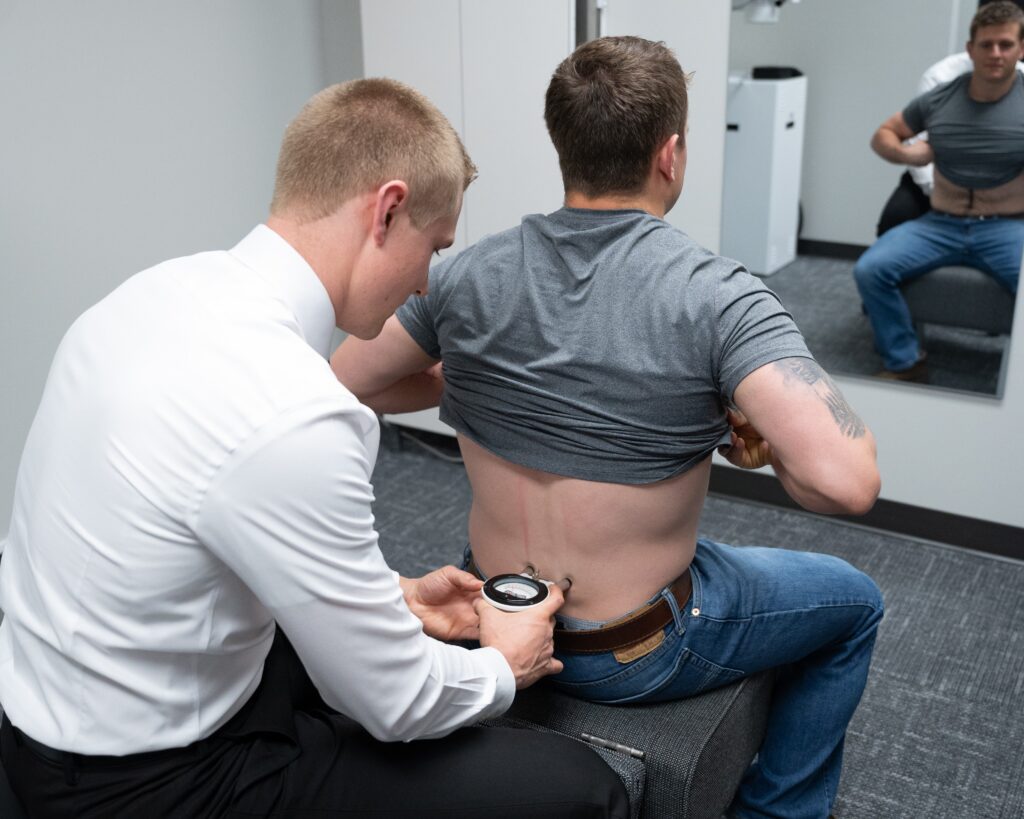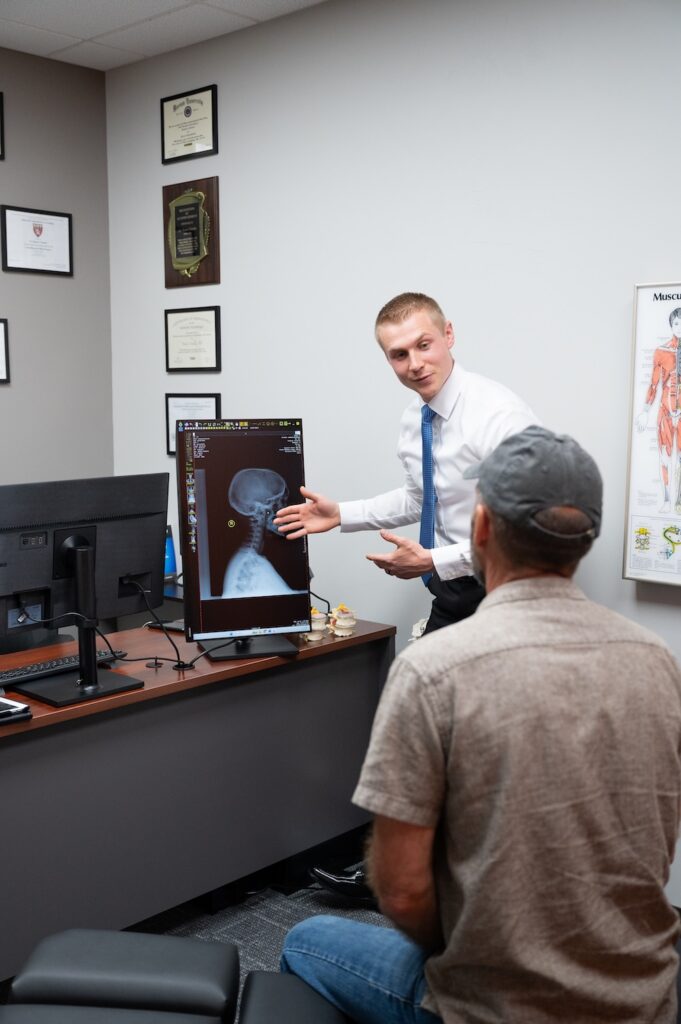

As a local chiropractor dedicated to helping you recover from sports injuries, I want to share some valuable insights about effective chiropractic techniques that can facilitate your healing journey. Understanding these methods can make a significant difference in your recovery process.
One of the most well-known techniques is spinal adjustments, which help realign your spine and improve overall function. This can relieve pain and enhance mobility, allowing you to get back to your favorite activities more quickly. Alongside adjustments, I often utilize soft tissue therapy, which focuses on relieving tension in your muscles and fascia, promoting better blood flow and healing.
Another technique I find particularly effective is Active Release Techniques (ART). This method specifically addresses muscle tension and restrictions, helping to restore optimal movement patterns. Additionally, kinesiology taping can provide crucial support during your recovery, helping to stabilize injured areas while allowing for a full range of motion.
Each of these techniques not only aids in your recovery but also plays a vital role in preventing future injuries. If you're curious about how we can combine these approaches to optimize your performance and well-being, I invite you to reach out. Together, we can create a personalized plan that fits your needs!
Spinal Adjustments
As a local chiropractor, I want to share the vital role spinal adjustments play in your recovery from sports injuries. When you sustain a sports-related injury, it's crucial to not only address the pain but also to identify and correct the underlying issues within your spine. Misalignments in your vertebrae can cause nerve interference, which may slow down your body's natural healing process.
By performing spinal adjustments, we can realign those vertebrae and restore proper function to your nervous system, facilitating more effective healing.
During your chiropractic session, I'll carefully assess your spine to pinpoint any areas that need adjustment. Using precise and controlled movements, I'll realign your vertebrae to alleviate pressure on your nerves and improve your mobility. This process is essential, as it can help reduce inflammation, increase blood flow, and enhance your range of motion—all crucial elements for a successful recovery.
You may notice that spinal adjustments not only relieve localized pain but also alleviate discomfort in other areas of your body, such as your shoulders or hips. This holistic approach ensures that your entire musculoskeletal system is working in harmony, which is particularly important for athletes who depend on their bodies to perform at their best.
Incorporating spinal adjustments into your recovery plan is also a proactive strategy for preventing future injuries. By maintaining proper spinal alignment, you'll better equip your body to handle the physical demands of your sport.
This approach allows you to remain active, competitive, and injury-free, ultimately boosting your overall performance. So, I encourage you to consider spinal adjustments as an essential component of your sports injury recovery strategy. Together, we can work towards a healthier, more resilient you.
Soft Tissue Therapy
As a local chiropractor, I want to emphasize the crucial role of soft tissue therapy in your recovery journey, especially after addressing any spinal misalignments. Many people may not realize that the muscles and connective tissues surrounding your joints are just as important as the spine itself.
Soft tissue therapy is a natural approach that can help alleviate pain, enhance flexibility, and improve your overall function. This therapy focuses on the various components of your soft tissues, including muscles, tendons, ligaments, and fascia. These areas can often become tight or injured, particularly if you lead an active lifestyle or participate in sports.
You may have heard of techniques like massage, myofascial release, and trigger point therapy. Each of these methods is designed to help break down scar tissue, boost blood circulation, and promote healing in the affected areas.
When your soft tissues are healthy, they can provide better support for your joints and spine, which is essential for optimal athletic performance. During your visits, I'll assess the condition of your soft tissues and develop a personalized treatment plan tailored to your specific needs.
Using varying pressure and techniques, I'll work to release tension and restore balance to your body. While you might experience some discomfort during the process, this is often an indication that the therapy is effectively targeting the problem areas.
Incorporating soft tissue therapy into your overall recovery plan is also a proactive measure to prevent future injuries. By maintaining the health of your soft tissues, you can enhance your range of motion and significantly reduce the risk of strains or sprains.
Whether you're recovering from an injury or simply looking to improve your performance, I encourage you to consider the importance of soft tissue therapy. It's an essential part of a comprehensive approach to sports injury recovery and can greatly benefit your overall well-being.
Active Release Techniques
Active Release Techniques (ART) are an incredibly effective approach I use in my chiropractic practice to help patients recover from soft tissue injuries and enhance athletic performance. If you're unfamiliar with ART, it's a hands-on therapy that focuses on relieving tension in your muscles, tendons, ligaments, and fascia. If you've been struggling with persistent pain or tightness, ART may be just what you need to restore your range of motion and alleviate discomfort.
During an ART session, I'll take the time to evaluate your specific concerns and apply targeted pressure to the areas that are causing you issues. I'll also guide you through specific movements that help us pinpoint adhesions, scar tissue, and other restrictions that may be affecting your performance. By addressing these adhesions, ART promotes better blood flow and faster healing, helping you recover more quickly from injuries.
One of the standout advantages of ART is its adaptability. Whether you're a weekend warrior or a professional athlete, this technique can be tailored to fit your individual needs. Not only does ART effectively address current injuries, but it also plays a crucial role in preventing future problems by improving your overall muscle function and flexibility.
Integrating ART into your recovery plan can significantly reduce your downtime from sports-related injuries. It empowers you to perform at your best by optimizing how your body moves.
If you're serious about enhancing your athletic performance and are eager to get back to the activities you love, I encourage you to schedule a session with a certified ART practitioner. You'll likely be amazed at the positive impact it can have on your recovery journey.
Kinesiology Taping
As a local chiropractor, I want to introduce you to an effective technique known as kinesiology taping, which has become increasingly popular among athletes and fitness enthusiasts alike. This method involves the application of elastic therapeutic tape directly to the skin, and it serves multiple purposes, including providing support, alleviating pain, and enhancing mobility.
You may have noticed athletes wearing colorful strips of tape during games or competitions, and there's a good reason for this. Kinesiology tape is designed to mimic the elasticity of human skin, which allows for natural movement while still supporting injured or fatigued muscles and joints.
When kinesiology tape is applied, it creates a gentle lifting effect on the skin. This action can help reduce swelling and inflammation, which often leads to less pain and improved blood circulation—key components in the recovery process. The tape can be applied in various ways to target specific areas of concern, such as the knees, shoulders, or lower back.
It's particularly beneficial for those dealing with chronic pain or for those who want additional support during rigorous training sessions.
You might be surprised to learn that you don't have to be a professional athlete to take advantage of kinesiology taping. Whether you're a casual weekend warrior or someone getting back into a fitness routine, this technique can help you stay active while you heal. Many people find that they can learn to apply the tape themselves, making it a convenient option for immediate relief.
Incorporating kinesiology taping into your recovery regimen can significantly enhance your overall performance and well-being. However, I always recommend consulting with a qualified chiropractor or physical therapist. They can guide you in using the right techniques tailored to your specific needs, ensuring you get the most benefit from this innovative approach to natural healing.
Rehabilitation Exercises
As a local chiropractor, I understand that many of you may not be familiar with the role of rehabilitation exercises in your recovery journey from sports injuries. It's important to know that these exercises are a crucial part of healing, helping you regain both strength and mobility.
When you experience an injury, your body requires time to heal, but that doesn't mean you need to remain inactive. Engaging in specific, targeted exercises can significantly expedite your recovery and help prevent future injuries.
I often create personalized rehabilitation programs tailored to your individual needs, which is key to a successful recovery. These programs typically focus on three main areas: stretching, strengthening, and stabilization.
For example, if you've hurt your ankle, we might incorporate flexibility and balance exercises into your routine. Simple movements, such as toe raises or ankle circles, can have a profound impact on your healing process.
Strength training is another essential component of rehabilitation. It helps rebuild the muscles that support the injured area, ensuring that you not only regain strength but also build resilience to further injuries. As you progress, we may introduce resistance bands or light weights to your exercises.
Additionally, I want to emphasize the importance of core stability in your recovery. A strong core serves as the foundation for all your movements, reducing the risk of re-injury. Exercises such as planks and bridges are effective for enhancing core strength and stability.
Remember, your body is unique, and it's crucial to listen to it throughout this process. If something doesn't feel right, please communicate with me. I'm here to make adjustments to your program to ensure it remains safe and effective for you.
Conclusion
As a local chiropractor dedicated to helping you understand the benefits of chiropractic care, I want to share how incorporating some of our top techniques can significantly enhance your recovery from sports injuries. Techniques such as spinal adjustments, soft tissue therapy, Active Release Techniques, and kinesiology taping work in harmony to accelerate your healing process and minimize the risk of future injuries.
By taking a proactive approach and integrating rehabilitation exercises into your recovery plan, you not only speed up your healing but also can improve your overall athletic performance. My goal is to empower you to take control of your recovery journey, so you can return to the activities you love with confidence and strength. Remember, natural healing through chiropractic care can make a world of difference in your recovery!