
If you've ever experienced neck pain, you might wonder if non-surgical remedies could provide relief. Many people turn to physical therapy, chiropractic care, yoga, and mindfulness practices, each targeting the root causes of discomfort. These approaches not only aim to alleviate pain but also promote overall well-being. But do they really work? The effectiveness can vary based on individual circumstances and commitment to treatment. As you consider these options, it's worth exploring how each method might fit into your lifestyle and what benefits you could expect.
Understanding Neck Pain Causes
Neck pain can strike suddenly or develop gradually over time, often leaving you wondering what caused it. Understanding the root causes of your discomfort is vital for effective management. One common culprit is muscle strain, which can happen when you hold your neck in an awkward position for too long, like when you're hunched over your phone or computer.
Poor posture plays a significant role here, causing unnecessary tension in your neck and shoulders.
Another potential cause is injury. Whiplash from a car accident or a sports-related injury can lead to inflammation and pain. Even everyday activities like gardening or lifting heavy objects can result in neck strain.
If you've recently experienced a fall or a sudden movement, it's worth considering how it might've affected your neck.
Stress and tension can also manifest physically, leading to tightness in your neck muscles. If you often find yourself clenching your jaw or tensing your shoulders, it's no surprise that your neck may be feeling the effects.
Additionally, degenerative conditions like arthritis can contribute to chronic pain, particularly as you age.
Finally, underlying medical issues, such as herniated discs or spinal stenosis, might be the source of your neck pain. If your discomfort persists, it's important to consult a healthcare professional to identify the exact cause and explore appropriate treatment options.
Understanding these factors can empower you to take proactive steps toward relief.
Benefits of Physical Therapy
When you choose physical therapy for neck pain, you get a personalized treatment plan tailored to your specific needs.
This approach not only addresses the root cause of your discomfort but also equips you with effective pain management techniques.
You'll find that with the right guidance, you can regain mobility and reduce your pain considerably.
Personalized Treatment Plans
For those dealing with neck pain, personalized treatment plans, especially through physical therapy, can make a significant difference. Tailored approaches focus on your unique needs, guaranteeing you receive the most effective care.
Here are some key benefits of personalized treatment plans:
- Targeted Exercises: Physical therapists design specific exercises that strengthen the muscles around your neck, improving stability and reducing pain.
- Assessment of Posture: A customized plan evaluates your posture and helps correct any misalignments, which can be a major contributor to neck discomfort.
- Education and Techniques: Your therapist will educate you about proper body mechanics and ways to avoid aggravating your neck pain during daily activities.
- Progress Monitoring: Regular assessments allow your therapist to track your progress, adjusting the plan as needed to guarantee you're on the right path to recovery.
Pain Management Techniques
Building on the foundation of personalized treatment plans, pain management techniques offered through physical therapy play an essential role in alleviating neck discomfort.
You'll benefit from targeted exercises that strengthen the muscles supporting your neck, improving your posture and reducing strain. Your therapist may guide you through stretching routines designed to increase flexibility and decrease stiffness, allowing for better range of motion.
Moreover, physical therapists often utilize modalities like heat, ice, or ultrasound to provide immediate relief and promote healing. These techniques can reduce inflammation and improve circulation, making it easier for you to manage pain.
Manual therapy, including massage and joint mobilization, may also be incorporated to relieve tension and restore function.
As you engage in these therapies, you'll learn self-management strategies that empower you to take control of your neck pain. With the right guidance, you can develop a home exercise routine, ensuring long-term benefits and preventing future flare-ups.
Fundamentally, physical therapy offers a thorough approach to pain management, enabling you to regain mobility and enhance your quality of life.
Exploring Chiropractic Care
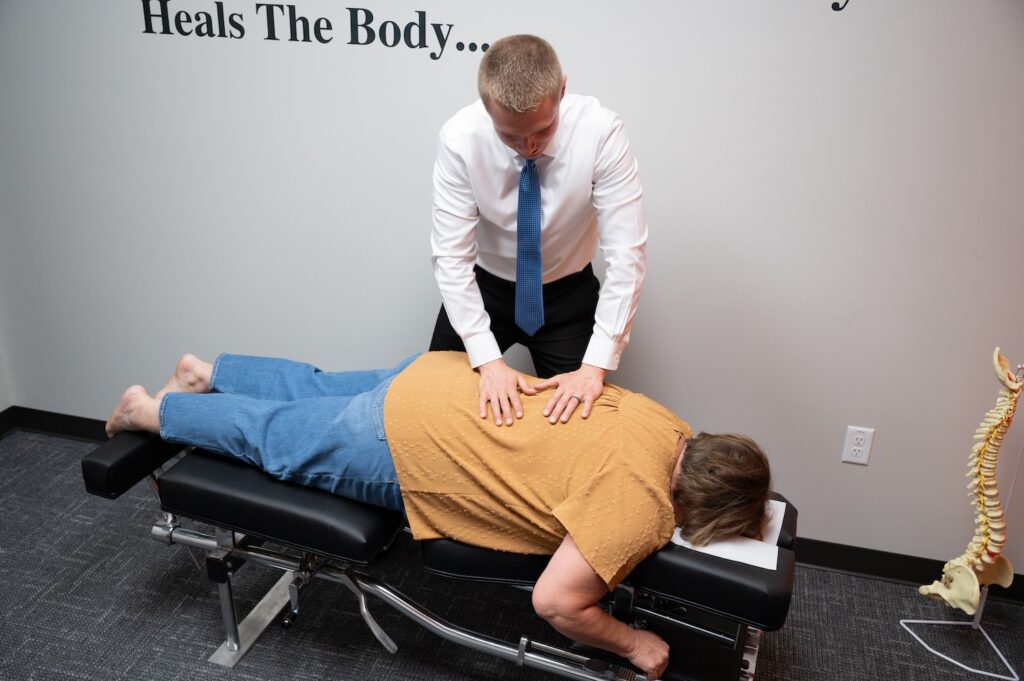
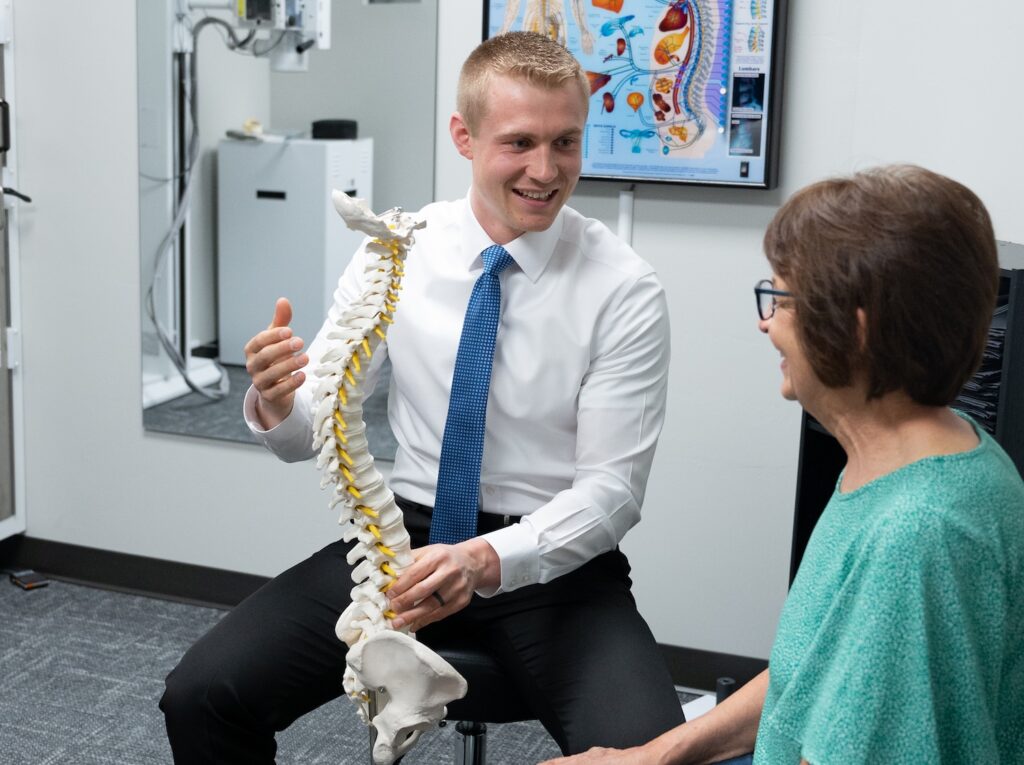
When you're struggling with neck pain, chiropractic care can offer significant relief.
Chiropractors use various techniques to adjust your spine and improve your overall mobility.
Let's explore how these adjustments can help you feel better and regain your range of motion.
Benefits of Chiropractic Adjustments
Chiropractic adjustments offer significant benefits for those dealing with neck pain, providing a non-invasive approach to relief. By focusing on the alignment of your spine and neck, chiropractic care can help restore proper function and alleviate discomfort.
Here are some key benefits you may experience:
- Pain Relief: Chiropractic adjustments can effectively reduce neck pain and stiffness, helping you regain mobility and comfort.
- Improved Range of Motion: Regular adjustments may enhance your neck's flexibility, allowing for smoother and more natural movements.
- Reduced Muscle Tension: By addressing misalignments, chiropractic care can help relax tight muscles, leading to less overall tension in your neck and shoulders.
- Enhanced Overall Health: Chiropractic adjustments can positively impact your nervous system, promoting better communication between your brain and body, which may contribute to improved overall health.
Incorporating chiropractic care into your pain management routine can be a game-changer.
Many people report lasting relief and a better quality of life after receiving adjustments. If you're seeking a natural method for alleviating neck pain, consider consulting a chiropractor to explore your options.
Techniques for Neck Pain
For effective management of neck pain, various chiropractic techniques can provide targeted relief and promote healing. One common method is spinal manipulation, where a chiropractor applies controlled force to specific joints in your neck. This can help improve your range of motion, reduce pain, and enhance overall spinal health.
Another technique is soft tissue therapy, which focuses on the muscles, tendons, and ligaments around your neck. By applying pressure and stretching, your chiropractor can alleviate muscle tension and improve circulation.
You might also benefit from cervical mobilization, a gentler approach that improves joint function without harsh adjustments.
Additionally, chiropractors often incorporate therapeutic exercises into your treatment plan. These exercises strengthen your neck muscles, improve posture, and prevent future pain. They may also recommend ergonomic adjustments to your workspace, helping you maintain a healthy posture throughout the day.
Finally, some chiropractors utilize complementary therapies like heat or cold therapy, ultrasound, or electrical stimulation to enhance healing. By exploring these techniques, you can find the right combination to effectively manage your neck pain and restore your comfort and mobility.
The Role of Yoga
Yoga serves as a powerful tool for alleviating neck pain, offering a blend of stretching, strengthening, and relaxation techniques. By incorporating specific postures and mindful movements, you can enhance your neck's flexibility and strength while reducing tension in the surrounding muscles.
Here are four key benefits of yoga for neck pain relief:
- Increased Flexibility: Many yoga poses promote greater range of motion in the neck and shoulders. This flexibility can help prevent stiffness and discomfort.
- Strengthening Muscles: Certain yoga postures target the muscles supporting the neck, improving their strength. A stronger neck can better support your head and reduce strain.
- Reduced Muscle Tension: Through deep stretching and controlled breathing, yoga helps release tightness in the neck and upper back. This relaxation can lead to a significant decrease in pain.
- Enhanced Posture: Practicing yoga encourages awareness of body alignment. Better posture reduces the risk of developing neck pain, especially if you spend long hours at a desk.
To get started, consider joining a local yoga class or following online tutorials tailored to neck pain.
Focus on poses like Cat-Cow, Child's Pose, and Neck Rolls. Remember to listen to your body and avoid pushing into discomfort.
With regular practice, you'll likely notice improvements in both your neck pain and overall well-being, making yoga a valuable addition to your self-care routine.
Mindfulness and Stress Reduction
Mindfulness practices can greatly enhance your efforts in managing neck pain, especially when combined with yoga. By focusing on the present moment, you can reduce stress and tension that often contribute to discomfort. Stress is a major culprit behind muscle tightness and can exacerbate your neck pain. Practicing mindfulness helps you become more aware of your body and its sensations, allowing you to identify areas of tension before they escalate.
You might start by incorporating simple mindfulness techniques into your daily routine. For example, you can take a few minutes each day to sit quietly and focus on your breath. Notice how each inhale fills your lungs and how each exhale releases tension. This practice not only calms your mind but also signals your body to relax, which can directly relieve neck pain.
Another effective method is body scanning, where you mentally check in with each part of your body, starting from your toes and moving up to your neck. As you do this, pay attention to any areas that feel tight or uncomfortable. Acknowledging these sensations can help you release built-up tension through mindful breathing.
Combining mindfulness with your yoga practice can amplify the benefits. As you move through poses, remain present and focused on your body's alignment and sensations. This heightened awareness fosters a deeper connection to your body, helping you manage your neck pain more effectively.
Embrace mindfulness, and you may discover a significant reduction in both stress and discomfort.
Lifestyle Changes for Relief
Making small lifestyle changes can greatly improve your neck pain relief. By making adjustments to your daily habits, you can reduce strain on your neck and promote overall well-being. Here are four effective changes you can implement:
1. Improve Your Posture: Pay attention to how you sit, stand, and sleep. Keeping your spine aligned and your head in a neutral position can greatly relieve neck discomfort.
Consider ergonomic furniture that supports good posture.
2. Take Regular Breaks: If you spend long hours at a desk or on your phone, set a timer to remind yourself to take breaks.
Stand up, stretch, and move around every 30 to 60 minutes. This prevents stiffness and reduces muscle fatigue.
3. Stay Hydrated: Drink plenty of water throughout the day.
Proper hydration helps maintain the elasticity of your spinal discs, which can alleviate pressure and reduce pain.
4. Incorporate Stretching and Strengthening Exercises: Gentle neck stretches can help maintain flexibility and relieve tension.
Strengthening your upper back and shoulders can provide better support for your neck, reducing the risk of strain.
Conclusion
Incorporating non-surgical remedies into your routine can make a real difference in relieving neck pain. By understanding the underlying causes and embracing physical therapy, chiropractic care, yoga, and mindfulness, you're taking proactive steps toward recovery. These holistic approaches not only target discomfort but also enhance your overall well-being. Don't underestimate the power of lifestyle changes—simple adjustments can lead to significant relief. Start exploring these options today, and you'll likely find the relief you've been searching for.