
If you're dealing with persistent neck pain, you might find yourself wondering if there are effective methods to relieve it. From simple stretching exercises to alternative therapies like acupuncture, various approaches could potentially ease your discomfort. Improving your posture and workspace ergonomics also plays an essential role in prevention. However, not every method works for everyone, and understanding the root causes of your pain is important before trying new techniques. So, what could be the key to finding relief that truly works for you?
Understanding Neck Pain Causes
Neck pain affects nearly two-thirds of adults at some point in their lives, and understanding its causes is key to finding relief. You might experience neck pain due to various factors, including poor posture, muscle strain, or underlying medical conditions. Recognizing these causes can help you address the issue more effectively.
One common cause is poor posture, especially if you spend long hours hunched over a desk or looking down at your phone. This position puts extra stress on your neck muscles and can lead to discomfort. If you notice that your neck pain worsens after extended periods in front of a screen, it's time to evaluate your posture and make adjustments.
Muscle strain is another frequent culprit. You might overexert yourself during physical activities or even sleep in an awkward position. Both scenarios can result in tightness and pain in your neck. Pay attention to how you're positioning your body during daily tasks and while sleeping—small changes can make a significant difference.
Additionally, conditions like herniated discs or arthritis can contribute to neck pain. These medical issues may require professional evaluation and treatment. If you suspect that an underlying condition is causing your pain, don't hesitate to consult a healthcare provider.
Stretching and Strengthening Exercises
Addressing the causes of neck pain is only part of the solution; incorporating stretching and strengthening exercises can greatly improve your situation.
These exercises not only help alleviate discomfort but also prevent future issues by enhancing flexibility and building strength in your neck and upper back muscles.
Here are some effective exercises you might consider:
- Neck Stretch: Gently tilt your head towards one shoulder, hold for 15-30 seconds, and switch sides. This can relieve tightness in the neck.
- Chin Tucks: Sit or stand up straight, pull your chin back towards your throat, and hold for 5 seconds. Repeat several times to strengthen the neck muscles.
- Shoulder Blade Squeeze: Sit up tall and squeeze your shoulder blades together for 5 seconds. This helps improve posture and reduces strain on the neck.
- Side Neck Stretch: While sitting, place your hand on the opposite side of your head and gently pull your head towards your shoulder. Hold for 15-30 seconds on each side.
- Wall Angels: Stand with your back against a wall, arms raised in a "Y" position. Slowly slide your arms down to a "W" while keeping your back against the wall. This exercise promotes shoulder mobility and neck alignment.
Incorporating these exercises into your routine can help you regain strength and flexibility, making a significant difference in your neck pain management.
Always consult a healthcare professional before starting any exercise program, especially if you have chronic pain.
Alternative Therapies for Relief
When traditional methods for relieving neck pain don't provide the desired results, alternative therapies can offer effective solutions. One popular option is acupuncture, which involves inserting thin needles into specific points on your body. This ancient practice can help alleviate pain by promoting blood flow and releasing endorphins, your body's natural painkillers. Many people find significant relief after just a few sessions.
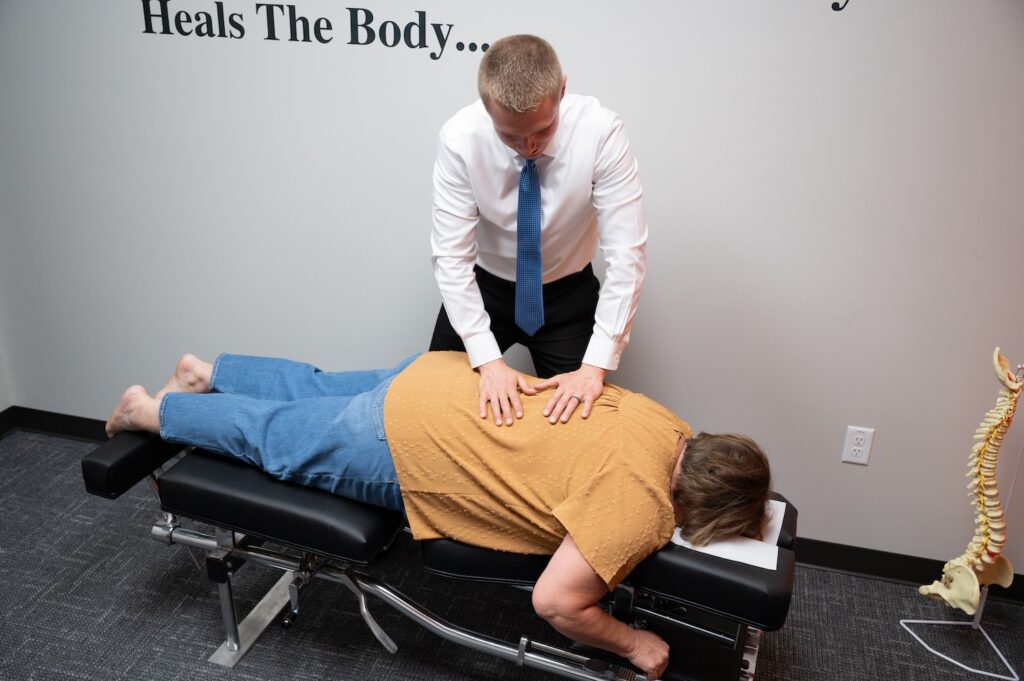
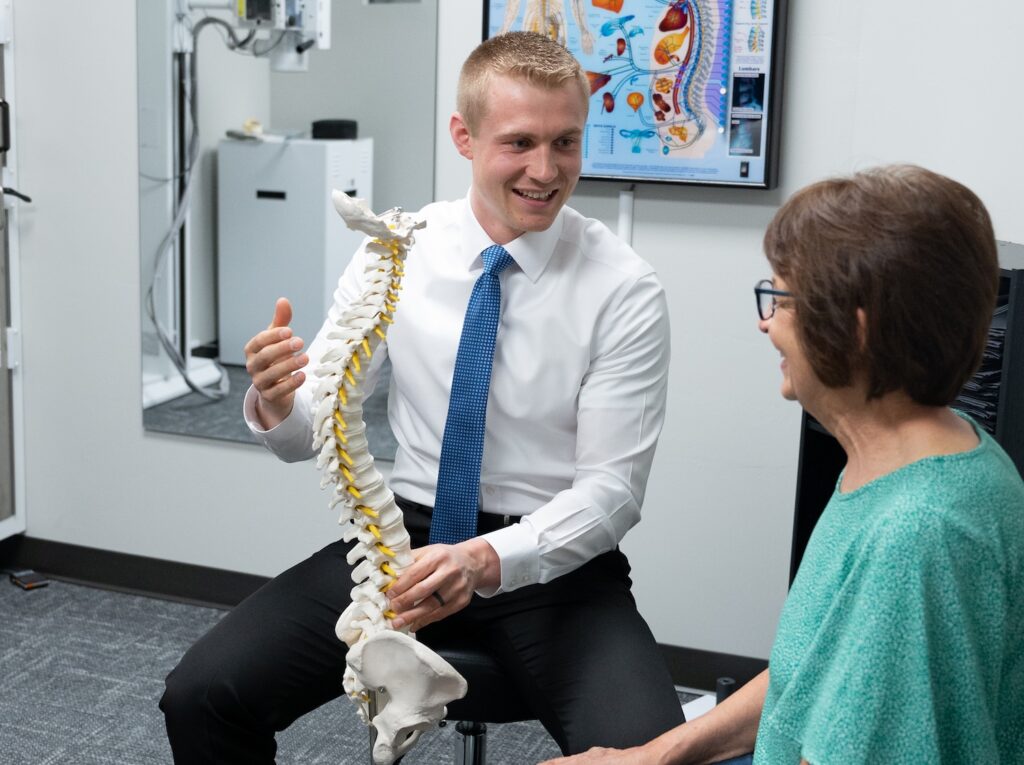
Chiropractic care is another alternative worth considering. Chiropractors use spinal manipulation techniques to realign your spine and relieve tension in your neck. If you're experiencing discomfort from muscle tightness or misalignment, a chiropractor might help restore balance and improve mobility.
Massage therapy is also an excellent way to ease neck pain. By targeting tight muscles and increasing circulation, massage can reduce tension and promote relaxation. You can choose from various styles, such as deep tissue or Swedish, depending on your preferences and pain level.
Herbal remedies, like turmeric and ginger, have anti-inflammatory properties that may help with pain relief as well. You can incorporate these into your diet or find them in supplement form. Always consult with a healthcare provider before trying new supplements.
Finally, mindfulness practices like yoga and meditation can be beneficial. They promote relaxation and can help you manage stress, which often exacerbates pain.
Exploring these alternative therapies may lead you to the relief you're seeking, allowing you to regain control over your neck pain.
Posture Improvement Techniques
Improving your posture can greatly reduce neck pain and prevent it from becoming a recurring issue. By adopting better habits in your daily routine, you can alleviate strain on your neck and promote overall comfort.
Here are some effective techniques to enhance your posture:
- Adjust your workspace: Make sure your computer screen is at eye level and your chair supports your lower back. Keep your feet flat on the ground and your knees at a right angle.
- Practice ergonomic sitting: Sit back in your chair, keeping your shoulders relaxed and your elbows close to your body. Avoid slumping or leaning forward.
- Strengthen your core: A strong core supports your spine. Engage in exercises like planks or bridges to build stability and balance.
- Take regular breaks: If you're sitting for long periods, stand up and stretch every 30 minutes. Simple neck rolls and shoulder shrugs can relieve tension.
- Be mindful of your phone use: When texting or using your phone, hold it at eye level to avoid tilting your head forward, which can strain your neck.
When to Seek Professional Help
Recognizing the signs that you need professional help for neck pain can be essential for your recovery. If your pain persists for more than a few days, it's a clear indication that you should consult a healthcare provider. Chronic pain can signal underlying issues that require attention, so don't ignore it.
You should also seek help if your neck pain is accompanied by other concerning symptoms. If you experience numbness, tingling, or weakness in your arms or hands, these could be signs of nerve compression or other serious conditions. Additionally, if you have difficulty moving your neck, or if the pain intensifies with certain movements, it's time to get professional advice.
If your neck pain follows an injury, such as a fall or an accident, don't delay in seeking medical attention. Injuries can lead to more severe complications if not treated promptly.
Also, keep an eye out for signs of infection, like fever or swelling, as these require urgent care.
Lastly, if over-the-counter pain relief methods aren't providing you with any relief after a week, don't hesitate to consult a professional. They can assess your condition and recommend appropriate treatment options.
Conclusion
Incorporating a mix of stretching, strengthening exercises, and alternative therapies can greatly reduce your neck pain. By improving your posture and being mindful of your workspace ergonomics, you'll take proactive steps toward relief. Remember, if your pain persists or worsens, don't hesitate to seek professional help. Addressing underlying issues is key to effective management. By taking these steps, you can regain comfort and mobility in your neck, leading to a healthier, more active lifestyle.