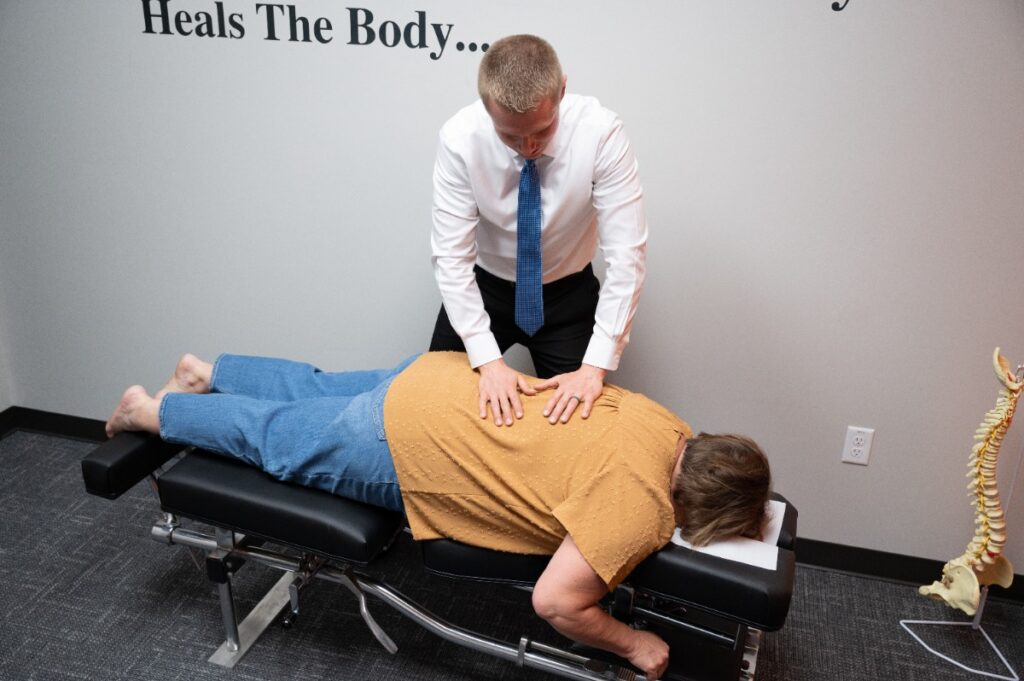
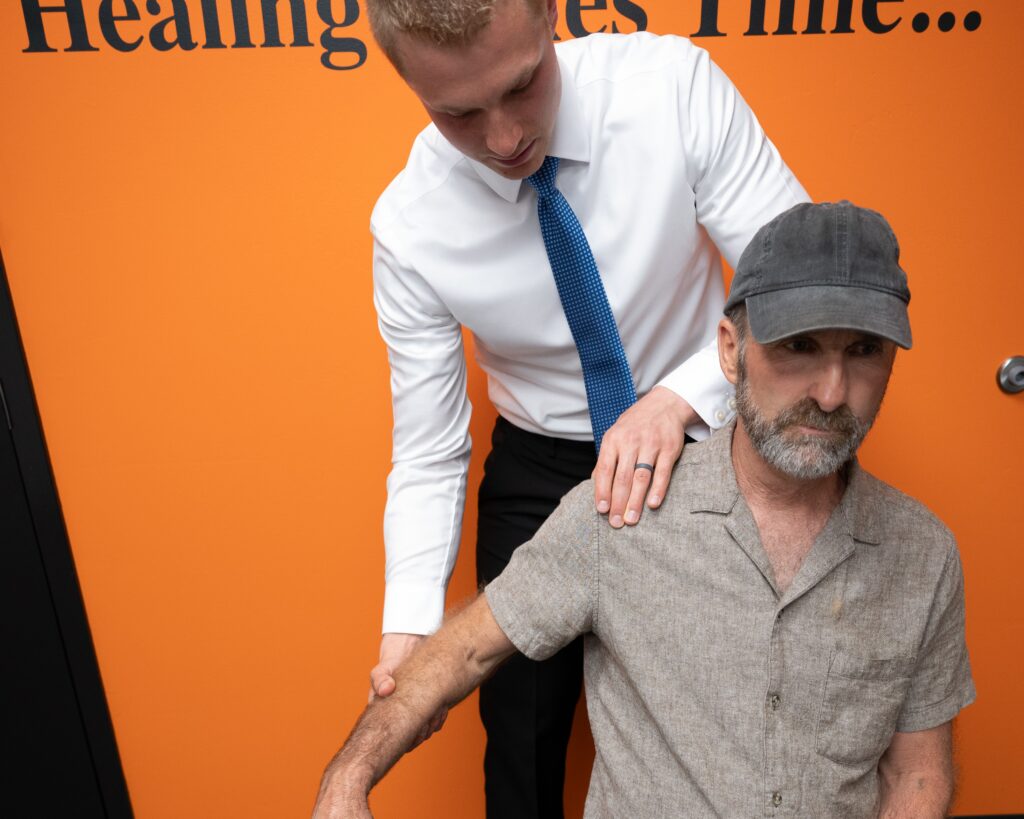
You might be surprised to learn just how many benefits non-invasive stress relief techniques can offer in your daily life. From enhancing mental clarity to fostering emotional stability, these methods have a way of transforming how you navigate stress. By engaging in practices like mindfulness and deep breathing, you could improve not only your mental state but also your physical health. As you explore these techniques, you'll likely uncover even more advantages that resonate with your personal and professional experiences. What might these revelations mean for your overall well-being?
Improved Mental Clarity
In today's fast-paced world, you often find your mind racing with thoughts and distractions. This constant mental chatter can cloud your judgment, making it difficult to focus on important tasks. Non-invasive stress relief techniques can help you regain that mental clarity you crave. By incorporating practices like mindfulness, deep breathing, or gentle movement, you can quiet your mind and sharpen your focus.
When you take a moment to engage in these stress relief methods, you're actively reducing the noise in your head. Mindfulness, for instance, encourages you to tune into the present moment, allowing your thoughts to settle. You'll notice that as you concentrate on your breathing or the sensations in your body, those racing thoughts begin to slow down, leading to greater clarity.
Deep breathing exercises can also work wonders. By inhaling deeply and exhaling slowly, you're sending a signal to your brain to relax. This simple act can clear away mental fog, enabling you to think more clearly and make better decisions.
Gentle movement, like yoga or tai chi, helps you connect with your body while also calming your mind. This connection fosters a sense of focus that enhances your mental clarity.
Incorporating these non-invasive stress relief techniques into your daily routine can transform your mental landscape. You'll find yourself making connections and solving problems more effectively, leading to a more productive and fulfilling life.
Enhanced Emotional Well-Being
Mental clarity not only sharpens your focus but also plays a significant role in enhancing your emotional well-being. When you feel calm and clear-headed, you're better equipped to handle life's ups and downs. Non-invasive stress relief techniques, like mindfulness meditation or deep breathing exercises, help you achieve that clarity, allowing your emotions to stabilize and promoting a more balanced state of mind.
You might notice that when you engage in these practices, you're less reactive to stressors. Instead of feeling overwhelmed, you respond with a sense of control, which boosts your confidence and resilience. This newfound emotional equilibrium can lead to improved relationships; you're more patient and understanding with others, and your interactions become more positive and fulfilling.
Additionally, as you incorporate non-invasive stress relief into your routine, you may find yourself experiencing greater joy and satisfaction in everyday moments. Whether it's a simple walk in nature or a few minutes of focused breathing, these moments can amplify your appreciation for life.
As your mood improves, you'll likely notice a decrease in anxiety and negative thoughts that once clouded your mind.
In essence, enhancing your emotional well-being through non-invasive stress relief techniques fosters a more positive outlook on life. You're not just managing stress; you're actively cultivating a mindset that embraces happiness and emotional stability.
Physical Health Benefits
Non-invasive stress relief techniques offer a range of physical health benefits that can greatly enhance your overall well-being. By incorporating these methods into your routine, you can experience significant improvements in your body's functioning.
When you manage your stress effectively, you're not just feeling better mentally; your physical health stands to gain as well.
Here are some key benefits you might notice:
- Improved Immune Function: When you reduce stress, your immune system becomes stronger, helping you fend off illnesses more effectively.
- Lower Blood Pressure: Non-invasive techniques can help regulate your blood pressure, reducing the risk of heart disease and stroke.
- Enhanced Sleep Quality: By alleviating stress, you may find it easier to fall asleep and stay asleep, leading to better overall health.
These techniques can include practices like mindfulness meditation, yoga, or deep breathing exercises. They promote relaxation and help your body reset, allowing your physical systems to function efficiently.
You might find that your muscles feel less tense, your digestion improves, and you have more energy throughout the day.
Plus, when you're not burdened by stress, you're more likely to engage in healthy lifestyle choices, such as exercising, eating nutritious foods, and staying hydrated.
By investing time in non-invasive stress relief, you're taking a proactive step toward a healthier, more vibrant life.
Increased Relaxation and Calm
Experiencing increased relaxation and calm is one of the most rewarding outcomes of effective stress relief techniques. When you engage in non-invasive methods, such as mindfulness meditation, deep breathing exercises, or gentle yoga, you can create a peaceful refuge from the chaos of daily life. These techniques help you to unwind, allowing your mind and body to let go of tension and anxiety.
As you practice these techniques regularly, you'll notice a significant shift in your overall mood and energy levels. You may find that you're more patient, better equipped to handle challenges, and able to enjoy the little moments of life. Increased relaxation doesn't just feel good; it also enhances your ability to concentrate and make decisions. With a calmer mind, you can think more clearly and respond to situations with a level-headed approach.
Moreover, the sense of calm you experience can carry over into your interactions with others. When you're relaxed, you're more likely to approach conversations and relationships with kindness and understanding. This not only improves your connections with others but also creates a positive feedback loop, fostering a greater sense of well-being.
Ultimately, by incorporating non-invasive stress relief techniques into your routine, you can cultivate a state of increased relaxation and calm that enriches both your personal and professional life. You deserve this tranquility, and taking the time to prioritize these practices can lead to lasting benefits.
Greater Mind-Body Connection
When you engage in practices that promote relaxation, you naturally enhance your mind-body connection. This connection is essential for your overall well-being, as it allows you to tune into your body's signals and respond to them effectively. By becoming more aware of how your mind and body interact, you'll find it easier to manage stress and cultivate a sense of inner peace.
Non-invasive stress relief techniques can deepen this connection in several ways:
- Increased Awareness: You'll learn to recognize physical sensations tied to emotional states, helping you identify stress triggers before they escalate.
- Enhanced Emotional Regulation: By understanding your body's responses, you can better manage emotions, leading to improved decision-making and interpersonal relationships.
- Holistic Healing: These practices promote a balance between mental and physical health, fostering a more integrated approach to your overall wellness.
As you explore various non-invasive methods—like meditation, deep breathing exercises, or gentle yoga—you'll notice how they encourage you to listen to your body. This heightened awareness empowers you to make choices that align with both your physical and emotional needs.
With each practice, you're not just relieving stress; you're nurturing a stronger connection between your mind and body. This connection can lead to greater resilience, allowing you to navigate life's challenges with more grace and ease.
Embrace these practices, and you'll find yourself feeling more grounded and centered in your everyday life.
Long-Term Stress Management Strategies
Effective long-term stress management strategies are essential for maintaining your mental and physical health. To build resilience against stress, you'll want to adopt a few key techniques that fit seamlessly into your daily routine.
First, prioritize regular exercise. Whether it's a brisk walk, yoga, or weight training, physical activity releases endorphins that elevate your mood and reduce stress levels.
Next, consider incorporating mindfulness practices into your life. Techniques like meditation, deep breathing, or even journaling can help you process your thoughts and emotions. Aim for just a few minutes each day to clear your mind and focus on the present moment. This habit not only reduces stress but also enhances your overall well-being.
Another effective strategy is to maintain a balanced diet. Nutrient-rich foods fuel your body and can impact your mood positively. Stay hydrated and limit your intake of caffeine and sugar, as these can exacerbate feelings of anxiety.
Time management also plays an important role in stress reduction. By prioritizing tasks and setting realistic goals, you'll avoid the overwhelm that often comes with a packed schedule. Don't hesitate to delegate responsibilities when possible.
Finally, nurture your relationships. Surrounding yourself with supportive friends and family can provide comfort during stressful times. Remember, it's okay to seek help or talk about your feelings.
Conclusion
Incorporating non-invasive stress relief techniques into your daily routine can greatly enhance your overall well-being. By improving mental clarity, emotional stability, and physical health, you'll find yourself better equipped to handle life's challenges. These practices not only promote relaxation and a deeper mind-body connection but also lay the foundation for long-term stress management. Embrace these techniques, and you'll cultivate a calmer, more resilient version of yourself, enriching both your personal and professional life.