
When you're dealing with back pain, you might wonder why non-invasive options should be your first choice. These methods not only target the root causes of your discomfort but also minimize the risks associated with surgery and other invasive treatments. With benefits like fewer side effects and often quicker recoveries, it's clear that non-invasive options offer a compelling path to relief. But what specific techniques can help you regain control over your pain? Understanding these options could change your approach entirely.
Understanding Back Pain
Back pain is a common issue that many people face at some point in their lives. It can range from a dull ache to sharp, debilitating pain, and it often stems from various factors. You might experience back pain due to poor posture, muscle strain, or even an injury. Understanding the root causes of your discomfort is essential for finding effective treatment.
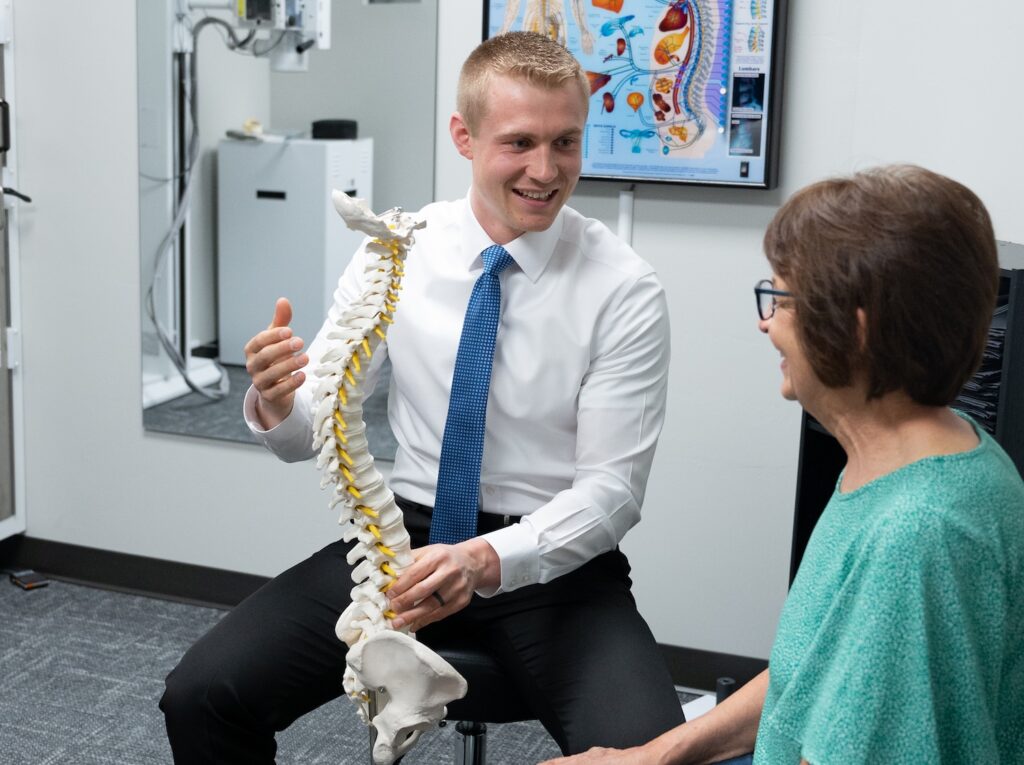
When you think about your back, consider its complex structure. Your spine, muscles, ligaments, and nerves work together to support your body and allow movement. If any part of this system is compromised, you could feel pain. For instance, a herniated disc might press on a nerve, causing pain that radiates down your leg. Alternatively, tight muscles could lead to tension and discomfort in your lower back.
It's also important to recognize that lifestyle factors play a significant role. If you spend long hours sitting, especially without proper ergonomic support, your back may not be getting the care it needs. Weight gain, lack of exercise, and stress can also contribute to back pain. By understanding these factors, you can take proactive steps to alleviate your discomfort.
Ultimately, gaining insight into the nature of your back pain empowers you to make informed decisions about your health. Whether it's adjusting your daily habits or exploring non-invasive treatment options, you're in a better position to find relief and improve your quality of life.
Risks of Invasive Treatments
When reflecting on treatment options for back pain, it's crucial to evaluate the risks associated with invasive procedures. While some people may find temporary relief through surgery or injections, these methods carry potential complications that could worsen your situation. Understanding these risks can help you make a more informed decision.
Invasive treatments often come with various risks, including:
- Infection: Any surgical procedure can introduce bacteria, leading to infections that may require further treatment.
- Nerve Damage: There's a possibility of damaging surrounding nerves during surgery, which could cause lasting pain or numbness.
- Scarring: Surgery can lead to scar tissue formation, which might restrict movement and actually contribute to ongoing discomfort.
- Long Recovery Time: Invasive procedures often require significant downtime, delaying your return to normal activities and potentially impacting your quality of life.
Given these risks, it's vital to reflect on whether the potential benefits outweigh the drawbacks. Many people find that non-invasive options, such as physical therapy, chiropractic care, and lifestyle modifications, can provide effective relief without the complications associated with surgery.
Evaluating these factors will help you choose a path that aligns with your health goals and comfort level. Being proactive about your choices can lead you to a safer, more sustainable solution for your back pain.
Benefits of Non-Invasive Options
Many individuals find that non-invasive options for back pain offer effective relief without the risks associated with surgery. You'll likely appreciate that these methods focus on addressing the underlying issues rather than just masking symptoms. This holistic approach can lead to long-term improvements in your condition, enhancing your overall quality of life.
Non-invasive treatments typically involve fewer side effects compared to surgical interventions. You won't have to deal with the complications that often arise from anesthesia or the lengthy recovery times associated with invasive procedures. Instead, you can engage in your daily activities sooner and with less discomfort.
Another significant benefit is the personalized nature of non-invasive options. You can work closely with healthcare professionals to develop a tailored plan that suits your specific needs and lifestyle. This collaboration empowers you to take an active role in your recovery, which can be incredibly motivating.
Cost-effectiveness is another advantage you'll likely find appealing. Non-invasive treatments often require fewer resources, meaning you may save money in the long run. Plus, many insurance plans cover these options, making them accessible and affordable.
Finally, you'll enjoy the flexibility that non-invasive treatments provide. From physical therapy to lifestyle changes, you can easily incorporate these methods into your routine, making them a sustainable choice for managing back pain.
With all these benefits, it's no wonder more people are opting for non-invasive solutions to find relief and regain control over their lives.
Common Non-Invasive Techniques
Several common non-invasive techniques can help alleviate back pain effectively.
These methods focus on relieving discomfort without the need for surgery or medication, making them appealing options for many. You might find that incorporating some of these techniques into your routine brings you relief and improves your overall quality of life.
Here are four popular non-invasive techniques to evaluate:
- Physical Therapy: A skilled physical therapist can design a personalized exercise program to strengthen your back muscles and improve flexibility, helping to reduce pain over time.
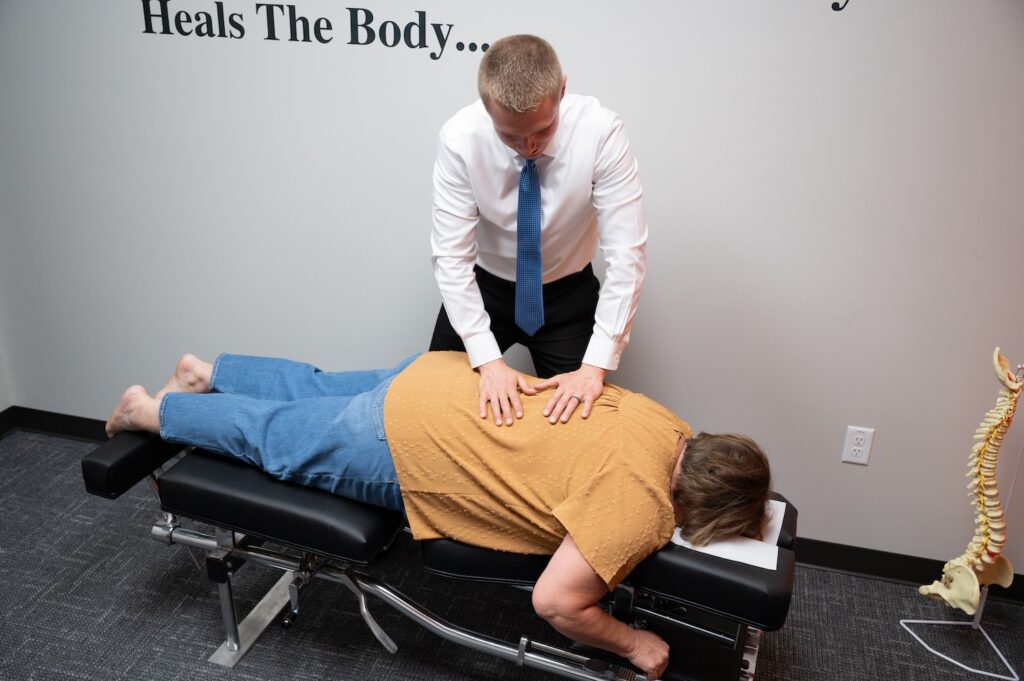
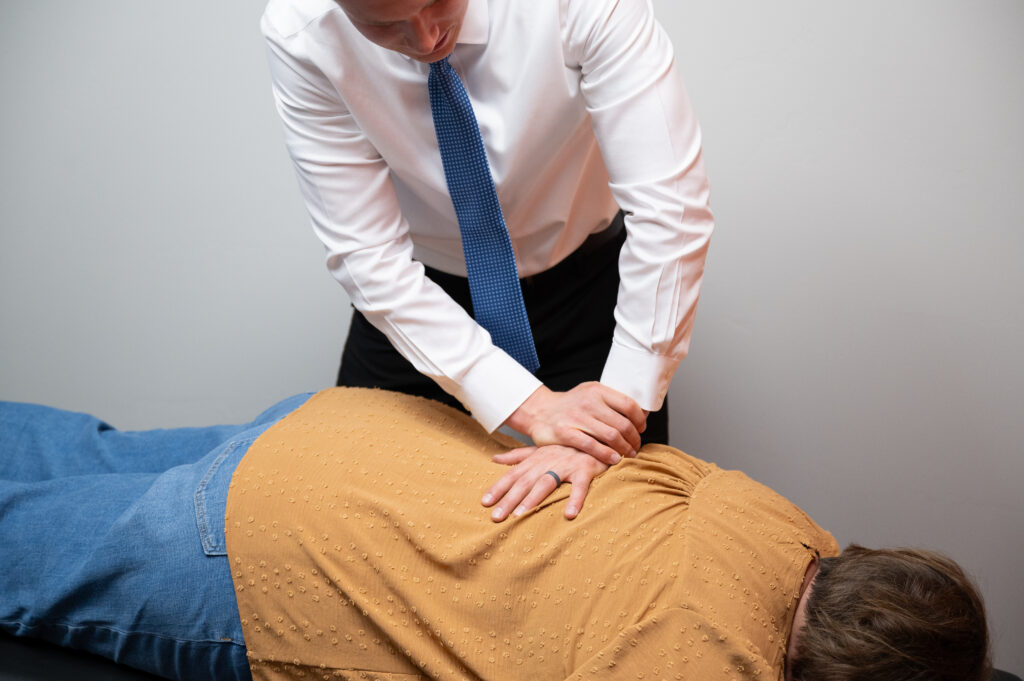
- Chiropractic Adjustments: Chiropractors use hands-on manipulation to align your spine, which can relieve pressure on nerves and reduce pain.
- Acupuncture: This traditional Chinese medicine technique involves inserting thin needles into specific points on your body to stimulate healing and alleviate pain.
- Massage Therapy: Therapeutic massage can relax tight muscles, improve circulation, and promote relaxation, which may help reduce your back pain.
Holistic Approaches to Pain Relief
Exploring holistic approaches to pain relief can offer you a well-rounded strategy to manage back pain. These methods focus on treating the whole person—mind, body, and spirit—rather than just addressing the symptoms. By integrating various practices, you can create a personalized plan that caters to your unique needs.
One effective holistic approach is mindfulness meditation. By practicing mindfulness, you can learn to focus on the present moment, reducing stress and tension that often exacerbate back pain. Deep breathing exercises, another component of mindfulness, can help alleviate muscle tightness, promoting relaxation and comfort.
Another key aspect of holistic pain relief is nutrition. A balanced diet rich in anti-inflammatory foods can support your body's healing processes. Incorporating fruits, vegetables, whole grains, and healthy fats can boost your overall well-being while potentially reducing pain levels.
Additionally, consider exploring alternative therapies like acupuncture or chiropractic care. Acupuncture can stimulate specific points in your body, encouraging energy flow and promoting healing. Chiropractic care focuses on spinal alignment, which can relieve pressure on nerves and muscles, ultimately reducing pain.
Lastly, don't underestimate the power of gentle movement. Activities like yoga or tai chi can enhance flexibility and strength while fostering a deeper mind-body connection. These practices not only improve physical health but also contribute to emotional well-being.
The Role of Physical Therapy
Physical therapy plays an essential role in managing back pain, offering targeted treatments that address the underlying causes of discomfort. When you work with a physical therapist, they'll assess your specific condition and create a personalized treatment plan to help alleviate your pain.
These expert-guided sessions can equip you with the tools you need to enhance your mobility and strengthen your back.
Here are some key benefits you can expect from physical therapy:
- Pain Relief: Therapists often use techniques like manual therapy or modalities such as heat and ice to reduce pain levels.
- Improved Strength and Flexibility: You'll engage in exercises tailored to strengthen your back muscles and improve flexibility, which can help prevent future injuries.
- Posture Correction: You'll learn about proper body mechanics and posture, which can greatly impact your back health and overall well-being.
- Education and Self-Management: Your therapist will teach you strategies to manage your back pain at home, empowering you to take charge of your recovery.
Lifestyle Changes for Prevention
To prevent back pain, incorporating regular exercise into your routine is essential.
You should also consider setting up an ergonomic workspace to support your posture and reduce strain.
Making these lifestyle changes can markedly enhance your overall well-being.
Regular Exercise Benefits
Regular exercise serves as a powerful tool in preventing back pain and enhancing overall well-being. By incorporating regular physical activity into your routine, you can strengthen your muscles, improve flexibility, and maintain a healthy weight, all of which contribute to a healthier back.
Here are some key benefits of regular exercise specifically for your back health:
- Strengthens core muscles: A strong core supports your spine and reduces strain on your back.
- Improves flexibility: Stretching exercises help maintain a good range of motion, preventing stiffness that can lead to discomfort.
- Enhances posture: Proper alignment during exercise translates to better posture throughout the day, reducing the risk of back pain.
- Boosts mood and reduces stress: Regular activity releases endorphins, which can help alleviate stress-related tension in your back.
Ergonomic Workspace Setup
Creating an ergonomic workspace is essential for preventing back pain and promoting comfort during long hours of work.
Start by adjusting your chair to support your lower back. Your feet should be flat on the floor or on a footrest, with your knees at or slightly below hip level.
Next, position your desk and monitor at eye level. This way, you can keep your neck straight while looking at the screen. Your monitor should be about an arm's length away, reducing the strain on your eyes and neck.
Don't forget about your keyboard and mouse. Place them at a height where your elbows are bent at about 90 degrees and your wrists are straight. Consider using a wrist rest to maintain proper alignment.
Take breaks regularly to stand, stretch, and walk around. This simple habit not only alleviates muscle tension but also promotes better circulation.
Lastly, verify your workspace is well-lit to minimize eye strain.
Patient Success Stories
You'll find that many patients have transformed their lives through non-invasive treatments for back pain.
These real-life testimonials showcase how individuals have overcome chronic pain and improved their overall quality of life.
Let's explore some inspiring success stories that highlight the effectiveness of these options.
Real-Life Testimonials
Many people have found relief from back pain through non-invasive treatments, and their stories highlight the effectiveness of these options.
Take Sarah, for instance. After years of chronic pain, she discovered physical therapy, which not only strengthened her core but also helped alleviate her discomfort.
Then there's Mike, who turned to acupuncture and found that it considerably reduced his pain levels, allowing him to return to his favorite activities.
You might relate to these experiences and find inspiration in their journeys.
Here are a few common non-invasive treatments that have made a difference for many:
- Chiropractic Care: Gentle adjustments can realign your spine, providing instant relief.
- Massage Therapy: Targeted massages can release tension in muscles and improve circulation.
- Yoga and Stretching: These practices enhance flexibility and strengthen your back, promoting long-term health.
- Heat and Cold Therapy: Simple home remedies can ease inflammation and improve comfort.
Each story proves that you don't have to resort to surgery or medication to find relief.
Non-invasive options are effective, and they could be the key to your own recovery.
Overcoming Chronic Pain
When faced with chronic pain, finding a solution can feel overwhelming, but countless individuals have successfully navigated this journey.
Take Sarah, for instance. After struggling with lower back pain for years, she decided to explore non-invasive options. Through physical therapy and targeted exercises, she gradually regained strength and flexibility, allowing her to return to her favorite activities.
Then there's Mark, who found relief through a combination of acupuncture and mindfulness practices. By addressing both the physical and emotional aspects of his pain, he learned to manage his symptoms and minimize flare-ups.
These stories highlight that you're not alone in your battle against chronic pain. Many have discovered that non-invasive treatments can lead to meaningful improvements.
Whether it's through chiropractic adjustments, yoga, or simply making lifestyle changes, finding what works for you is essential.
Enhanced Quality of Life
As you read about the journeys of others, you might find inspiration in their transformations toward an enhanced quality of life. Many individuals have turned to non-invasive options for back pain relief, leading to remarkable changes in their daily routines and overall well-being.
Take Sarah, for instance. After struggling for years, she discovered physical therapy and yoga, which helped her regain flexibility and strength. Now, she enjoys family hikes without discomfort.
Or consider Mike, who explored acupuncture and found it minimized his chronic pain, allowing him to return to cycling—his favorite hobby.
Here are some common themes from these success stories:
- Improved Mobility: Many patients report increased range of motion and less stiffness.
- Enhanced Mood: Relief from pain often leads to reduced anxiety and improved mental health.
- Greater Independence: Non-invasive treatments empower individuals to manage their pain effectively, allowing them to resume daily activities.
- Stronger Connections: With newfound energy, many rekindle relationships through shared activities and experiences.
These stories illustrate that choosing non-invasive options can truly enhance your quality of life, making everyday moments enjoyable again.
Making Informed Choices
While steering through the world of non-invasive options for back pain, it's crucial to weigh your choices carefully. You'll find a variety of treatments, from physical therapy and chiropractic care to acupuncture and mindfulness techniques. Understanding the benefits and drawbacks of each option helps you make an informed decision that aligns with your specific needs.
Start by considering your unique situation. What caused your back pain? Is it acute or chronic? By identifying the root of your discomfort, you can better assess which non-invasive option might be most effective for you. For example, if your pain stems from muscle strain, physical therapy may be a great fit, while acupuncture might benefit those with chronic, tension-related pain.
Don't hesitate to gather information. Ask your healthcare provider for recommendations and do your own research. Look for reviews and testimonials from others who've tried these treatments. This insight can help you gauge what to expect and which options resonate with your lifestyle and preferences.
Additionally, consider consulting with multiple professionals. A chiropractor, physical therapist, or holistic practitioner may offer different perspectives on your condition. By comparing their insights, you can make a more thorough choice.
Ultimately, making informed choices about non-invasive back pain treatments empowers you to take control of your health. Remember, you're investing in your well-being, so take the time to explore your options thoroughly.
Conclusion
Choosing non-invasive options for back pain can transform your approach to healing. With fewer risks and side effects, these methods help you address the root causes rather than just masking the pain. By embracing techniques like physical therapy, acupuncture, and lifestyle changes, you're not only investing in your recovery but also in your overall well-being. Remember, each step you take towards non-invasive treatments can lead to a healthier, pain-free future. Make the informed choice today!