
When dealing with chronic back pain, you might find yourself exploring various solutions that don't rely on invasive procedures. Techniques like physical therapy can strengthen your back and improve flexibility, while mindfulness practices may help you manage pain more effectively. You may also consider alternative treatments that promise relief. But what if there's more to these approaches than meets the eye? Understanding the nuances of each method could be key to finding the right strategy for you.
Understanding Chronic Back Pain
Chronic back pain is a persistent issue that affects millions of people worldwide, and understanding its nature is fundamental for effective management. You might find yourself dealing with this pain for several weeks, months, or even years, which can greatly impact your daily life. Knowing what causes your pain can be the first step toward finding relief.
Several factors contribute to chronic back pain, including poor posture, muscle strain, or even underlying medical conditions. You may notice that certain activities or movements exacerbate your discomfort. For instance, prolonged sitting or heavy lifting can lead to increased tension in your back muscles.
It's important to pay attention to your body and identify patterns that might help you avoid further strain.
The pain can manifest in various ways, such as a dull ache, sharp shooting sensations, or stiffness. This variability makes it essential to communicate your symptoms clearly to healthcare providers, so they can tailor a management plan specifically for you.
Additionally, emotional factors like stress or anxiety can also play a role in how you experience pain. Recognizing the interplay between your mental state and physical symptoms is crucial for a thorough understanding of your condition.
When you grasp the underlying causes and characteristics of your chronic back pain, you're better equipped to explore effective management strategies. You can take proactive steps towards relief, paving the way for a more comfortable and functional life.
Benefits of Physical Therapy
Finding effective management strategies for your back pain can lead to notable improvements in your quality of life, and physical therapy is one of the most beneficial options available. Through targeted exercises and manual techniques, physical therapy helps you strengthen the muscles supporting your spine, improve flexibility, and enhance your overall mobility. This not only alleviates pain but also reduces the risk of future injuries.
One major advantage of physical therapy is its personalized approach. A skilled physical therapist assesses your specific condition and tailors a program that addresses your unique needs. This individualized focus guarantees that you're working on the right exercises at the right intensity, maximizing your recovery while minimizing the risk of aggravation.
Additionally, physical therapy emphasizes education. You'll learn about your body mechanics and posture, which can notably influence your back pain. Armed with this knowledge, you can make informed decisions about your daily activities, reducing strain on your back.
Moreover, physical therapy can serve as a proactive approach to pain management. Regular sessions can help you maintain your progress and prevent relapses, providing a long-term solution rather than a quick fix.
You'll also develop coping strategies to manage pain flare-ups effectively.
Exploring Alternative Treatments
When traditional methods like physical therapy don't fully relieve your back pain, exploring alternative treatments can provide new avenues for relief. Many people turn to options like acupuncture, chiropractic care, or massage therapy to manage their discomfort. Each of these approaches has its unique benefits and can complement your existing treatment plan.
Acupuncture involves inserting fine needles into specific points on your body, stimulating your nervous system, and promoting healing. This ancient practice has gained popularity for its effectiveness in reducing pain and inflammation. You might find that regular sessions help improve your overall function and well-being.
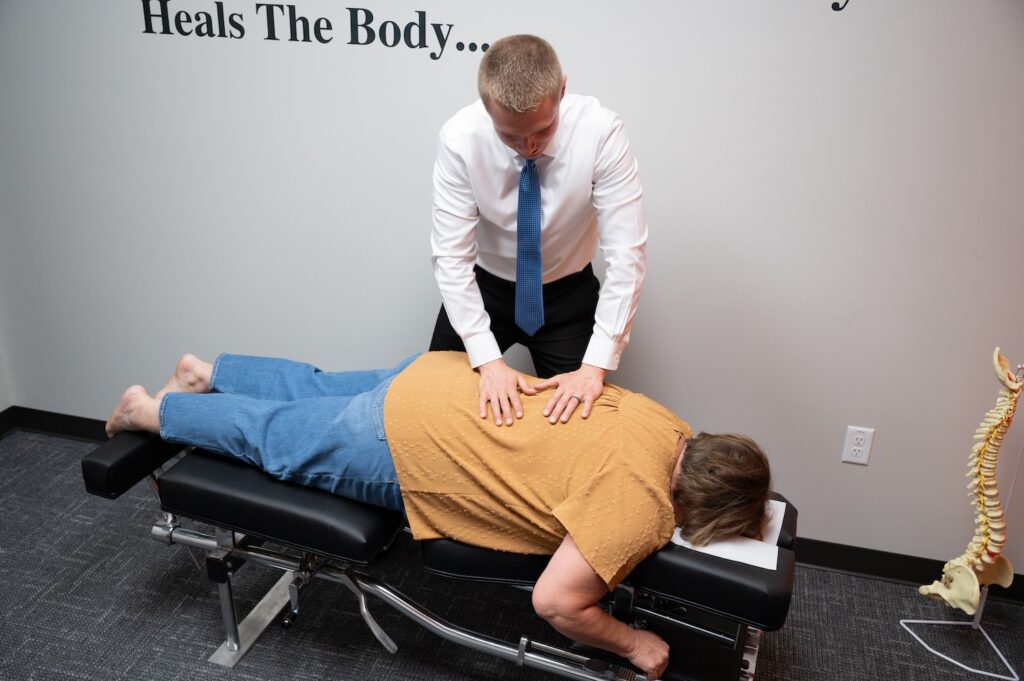
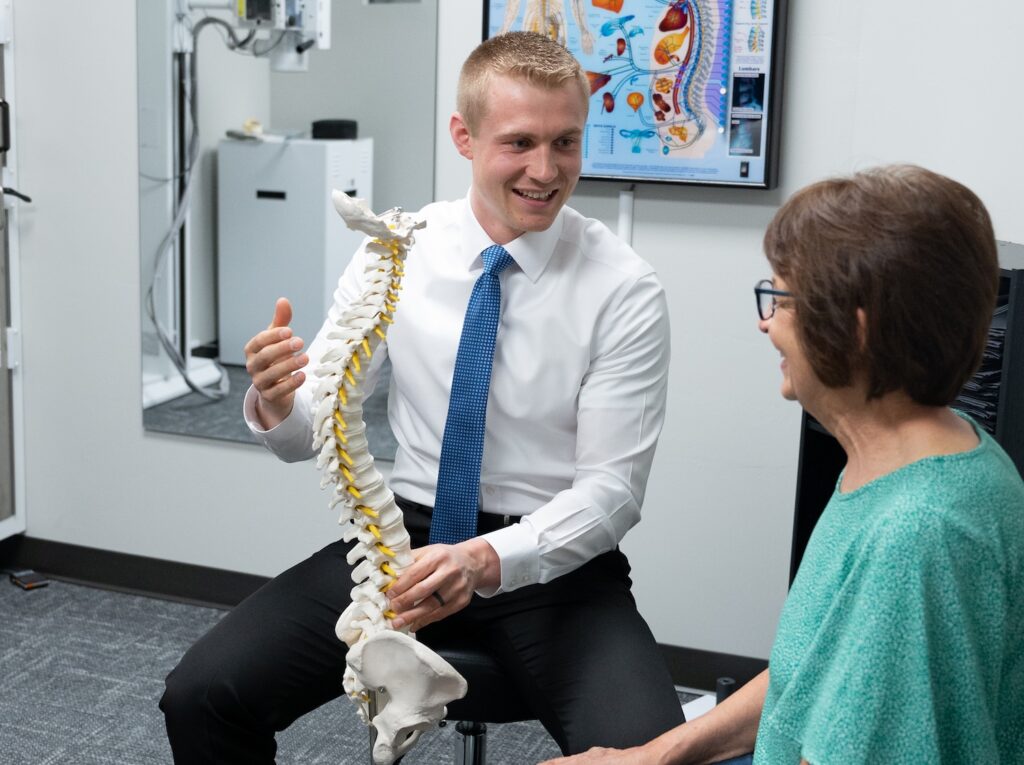
Chiropractic care focuses on spinal alignment and function. By adjusting your spine, a chiropractor can help relieve pressure on your nerves, reduce pain, and improve mobility. If you're considering chiropractic treatment, make sure you work with a qualified practitioner who understands your specific condition.
Massage therapy can also be a valuable tool in your pain management arsenal. It helps relax tight muscles, improve blood flow, and enhance your range of motion. Regular massages can lead to long-term benefits, including reduced stress and better posture.
Herbal supplements and topical treatments, like creams infused with arnica or capsaicin, are worth exploring as well. These natural remedies can provide localized relief and may offer an alternative to over-the-counter pain medications.
Mindfulness and Pain Management
Mindfulness offers a powerful approach to managing pain, allowing you to cultivate awareness of your body and thoughts without judgment. By practicing mindfulness, you learn to observe your pain instead of reacting to it with fear or frustration. This shift in perspective can make a significant difference in how you experience chronic back pain.
When you focus on the present moment, you can identify sensations in your body without labeling them as good or bad. This non-judgmental awareness helps you detach from negative thoughts that often accompany pain. Instead of spiraling into anxiety about your discomfort, you can acknowledge the pain and allow it to exist without resistance.
Techniques such as deep breathing, meditation, and body scans can enhance this process, grounding you in the here and now.
You might also find that mindfulness helps you recognize patterns in your pain. As you become more aware of your body, you may discover triggers related to stress, posture, or activity levels. By identifying these triggers, you can take proactive steps to manage your pain more effectively.
Incorporating mindfulness into your daily routine doesn't have to be time-consuming. Even a few minutes of focused breathing or meditation each day can yield significant benefits.
As you develop this practice, you'll likely notice an increased sense of control over your pain, leading to a more positive outlook on your overall well-being. Mindfulness isn't just a technique; it's a pathway to understanding and managing your chronic back pain with greater ease.
Lifestyle Changes for Relief
Making lifestyle changes can greatly alleviate chronic back pain and improve your overall quality of life. Start by evaluating your daily habits. Are you sitting for long periods? If so, consider incorporating regular breaks to stretch and move around. This simple adjustment can keep your muscles from becoming stiff and fatigued.
Next, pay attention to your posture. Whether you're at a desk or on the couch, maintaining proper alignment is vital. Invest in ergonomic furniture or supports that promote good posture and reduce strain on your back.
You might also want to practice mindfulness techniques, which can help you become more aware of your body and its positioning throughout the day.
Exercise is another key component. Low-impact activities like walking, swimming, or yoga can strengthen your core and back muscles, providing the support your spine needs. Aim for at least 30 minutes of activity most days, but listen to your body and take it slow at first.
Don't overlook the importance of weight management. Carrying excess weight can put additional strain on your back. A balanced diet combined with regular exercise can help you achieve and maintain a healthy weight.
Finally, prioritize sleep. Quality rest is essential for healing and recovery. Invest in a supportive mattress and establish a calming bedtime routine to improve your sleep quality.
Conclusion
Incorporating these effective non-invasive solutions can make a significant difference in managing your chronic back pain. By engaging in physical therapy, exploring alternative treatments, practicing mindfulness, and adopting healthier lifestyle habits, you can empower yourself to find relief. Remember, consistency is key—stick with your chosen methods, and don't hesitate to seek professional guidance. You deserve to live your life free from the limitations of pain, so take charge and start your journey toward better back health today!