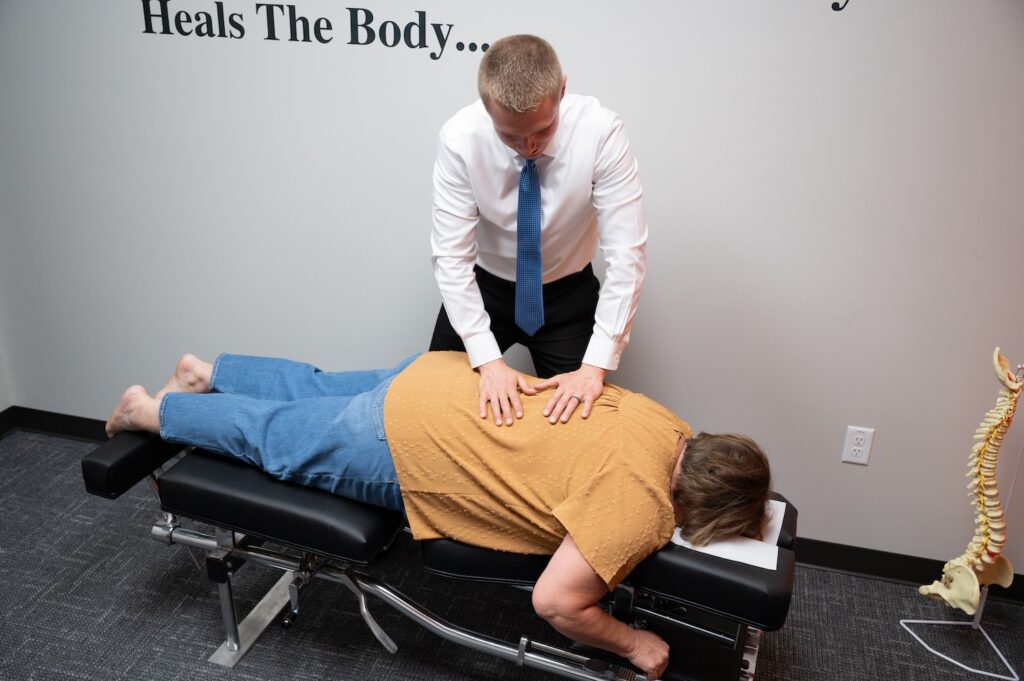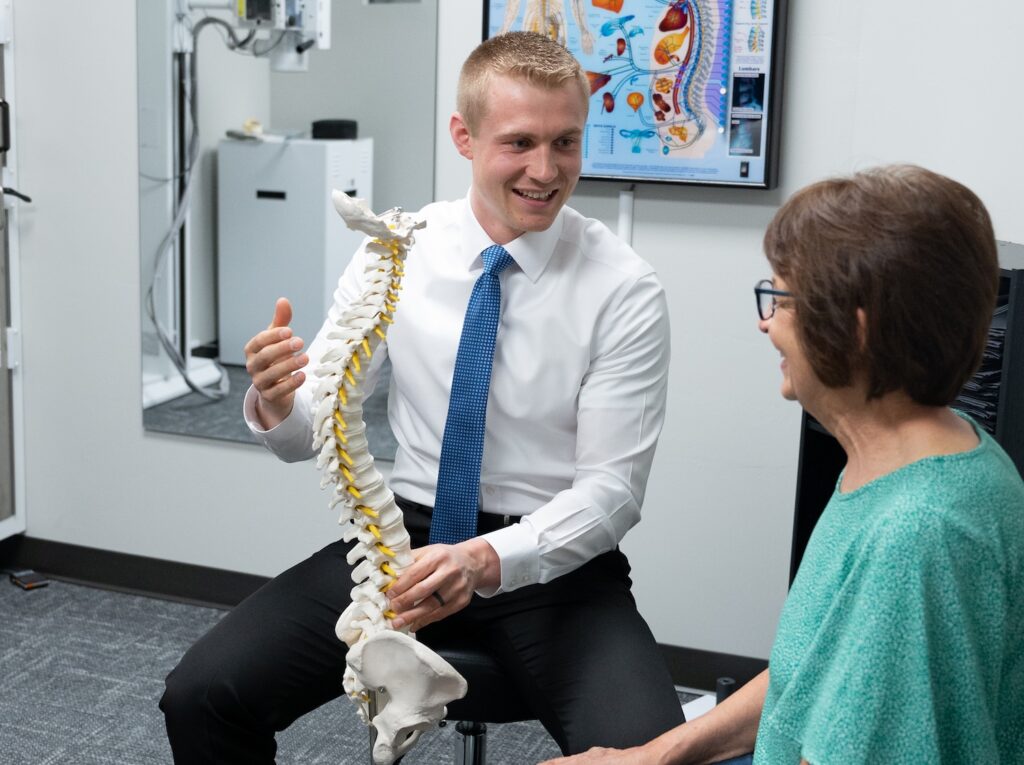

Personalized care is essential for you because it tailors healthcare to fit your unique needs and preferences, ultimately leading to more effective treatment. By focusing on your individual medical history and lifestyle, providers can develop strategies that resonate with your specific circumstances. This approach not only enhances treatment adherence but also cultivates a stronger relationship with your healthcare team. As you consider the impact of personalized care, you might wonder how it can reshape your health journey in ways you hadn't anticipated.
Understanding Personalized Care
Personalized care is transforming the way healthcare is delivered, tailoring treatment and support to meet individual needs. It recognizes that no two patients are the same, and what works for one person mightn't work for another. You might be surprised to learn how this approach goes beyond just treating symptoms; it involves understanding your unique lifestyle, genetic makeup, and personal preferences.
When you engage with personalized care, your healthcare provider takes the time to get to know you. This means they'll ask about your medical history, current health conditions, and even your daily habits. By gathering this information, they can develop a more accurate and effective treatment plan that suits you. It's about collaboration—your input is valued, and you're an active participant in your healthcare journey.
Personalized care also emphasizes preventive measures, aiming to identify potential health risks before they become serious issues. By focusing on your individual risk factors, your healthcare team can recommend lifestyle changes or screenings tailored specifically to you. This proactive approach empowers you to take charge of your health and make informed decisions.
Moreover, this model fosters a stronger doctor-patient relationship. When you feel understood and respected, you're more likely to communicate openly, leading to better outcomes.
Understanding personalized care means embracing a system that prioritizes your unique needs, ultimately enhancing your overall health and wellness. It's about making healthcare work for you, not the other way around.
Benefits of Tailored Healthcare
Tailoring healthcare to your individual needs offers numerous benefits that can greatly enhance your health outcomes. When your care is personalized, it means that treatments and interventions are designed specifically for you. This leads to more effective management of your conditions, as healthcare providers can target therapies that align with your unique health status, lifestyle, and preferences.
One of the key advantages of tailored healthcare is improved adherence to treatment plans. When you feel that your care is customized, you're more likely to engage actively in your health journey. You'll understand why a particular medication or lifestyle change is recommended, making it easier for you to follow through.
Another benefit is that personalized care often results in quicker diagnosis and more accurate treatment. Your healthcare provider can take into account your medical history, genetic factors, and even environmental influences, leading to a more thorough evaluation.
This thorough approach can reduce trial-and-error methods in finding the right treatment, saving you time and reducing unnecessary stress.
Additionally, tailored healthcare can increase your overall satisfaction with the healthcare system. When you feel heard and understood, it fosters a sense of trust and confidence in your provider.
This can lead to better communication, allowing you to voice concerns and preferences that matter most to you.
Building Stronger Patient Relationships
Fostering strong patient relationships is essential for effective healthcare delivery. When you feel connected to your healthcare provider, you're more likely to share your concerns openly, adhere to treatment plans, and engage in your own health management. This connection isn't just about trust; it's about understanding. When your provider knows you personally, they can tailor advice and treatment to your specific needs.
To build that rapport, communication is key. Take the time to express your feelings, ask questions, and provide feedback. Your provider should also encourage this dialogue, actively listening and responding to your concerns. When you know you're heard, it fosters a sense of partnership in your healthcare journey.
Additionally, consider the role of empathy. A provider who shows genuine care and compassion makes you feel valued. This emotional connection can greatly enhance your overall experience. You're not just another patient; you're an individual with unique stories and health challenges.
Don't underestimate the power of follow-ups, either. When your provider checks in on your progress or follows up after an appointment, it reinforces that you're important to them. It shows that they care about your health beyond the clinical setting.
Enhancing Treatment Effectiveness
When you actively participate in your treatment plan, you're more likely to see positive outcomes. Engaging with your healthcare team helps tailor your treatment to your unique needs and preferences. This personalized approach allows you to feel more in control of your health journey, ultimately enhancing the effectiveness of the care you receive.
By sharing your symptoms, lifestyle, and concerns openly, your doctor can make informed decisions about your treatment options. This collaboration means you're not just a passive recipient of care; you're an essential part of the process. For example, if a particular medication isn't working well for you, your input can lead to quick adjustments that better suit your body's response and your lifestyle.
Moreover, personalized care often incorporates your values and goals into the treatment plan. Whether you prioritize symptom relief, quality of life, or long-term health, having those priorities recognized can lead to more effective interventions. This alignment boosts your motivation to adhere to the treatment, which is critical for achieving the desired results.
Don't underestimate the power of follow-up appointments. Regular check-ins with your healthcare provider allow you to discuss progress, side effects, and any necessary modifications to your treatment. This ongoing dialogue guarantees that your care remains dynamic and responsive to your changing needs.
Ultimately, when you take an active role in your treatment, you not only enhance its effectiveness but also foster a sense of partnership with your healthcare team, leading to better health outcomes overall.
The Future of Personalized Medicine
As personalized care continues to evolve, the future of personalized medicine holds exciting possibilities. Imagine a healthcare system where treatments are tailored specifically to your genetic makeup, lifestyle, and preferences. This isn't just a dream; it's becoming a reality. Advances in genomics and data analytics are paving the way for more precise diagnoses and targeted therapies, so you can receive care that truly fits your needs.
In the future, you might've your entire genetic profile analyzed, allowing doctors to identify which medications will work best for you. This could greatly reduce trial and error, minimizing side effects and improving outcomes. You'll no longer have to rely on a one-size-fits-all approach; instead, you'll benefit from therapies that are as unique as you are.
Wearable technology will also play an essential role in personalized medicine. By monitoring your health in real-time, these devices can provide immediate feedback and adjust treatment plans on the fly. If your heart rate spikes or your glucose levels fluctuate, your healthcare team can respond promptly, ensuring that you receive ideal care.
Moreover, artificial intelligence will enhance your experience by analyzing vast amounts of data to predict health trends and outcomes. You'll have access to tailored health recommendations and preventive measures, making it easier to maintain your well-being.
In this new era of healthcare, personalized medicine promises to empower you, giving you a voice in your treatment and a more active role in your health journey.
Conclusion
In summary, personalized care is essential for your health journey. By focusing on your unique needs and preferences, healthcare providers can create effective treatment plans that resonate with you. This tailored approach not only improves your health outcomes but also strengthens the bond between you and your doctor. As personalized medicine continues to evolve, embracing this model can lead to a brighter, healthier future where you feel understood and empowered in your care.