
When it comes to managing back pain, you might find that a one-size-fits-all approach simply doesn't cut it. Customized treatment plans can address your unique needs and pain triggers, leading to more effective relief. By focusing on your specific medical history and lifestyle, these tailored strategies can enhance recovery speed and improve your overall engagement in the process. As you consider the advantages of such personalized care, it's worth exploring how these plans can fundamentally change your journey towards better health and comfort. What could that mean for your daily life?
Individualized Assessment
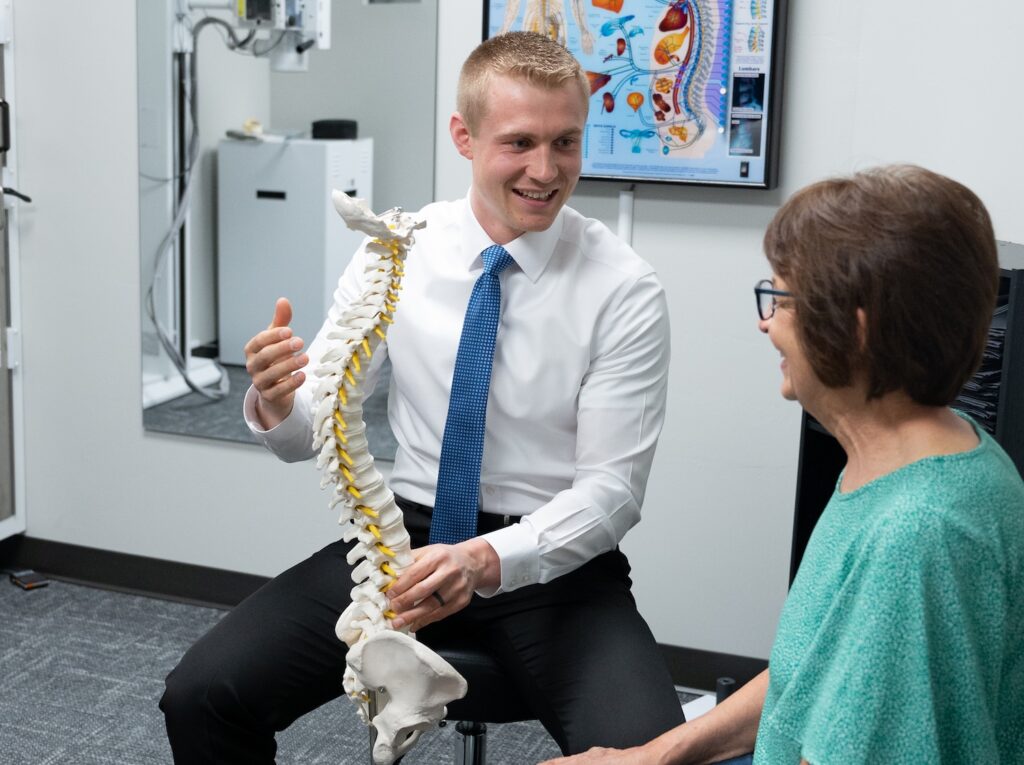
When it comes to back pain, a detailed individualized assessment is essential for developing an effective treatment plan. You can't just treat back pain with a one-size-fits-all approach. Every person's body, lifestyle, and pain triggers are unique, so understanding your specific situation is critical. This assessment helps identify the root causes of your discomfort, which can range from muscle strain to underlying medical conditions.
During the assessment, your healthcare provider will ask about your medical history, physical activities, and daily habits. They'll likely perform a physical examination to evaluate your posture, flexibility, and strength.
It's important to be open and honest about your symptoms, as this information guides the next steps in your treatment. Additionally, the assessment might include diagnostic tests, such as X-rays or MRIs, to visualize structural issues.
Targeted Pain Relief
After a thorough individualized assessment, you can focus on targeted pain relief strategies that fit your specific needs. This approach allows you to address the root causes of your back pain rather than just masking the symptoms. By utilizing techniques tailored specifically for you, you can achieve more effective and lasting relief.
One effective strategy might be physical therapy, where a trained professional can guide you through exercises that strengthen your core and enhance flexibility. These exercises can directly target the areas contributing to your pain, allowing you to regain mobility and function.
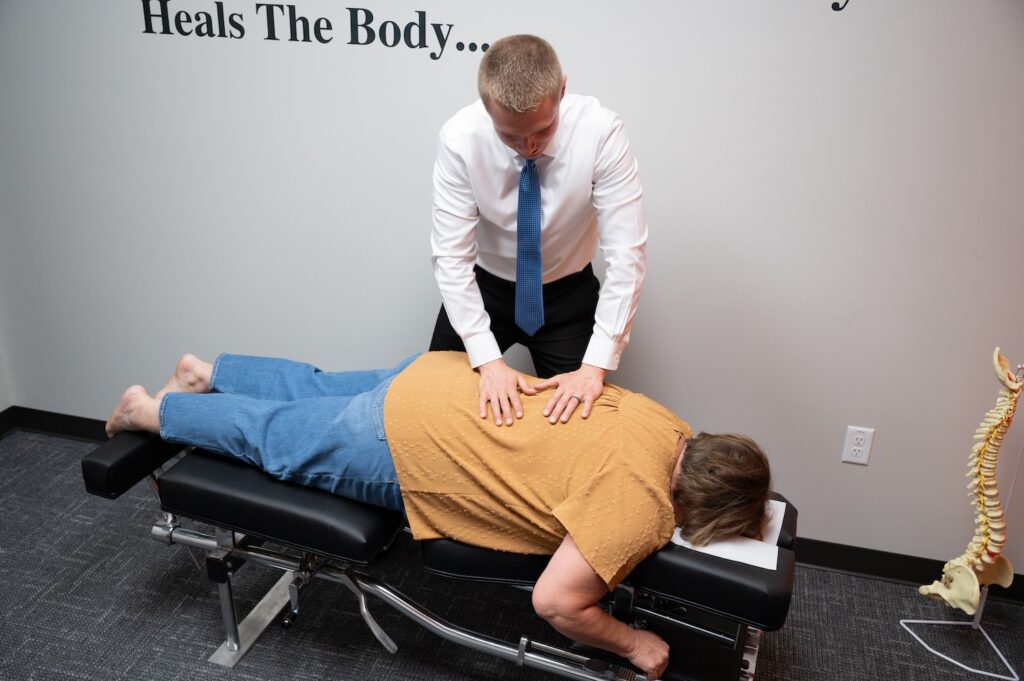
In some cases, a chiropractor may offer spinal adjustments that realign your spine and alleviate pressure on nerves.
Medication can also play a role in your personalized pain relief plan. Depending on your situation, your healthcare provider might prescribe anti-inflammatory drugs or muscle relaxants to help manage pain. It's crucial to discuss potential side effects and interactions with other medications you're taking.
Additionally, alternative therapies such as acupuncture or massage therapy can provide targeted relief by addressing muscle tension and promoting relaxation. These methods can help you feel more balanced and less stressed, contributing to an overall sense of well-being.
Ultimately, the goal of targeted pain relief is to empower you to take control of your back pain. By focusing on strategies designed specifically for you, you'll be better equipped to manage your symptoms and improve your quality of life.
Enhanced Recovery Speed
To enhance your recovery speed, it's vital to combine effective treatment strategies with proactive self-care measures. Customized back pain treatment plans are designed to meet your unique needs, and by actively participating in your recovery, you can experience faster results.
Here are some key strategies that can help speed up your recovery:
- Adhere to your treatment schedule: Stick to the appointments and recommendations provided by your healthcare professional to guarantee you're on the right track.
- Engage in prescribed exercises: Performing specific exercises can strengthen your back, improve flexibility, and reduce pain, all of which contribute to a quicker recovery.
- Stay hydrated: Drinking plenty of water supports overall health and aids in muscle recovery, helping to alleviate back pain.
- Practice good posture: Maintaining proper posture while sitting, standing, or lifting can prevent further strain on your back, accelerating the healing process.
- Listen to your body: Pay attention to how you feel during activities and adjust accordingly. Rest when needed, and don't push through pain.
Improved Treatment Compliance
Improved treatment compliance plays an essential role in your recovery journey. When you follow a customized back pain treatment plan, you're more likely to adhere to the prescribed therapies and exercises. This adherence directly impacts your progress, making you feel a sense of control over your healing process.
One of the key advantages of a tailored plan is that it's designed specifically for your needs, preferences, and lifestyle. Because the treatment resonates with you personally, you're likely to stay motivated and committed. When the exercises or therapies align with what you enjoy or find manageable, you're less likely to skip sessions or abandon the regimen altogether.
Furthermore, having a clear understanding of your treatment goals enhances your willingness to comply. Customized plans typically break down the recovery process into achievable milestones. When you can see your progress, it reinforces your commitment. It's easier to stay consistent when you can celebrate small victories along the way.
Additionally, open communication with your healthcare provider fosters a supportive environment. When you feel heard and understood, you're more inclined to stick to the plan. If you encounter difficulties, discussing them with your provider can lead to adjustments that make compliance easier.
Holistic Approach
When addressing back pain, a holistic approach means looking at the whole person, not just the symptoms.
You'll benefit from thorough assessment techniques that consider your physical, emotional, and lifestyle factors.
Integrative treatment modalities can then combine various therapies to create a more effective plan tailored to your needs.
Comprehensive Assessment Techniques
A thorough evaluation of back pain involves looking beyond just the physical symptoms, bringing together various examination techniques to understand the whole person.
This holistic approach takes into account not only your physical condition but also emotional, psychological, and environmental factors that may contribute to your discomfort.
To create a customized treatment plan, practitioners often use these extensive evaluation techniques:
- Physical Examination: Evaluating posture, range of motion, and muscle strength.
- Medical History Review: Understanding previous injuries, surgeries, or chronic conditions.
- Lifestyle Evaluation: Examining daily activities, exercise habits, and stress levels.
- Psychological Assessment: Identifying stressors or emotional issues that may exacerbate pain.
- Functional Testing: Evaluating how your back pain impacts daily tasks and quality of life.
Integrative Treatment Modalities
Building on the extensive assessment techniques, integrative treatment modalities offer a holistic approach to managing back pain. These modalities combine traditional medical practices with alternative therapies, providing you with a thorough strategy for relief and recovery. You're not just treating symptoms; you're addressing the root causes of your pain.
Incorporating techniques like acupuncture, yoga, and mindfulness can enhance your overall well-being. Acupuncture may release endorphins, while yoga improves flexibility and strength, helping you regain control over your body. Additionally, mindfulness practices can reduce stress, which often exacerbates pain.
Nutrition also plays a significant role. A balanced diet rich in anti-inflammatory foods can support your healing process. By making dietary changes, you can potentially reduce inflammation and improve your body's response to pain.
Moreover, physical therapy tailored to your specific needs can help you develop strength and mobility, allowing you to engage in daily activities with less discomfort.
Long-term Effectiveness
Long-term effectiveness of customized back pain treatment plans often hinges on how well they address individual needs. When your treatment aligns with your unique circumstances, the chances of sustained relief increase markedly.
You'll find that a tailored approach not only targets your specific pain points but also builds a solid foundation for ongoing wellness.
Consider these key factors that enhance the long-term effectiveness of your plan:
- Personalized Assessments: Regular evaluations guarantee your treatment adapts as your body changes.
- Holistic Techniques: Incorporating various modalities can lead to a more thorough recovery.
- Patient Involvement: Being an active participant in your treatment fosters commitment and accountability.
- Flexibility: Customized plans can evolve based on your progress, allowing for adjustments that keep you on track.
- Support Systems: Access to professional guidance and community resources can provide ongoing motivation and support.
Personalized Lifestyle Modifications
To effectively manage back pain, integrating personalized lifestyle modifications into your daily routine is essential. These adjustments can notably reduce pain levels and improve your overall quality of life.
First, consider your daily activities and identify any habits contributing to your discomfort. Simple changes, like adjusting your workstation to promote better posture, can make a huge difference.
Incorporating regular physical activity is another important modification. Engaging in exercises tailored to your specific needs can strengthen your back muscles and increase flexibility. Activities such as swimming, walking, or yoga can be particularly beneficial. Make sure to consult with a healthcare professional to find exercises that suit your condition.
Nutrition also plays a critical role in managing pain. A balanced diet rich in anti-inflammatory foods, like fruits, vegetables, and whole grains, can help reduce inflammation and support your overall health. Staying hydrated is equally important, as proper hydration aids in muscle function and recovery.
Sleep hygiene is another area where you can make impactful changes. Ensuring you have a comfortable mattress and practicing good sleep habits can enhance your rest, ultimately affecting how your body handles pain.
Lastly, stress management techniques like mindfulness or meditation can help you cope with pain more effectively.
Empowering Patient Engagement
Empowering patient engagement is essential for effectively managing back pain and fostering a sense of ownership in your treatment journey. When you actively participate in your care, you're more likely to see positive outcomes. Engaging with your treatment plan helps you understand your condition better and encourages you to take control of your health.
Here are some ways you can enhance your engagement:
- Ask Questions: Don't hesitate to inquire about your diagnosis, treatment options, and expected outcomes. Knowledge is power.
- Set Goals: Collaborate with your healthcare provider to establish realistic and achievable goals. This keeps you focused and motivated.
- Track Progress: Keep a journal or use apps to monitor your pain levels and activities. Reflecting on your journey can reveal patterns and progress.
- Communicate Openly: Share your feelings, concerns, and experiences with your healthcare team. Open dialogue can lead to adjustments that better fit your needs.
- Stay Informed: Educate yourself about back pain and treatment modalities. The more you know, the better equipped you're to make decisions.
Conclusion
In conclusion, customized back pain treatment plans offer you a tailored approach that directly addresses your unique needs. By focusing on individualized assessments and holistic strategies, you can experience targeted pain relief and enhanced recovery speed. You'll find it easier to stay committed to your treatment, leading to better long-term results. Empowering yourself with personalized lifestyle modifications not only boosts your engagement but also greatly improves your overall quality of life. Embrace the benefits of a customized plan today!