
When it comes to managing back pain, a one-size-fits-all approach often falls short. You might find that your pain stems from unique triggers and lifestyle factors that deserve a tailored strategy. By developing a personalized back pain plan, you're not just addressing symptoms; you're actively engaging with your body's specific needs. This customized approach can lead to more effective relief and a better quality of life. But what does it take to create a plan that truly resonates with your individual experience? Let's explore the essential components that make personalization vital.
Understanding Back Pain
Back pain affects millions of people every day, and understanding its causes is crucial for effective management. You might experience back pain from various factors, including muscle strain, poor posture, or underlying medical conditions. When you lift something heavy incorrectly or sit for long periods in a slouched position, your muscles can become strained, leading to discomfort.
In some cases, back pain can stem from degenerative conditions, like arthritis or herniated discs. These issues arise when the structures in your spine wear down over time, causing pain and limiting mobility. If you've ever felt a sharp pain radiating down your leg, you might be experiencing sciatica, a condition where the sciatic nerve gets compressed.
Another crucial aspect to reflect on is your lifestyle. Lack of exercise can weaken your core muscles, which support your spine. If you're not engaging in regular physical activity, your back may not have the strength it needs to maintain proper posture and alignment.
Additionally, factors like stress and obesity can contribute to chronic back pain. Stress often leads to muscle tension, while excess weight can put added strain on your back.
Understanding these various causes is the first step toward tackling your back pain. By recognizing how your habits, lifestyle, and medical conditions influence your discomfort, you can start to address the root problems. This knowledge empowers you to make informed decisions about your treatment options, setting the stage for a more personalized approach to managing your back pain.
The Importance of Personalization
Personalized treatment plans for back pain are vital because everyone's experience is unique. What works for one person mightn't work for another, and understanding your specific situation can make all the difference. You may have a different pain level, underlying conditions, or lifestyle factors that contribute to your back issues. Personalizing your approach guarantees that your treatment aligns with your individual needs.
When you focus on personalization, you're more likely to identify the root cause of your pain. This targeted approach helps you avoid one-size-fits-all solutions that often fall short. For instance, if you have a herniated disc, your needs will differ considerably from someone experiencing muscle strain. By recognizing these differences, you can work with your healthcare provider to develop a plan that addresses your specific challenges and goals.
Additionally, personalized plans often incorporate your preferences and values, which can enhance your motivation and commitment to the treatment. Whether it's physical therapy, medication, or lifestyle changes, having a say in your treatment plan makes it more likely that you'll stick to it. You'll feel empowered, knowing that you're taking an active role in your recovery.
In short, the significance of personalization in back pain management can't be overstated. It leads to more effective treatment outcomes, minimizes frustration, and ultimately helps you regain control of your life. Embracing a tailored approach is a vital step toward lasting relief.
Components of a Personalized Plan
Creating an effective personalized plan for back pain involves several key components tailored to your unique situation.
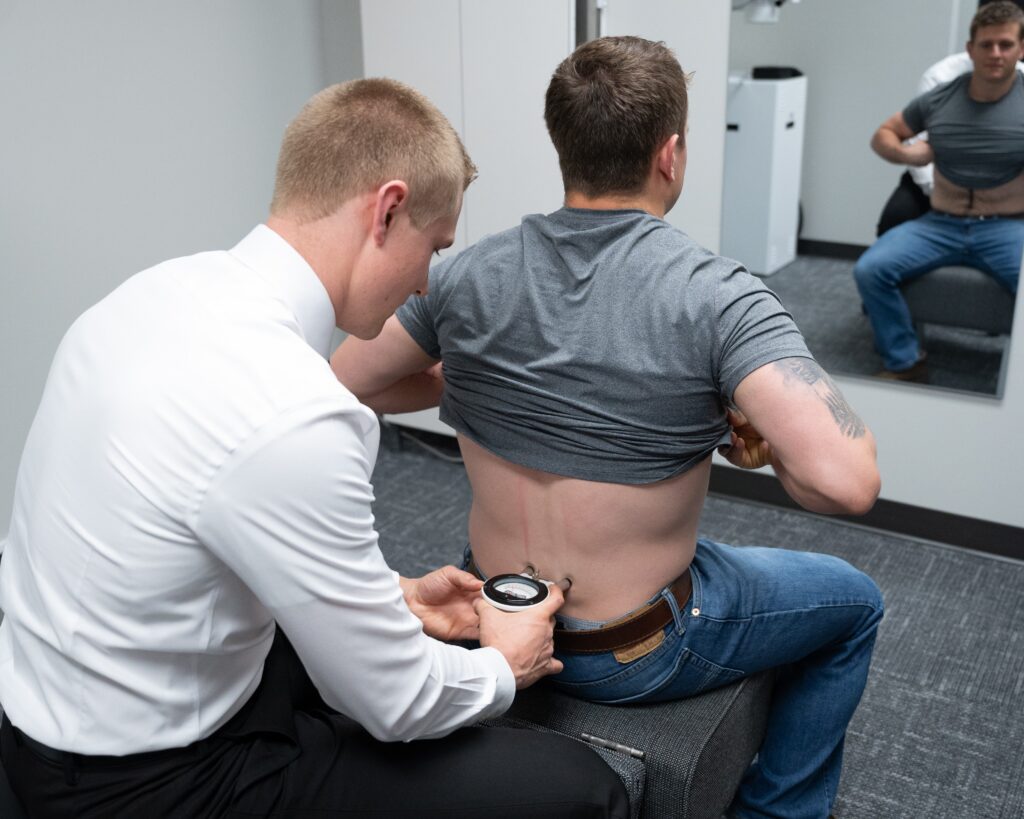
First, an accurate assessment of your pain is essential. You'll need to identify the type, location, and intensity of your back pain. This information helps you and your healthcare provider understand the underlying issues.
Next, setting specific and realistic goals is important. Think about what you want to achieve—whether it's reducing pain, improving mobility, or returning to certain activities. Having clear objectives keeps you motivated and focused.
Incorporating a variety of treatment modalities can also enhance your plan. This might include physical therapy, chiropractic care, or acupuncture, depending on what works best for you. Each method targets different aspects of your pain and recovery.
Equally important is a tailored exercise regimen. Engaging in specific exercises that strengthen your back and core muscles can alleviate pain and prevent future issues. A physical therapist can guide you in creating a safe and effective routine.
Don't forget about lifestyle modifications. You may need to adjust your posture, incorporate ergonomic furniture, or manage stress through mindfulness techniques. These changes create a supportive environment for healing.
Lastly, regular follow-ups with your healthcare provider are crucial. They'll help you monitor your progress, make necessary adjustments, and guarantee your personalized plan remains effective.
Benefits of Customized Approaches
Why settle for a one-size-fits-all approach when it comes to managing back pain? Customized approaches offer numerous benefits that can considerably enhance your recovery journey. When you tailor a plan specifically to your needs, you're more likely to address the root causes of your pain, rather than just masking symptoms. This means you can focus on the underlying issues, leading to more effective and lasting relief.
A personalized plan takes into account your unique anatomy, lifestyle, and health history. This individualized attention allows for strategies that fit your specific circumstances, whether it's adjusting your exercise routine or modifying daily activities to reduce strain. When you engage in a plan that resonates with you, you're more likely to stick with it, boosting your commitment and motivation.
Moreover, customized approaches can enhance your understanding of your body. You'll gain insights into what triggers your pain and what alleviates it, empowering you to make informed decisions about your health. This knowledge fosters a sense of control, which can be incredibly beneficial for your mental well-being.
Additionally, a tailored plan often integrates a variety of treatment modalities, from physical therapy to mindfulness practices. This holistic approach not only addresses physical symptoms but also nurtures mental resilience, helping you to cope with the emotional aspects of back pain.
Ultimately, investing in a customized approach means investing in yourself. You deserve a solution that's as unique as your back pain, and with a personalized plan, you can find the relief you need.
How to Create Your Plan
To develop an effective back pain management plan, start by evaluating your individual needs and circumstances. Consider the severity of your pain, its frequency, and any underlying health conditions. Take note of activities that trigger or alleviate your discomfort. This self-assessment will help you identify specific goals for your plan, such as reducing pain intensity or increasing mobility.
Next, consult with healthcare professionals, like a physical therapist or physician. They can provide valuable insights into your condition and suggest appropriate treatments tailored to your situation. Don't hesitate to ask questions; understanding your options is vital for effective management.
Once you've gathered information, create a balanced routine that incorporates various strategies. This could include exercises to strengthen your back, stretches to improve flexibility, and ergonomic adjustments in your workspace. Make certain to set realistic and measurable goals, like aiming for a certain number of pain-free days each week.
Incorporate self-care practices, such as mindfulness or relaxation techniques, to address the psychological aspects of pain. It's important to stay consistent with your plan, but also be open to adjustments. Your needs may change over time, so regularly reassess your plan to guarantee it remains effective.
Finally, document your progress. Keeping a pain journal can help you track improvements and identify patterns, making it easier to discuss your situation with healthcare providers. By taking these steps, you'll create a personalized back pain management plan that truly works for you.
Conclusion
Incorporating a personalized back pain plan is essential for your journey toward relief. By addressing your unique triggers and lifestyle factors, you empower yourself to take an active role in your care. The tailored approach not only fosters understanding and engagement but also greatly enhances your overall quality of life. As you create your plan, remember that your individual experiences matter, and the right strategy can lead to lasting relief and a healthier, more active lifestyle.