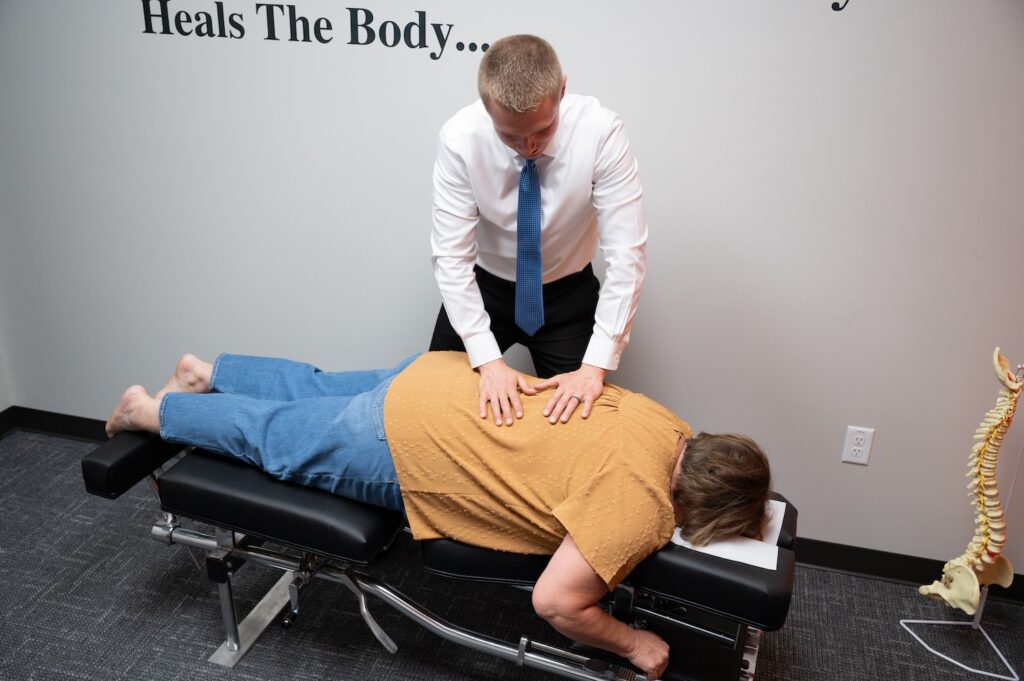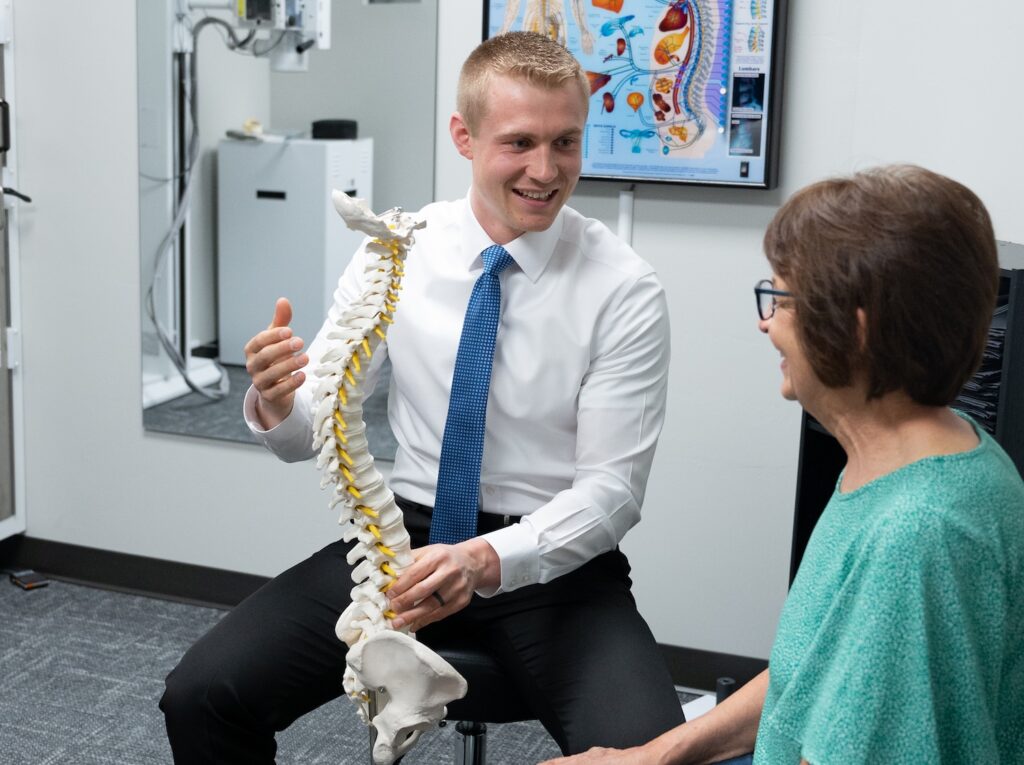

You might be surprised to learn that the key to relieving back pain often lies in personalized plans tailored just for you. By evaluating your unique medical history and lifestyle factors, these plans can pinpoint the root causes of your discomfort. Customized exercise regimens and nutritional strategies not only address your specific pain triggers but also promote long-term recovery. The power of active involvement in your treatment can greatly enhance your results, but what does that really look like in practice? Let's explore the essential components that make these plans effective.
Understanding Back Pain
Back pain can be a frustrating and debilitating experience that affects your daily life. You might find it difficult to perform simple tasks, enjoy your favorite activities, or even get a good night's sleep. Understanding back pain is vital to addressing it effectively. It can stem from various sources, including muscle strains, herniated discs, or even poor posture. Knowing the root cause of your pain is the first step in finding relief.
Your back's structure is complex, composed of bones, muscles, ligaments, and nerves. When any part of this intricate system is compromised, pain can arise. For instance, a muscle strain may occur from lifting something heavy or twisting awkwardly. Conversely, conditions like arthritis can result from wear and tear over time, leading to chronic discomfort.
You may also experience pain that radiates to other areas, like your legs or feet, indicating nerve involvement. It's important to pay attention to any accompanying symptoms, such as numbness or tingling, as they could signal a more serious issue.
Additionally, lifestyle factors play a significant role in your back health. Sedentary habits, obesity, and stress can all contribute to back pain. By recognizing these elements, you can take proactive steps toward prevention and management.
Understanding back pain not only empowers you to seek appropriate treatment but also helps you make informed choices about your daily activities, ultimately leading you toward a healthier, pain-free life.
The Importance of Personalization
When it comes to managing back pain, one size definitely doesn't fit all. Each person experiences back pain differently, influenced by a range of factors such as lifestyle, body mechanics, and underlying medical conditions. That's why personalization is essential in any treatment plan. What works for someone else mightn't work for you, and you deserve a solution tailored to your specific needs.
Personalized plans take into account your unique pain triggers and patterns. By focusing on individual circumstances, these plans can address the root causes of your discomfort rather than just masking the symptoms. Whether it's your job, daily activities, or physical condition, a customized approach helps identify the most effective strategies for relief.
Moreover, personalized plans encourage active participation in your recovery. When you're involved in creating a treatment strategy that reflects your lifestyle and preferences, you're more likely to stick with it. This commitment can lead to better outcomes and improved overall well-being. Understanding your own body and how it reacts to different therapies empowers you to make informed decisions.
Lastly, personalization fosters a supportive relationship with healthcare providers. By working closely with professionals who understand your specific situation, you can receive guidance and encouragement tailored to your journey. This collaborative approach not only enhances your trust in the process but also increases your chances of successfully managing back pain over the long term.
Components of a Personalized Plan
Creating a personalized plan for your back pain starts with an individual assessment to pinpoint your specific needs.
From there, you'll engage in tailored exercise regimens designed to strengthen and support your back.
Nutritional considerations also play an essential role in your recovery, helping you fuel your body for ideal health.
Individual Assessment Techniques
Understanding your unique pain profile is essential for developing an effective personalized plan for back pain relief. Individual assessment techniques help identify the specific factors contributing to your discomfort. This process often begins with a thorough medical history review, where you'll discuss previous injuries, existing conditions, and lifestyle habits.
Next, a physical examination can pinpoint areas of tension or weakness. Your healthcare provider may assess your posture, flexibility, and range of motion, all of which play a critical role in understanding your pain. You might also undergo specific tests to evaluate your nerve function or muscle strength.
In addition, questionnaires can provide valuable insights into your pain levels, daily activities, and emotional well-being. This information helps create a holistic view of your situation.
Finally, diagnostic imaging, such as X-rays or MRIs, can be used to reveal underlying structural issues. By combining these techniques, you gain an extensive understanding of your back pain, enabling the creation of a personalized plan that addresses your unique needs.
This tailored approach increases the likelihood of effective and long-lasting relief.
Tailored Exercise Regimens
Tailored exercise regimens form an essential part of your personalized plan for managing back pain. These regimens address your specific needs, helping you strengthen muscles, improve flexibility, and enhance overall function.
By focusing on exercises that target your unique pain points, you'll not only alleviate discomfort but also prevent future injuries. Your regimen may include a mix of stretching, strengthening, and aerobic exercises.
For instance, gentle stretches can improve flexibility, while strengthening exercises target your core muscles, providing better support for your spine. Aerobic activities, like walking or swimming, can boost circulation and promote healing.
It's vital to start slow and gradually increase the intensity of your workouts. This approach allows your body to adapt and minimizes the risk of aggravating your pain.
You might also want to incorporate balance exercises to enhance stability, reducing the likelihood of falls and further injury.
Nutritional Considerations Included
A well-rounded approach to managing back pain includes paying attention to your nutritional needs. The foods you eat can greatly influence inflammation levels and muscle health, which are essential for back support. Incorporating anti-inflammatory foods like fatty fish, leafy greens, and nuts can help reduce pain and promote healing.
Don't forget to stay hydrated! Water is necessary for maintaining healthy disc function and cushioning your spine. Aim for at least eight glasses a day, adjusting based on your activity level.
Additionally, consider your calcium and vitamin D intake. These nutrients are important for bone health, which is especially significant if you're dealing with back pain. Dairy products, fortified plant-based milks, and green vegetables can supply these nutrients.
Finally, be mindful of your weight. Carrying excess weight can put extra strain on your back, exacerbating pain. Focus on a balanced diet rich in whole foods, lean proteins, and healthy fats to help maintain a healthy weight.
Techniques for Pain Relief
While back pain can be debilitating, various techniques for pain relief can help you regain control and improve your quality of life. One of the most effective methods is physical therapy, which involves targeted exercises to strengthen your back and core muscles. A qualified therapist can create a personalized plan that addresses your specific pain points, helping you gradually increase mobility and decrease discomfort.
Another technique worth considering is mindfulness and relaxation techniques such as yoga or meditation. These practices not only reduce stress but also enhance body awareness, allowing you to better manage your pain. Incorporating deep breathing exercises can also help you relax your muscles and alleviate tension.
Heat and cold therapy are two simple yet effective approaches you can easily implement at home. Applying a heating pad can increase blood flow and relax tight muscles, while cold packs can reduce inflammation and numb sharp pain. Alternate between these methods based on your current symptoms for ideal relief.
Over-the-counter medications, such as non-steroidal anti-inflammatory drugs (NSAIDs), can provide temporary relief from pain and inflammation. However, consult your healthcare provider before starting any medication to verify it's appropriate for your situation.
Lastly, consider ergonomic adjustments in your daily activities, like using supportive chairs, maintaining proper posture, and taking regular breaks during prolonged sitting. These small changes can considerably reduce the strain on your back and contribute to long-term pain relief.
Success Stories and Evidence
Many individuals have found success in managing their back pain through personalized plans that incorporate various techniques. These plans often combine physical therapy, exercise, and mindfulness practices tailored to each person's unique needs.
The experiences of those who've embraced this approach serve as powerful evidence of its effectiveness.
You might resonate with the stories of individuals who transformed their lives after implementing personalized strategies:
- A mother of three who struggled to lift her children due to debilitating pain found relief through a customized stretching routine, allowing her to engage fully in family activities again.
- A desk-bound professional discovered that incorporating short, targeted exercises and ergonomic adjustments into his workday greatly reduced his discomfort, enabling him to focus better and enjoy his hobbies without pain.
- An elderly couple who'd resigned themselves to a sedentary lifestyle regained their mobility through a tailored exercise plan, allowing them to travel and enjoy their golden years together.
These success stories illustrate the profound impact personalized plans can have. Not only do they address the physical aspects of back pain, but they also enhance overall well-being and quality of life.
As more individuals share their experiences, it's becoming increasingly clear that a one-size-fits-all approach simply doesn't work. Instead, by embracing a personalized plan, you can reclaim your life and find relief that truly resonates with your unique situation.
Creating Your Own Plan
Crafting a personalized plan for back pain can be your key to lasting relief and improved mobility. Start by evaluating your specific pain triggers and patterns.
Consider keeping a journal to track your daily activities, pain levels, and any relief strategies you've tried. This will help you identify which movements or positions exacerbate your discomfort.
Next, consult a healthcare professional to discuss your findings. They can provide guidance and recommend exercises tailored to your needs.
Focus on exercises that strengthen your core, improve flexibility, and promote proper posture. Incorporate gentle stretching or yoga to enhance your range of motion and ease tension in your back.
Don't forget to assess your daily habits. Simple adjustments, like using an ergonomic chair, maintaining good posture while sitting, or practicing proper lifting techniques, can greatly reduce strain on your back.
Make these changes part of your routine.
In addition, consider integrating relaxation techniques such as deep breathing or mindfulness meditation. These practices can help manage stress, which often contributes to muscle tension and pain.
Lastly, be patient and stay committed to your plan. It may take time to see improvements, so celebrate small victories along the way.
Remember that consistency is key to achieving lasting relief. Adjust your plan as necessary based on your progress, and don't hesitate to seek support from professionals or support groups.
You're on the path to a healthier, more mobile life!
Maintaining Long-Term Results
Sticking to your personalized plan is essential for maintaining long-term results with back pain relief. It's not just about finding temporary relief; it's about creating lasting change in your body and lifestyle.
When you commit to your plan, you empower yourself to regain control over your back health.
To help you stay motivated, consider these three key reasons why long-term adherence is vital:
- Consistency Builds Strength: Regularly following your exercises and stretches helps build core strength and flexibility, reducing the likelihood of future pain. The more consistent you are, the stronger your back becomes.
- Prevention is Key: Sticking to your plan not only alleviates current pain but also helps prevent flare-ups. By maintaining a routine, you're actively working to avoid the cyclical nature of back pain that many experience.
- Mental Wellness Matters: Chronic pain can take a toll on your mental health. Following your personalized plan can foster a sense of accomplishment and improve your mood, creating a positive feedback loop that reinforces your commitment.
Conclusion
To sum up, personalized plans are key to effectively relieving back pain. By understanding your unique triggers and working closely with healthcare providers, you can create a tailored approach that fits your lifestyle. Incorporating specific exercises and nutritional strategies not only helps alleviate pain but also empowers you to take charge of your long-term back health. Remember, commitment to your personalized plan is essential for maintaining results and enhancing your overall well-being. Start your journey to a pain-free life today!