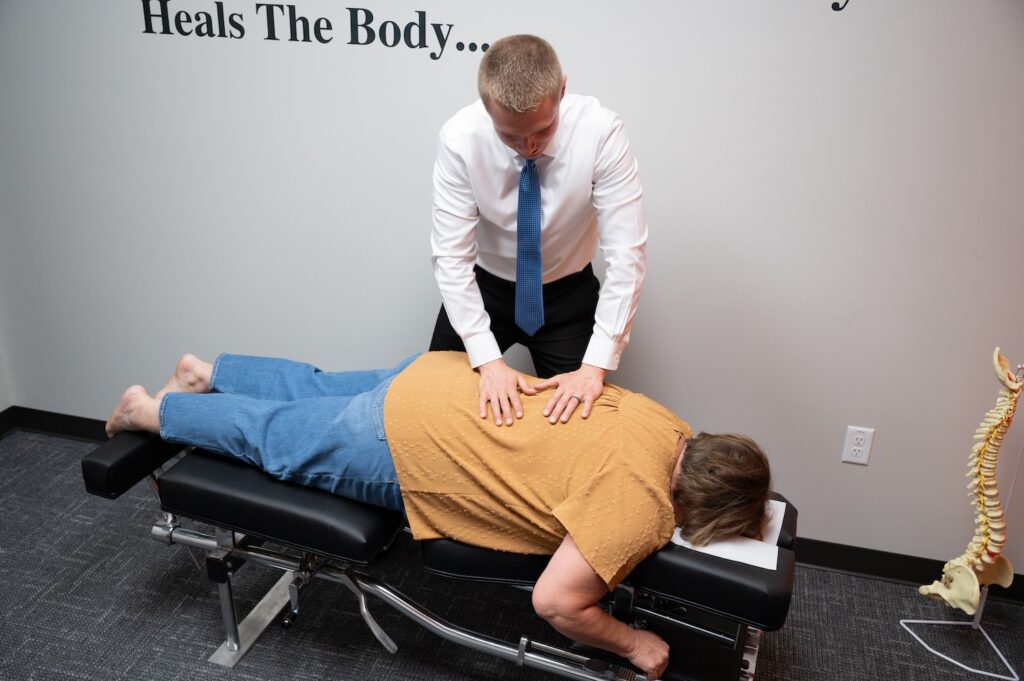

You might think of long-term preventative care as just a way to avoid illness, but there's so much more to it. It not only helps catch health issues early, but it can also enhance your mental well-being and lead to significant cost savings over time. You'll likely find that it even improves your overall quality of life and strengthens your personal relationships. Curious about how these benefits unfold in everyday life and what they could mean for you?
Early Detection of Health Issues
Detecting health issues early can greatly improve treatment outcomes and overall well-being. When you engage in long-term preventative care, you're not just visiting the doctor for your annual check-up; you're actively participating in your health journey. Regular screenings and assessments allow you to catch potential problems before they escalate into more serious conditions.
For instance, if you regularly monitor your blood pressure and cholesterol levels, you can identify any concerning trends early on. This proactive approach means that you can make lifestyle adjustments or seek medical intervention sooner, potentially avoiding complications later. The earlier you address a health issue, the more treatment options you'll likely have, which can lead to a more favorable prognosis.
Moreover, early detection often results in less intensive treatments and fewer healthcare costs. You're less likely to need emergency care or extensive procedures if you manage conditions early. Think about it: a small change in your routine, like incorporating regular screenings, can save you time, money, and stress in the long run.
Additionally, early detection can enhance your quality of life. Knowing your health status empowers you to make informed decisions and take control of your wellbeing. You can focus on maintaining your health rather than reacting to crises.
Enhanced Mental Well-Being
Taking charge of your health through long-term preventative care not only leads to early detection of physical health issues but also greatly boosts your mental well-being. When you prioritize regular check-ups and screenings, you're actively engaging in a lifestyle that promotes not just physical health, but mental resilience too. Knowing that you're taking proactive steps to manage your health can considerably reduce anxiety and stress associated with uncertainty about your well-being.
By committing to a preventative care routine, you create a sense of control over your life. This empowerment can enhance your self-esteem and overall outlook on life. Every appointment you attend is a reminder that you're investing in yourself, which fosters a positive mindset.
Furthermore, these routines often encourage healthy habits, like exercise and balanced nutrition, which are essential for mental health.
Being proactive about your health can also lead to stronger relationships. As you share your experiences and knowledge with friends and family, you create a supportive network that can alleviate feelings of isolation. Engaging in discussions about health and wellness not only builds connections, but it also reinforces your commitment to self-care.
In essence, long-term preventative care is about more than just avoiding illness; it's a holistic approach that nurtures your mental health. By taking these vital steps, you're not only safeguarding your future but enhancing your present mental well-being, allowing you to live a more fulfilling life.
Cost Savings Over Time
Regularly investing in long-term preventative care can lead to significant cost savings over time. When you prioritize your health through routine check-ups, screenings, and vaccinations, you're not only protecting yourself from serious illnesses but also reducing the likelihood of costly medical emergencies down the line.
By catching potential health issues early, you can often address them with less invasive and less expensive treatments. Think about it: a simple annual physical can help identify risks like high blood pressure or high cholesterol before they escalate into more severe conditions that require hospitalization or extensive medical procedures.
These proactive measures aren't just about maintaining your health; they also keep your healthcare costs manageable. Additionally, many insurance plans offer incentives for preventative care, such as reduced premiums or lower co-pays for regular wellness visits.
Taking advantage of these benefits can further decrease your overall healthcare expenses. Plus, when you maintain good health, you're less likely to miss work due to illness, which means you won't lose income during recovery periods.
Over time, these savings can really add up. You might find that the money you invest in preventative care today will save you from even larger expenses in the future.
Improved Quality of Life
One of the most important benefits of long-term preventative care is the improved quality of life it offers. When you engage in regular check-ups and screenings, you not only catch potential health issues early but also maintain a proactive approach to your well-being. This means you can live with greater confidence, knowing you're taking steps to protect your health.
By staying on top of your health, you reduce the likelihood of chronic diseases and complications. This proactive mindset allows you to enjoy daily activities without the burden of worrying about sudden health issues. You'll find that your energy levels improve, making it easier to engage in physical activities you love, whether it's hiking, dancing, or simply playing with your kids.
Moreover, long-term preventative care often leads to better mental health as well. Knowing you're prioritizing your health can alleviate anxiety and stress, leaving you feeling more balanced and fulfilled. You'll likely experience fewer sick days, which allows you to focus on your passions and goals, enhancing your overall happiness.
Additionally, when you're healthier, you're more likely to participate in social activities. This engagement can lead to a more fulfilling life, filled with experiences that enrich your existence.
To summarize, by committing to long-term preventative care, you're not just investing in your health; you're greatly enhancing your quality of life, making each day more vibrant and enjoyable.
Strengthened Personal Relationships
Fostering strong personal relationships becomes much easier when you prioritize your health through long-term preventative care. When you take charge of your health, you not only improve your physical well-being but also enhance your emotional stability. This balance allows you to be more present and engaged with those around you. Friends, family, and partners appreciate your energy and the enthusiasm you bring to your interactions.
By committing to regular check-ups and preventative measures, you're investing in your future. This commitment can inspire those close to you to do the same, creating a ripple effect of health consciousness in your circle. As you support each other in maintaining a healthy lifestyle, you'll find that your connections deepen. Shared activities, like exercising together or cooking nutritious meals, become bonding experiences that strengthen your relationships.
Additionally, when you're healthier, you're often more emotionally available. You can listen better, empathize more deeply, and communicate effectively, which are all essential elements of strong relationships. You're less likely to feel overwhelmed by stress or fatigue, allowing you to celebrate the good times and navigate the tough ones together.
In essence, prioritizing your health lays the groundwork for richer, more fulfilling relationships. As you cultivate a healthier lifestyle through long-term preventative care, you're not just investing in yourself; you're enhancing the quality of your interactions and the overall support system around you.
Stronger relationships lead to a happier life, creating a positive feedback loop that benefits everyone involved.
Conclusion
Incorporating long-term preventative care into your routine can transform your life in unexpected ways. By prioritizing regular check-ups, you not only catch health issues early but also boost your mental well-being, save on medical costs, and enhance your overall quality of life. Plus, as you focus on your health, you'll likely find that your relationships flourish too. Embrace these benefits and take charge of your health—you'll be amazed at the positive changes that follow!