
When you're dealing with chronic pain, it's easy to feel overwhelmed and uncertain about your next steps. Seeking professional care can provide you with the guidance and support you need to effectively manage your pain. It's not just about finding quick relief; it's about understanding the underlying causes and exploring tailored treatment options that fit your lifestyle. By collaborating with healthcare professionals, you can craft a management plan that genuinely enhances your quality of life. But what are the specific benefits of this approach, and how can it truly transform your experience with pain?
Understanding Chronic Pain
Understanding chronic pain starts with recognizing its complexity. It's not just about the physical sensation; it involves emotional, psychological, and social factors that can greatly impact your life. You might experience pain that lasts longer than three months, often outlasting the initial cause, which can be frustrating. This persistent discomfort might stem from conditions like arthritis, fibromyalgia, or previous injuries, but it doesn't always have a clear origin.
You may find that chronic pain affects your mood, leading to feelings of anxiety or depression. The brain's response to pain can create a cycle that makes the experience even more challenging. The more you dwell on the pain, the more intense it can feel, affecting your daily activities and relationships. It's essential to recognize how your thoughts and emotions can influence your perception of pain.
Additionally, your lifestyle choices play a major role in managing chronic pain. Factors like diet, exercise, and sleep quality can either exacerbate or help alleviate your symptoms. Understanding these interconnected aspects can empower you to take control of your situation.
Moreover, you should consider the impact of your environment, social connections, and support systems. They can either contribute to your pain experience or help you cope with it. Recognizing the multifaceted nature of chronic pain is the first step in steering your journey toward relief and improved well-being.
Benefits of Professional Care
Seeking professional care for chronic pain can greatly enhance your quality of life, especially when self-management strategies fall short. When you consult with healthcare professionals, you gain access to a wealth of knowledge and experience tailored specifically for your situation. This guidance can lead to more effective pain management and improved daily functioning.
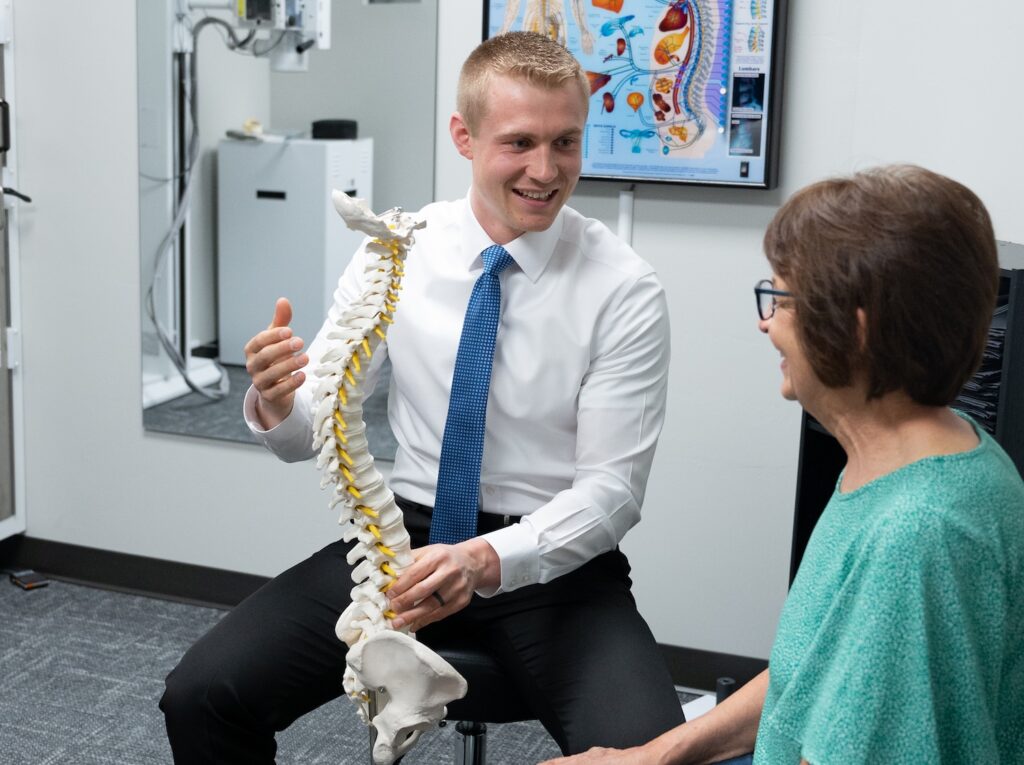
One significant benefit of professional care is the extensive assessment you'll receive. A skilled practitioner can evaluate your pain's underlying causes and help identify contributing factors, which mightn't be obvious to you. This thorough understanding allows for a more targeted approach to your treatment.
Additionally, professional care provides a supportive environment where you can openly discuss your concerns and experiences. This validation can be vital in combating feelings of isolation and frustration often associated with chronic pain.
Here are a few more benefits of seeking professional care:
- Personalized Treatment Plans: You'll receive a plan tailored to your specific needs, rather than a one-size-fits-all approach that may not address your unique situation.
- Access to Resources: Professionals can connect you with other helpful resources, like physical therapy or support groups, enhancing your overall care.
- Ongoing Support: Regular check-ins with your care team confirm your treatment remains effective and can be adjusted as necessary.
Treatment Options Available
With a solid foundation of professional care, you can explore various treatment options tailored to your chronic pain needs. These options range from medication to physical therapy, ensuring you find the right approach for your situation.
Medications are often the first line of defense in managing chronic pain. Over-the-counter options like ibuprofen or acetaminophen can help, but your doctor might prescribe stronger medications, including opioids or anti-inflammatory drugs, depending on your pain's severity.
It's vital to discuss the potential risks and benefits of these medications with your healthcare provider.
Physical therapy can also play a significant role in pain management. A trained therapist can design a personalized exercise program to strengthen the muscles around your painful areas, improve your mobility, and teach you techniques to reduce pain during daily activities.
This hands-on approach can empower you to take control of your pain.
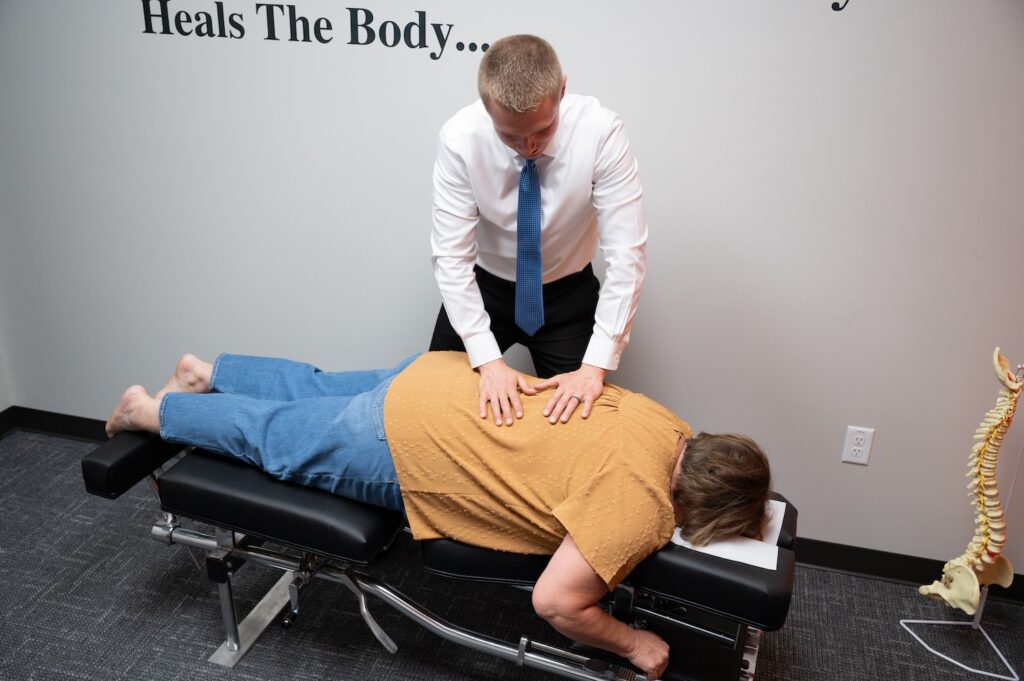
Additionally, alternative therapies like acupuncture or chiropractic care may offer relief for some individuals. These methods focus on holistic treatment, addressing both physical and emotional aspects of pain.
You might also consider cognitive-behavioral therapy (CBT), which can help you develop coping strategies and change negative thought patterns related to your pain.
Lastly, lifestyle modifications can make a big difference. Incorporating regular exercise, a balanced diet, and stress management techniques can improve your overall well-being.
Tailored Management Plans
Creating a tailored management plan for chronic pain is fundamental for effective treatment and improved quality of life. Every individual experiences pain differently, and what works for one person mightn't work for another. That's why customizing your pain management approach is essential.
By collaborating with healthcare professionals, you can develop a plan that suits your unique needs and lifestyle.
Here are a few key components to reflect on when creating your tailored management plan:
- Assessment of Pain: Understanding the type and intensity of your pain is the first step. Keep a journal to track your symptoms, triggers, and how they affect your daily activities. This information helps your healthcare provider develop an effective strategy.
- Combination of Treatments: Your plan should incorporate various treatment modalities. This might include medications, physical therapy, psychological support, and alternative therapies. Combining approaches often yields better results than relying on a single method.
- Regular Monitoring and Adjustments: Your pain management plan isn't set in stone. Regular follow-ups with your healthcare provider are important to assess the plan's effectiveness.
Be prepared to make adjustments based on your progress, side effects, or any new issues that arise.
Enhancing Quality of Life
Enhancing your quality of life while managing chronic pain is essential for achieving overall well-being. When you focus on improving your daily experiences, you're not just coping with pain; you're actively seeking joy and fulfillment. One effective way to do this is by establishing a routine that incorporates enjoyable activities.
Whether it's engaging in hobbies you love, spending time with family, or simply taking a walk in nature, these moments can greatly uplift your spirits.
Additionally, consider the importance of social connections. Surrounding yourself with supportive friends and family can provide emotional relief and help you feel less isolated in your struggles. Sharing your experiences with others who understand can also be incredibly validating.
Don't underestimate the impact of self-care practices either. Techniques like mindfulness, meditation, or gentle yoga can create a sense of calm and help you manage stress, which often exacerbates chronic pain. By taking time for yourself, you're prioritizing your mental health, which directly influences your physical well-being.
Finally, remember to communicate openly with your healthcare provider about your quality of life goals. They can offer strategies and treatments tailored to your specific needs, reinforcing your efforts to enhance your well-being.
Conclusion
In seeking care for chronic pain management, you're taking a crucial step toward reclaiming your quality of life. Professional support helps you understand your pain and explore effective treatment options tailored to your needs. By collaborating with healthcare providers, you can create a personalized management plan that addresses your unique challenges. Remember, you don't have to navigate this journey alone—together, you can find ways to enhance your well-being and regain control over your life.