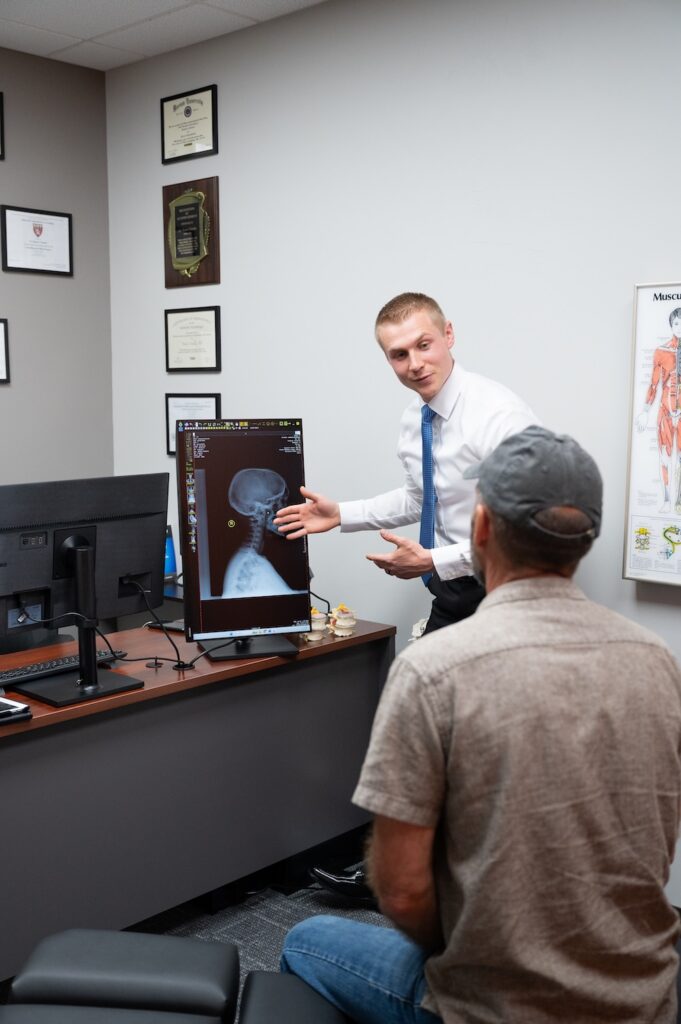

If you're struggling with anxiety, you might not realize how much your spine could be contributing to your stress levels. Misalignments in your spine can disrupt the communication between your brain and body, leading to heightened tension and unease. Chiropractic care offers a pathway to restore this balance, potentially reducing your anxiety symptoms considerably. But what specific benefits can you expect from spinal adjustments, and how do they intersect with other holistic approaches? Understanding this connection could be the key to revealing a more relaxed state of mind.
Understanding Anxiety and Its Effects
Anxiety affects millions of people, creating a constant sense of worry and unease that can interfere with daily life. You might find yourself feeling tense, restless, or easily fatigued, struggling to focus on tasks or enjoy activities you once loved. These symptoms can escalate, leading to irritability and difficulty sleeping.
It's not just a fleeting feeling; anxiety can become overwhelming, affecting your physical and mental health. When you experience anxiety, your body responds as if it's facing a threat. This fight-or-flight response triggers a release of stress hormones, increasing your heart rate and blood pressure.
You may notice physical symptoms like headaches, muscle tension, or digestive issues. These reactions can create a vicious cycle—your body's stress response can lead to more anxiety, making it hard to break free from the grip of worry.
Understanding anxiety's effects is essential for managing it effectively. You've likely heard about various coping strategies, from mindfulness to therapy, but recognizing the underlying mechanisms can empower you to take action.
By identifying your triggers and understanding how anxiety manifests in your life, you can begin to develop healthier coping mechanisms. This knowledge can help you regain control and reduce the impact anxiety has on your daily experiences.
The Role of the Spine
The spine plays a significant role in your overall health, including how your body handles stress and anxiety. It's not just a structural support; it's also a key component of your nervous system. The spine houses and protects your spinal cord, which transmits signals between your brain and the rest of your body.
When your spine is aligned and functioning properly, your nervous system can communicate effectively, helping your body respond to stressors more efficiently. Misalignments in the spine, often referred to as subluxations, can disrupt this communication.
When these misalignments occur, you may experience a range of issues, including increased tension and discomfort. This tension can amplify feelings of anxiety and stress, creating a cycle that's hard to break. By addressing these spinal misalignments through chiropractic adjustments, you can enhance your body's ability to manage stress.
Moreover, a well-aligned spine promotes better blood flow, which is essential for delivering oxygen and nutrients to your brain and other important organs. This improved circulation can lead to a more balanced mood and a greater sense of calm.
When your body feels good, your mind often follows suit. Remember, your spine isn't just about posture; it's about maintaining a healthy connection between your body and mind. By taking care of your spine, you're investing in your overall well-being and creating a solid foundation for managing anxiety.
How Stress Affects the Body
Stress can have a profound impact on your body, triggering a cascade of physiological responses that can affect your overall well-being. When you experience stress, your body activates the fight-or-flight response, releasing hormones like cortisol and adrenaline. These hormones prepare you to react quickly, but if stress becomes chronic, this response can lead to various health issues.
You might notice physical symptoms like headaches, muscle tension, or fatigue. These symptoms arise because your muscles tighten in response to stress, creating discomfort and pain. Over time, this tension can lead to chronic pain conditions, affecting your mobility and quality of life.
Moreover, stress can impact your digestive system. You may experience issues like stomach cramps, diarrhea, or constipation. The connection between your brain and gut means that stress can disrupt your digestive processes, making you feel unwell.
Your immune system isn't spared either. Chronic stress can weaken your immune response, increasing your susceptibility to illnesses. You might find yourself getting sick more often or struggling to recover from infections.
Additionally, stress can affect your sleep patterns. You may find it hard to fall asleep or stay asleep, leading to fatigue and irritability. This lack of restorative sleep can further exacerbate stress, creating a vicious cycle.
Recognizing how stress affects your body is vital. By understanding these impacts, you can take steps toward managing stress more effectively, promoting overall health and well-being.
Identifying stressors and finding healthy coping mechanisms is essential for breaking this cycle.
Chiropractic Care Explained
Chiropractic care offers various benefits that can help improve your overall well-being, especially in managing anxiety.
By using specific techniques for spinal adjustments, chiropractors can alleviate tension and promote relaxation in your body.
Understanding these methods can empower you to make informed decisions about your health.
Benefits of Chiropractic Care
Many people find themselves seeking relief from various ailments, and chiropractic care stands out as a popular option. Its benefits extend beyond just physical health, providing holistic support for your overall well-being.
By focusing on spinal adjustments, chiropractic care can help you access a range of advantages that enhance your daily life.
Here are some key benefits you might experience:
- Pain Relief: Chiropractic adjustments can alleviate chronic pain, including headaches, back pain, and joint discomfort, allowing you to move freely and comfortably.
- Improved Mobility: Regular chiropractic care can enhance your range of motion and flexibility, making everyday activities easier and more enjoyable.
- Stress Reduction: By promoting spinal alignment, chiropractic care can help lower anxiety levels, contributing to a calmer, more balanced mood.
Incorporating chiropractic care into your wellness routine can lead you to a healthier lifestyle.
You'll likely notice improvements not only in physical symptoms but also in your mental clarity and emotional resilience.
Embracing this natural approach could be the key to reducing anxiety and enhancing your quality of life.
Techniques for Spinal Adjustments
Spinal adjustments are essential to effective chiropractic care, employing various techniques tailored to your specific needs. One common method is the Diversified technique, where your chiropractor uses hands-on adjustments to manipulate your spine, improving alignment and function. This technique is often quick and can produce noticeable relief.
Another popular approach is the Activator Method, which utilizes a small device to deliver a gentle impulse to specific areas of your spine. This method is especially beneficial if you prefer a less forceful adjustment.
The Gonstead technique focuses on detailed analysis and precise adjustments, ensuring each area is correctly addressed. Your chiropractor might also employ the Thompson technique, which uses a specialized table that drops when pressure is applied, enhancing the effectiveness of the adjustment.
Additionally, soft tissue techniques, such as myofascial release, can complement spinal adjustments by relieving muscle tension and promoting relaxation.
Each technique has its advantages, and your chiropractor will choose the best one based on your condition and comfort level. By understanding these techniques, you can engage more actively in your chiropractic care and maximize the benefits for your overall well-being.
Benefits of Spinal Adjustments
Spinal adjustments can considerably reduce stress, helping you feel more relaxed and centered.
You'll likely notice improvements in your sleep quality as well, making it easier to recharge and face daily challenges.
Exploring these benefits can lead to a healthier, more balanced life.
Stress Reduction Techniques
Regularly incorporating spinal adjustments into your wellness routine can greatly reduce stress and anxiety.
By aligning your spine and improving your nervous system function, you can experience a range of benefits that directly impact your mental well-being. The connection between physical and emotional health is strong, and spinal adjustments help facilitate that connection.
Here are a few stress reduction techniques you can expect from your chiropractic care:
- Improved posture: Adjustments can correct poor posture, which often leads to physical discomfort and tension, contributing to stress.
- Enhanced relaxation: By relieving pressure on nerves, spinal adjustments can induce a state of relaxation, making it easier for you to unwind after a long day.
- Increased blood flow: Proper spinal alignment promotes better circulation, ensuring that your body receives the oxygen and nutrients it needs to function efficiently and combat stress.
Improved Sleep Quality
A good night's sleep is essential for overall well-being, and chiropractic care can play a significant role in enhancing your sleep quality. Many people struggle with insomnia or restless nights, often due to factors like stress, anxiety, or discomfort. By addressing spinal misalignments, chiropractic adjustments can help alleviate these issues, promoting a more restful sleep.
When your spine is aligned, your nervous system functions efficiently, reducing tension and allowing your body to relax. This can lead to decreased anxiety levels, which often interfere with your ability to fall and stay asleep.
Additionally, chiropractic adjustments can improve circulation and reduce pain, making it easier for you to drift off and stay asleep throughout the night.
Regular visits to a chiropractor can also help establish a routine that signals to your body that it's time to unwind. The overall reduction in physical and mental stress can create a calming effect, allowing you to enjoy deeper, more restorative sleep.
Connection Between Spine and Nervous System
The connection between your spine and nervous system plays an important role in your overall health and well-being. Your spine houses the spinal cord, which is a vital part of the central nervous system. This intricate relationship means that any misalignments or issues in the spine can directly impact your nervous system's function, leading to various health concerns, including anxiety.
When your spine is aligned correctly, it allows for ideal communication between your brain and body. Here are a few ways this connection influences your health:
- Nerve Function: Proper spinal alignment guarantees that nerves can transmit signals effectively. Disruptions can lead to pain, discomfort, and heightened anxiety levels.
- Stress Response: An aligned spine helps regulate your body's stress response. When it's out of alignment, your body may react with increased tension, which can amplify feelings of anxiety.
- Overall Wellness: A healthy spine contributes to better overall health. When your nervous system functions well, you're more likely to experience improved mood and reduced anxiety.
Research Supporting Chiropractic Treatment
Research increasingly supports the effectiveness of chiropractic treatment in reducing anxiety. Numerous studies have shown a positive correlation between spinal adjustments and decreased anxiety levels, highlighting how this alternative therapy can be a valuable part of your mental health toolkit.
For instance, a study published in the *Journal of Manipulative and Physiological Therapeutics* found that individuals receiving chiropractic care reported significant reductions in anxiety symptoms compared to those who did not.
You might be wondering how this works. Chiropractic adjustments can help improve spinal alignment, which in turn supports peak nervous system function. When your spine is properly aligned, it may enhance communication between your brain and body, leading to a more balanced stress response.
Other research has explored the relationship between physical pain and anxiety. If you're experiencing discomfort, it can exacerbate feelings of stress and anxiety. By addressing these physical symptoms through chiropractic care, you may find it easier to manage your anxiety levels.
Additionally, many chiropractic clinics incorporate holistic approaches, such as lifestyle counseling and exercise recommendations, further promoting mental well-being.
Techniques Used in Chiropractic Adjustments
When it comes to chiropractic adjustments, various techniques are employed to address misalignments in the spine and promote overall wellness. Each technique is designed to cater to your specific needs and comfort level, ensuring that you receive the most effective care possible.
Here are a few common techniques you might encounter during your chiropractic visits:
- Diversified Technique: This is one of the most widely used methods. It involves a hands-on approach where the chiropractor uses quick, precise thrusts to realign the spine, often producing a popping sound that indicates the joint is moving back into place.
- Gonstead Technique: Focused on specific areas of the spine, this technique emphasizes thorough examination and analysis. It often utilizes x-rays for a detailed assessment, allowing for targeted adjustments that can lead to significant relief.
- Activator Method: If you prefer a gentler approach, this technique uses a small handheld device to deliver controlled impulses to the spine. It's particularly beneficial for individuals who may be uncomfortable with traditional manual adjustments.
These techniques not only help alleviate physical discomfort but can also contribute to reducing anxiety by restoring balance to your body.
Holistic Approaches to Anxiety Relief
When it comes to reducing anxiety, understanding the mind-body connection can be a game changer for you.
Exploring natural remedies and making lifestyle modifications can greatly impact your overall well-being.
Let's look at how these holistic approaches can help you find relief.
Mind-Body Connection
Understanding the mind-body connection is essential for anyone seeking holistic approaches to anxiety relief. This connection emphasizes how your mental state can influence your physical health and vice versa.
When you experience anxiety, your body often responds with tension, discomfort, and other symptoms, creating a cycle that can be hard to break. You can enhance your overall well-being by recognizing and nurturing this connection.
Here are a few ways to strengthen the mind-body connection for anxiety relief:
- Mindfulness Practices: Engaging in mindfulness meditation helps you stay present and reduces racing thoughts. This can create a sense of calm and clarity.
- Breath Control: Focusing on your breath can activate your body's relaxation response, countering feelings of anxiety. Simple breathing exercises can be done anywhere, anytime.
- Physical Activity: Regular movement, whether through yoga, walking, or dancing, releases endorphins that improve mood. It also helps release pent-up tension in your body.
Natural Remedies Overview
Natural remedies offer a holistic approach to anxiety relief, tapping into the body's innate ability to heal itself. When you explore these options, you can find various techniques that complement traditional treatments.
Herbal supplements like chamomile and kava may help calm your nerves, while essential oils such as lavender can create a soothing atmosphere, reducing stress levels.
Mindfulness practices, including meditation and yoga, encourage you to focus on the present moment, which can be transformative in managing anxiety. These practices not only promote relaxation but also help you develop a greater awareness of your thoughts and feelings.
Additionally, deep breathing exercises can quickly ground you during anxious moments, providing immediate relief.
Incorporating dietary changes can also play a significant role. Foods rich in omega-3 fatty acids, such as salmon, and those high in magnesium, like leafy greens, can boost your mood.
Staying hydrated and maintaining balanced blood sugar levels are essential for emotional stability as well.
Lifestyle Modifications Impact
Lifestyle modifications can greatly impact your anxiety levels, offering effective strategies for relief. By making small changes in your daily routine, you can create a more balanced and peaceful lifestyle. Here are three key areas to focus on:
- Diet: Eating a balanced diet rich in whole foods, fruits, and vegetables can enhance your mood and energy levels. Avoid excessive caffeine and sugar, as they can exacerbate anxiety.
- Exercise: Regular physical activity releases endorphins, which can help reduce stress and anxiety. Aim for at least 30 minutes of exercise most days, whether it's walking, yoga, or dancing.
- Sleep Hygiene: Prioritize quality sleep by establishing a consistent bedtime routine. Aim for 7-9 hours of sleep per night and create a calming sleep environment, free from distractions.
Incorporating these lifestyle modifications not only enhances your physical health but also fosters emotional well-being.
Personal Testimonials and Success Stories
These testimonials reflect a growing body of evidence that supports the idea that spinal adjustments do more than just align your spine—they can also help ease anxiety.
Conclusion
Incorporating spinal adjustments into your wellness routine can be a game-changer for reducing anxiety. By aligning your spine, you enhance nervous system function and improve your body's response to stress. The benefits of chiropractic care, backed by research, show significant reductions in anxiety symptoms. When combined with lifestyle changes, these adjustments can lead to a more balanced and resilient life. Embrace the journey toward better mental health and discover how chiropractic care can support your well-being.