
You might not realize it, but your spine plays an essential role in your overall health and well-being. It supports your body, affects your posture, and influences how you move through daily activities. Ignoring spinal health can lead to various issues, from chronic pain to diminished quality of life. So, what can you do to guarantee your spine gets the TLC it truly deserves? Understanding the importance of daily habits and professional care is the first step, and the benefits might just surprise you.
Importance of Spinal Health
Spinal health plays an indispensable role in your overall well-being and quality of life. Your spine is more than just a column of bones; it supports your body, protects your spinal cord, and allows for flexibility and movement. When your spine is healthy, you can enjoy daily activities without discomfort.
You'll find it easier to stay active, which is vital for maintaining a healthy weight and reducing the risk of chronic diseases. Proper spinal alignment is key to good posture, and it affects how you feel throughout the day. Poor posture can lead to tension and fatigue, impacting your productivity and mood.
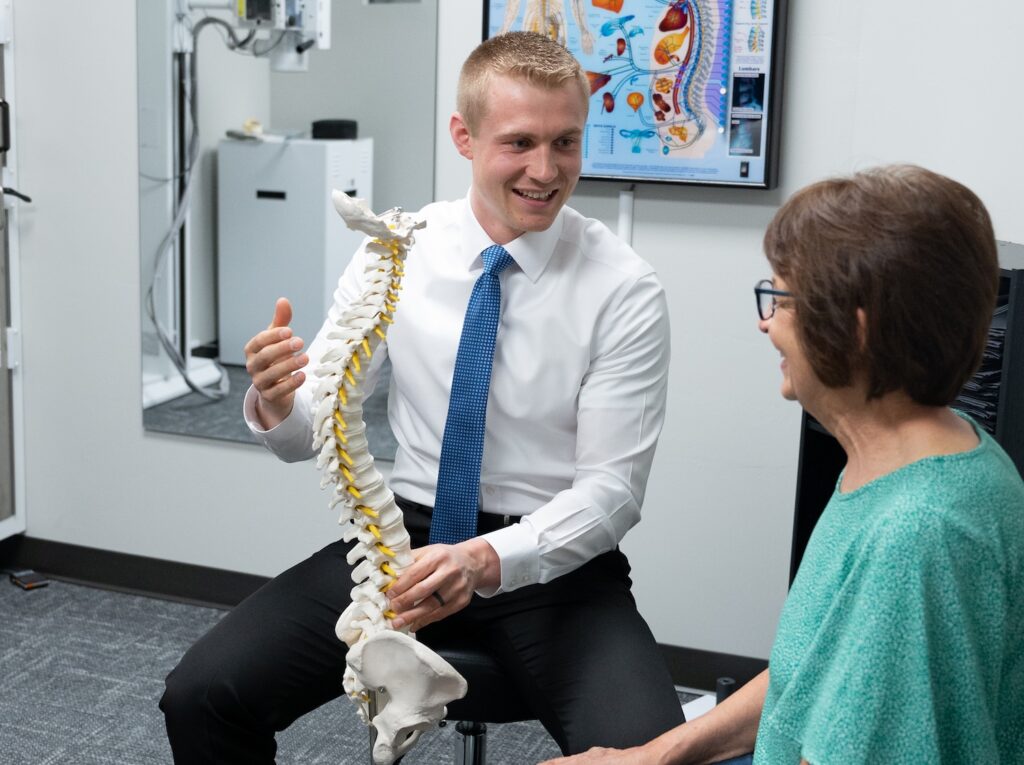
You mightn't realize it, but a healthy spine also contributes to your body's ability to function effectively. Every nerve that exits your spine plays a role in controlling various bodily functions, from movement to organ health.
Taking care of your spine means investing in your overall wellness. Regular exercise, maintaining a healthy weight, and practicing good ergonomics can all contribute to a strong and flexible spine. Incorporating stretching and strengthening exercises into your routine can help support spinal health and prevent future issues.
Ultimately, a healthy spine helps you lead a more active and fulfilling life. By prioritizing spinal care, you're not just focusing on your back; you're enhancing your physical, mental, and emotional well-being.
Common Spinal Problems
Maintaining a healthy spine helps you avoid a range of common spinal problems that can disrupt your daily life. Each of us is susceptible to various issues that arise from neglecting spinal care. A little awareness can go a long way in preventing these problems and ensuring your spine remains strong and functional.
Here are five common spinal problems you might encounter:
- Herniated Discs: This occurs when the soft cushion between your vertebrae bulges or ruptures, leading to pain and discomfort.
- Degenerative Disc Disease: Over time, the discs can wear down, causing chronic pain and reduced mobility.
- Scoliosis: An abnormal curvature of the spine can lead to uneven shoulders or hips and may cause discomfort.
- Spinal Stenosis: This condition narrows the spinal canal, putting pressure on the spinal cord and nerves, often resulting in pain or numbness.
- Sciatica: Compression of the sciatic nerve can cause sharp pain that radiates down your leg, often due to a herniated disc or spinal stenosis.
Recognizing these issues early can help you seek appropriate care and treatment. Regular check-ups with a healthcare professional, maintaining good posture, and incorporating back-strengthening exercises into your routine can greatly reduce your risk of developing these problems.
Effects of Poor Posture
Poor posture can have serious effects on your physical health, leading to pain and discomfort in various parts of your body.
It doesn't just stop at the physical; your mental well-being can also take a hit, impacting your mood and focus.
Over time, neglecting proper posture may even result in long-term mobility issues that hinder your daily activities.
Physical Health Consequences
Neglecting proper posture can lead to a cascade of physical health consequences that affect your daily life.
When you slouch or hunch over for extended periods, your body responds in ways that can cause discomfort and long-term issues. You mightn't notice these effects immediately, but over time, they can greatly impact your well-being.
Here are some physical health consequences you might experience:
- Chronic Back Pain: Poor posture strains your spine and surrounding muscles, leading to persistent discomfort.
- Headaches: Tension in your neck and shoulders can trigger frequent headaches or migraines.
- Reduced Lung Capacity: Slouching compresses your lungs, making it harder to breathe deeply and efficiently.
- Joint Problems: Misalignment can put extra stress on your joints, increasing the risk of injuries and arthritis.
- Digestive Issues: A hunched position can hinder proper digestion by compressing your abdominal organs.
Being aware of these consequences is the first step toward making a change.
Mental Well-being Impact
Your posture can greatly influence your mental well-being, affecting everything from your mood to your stress levels. When you slouch or hunch over, it doesn't just impact your physical appearance; it sends signals to your brain that can lead to feelings of anxiety and depression. You mightn't realize it, but your body language plays a significant role in how you feel about yourself and how you interact with the world.
Good posture, on the other hand, can boost your confidence and help you feel more energized. Standing tall opens up your chest, allowing for deeper breaths, which can decrease stress levels and promote a sense of calm. When you consciously improve your posture, you can notice a shift in your overall outlook.
Additionally, poor posture can create a cycle of discomfort, leading to irritability and frustration. If you're constantly battling aches and pains, it's tough to maintain a positive mindset.
Long-term Mobility Issues
Maintaining good posture isn't just about looking confident; it directly impacts your long-term mobility. Poor posture can lead to a range of mobility issues that affect your daily life.
Over time, the way you sit, stand, and move can create imbalances in your body, making it more difficult to perform simple tasks.
Here are some potential long-term mobility issues you might face due to poor posture:
- Joint Pain: Misalignment can strain joints, leading to chronic discomfort.
- Reduced Flexibility: Tight muscles from slouching can limit your range of motion.
- Decreased Strength: Weakness in key muscle groups can emerge as they become underused.
- Increased Injury Risk: Poor posture may heighten vulnerability to sprains and strains.
- Balance Problems: Misalignment can disrupt your center of gravity, affecting stability.
Benefits of a Healthy Spine
A healthy spine offers numerous benefits that extend beyond just physical comfort. When your spine is in good shape, you'll likely experience increased mobility. This means you'll be able to move freely, whether you're bending down to pick something up or reaching for that top shelf. Enhanced flexibility allows you to engage in your favorite activities without the nagging fear of strain or injury.
Moreover, a well-aligned spine contributes to improved posture. Good posture not only makes you look more confident, but it also helps reduce the risk of chronic pain. When your spine is aligned correctly, your body is better equipped to distribute weight evenly, minimizing stress on your muscles and joints. You'll notice you can sit, stand, and walk more comfortably, which can enhance your overall quality of life.
Another benefit is better circulation. A healthy spine allows your nerves to function effectively, ensuring that signals travel effectively throughout your body. This can lead to improved energy levels and reduced fatigue.
Additionally, a healthy spine supports better digestion. Proper alignment can facilitate better organ function, allowing your body to process nutrients more efficiently.
Finally, a healthy spine contributes to mental well-being. When you're not dealing with discomfort or pain, it's easier to focus on what truly matters in life. You'll find it simpler to engage socially and enjoy activities that bring you joy.
Prioritizing your spine health is an investment that pays dividends in various aspects of your life.
Daily Habits for Spine Care
Incorporating daily habits for spine care can make a significant difference in your overall health and comfort. You mightn't realize it, but simple changes in your routine can help keep your spine healthy and pain-free.
Here are some habits you can easily adopt:
- Maintain Good Posture: Whether you're sitting at your desk or standing in line, keeping your spine aligned helps reduce strain on your back.
- Stay Active: Regular movement keeps your spine flexible and strong. Even short walks throughout the day can enhance circulation and promote spinal health.
- Use Ergonomic Furniture: Invest in a chair that supports your lower back and a desk that encourages good posture. This simple change can prevent discomfort during long work hours.
- Mind Your Sleeping Position: Sleep on your back or side with a supportive mattress and pillow. This can help maintain the natural curve of your spine during the night.
- Stay Hydrated: Drinking enough water is essential for maintaining the elasticity of spinal discs. Proper hydration supports overall spinal health.
Exercises for Spinal Strength
Strengthening your spine is essential for preventing pain and enhancing mobility. Incorporating specific exercises into your routine can greatly improve your spinal strength and overall back health. Here are a few effective exercises you can easily perform at home or in the gym.
Start with the plank. This exercise engages your core, which supports your spine. Lie face down, lift your body off the ground, and balance on your forearms and toes. Keep your body in a straight line and hold for 20-30 seconds, gradually increasing the duration as you build strength.
Next, try the bridging exercise. Lie on your back with your knees bent and feet flat on the floor. Slowly lift your hips towards the ceiling, creating a straight line from your shoulders to your knees. Hold for a few seconds before lowering back down. Repeat this motion 10-15 times to strengthen your lower back and glutes.
Bird-dogs are another great choice. Start on all fours, ensuring your hands are under your shoulders and knees under your hips. Extend your right arm forward while extending your left leg back, keeping your body stable. Hold for a moment and switch sides. Perform 10-12 repetitions on each side to enhance stability and coordination.
Lastly, don't forget about cat-cow stretches. This movement helps improve flexibility in your spine. Start on all fours, arch your back while inhaling (cow), and round it while exhaling (cat). Repeat for 10-15 cycles, feeling the stretch in your spine.
Incorporate these exercises regularly, and you'll notice a stronger, healthier spine.
Ergonomics in the Workplace
Improving ergonomics in the workplace can greatly reduce the risk of spinal problems and enhance overall well-being. By making a few adjustments to your workspace, you can create a more comfortable environment that supports your spine's health.
Here are some effective ergonomic practices you can implement:
- Adjust your chair: Make sure your chair supports your lower back and allows your feet to rest flat on the floor.
- Set your monitor at eye level: Position your screen so that the top of the monitor is at or just below eye level, reducing neck strain.
- Use a keyboard and mouse properly: Keep your wrists straight and your hands at or below elbow level to prevent strain.
- Take regular breaks: Stand up, stretch, and walk around every hour to relieve tension and improve circulation.
- Organize your workspace: Keep frequently used items within arm's reach to avoid awkward movements and unnecessary strain.
Implementing these ergonomic principles can make a significant difference in your daily comfort and productivity.
You'll not only feel better while working, but you'll also be taking proactive steps to prevent long-term spinal issues.
Remember, your workspace should work for you, not against you. Prioritizing ergonomics is essential for maintaining a healthy spine and overall well-being.
Nutrition and Spine Health
What you eat plays an essential role in maintaining a healthy spine. Nutrient-rich foods can help support your spine's structure and function, while poor dietary choices can lead to inflammation and weakened bones. To keep your spine in top shape, focus on a balanced diet filled with vitamins and minerals.
Calcium and vitamin D are critical for bone health. Incorporate dairy products, leafy greens, and fortified foods to guarantee you're getting enough calcium. Vitamin D, which helps your body absorb calcium, can be found in fatty fish, egg yolks, and sun exposure.
Don't forget about magnesium and potassium. These minerals are important for muscle function and can help prevent cramps and spasms that may lead to back pain. Foods like bananas, nuts, seeds, and whole grains are excellent sources.
Omega-3 fatty acids can help reduce inflammation in your body. You can find these healthy fats in fatty fish, flaxseeds, and walnuts. Including these foods in your diet may alleviate discomfort and support your spine's health.
Stay hydrated, too. Drinking enough water helps maintain the elasticity of your spinal discs and keeps your joints lubricated. Aim to drink at least eight glasses of water a day.
Lastly, limit processed foods, sugars, and excessive caffeine, as they can lead to inflammation and contribute to pain. By prioritizing these nutritional choices, you'll support not only your spine but your overall well-being, setting the stage for a healthier, more active life.
Professional Treatments Available
Even with a balanced diet that supports spine health, there are times when professional treatments become necessary to address specific issues.
Whether you're dealing with chronic pain, discomfort after an injury, or just want to ascertain your spine is in top shape, seeking professional help can be a game-changer.
Here are some common treatments you might consider:
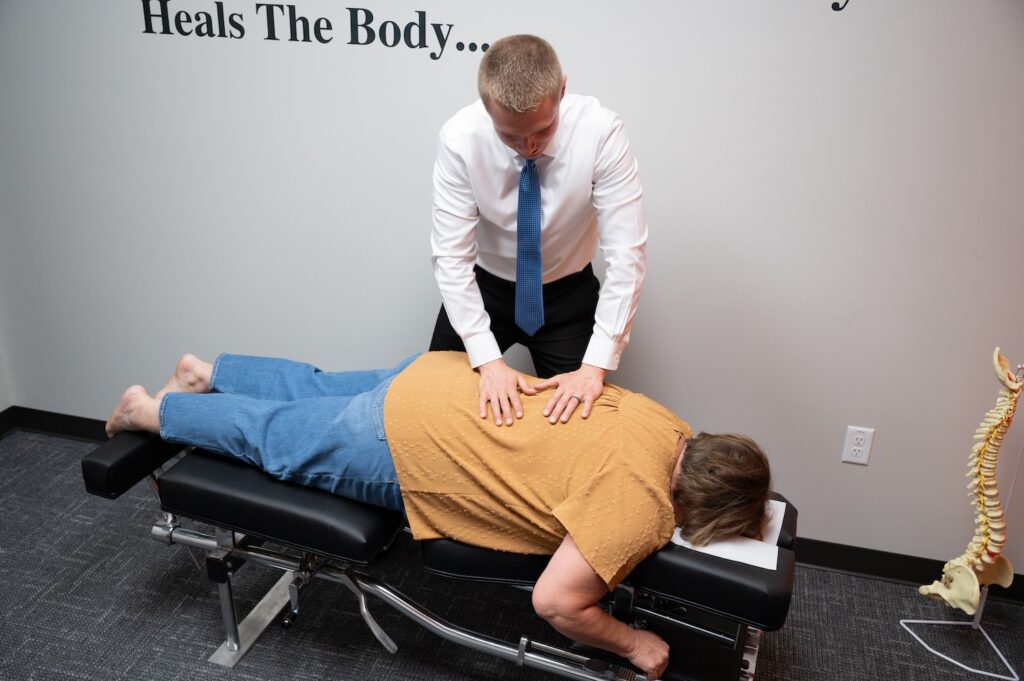
- Chiropractic Care: This hands-on approach focuses on spinal manipulation to alleviate pain and improve function.
- Physical Therapy: A tailored regimen of exercises can strengthen your back and improve mobility, making everyday activities easier.
- Massage Therapy: Therapeutic massage can relieve tension in muscles surrounding the spine, promoting relaxation and better blood flow.
- Acupuncture: This traditional Chinese practice involves inserting thin needles into specific points to help reduce pain and enhance overall well-being.
- Orthopedic Consultations: If you're experiencing severe issues, an orthopedic specialist can provide advanced treatment options, including surgery if necessary.
No matter which route you decide to take, remember that early intervention is key.
The sooner you address spine issues, the better your chances of a full recovery.
Always consult with a healthcare professional to determine the best treatment tailored to your individual needs.
Taking this step can pave the way for a healthier, happier back, allowing you to enjoy life to the fullest.
Don't hesitate to prioritize your spine—it truly deserves the care!
Long-term Spinal Wellness Strategies
To maintain a healthy spine over the long term, it's essential to adopt proactive habits that support spinal wellness. Start by incorporating regular exercise into your routine. Focus on low-impact activities like swimming, walking, or cycling, which strengthen muscles without putting undue stress on your spine.
Don't forget to include stretching and flexibility exercises to enhance your range of motion and reduce tension.
Pay attention to your posture throughout the day. Whether you're sitting at a desk or standing in line, keep your shoulders back, and your spine aligned. Ergonomic furniture can make a significant difference—invest in a chair that offers proper lumbar support and arrange your workspace to minimize strain.
Nutrition plays an important role in spinal health as well. A balanced diet rich in vitamins and minerals, such as calcium and vitamin D, helps maintain bone density.
Stay hydrated, as proper hydration supports the discs in your spine, keeping them cushioned.
Additionally, prioritize rest and recovery. Aim for quality sleep on a supportive mattress and practice relaxation techniques, like yoga or meditation, to relieve stress.
Regular check-ups with a healthcare professional can help you stay on top of any potential issues before they escalate.
Lastly, listen to your body. If you experience pain or discomfort, don't ignore it. Address issues early to prevent long-term damage.
Conclusion
Taking care of your spine isn't just about avoiding pain; it's about enhancing your overall well-being. By prioritizing good posture, staying active, and making smart nutritional choices, you can keep your spine healthy and strong. Remember, small daily habits make a big difference in your spinal health. Don't wait for discomfort to take action—start implementing these strategies today for a happier, more mobile life. Your spine deserves the TLC it needs to thrive!