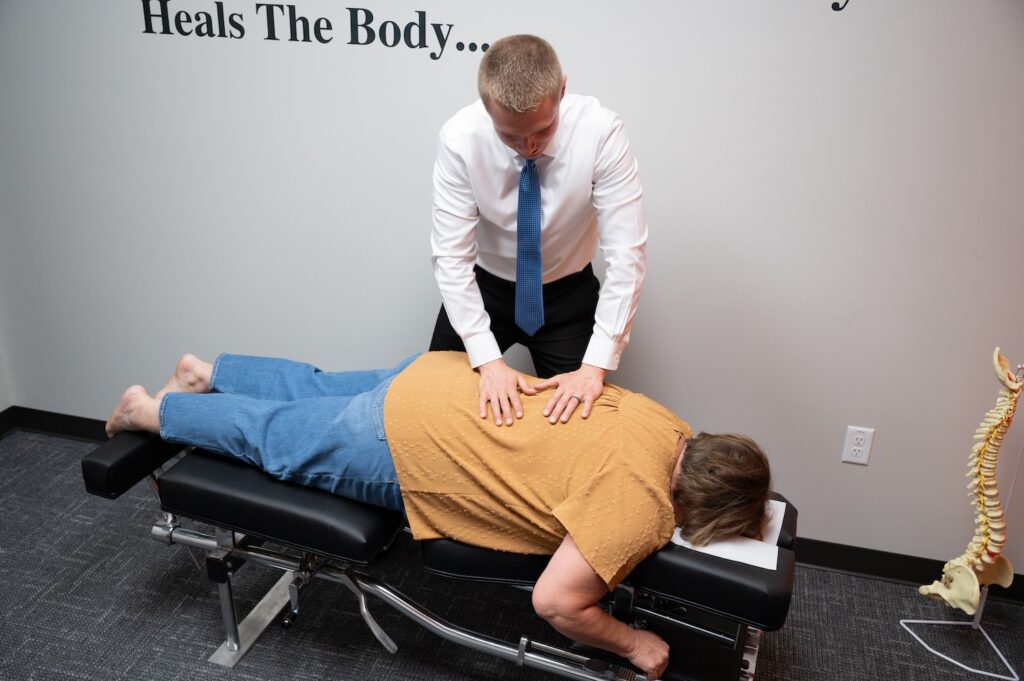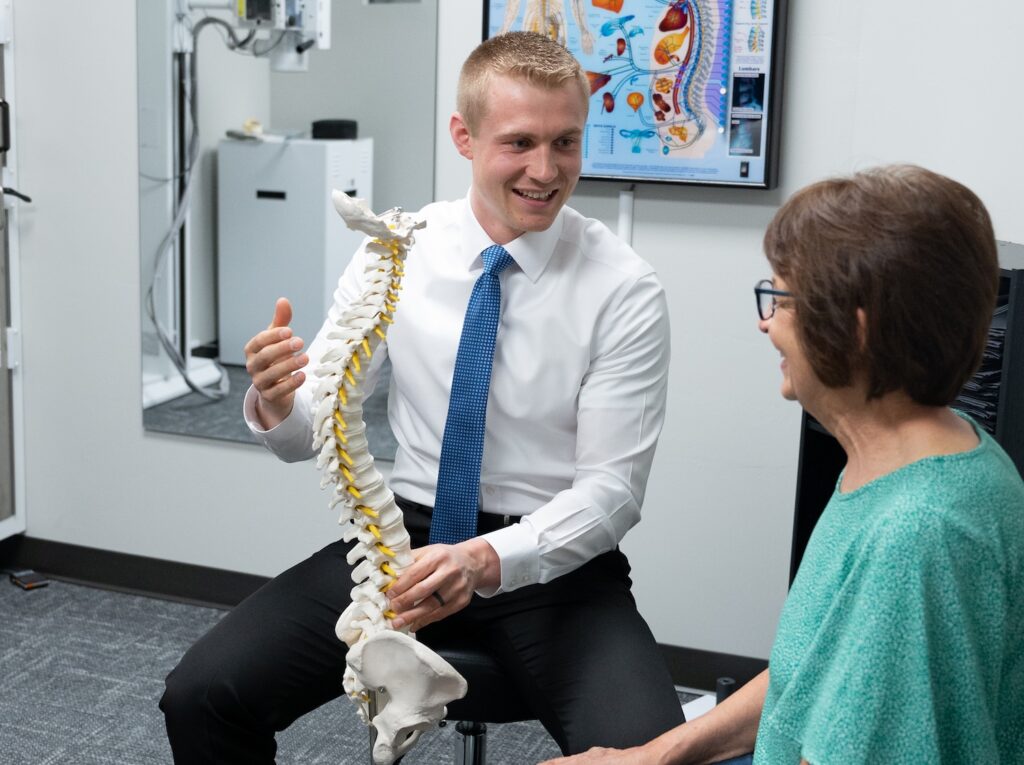

If you're struggling with chronic back pain, you're not alone, and finding natural relief can make a significant difference in your daily life. By implementing a few effective strategies, you can start to manage your discomfort without relying heavily on medication. From simple stretching routines to mindful practices, each tip offers a practical approach to enhance your well-being. Curious about how these techniques can transform your routine? Let's explore five essential tips that could help you regain control over your back pain.
Practice Regular Stretching
Incorporating regular stretching into your routine can substantially alleviate chronic back pain. Stretching helps improve flexibility, reduces muscle tension, and increases blood flow to your back muscles. When you dedicate time to stretch daily, you create a habit that promotes better spinal health and overall well-being.
Start with gentle stretches that target the major muscle groups in your back. Consider incorporating stretches like the cat-cow pose or child's pose into your routine. These stretches aren't only effective but also easy to perform. You can do them in the morning to wake up your muscles or at night to unwind after a long day.
Focus on holding each stretch for at least 15 to 30 seconds. This allows your muscles to relax and lengthen, helping ease any tightness you might feel. Remember to breathe deeply during each stretch; this will help you release tension and enhance the benefits of the exercises.
It's vital to listen to your body. If you feel pain while stretching, ease off and modify the stretch as needed. You should never push through sharp pain. Gradually increase the intensity and duration of your stretches as your flexibility improves.
Incorporating stretching into your daily routine doesn't have to be time-consuming. Even just 10 minutes can make a significant difference.
Maintain Proper Posture
Maintaining proper posture is vital for preventing and alleviating chronic back pain. When you sit, stand, or move throughout your day, your body alignment plays an important role in how much strain your back endures. Poor posture, like slouching or leaning forward, can put unnecessary pressure on your spine, leading to discomfort and pain.
Start by being mindful of how you sit. Make certain your feet are flat on the floor, with your knees at a right angle. Use a chair that supports your lower back, and avoid crossing your legs, as this can throw your spine out of alignment. If you work at a desk, position your screen at eye level to prevent hunching over.
When standing, distribute your weight evenly on both feet. Keep your shoulders back and relaxed, and avoid locking your knees. This stance not only helps support your back but also promotes better balance. If you find yourself standing for long periods, consider using a footrest to alternate your weight between your legs.
Lastly, remember to engage your core muscles when you move. Whether you're lifting something heavy or simply getting up from a chair, use your legs and core for support, rather than straining your back.
Explore Mindfulness Techniques
Practicing mindfulness can greatly enhance your approach to managing chronic back pain. By becoming more aware of your thoughts and emotions, you can create a mental space that allows you to handle discomfort more effectively.
Mindfulness helps you focus on the present moment, reducing stress and anxiety, which can often exacerbate pain.
Here are three mindfulness techniques you can incorporate into your daily routine:
- Breathing Exercises: Start by taking slow, deep breaths. Focus on inhaling through your nose, letting your abdomen expand, and then exhaling through your mouth. This simple practice can help calm your mind and reduce tension in your back.
- Body Scan Meditation: Lie down comfortably and close your eyes. Gradually shift your attention from your toes to your head, noticing any sensations without judgment. This technique can help you connect with your body, allowing you to recognize areas of tension and consciously relax them.
- Mindful Movement: Engage in gentle activities like yoga or tai chi. These practices promote awareness of your body's movements and alignment, helping you maintain proper posture while alleviating pain. Focus on how your body feels during these movements rather than the end goal.
Incorporate Strength Training
To effectively manage chronic back pain, adding strength training to your routine can make a significant difference. Strengthening the muscles that support your spine enhances stability and reduces the risk of injury. You don't need to lift heavy weights; even bodyweight exercises can be effective.
Start with core-strengthening exercises, as a strong core helps support your spine. Try planks, bridges, or bird-dogs to engage your abdominal and back muscles. Gradually incorporate exercises targeting your legs and hips, such as squats and lunges, since these muscle groups play an essential role in overall stability.
Aim for two to three sessions a week, allowing adequate recovery time between workouts. Focus on proper form to prevent strain; consider working with a physical therapist or personal trainer if you're unsure about your technique. They can tailor a program to your specific needs and guarantee you're strengthening the right muscles.
Incorporating resistance bands or light weights can also add variety and challenge to your routine. As you progress, increase the resistance or the number of repetitions to continue building strength.
Remember to listen to your body; if an exercise worsens your pain, stop and consult a healthcare professional.
Consistency is key. Over time, you'll likely notice improved strength and reduced pain. By making strength training a regular part of your life, you're taking a proactive approach to managing your chronic back pain and enhancing your overall well-being.
Use Heat and Cold Therapy
Using heat and cold therapy can be a game changer for managing chronic back pain. These two methods can help reduce inflammation, increase blood flow, and promote healing, making them essential tools in your pain management toolkit. Understanding when and how to use each method effectively can enhance your comfort and mobility.
1. Heat Therapy: Applying heat can relax and soothe tight muscles, which is especially beneficial for chronic pain. You can use a heating pad, warm towel, or even take a warm bath. Aim for 15-20 minutes of heat application to help alleviate stiffness and improve circulation.
Just make sure the heat isn't too hot to avoid burns.
2. Cold Therapy: Cold packs are perfect for reducing inflammation and numbing sharp pain. Apply a cold pack or ice wrapped in a cloth to the painful area for about 15-20 minutes.
This method works best during flare-ups or after physical activity when your back might feel more irritated.
3. Alternating Heat and Cold: Sometimes, alternating between heat and cold can provide the best relief. Start with heat to relax muscles, then switch to cold to reduce inflammation.
This method can promote better blood flow and enhance recovery.
Incorporating heat and cold therapy into your routine can provide significant relief from chronic back pain. By understanding how to use both methods effectively, you'll be one step closer to managing your discomfort naturally.
Conclusion
By incorporating these five tips into your routine, you can effectively manage chronic back pain naturally. Regular stretching, proper posture, mindfulness techniques, strength training, and heat and cold therapy can all work together to enhance your well-being. Remember, consistency is key, so make these practices a part of your daily life. With commitment, you can find relief and improve your quality of life, allowing you to enjoy your activities without the burden of back pain.