
If you're one of the many dealing with lower back pain, you might be wondering what options are available for relief. It turns out that about 80% of individuals find significant improvement through a mix of lifestyle changes, targeted exercises, and alternative therapies. Techniques like enhancing your posture or incorporating gentle stretching can make a difference, but there's more to explore. Understanding the full range of methods could be key to your recovery, especially when considering practices like acupuncture or mindfulness techniques. What's the best approach for you?
Understanding Lower Back Pain
Lower back pain is a common issue that many people experience at some point in their lives. It can stem from various causes, and understanding these can help you find the right approach to manage it effectively. Often, lower back pain arises from muscle strain, ligament sprain, or herniated discs. You might notice that activities like lifting heavy objects or sudden movements can trigger discomfort.
In some cases, poor posture while sitting or standing can contribute to strain on your lower back muscles. If you spend long hours at a desk, this may resonate with you. It's crucial to recognize that lifestyle factors, including your activity level and body mechanics, play a significant role in the development of lower back pain.
In addition, age can be a contributing factor. As you get older, the spine undergoes natural wear and tear, leading to conditions like arthritis or degenerative disc disease. If you've noticed an increase in pain as you've aged, it's worth considering these possibilities.
Moreover, emotional stress can manifest physically, leading to muscle tension in your back. You might find that anxiety or stress exacerbates your discomfort.
Lifestyle Changes for Relief
Making some lifestyle changes can greatly ease lower back pain and prevent future discomfort. One of the most effective adjustments you can make is to pay attention to your posture. Whether you're sitting, standing, or walking, maintaining a neutral spine helps reduce strain on your back. Invest in a good chair that supports your lower back, and remember to take regular breaks to stretch and move around.
Another important change involves your sleeping habits. If you're waking up with back pain, it might be time to evaluate your mattress and pillow. A medium-firm mattress often provides the best support, and a pillow that keeps your neck aligned with your spine can make a significant difference.
Try sleeping on your side with a pillow between your knees for added comfort.
In addition, incorporating a balanced diet into your routine can aid in weight management, reducing pressure on your back. Focus on whole foods, such as fruits, vegetables, lean proteins, and whole grains, while minimizing processed foods and sugars.
Lastly, consider reducing stress levels through mindfulness or relaxation techniques. Chronic stress can lead to muscle tension, which exacerbates back pain. Simple practices like deep breathing, meditation, or yoga can help you stay calm and alleviate tension in your body.
Targeted Exercise Techniques
To tackle lower back pain effectively, incorporating targeted exercise techniques into your routine can make a world of difference. These exercises not only strengthen your back and core but also improve flexibility, helping to alleviate discomfort and prevent future issues.
Start with pelvic tilts. Lie on your back with your knees bent and feet flat on the floor. Gently tilt your pelvis upward, flattening your lower back against the floor. Hold for a few seconds, then relax. Repeat this 10-15 times to stabilize your lower back.
Next, try cat-cow stretches. Get on all fours, with hands under your shoulders and knees under your hips. Inhale as you arch your back and look up (the cow position), then exhale as you round your back and tuck your chin (the cat position). Repeat for 10 cycles to enhance spinal flexibility.
Don't forget about bridging. Lie on your back with knees bent and feet flat. Lift your hips toward the ceiling, squeezing your glutes at the top. Hold for a few seconds before lowering. Aim for 10-15 repetitions to strengthen your glutes and lower back.
Finally, incorporate gentle walking into your daily routine. This simple activity promotes circulation and can ease tension in your back.
As you commit to these targeted exercises, you'll likely notice a reduction in pain and increased mobility. Consistency is key, so make these movements a regular part of your life for maximum relief.
Alternative Therapies to Consider
When seeking relief from lower back pain, exploring alternative therapies can offer valuable options beyond traditional methods. One popular choice is acupuncture, which involves inserting thin needles into specific points on your body. This technique can help release endorphins and improve your body's energy flow, potentially reducing pain.
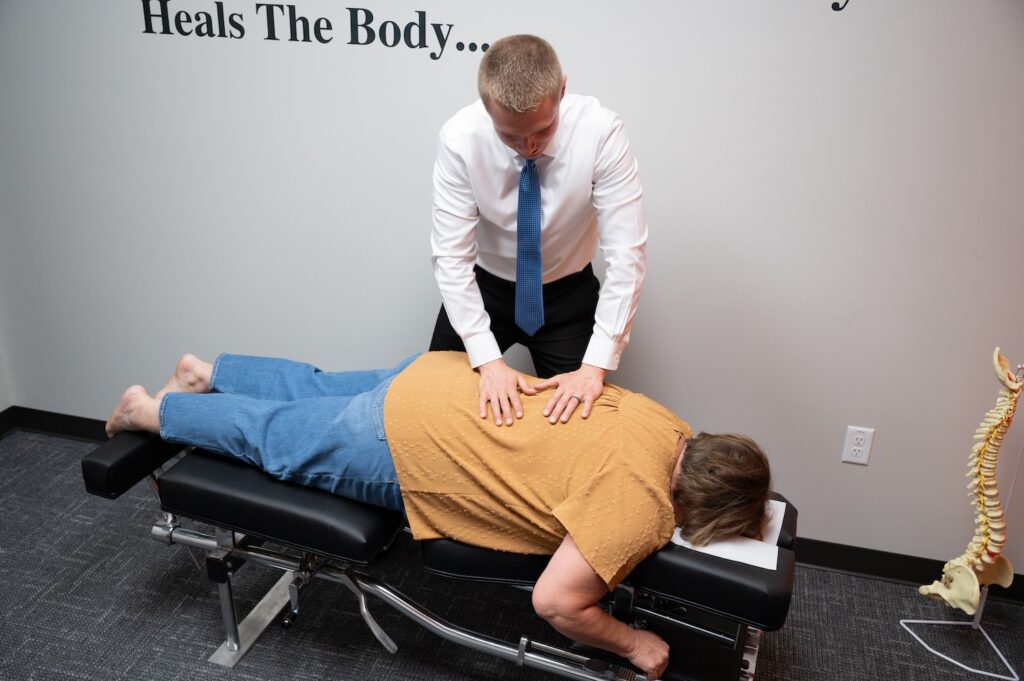
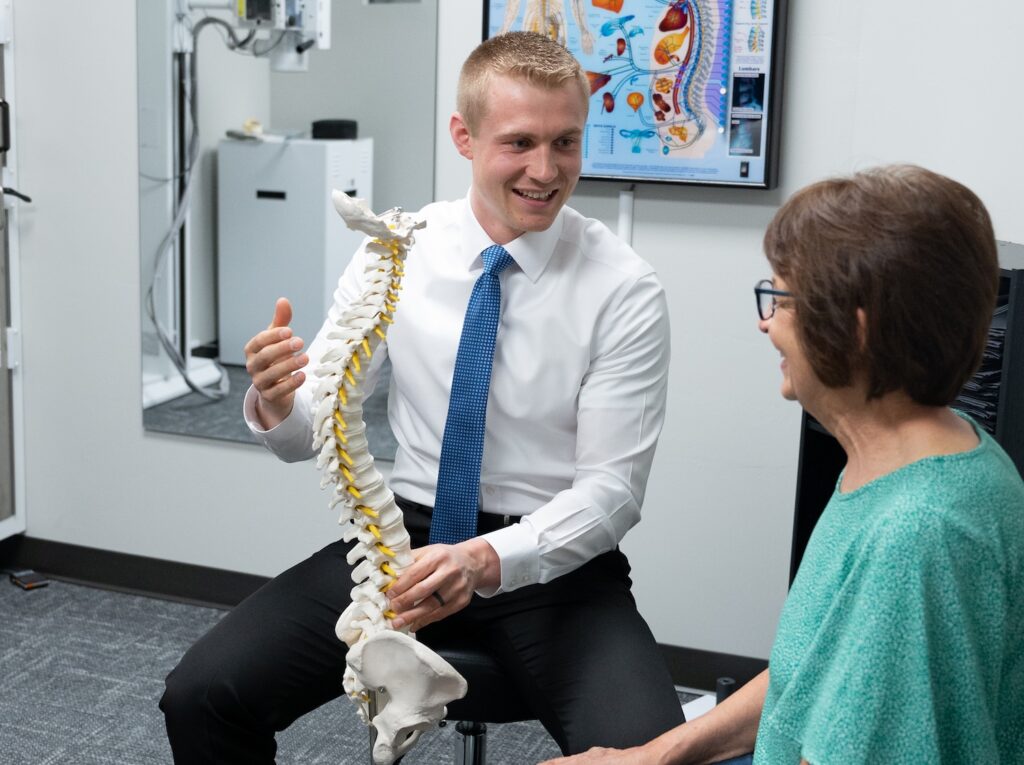
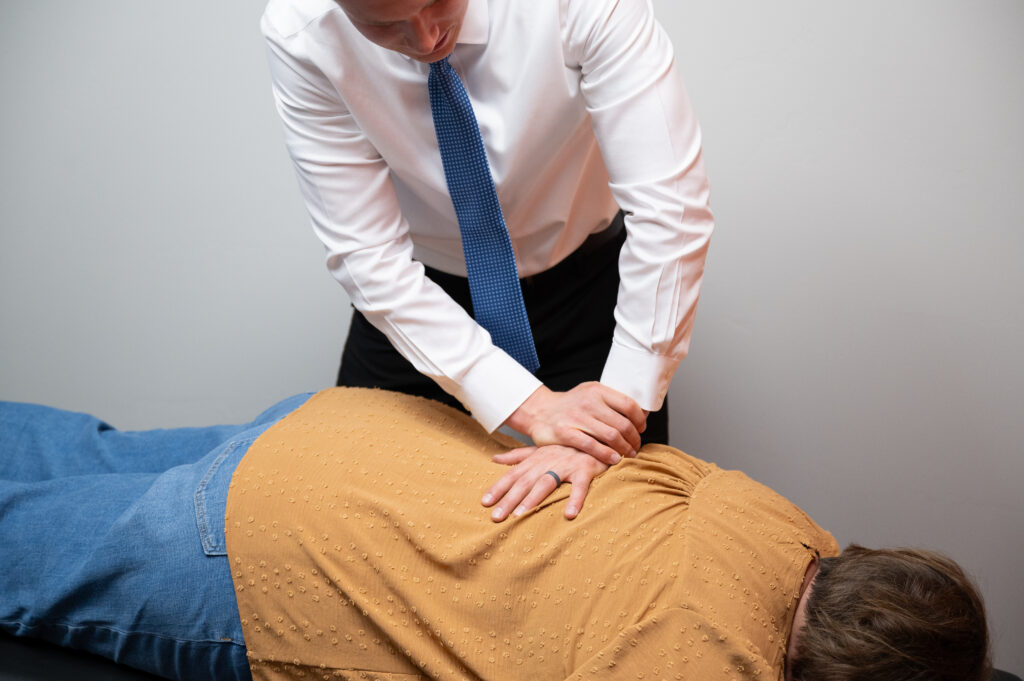
Chiropractic care is another effective alternative. By aligning your spine and joints, a chiropractor can relieve tension and improve your overall mobility. Many people find significant pain relief after just a few sessions.
It's crucial to choose a qualified and experienced chiropractor to guarantee you receive the best possible care.
Physical therapy can also provide relief through tailored exercises and stretches designed to strengthen your back and improve flexibility. A physical therapist will assess your condition and develop a personalized plan to address your specific needs.
Massage therapy is another excellent option. Various techniques, such as deep tissue or Swedish massage, can help alleviate muscle tension and promote relaxation.
Regular massages may not only ease pain but also enhance your overall well-being.
Lastly, consider trying herbal supplements or topical treatments like arnica or capsaicin cream, which may provide localized relief. Always consult with a healthcare professional before starting any new supplement or therapy.
Mindfulness and Pain Management
Mindfulness can play an essential role in managing lower back pain by helping you focus on the present moment and your body's sensations. When you're experiencing discomfort, your mind often races with worries about the future or regrets about the past. Practicing mindfulness allows you to redirect your attention to the here and now, creating a mental space that fosters relaxation and acceptance.
Start by incorporating mindfulness techniques into your daily routine. Set aside a few minutes each day for mindful breathing. Find a quiet place, sit comfortably, and concentrate on your breath. Feel the air entering and leaving your body. As thoughts about your pain arise, acknowledge them without judgment, then gently return your focus to your breath. This practice can help you develop a healthier relationship with your pain.
You might also try body scans, which involve mentally scanning your body from head to toe. Notice areas of tension or discomfort without trying to change them. This method increases your awareness of physical sensations and promotes a sense of calm.
Additionally, consider integrating mindfulness into everyday activities. Whether you're eating, walking, or even stretching, concentrate on the sensations involved. This approach not only distracts you from pain but also enhances your overall well-being.
Conclusion
Incorporating these techniques can make a significant difference in managing your lower back pain. By focusing on lifestyle changes, targeted exercises, and exploring alternative therapies, you're not just alleviating discomfort but also enhancing your overall quality of life. Remember to embrace mindfulness practices to stay present and aware of your body's needs. With dedication and the right approach, you can find relief and regain control over your well-being. Don't hesitate to start your journey towards a pain-free life today!