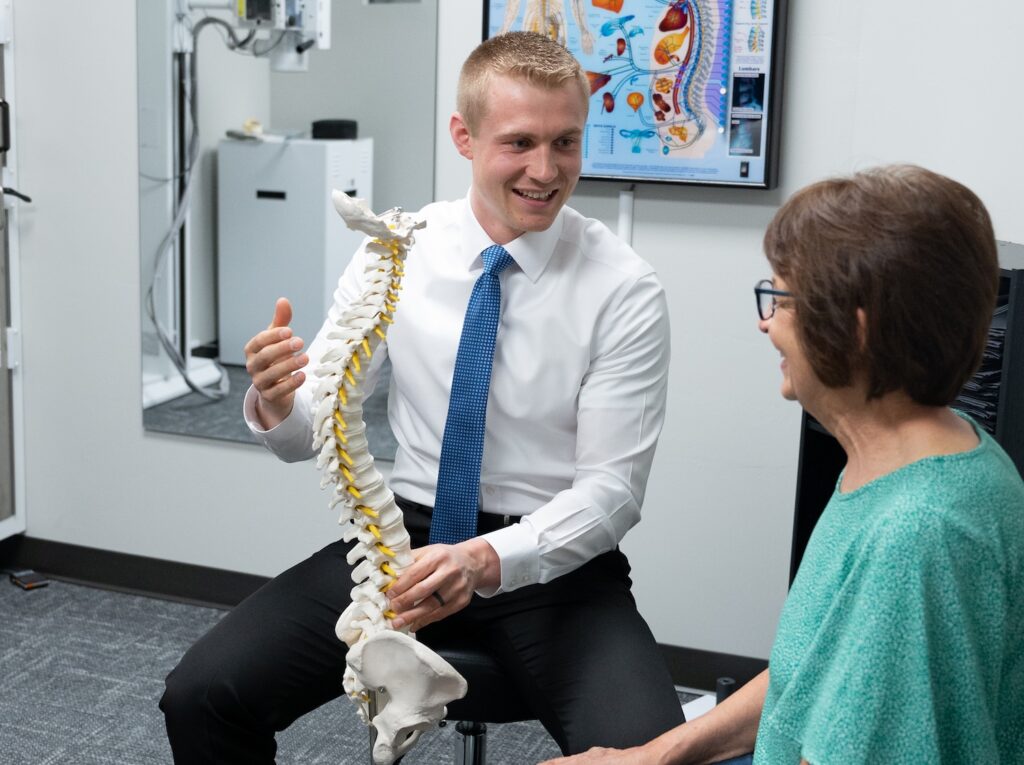

If you're struggling with migraines, you might be surprised to learn how chiropractic care can help ease your pain. Through targeted spinal adjustments and various supportive techniques, chiropractic treatment addresses the root causes of your migraines rather than just masking the symptoms. You'll find that improved spinal alignment and enhanced nervous system function can make a significant difference. But that's just the beginning—there are several other approaches that chiropractic care employs to provide relief. Curious about how these methods work together to support your well-being?
Improved Spinal Alignment
When you experience migraines, the last thing you want is added tension in your body. You mightn't realize it, but poor spinal alignment can contribute greatly to that tension and exacerbate your migraine symptoms. Chiropractic care focuses on correcting these misalignments, helping restore balance and function to your spine.
When your spine is misaligned, it can lead to nerve irritation and muscle tension, which may trigger or worsen your migraines. By visiting a chiropractor, you can receive adjustments that bring your spine back into proper alignment. This process can alleviate pressure on the nerves and muscles, reducing the intensity and frequency of your migraines.
You'll likely notice that with improved spinal alignment, your overall posture also enhances. Better posture not only supports spinal health but can also decrease stress in surrounding muscles. As a result, you may find that the tension headaches often associated with migraines lessen as well.
Additionally, regular chiropractic adjustments can help maintain your spinal alignment over time, promoting a healthier nervous system and potentially preventing future migraines. You may feel more relaxed and less prone to stress-related triggers that can lead to those debilitating episodes.
Taking charge of your spinal health through chiropractic care can be a proactive step toward managing your migraine pain. By investing in your spinal alignment, you're not just addressing a symptom; you're working toward a more balanced, pain-free life.
Enhanced Nervous System Function
When you improve spinal alignment through chiropractic care, you're not just addressing pain; you're also enhancing your nervous system function.
This reduction in nerve interference can lead to better communication between your brain and body, promoting overall health.
Plus, improved blood flow supports essential processes, helping to alleviate migraine symptoms and improve your quality of life.
Improved Spinal Alignment
Improved spinal alignment can greatly enhance your nervous system function, leading to a reduction in migraine pain. When your spine is properly aligned, it allows your nervous system to communicate more effectively with the rest of your body. This ideal communication helps regulate various bodily functions, including pain perception.
As a result, better spinal alignment can alleviate pressure on your nerves, reducing the intensity and frequency of your migraines. By visiting a chiropractor, you can receive targeted adjustments that realign your spine, helping to restore balance and proper function to your nervous system.
Additionally, improved alignment can enhance blood flow and oxygen delivery to your brain, further contributing to migraine relief. When your body operates at its best, you're more likely to experience fewer migraine triggers and a greater overall sense of well-being.
Regular chiropractic care not only addresses immediate discomfort but also promotes long-term health by maintaining spinal alignment. This proactive approach empowers you to take control of your health and minimize migraine occurrences.
Reduced Nerve Interference
Chiropractic care effectively reduces nerve interference, which plays an essential role in enhancing your nervous system function. When your spine is misaligned, it can create pressure on the nerves, leading to disruptions in communication between your brain and body. This disruption can trigger migraines and other symptoms. By receiving chiropractic adjustments, you help restore proper alignment, allowing your nervous system to function at its best.
As the pressure on your nerves decreases, you may notice a significant reduction in migraine frequency and intensity. Your chiropractor uses specific techniques to identify areas of nerve interference, ensuring that each adjustment targets the root cause of your discomfort. This proactive approach not only alleviates migraine symptoms but also promotes overall health and wellness.
Additionally, improved nervous system function means better coordination and balance in your body. You'll likely find that you're more resilient to stressors that can trigger migraines.
Regular chiropractic visits can help maintain this enhanced function, supporting your journey towards a migraine-free life. By prioritizing your nervous system's health, you're taking an important step in managing and reducing migraine pain effectively.
Enhanced Blood Flow
Over time, enhanced blood flow can play an essential role in alleviating migraine pain. When you receive chiropractic care, adjustments can improve circulation throughout your body. This increased blood flow nourishes your brain and surrounding tissues, which is fundamental in reducing the severity and frequency of migraines.
Chiropractic adjustments help remove nerve interference and improve your nervous system function. As your spine aligns, blood vessels can expand more freely, allowing oxygen and critical nutrients to reach your head more efficiently. This enhanced circulation can help mitigate the triggers that lead to migraines, such as muscle tension and inflammation.
Moreover, as your body benefits from improved blood flow, you may notice a reduction in stress and tension. Lower stress levels often mean fewer migraine episodes. By addressing the physical aspects of your health through chiropractic care, you're not just seeking temporary relief; you're fostering a healthier environment for your body.
Incorporating regular chiropractic visits into your routine can support this enhanced blood flow, leading to long-term relief from migraine pain.
Stress Reduction Techniques
Finding effective stress reduction techniques can greatly alleviate migraine pain and enhance your overall well-being. When you manage stress, you not only reduce the frequency of migraines but also improve your quality of life.
One powerful method is mindfulness meditation. Just taking a few minutes each day to focus on your breath and clear your mind can notably lower stress levels. You can practice this anywhere, whether at home or during a break at work.
Another effective technique is progressive muscle relaxation. By systematically tensing and then relaxing different muscle groups, you help your body release built-up tension. This practice can be particularly helpful at the end of a long day or whenever you start feeling overwhelmed.
Regular physical activity also plays a vital role in stress reduction. Aim for at least 30 minutes of moderate exercise most days of the week. Activities like walking, swimming, or yoga can elevate your mood and decrease anxiety, which in turn helps keep migraines at bay.
Don't underestimate the power of social support, either. Connecting with friends or family can provide emotional relief and distraction from stressors. Even a simple chat or shared laughter can make a huge difference in how you feel.
Lastly, prioritize good sleep hygiene. Establishing a consistent sleep schedule, creating a calming bedtime routine, and ensuring your sleep environment is comfortable can notably help in reducing overall stress.
Customized Treatment Plans
While managing stress through techniques like mindfulness and physical activity can greatly reduce migraine frequency, a personalized approach to treatment can further enhance your relief.
Customized treatment plans are vital because each person's experience with migraines varies. What works for one individual may not work for another, so tailoring your chiropractic care to your specific needs is essential.
When you visit a chiropractor, they'll conduct a thorough assessment of your condition, including your medical history, lifestyle, and migraine triggers. Based on this information, they'll design a treatment plan that addresses your unique circumstances.
This may include spinal adjustments to alleviate tension, soft tissue therapies to improve muscle function, and exercises to strengthen your neck and back.
You'll likely find that your customized plan evolves over time. As you progress, your chiropractor will monitor your response to treatment and make adjustments as needed.
This ongoing communication guarantees that you're receiving the most effective care possible. You might also explore complementary therapies, such as nutritional guidance or lifestyle changes, to further support your migraine management.
Increased Blood Flow
Increasing blood flow is an essential aspect of chiropractic care that can greatly alleviate migraine pain. When you visit a chiropractor, they often focus on spinal adjustments and soft tissue therapies that improve circulation. By enhancing blood flow, your body can deliver more oxygen and nutrients to the brain, which can help reduce the frequency and severity of migraines.
Chiropractors may use specific techniques to target areas of tension or misalignment in your spine. When these areas are adjusted, it helps to restore proper alignment and function, leading to improved blood flow. You might notice that after a session, your head feels clearer, and the pressure that usually accompanies a migraine starts to dissipate. This is because increased circulation helps to flush out inflammatory substances that can contribute to headache pain.
Additionally, improved blood flow can promote relaxation in your muscles, further reducing tension that often triggers migraines. When your muscles are relaxed and your circulation is ideal, you're less likely to experience the debilitating symptoms of a migraine.
It's important to remember that while chiropractic care can effectively enhance blood flow and alleviate pain, consistency is key. Regular visits can help maintain the benefits and keep your migraines at bay. By prioritizing chiropractic care, you're taking a proactive approach to managing your migraine pain and enhancing your overall well-being.
Nutritional Guidance
Nutritional guidance plays a significant role in managing migraine pain alongside chiropractic care. Your diet can greatly influence the frequency and intensity of your migraines, so it's crucial to pay attention to what you're eating. Certain foods can trigger migraine attacks, while others can help reduce their occurrence.
Begin by keeping a food diary to identify any patterns between your meals and migraine episodes. Common triggers include aged cheeses, processed meats, and foods containing MSG or artificial sweeteners. You might want to eliminate these items from your diet to see if your symptoms improve.
Incorporating anti-inflammatory foods can also be beneficial. Foods rich in omega-3 fatty acids, such as salmon, walnuts, and flaxseeds, can help reduce inflammation in your body. Additionally, fruits and vegetables high in antioxidants, like berries and leafy greens, can support overall health and potentially lessen migraine frequency.
Stay hydrated as well; dehydration is a common trigger for migraines. Aim to drink plenty of water throughout the day. You might also consider balancing your meals with a mix of carbohydrates, proteins, and healthy fats to maintain stable blood sugar levels, which can also help reduce migraine occurrence.
Lastly, don't overlook the importance of vitamins and minerals. Magnesium, riboflavin (Vitamin B2), and Coenzyme Q10 have shown promise in migraine prevention. Discuss with your chiropractor or healthcare provider about incorporating these nutrients into your daily routine for better migraine management.
Patient Education and Support
Understanding your migraine triggers is essential for managing pain effectively.
Regular adjustments can play a significant role in your recovery, along with making necessary lifestyle modifications.
Let's explore how these elements can work together to provide you with the support you need.
Understanding Migraine Triggers
Migraine triggers can be as varied as the individuals who experience them, making it essential for you to identify what sparks your attacks. Common triggers include stress, certain foods, hormonal changes, and environmental factors.
Keeping a migraine diary can be a helpful tool in recognizing patterns and pinpointing your specific triggers.
Stress is often a significant factor; when life gets overwhelming, your body may react with a migraine. Likewise, some foods like aged cheeses, processed meats, and even chocolate can set off an episode.
Pay attention to your diet and how it correlates with your migraines.
Hormonal changes, particularly in women, can also play a vital role. Fluctuations during menstruation, pregnancy, or menopause might contribute to increased migraine frequency.
Environmental factors such as bright lights, strong smells, and loud noises can also lead to an attack.
Importance of Regular Adjustments
Regular chiropractic adjustments play an essential role in managing migraine pain and enhancing overall well-being. By committing to a consistent adjustment schedule, you're actively working to align your spine and improve your nervous system function. This, in turn, can reduce the frequency and intensity of your migraines.
During adjustments, your chiropractor focuses on areas of misalignment, which can contribute to tension and stress in your body. By correcting these issues, you're not only alleviating pain but also promoting better blood flow and nerve communication. This holistic approach helps your body heal itself more effectively.
It's important to remember that each person's response to chiropractic care varies, and what works for one individual may not work for another. That's why regular visits allow your chiropractor to monitor your progress and make necessary adjustments to your treatment plan.
Staying engaged in your care helps you identify patterns and triggers that might contribute to your migraines.
Ultimately, by prioritizing regular adjustments, you're investing in your long-term health and quality of life. You may find that reduced migraine pain leads to increased productivity, better sleep, and an overall improvement in your emotional well-being.
Lifestyle Modifications for Relief
Making a few key lifestyle modifications can greatly enhance your migraine relief efforts. Start by identifying your triggers. Common ones include stress, certain foods, and lack of sleep. Keeping a migraine diary can help you track patterns, allowing you to avoid these triggers more effectively.
Next, prioritize hydration. Dehydration can lead to headaches, so aim to drink plenty of water throughout the day.
Incorporate regular exercise into your routine, as physical activity can reduce stress and tension, both of which contribute to migraines. Just be sure to choose activities you enjoy to guarantee consistency.
Additionally, establish a consistent sleep schedule. Aim for 7-9 hours of quality sleep each night, and try to go to bed and wake up at the same time daily.
Finally, consider integrating relaxation techniques like yoga, meditation, or deep-breathing exercises. These methods can help manage stress and promote a sense of calm.
Conclusion
Incorporating chiropractic care into your migraine management can make a significant difference. By improving spinal alignment, enhancing nervous system function, and providing personalized support, you can take control of your pain. Don't forget the importance of stress reduction and nutritional guidance, as these elements can further boost your relief. With regular sessions and a proactive approach, you're not just treating migraines; you're investing in your overall well-being. So, why not give chiropractic care a try?