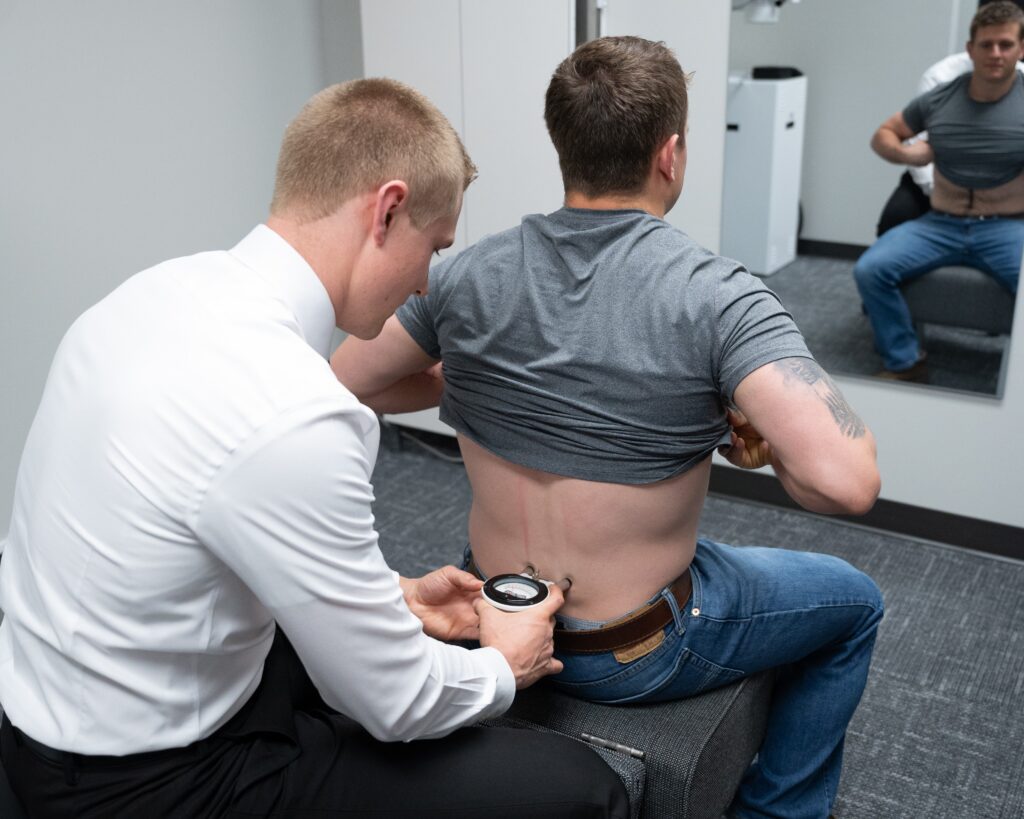
As a local chiropractor, I want to share some valuable insights for anyone grappling with upper back pain. You're not alone in this struggle, and there are natural, effective strategies to help you achieve relief. By making some straightforward adjustments in your daily routine, you can enhance your posture, integrate beneficial stretching, and strengthen the essential muscle groups that support your back.
Understanding these practices is crucial, as they can significantly improve your daily life and overall wellness. If you're curious about how chiropractic care and natural healing techniques can alleviate your discomfort, let's delve into seven practical tips that could truly transform your approach to managing upper back pain. Your journey to relief starts here!
Improve Your Posture
As a chiropractor, I want to share with you the significant benefits that improving your posture can have on your overall well-being and relief from upper back pain. When you maintain proper posture—whether sitting or standing—you help align your spine and distribute your weight evenly, minimizing strain on your back muscles.
It's important to be mindful of your posture throughout the day. When you're working at a desk or walking, remember to keep your shoulders back and align your head with your spine. This simple awareness can greatly influence how your body feels.
When sitting, ensure that your feet are flat on the ground and your knees are at a right angle. If you spend a lot of time at a desk, consider investing in an ergonomic chair that provides support for your lower back. Also, adjust your computer screen to eye level to prevent straining your neck—this small change can significantly improve your comfort and promote healthier posture.
While standing, aim to distribute your weight evenly across both feet. Keep your hips aligned with your ankles and avoid locking your knees, which is a common habit that can lead to discomfort.
I understand that it can be easy to slip into poor posture, especially when you're focused on tasks. To combat this, set reminders on your phone or place sticky notes in your workspace to prompt you to check your posture throughout the day.
Additionally, incorporating core-strengthening exercises into your routine can be extremely beneficial. A strong core supports your spine and encourages proper alignment, which is crucial for your posture.
Remember, even small adjustments can lead to significant improvements over time. By consciously working on your posture, you can alleviate upper back pain and also experience a boost in your confidence and energy levels.
Stretch Regularly
As a local chiropractor, I want to emphasize the importance of stretching regularly to help alleviate upper back pain and maintain overall flexibility.
Incorporating effective stretching techniques into your daily routine can target key muscle groups that contribute to tension in the back. By making stretching a consistent part of your day, you can support your spine's health and work towards a pain-free lifestyle.
Importance of Flexibility
As a local chiropractor, I want to emphasize the vital role that flexibility plays in alleviating upper back pain. Many people may not realize that maintaining a healthy range of motion and reducing muscle tension can significantly enhance your overall back health.
By incorporating regular stretching into your daily routine, you can experience a multitude of benefits for your upper back. Here are four key advantages of improving your flexibility:
- Improved Posture: Increased flexibility in your upper body can help align your spine properly. This alignment is crucial for reducing strain on your back muscles, which is a common source of discomfort for many individuals.
- Reduced Risk of Injury: Engaging in stretching exercises enhances your muscle elasticity. As a result, you're less likely to encounter strains or sprains during physical activities, which can be especially beneficial for those who lead active lifestyles.
- Enhanced Blood Flow: Flexible muscles contribute to better circulation. Improved blood flow delivers essential nutrients to your tissues and can significantly speed up recovery from any existing discomfort.
- Decreased Muscle Tension: Regularly incorporating stretching into your routine helps to release accumulated tension in your muscles. This not only promotes relaxation but also allows you to move more freely without feeling restricted.
If you have any questions about how to effectively incorporate flexibility exercises into your routine or how they relate to your overall chiropractic care, please don't hesitate to reach out.
Your journey to better back health starts with understanding the importance of flexibility!
Effective Stretching Techniques
As a local chiropractor, I want to share how effective stretching techniques can significantly aid in managing upper back pain. By incorporating simple stretches into your daily routine, you can enhance your flexibility and alleviate tension in your upper back, which is crucial for your overall well-being.
Let's start with a foundational stretch called the cat-cow stretch. To perform this, get down on your hands and knees. As you inhale, arch your back, letting your belly drop towards the floor. Then, as you exhale, round your back by tucking your chin to your chest. This movement is excellent for mobilizing your spine and loosening those tight muscles that often contribute to discomfort.
Another beneficial stretch is the doorway stretch. Stand in a doorway and place your arms on the door frame. As you gently lean forward, you should feel a nice stretch across your chest and shoulders. This stretch is particularly effective in relieving tightness that can lead to upper back pain.
You might also find the seated spinal twist helpful. While sitting, cross one leg over the other and gently twist your torso towards the bent knee. This stretch not only improves spinal mobility but also promotes relaxation in your back muscles. Aim to hold each stretch for 15-30 seconds and repeat 2-3 times for optimal results.
Remember, deep breathing is essential while you stretch. It helps your muscles relax, maximizing the effectiveness of each movement.
Daily Routine Integration
As a local chiropractor, I want to emphasize how incorporating stretching into your daily routine can significantly help manage upper back pain. Many of my patients are surprised to learn that simple stretching can improve flexibility, reduce muscle tension, and prevent discomfort from accumulating throughout the day.
Here are some practical tips to help you seamlessly integrate stretching into your everyday life:
- Morning Stretch: Begin your day with a few gentle stretches. This practice can effectively loosen up your muscles, preparing your body for the tasks ahead.
- Set Reminders: I recommend using your phone or calendar to set hourly reminders. Taking just a minute to stretch can provide a great release of tension and is an easy way to incorporate movement into your day.
- Stretch at Work: Don't forget to take advantage of your work breaks to stretch. Even a simple upper back stretch or neck roll can make a noticeable difference in relieving tightness and discomfort.
- Evening Routine: Before you wind down for the night, spend 5-10 minutes stretching. This not only helps relax your muscles but also sets the stage for a more restful sleep, which is vital for your overall health and well-being.
By making stretching a regular part of your day, you can support your body's natural healing processes and enhance your quality of life.
As always, if you have any specific concerns or questions about your back pain, feel free to reach out for personalized advice.
Strengthen Your Muscles
As your local chiropractor, I want to share with you some important insights on how to relieve upper back pain naturally.
One of the most effective methods is by strengthening your muscles. Integrating core stability exercises alongside targeted workouts for your upper back can greatly improve your condition.
These practices not only enhance your overall strength but also provide the necessary support for your back.
Let's discuss how these exercises can play a vital role in your healing journey and help you achieve better posture and pain relief.
Core Stability Exercises
As a local chiropractor, I want to emphasize the importance of building a strong core for those experiencing upper back pain. A stable core plays a crucial role in supporting your spine during daily activities, ultimately alleviating discomfort in your upper back.
Strengthening your core not only aids in reducing muscle strain but also enhances your overall posture and stability. Here are four core stability exercises that I recommend incorporating into your routine:
- Plank: Begin by holding a plank position, ensuring your body forms a straight line from head to heels. If you're starting out, aim to hold this position for 20-30 seconds, and as you build strength, gradually increase your hold time. This exercise is excellent for engaging multiple muscle groups.
- Bird-Dog: Get on all fours, then extend one arm forward while simultaneously extending the opposite leg backward. Hold this position for a few seconds, allowing your body to experience balance and coordination, then switch sides. This exercise not only strengthens your core but also improves your stability.
- Dead Bug: Lie on your back with your arms pointing straight up towards the ceiling and your knees bent at a right angle. Carefully lower one arm and the opposite leg towards the ground while maintaining control, then return to the starting position. Alternate sides for a complete set. This movement is great for enhancing core strength and coordination.
- Side Plank: Position yourself on your side and lift your body off the ground, balancing on one forearm and the side of your foot. Keep your body straight and hold this position for 15-30 seconds on each side. The side plank is particularly effective for targeting the oblique muscles and improving lateral stability.
By incorporating these exercises into your routine, you can effectively strengthen your core, which will, in turn, support your upper back and contribute to your overall well-being.
Upper Back Workouts
As a local chiropractor, I want to emphasize the importance of strengthening your upper back muscles for maintaining proper posture and alleviating discomfort. A strong upper back plays a crucial role in supporting your spine, which can help reduce tension in other areas, such as your neck and shoulders.
To enhance your overall well-being, I recommend incorporating the following exercises into your routine.
First, consider the bent-over row. This exercise involves grabbing a pair of dumbbells, hinging at your hips, and pulling the weights toward your chest while keeping your elbows close to your body. This motion effectively targets your latissimus dorsi and rhomboid muscles, promoting strength and stability in your upper back.
Another beneficial exercise is the reverse fly. In this movement, you bend slightly at your hips while holding dumbbells and lift your arms out to the side, squeezing your shoulder blades together. This exercise not only strengthens your upper back but also contributes to better posture.
Don't overlook the wall angel. Stand with your back against a wall and position your arms in a goalpost formation. As you slide your arms up and down the wall, maintain a flat back. This exercise encourages mobility and muscular endurance, which are vital for maintaining a healthy upper back.
I recommend incorporating these exercises into your routine two to three times a week to achieve the best results. By strengthening your upper back, you may notice improvements in your posture and a reduction in upper back pain.
Use Heat Therapy
As a chiropractor, I often recommend heat therapy as a natural and effective method to alleviate upper back pain. This approach not only helps relax tense muscles but also improves blood circulation, providing much-needed comfort.
Whether you choose a heating pad, warm towel, or hot water bottle, heat therapy can be a simple yet powerful tool in managing your discomfort.
Here are some practical tips on how to use heat therapy effectively:
- Select the Right Heat Source: You might find that a microwaveable heating pad, an electric heating pad, or even a hot shower works best for you. It's all about finding what feels most comfortable and effective for your needs.
- Time Your Sessions Wisely: Limit your heat application to about 15-20 minutes at a time. This duration is typically sufficient to experience relaxation without risking skin irritation or burns.
- Incorporate Gentle Stretching: After applying heat, consider following up with some gentle stretches. This combination can enhance relaxation and help reduce stiffness in your upper back, promoting better mobility.
- Be Mindful of Temperature: Always check the temperature of your heat source before use. It should feel warm, not hot, to avoid any risk of burns. Comfort is key to effective therapy.
Using heat therapy as part of your self-care routine can be a beneficial way to support your chiropractic treatment and overall well-being.
If you have any questions or want to learn more about integrating natural healing methods into your care plan, please feel free to ask!
Stay Hydrated
As a local chiropractor, I want to emphasize the importance of staying hydrated, especially when it comes to alleviating upper back pain. Water plays a crucial role in maintaining healthy muscle function and reducing stiffness, which is vital for your overall comfort and mobility.
When you're adequately hydrated, your muscles and joints can operate more efficiently, helping to minimize discomfort and improve your range of motion. On the other hand, dehydration can lead to muscle cramps and increased tension in the upper back, potentially worsening any pain you might already be feeling.
I recommend aiming for at least eight 8-ounce glasses of water per day, and even more if you're physically active. It's important to remember that hydration needs can differ based on factors such as age, gender, and activity level.
If plain water doesn't excite you, consider adding slices of lemon, cucumber, or berries for a refreshing twist. Herbal teas are also a fantastic option to boost your fluid intake without the added sugars.
Be attentive to your body's signals. If you feel thirsty, that's a clear indication that your body needs more fluids. You might also experience signs of dehydration like a dry mouth, fatigue, or headaches.
Keeping a water bottle within reach can serve as a great reminder to take sips throughout the day.
In addition to drinking enough water, consider incorporating foods with high water content into your diet, such as fruits and vegetables. Not only do these foods help with hydration, but they also provide essential nutrients that support your overall health.
Practice Relaxation Techniques
As a local chiropractor, I want to emphasize the importance of a holistic approach to alleviating upper back pain. One key aspect of this approach is maintaining proper hydration, but it doesn't stop there.
Practicing relaxation techniques is equally vital, as stress can lead to muscle tension that exacerbates discomfort. Incorporating these methods into your daily routine can significantly improve your well-being and help ease your pain.
Here are four effective relaxation techniques that I recommend:
- Deep Breathing: Take a few moments each day to focus on your breath. Inhale deeply through your nose, allowing your abdomen to expand fully. Exhale slowly through your mouth. This practice not only calms your nervous system but also helps reduce tension in your muscles, making it an excellent tool for managing pain.
- Progressive Muscle Relaxation: This technique involves systematically tensing and then relaxing each muscle group in your body, starting from your toes and working your way up to your head. It's a great way to become more aware of where you hold tension, particularly in the upper back, and encourages relaxation throughout your entire body.
- Mindfulness Meditation: Set aside some quiet time to sit comfortably, close your eyes, and center your focus on the present moment. As thoughts and sensations arise, acknowledge them without judgment. This practice can help lower stress levels and enhance your perception of pain, making it easier to cope with discomfort.
- Gentle Yoga or Stretching: Engaging in gentle yoga or stretching exercises is beneficial for releasing tension in your upper back. Concentrate on poses that open up the chest and shoulders, as these can promote relaxation and improve flexibility, which is essential for overall spinal health.
By incorporating these relaxation techniques into your lifestyle, you can effectively support your chiropractic care and enhance your journey toward relief and well-being.
Consider Professional Help
If you're experiencing persistent upper back pain despite trying relaxation techniques at home, it might be time to consider chiropractic care. As a local chiropractor, I want to share how our approach can provide you with personalized solutions tailored to your specific condition.
Chiropractic care focuses on realigning the spine and relieving tension in the muscles, which are often significant contributors to upper back pain. With hands-on adjustments, we aim to improve your mobility, and many patients notice immediate relief after just one visit.
Unlike other methods, chiropractic care targets the root of the issue, rather than just masking the pain.
In addition to adjustments, we can create a customized plan that may include exercises to strengthen your back, improve your posture, and prevent future injuries. Understanding proper body mechanics is crucial, especially if your pain arises from everyday habits that may not be serving you well.
If you're dealing with severe pain or symptoms like numbness or tingling, consulting a healthcare provider is essential. In my practice, I work closely with patients to determine if imaging tests are necessary to rule out any serious underlying conditions, and I can provide guidance on managing pain and inflammation naturally.
Don't hesitate to reach out and explore how chiropractic care can help you on your journey to recovery. By addressing both the symptoms and the underlying causes of your upper back pain, we can work together towards a sustainable solution that promotes long-term wellbeing.
Your health is worth investing in, and I'm here to assist you every step of the way.
Conclusion
As a local chiropractor, I want to share with you seven effective strategies to relieve upper back pain and enhance your overall well-being. First and foremost, it's essential to maintain good posture throughout your daily activities. This simple adjustment can significantly impact your back health.
Incorporating regular stretching into your routine is also vital. Stretching helps to alleviate tension in your muscles, promoting flexibility and reducing discomfort. Strengthening the muscles that support your upper back will further enhance your stability and resilience against pain.
Don't overlook the power of heat therapy. Applying heat can soothe tense muscles and alleviate pain, making it a valuable tool in your pain management arsenal. Staying hydrated is another key factor; adequate hydration supports healthy muscle function and can help prevent spasms.
Additionally, I encourage you to make time for relaxation techniques, such as deep breathing or mindfulness, which can help reduce stress that often contributes to tension in the back. If you find that your pain persists despite these efforts, don't hesitate to seek professional help. As a chiropractor, I can work with you to develop a personalized treatment plan that addresses your unique needs. By taking these proactive steps, you can achieve a healthier, pain-free back, allowing you to fully enjoy your daily activities.