If you're struggling with lower back pain, you're not alone, and there are practical steps you can take today to find relief. By focusing on your posture and incorporating simple stretches into your routine, you can make a significant difference in how you feel. Heat and cold therapies can also be effective, but those are just the beginning. There are additional strategies you might not have considered that could enhance your recovery even further. Let's explore these tips and uncover what could work best for you.
Maintain Proper Posture
Maintaining proper posture is essential for preventing and alleviating lower back pain. When you sit, stand, or move, being aware of your body alignment can make a significant difference. You mightn't realize it, but slouching or hunching can put undue stress on your spine and surrounding muscles.
So, let's focus on how to improve your posture.
When sitting, keep your feet flat on the floor and your knees at a 90-degree angle. Your back should be straight, and your shoulders relaxed but not slumped. Consider using a chair that supports your lower back, which can encourage good posture throughout the day.
If you're working at a desk for extended periods, try to adjust your screen to eye level. This way, you won't have to crane your neck, which can lead to discomfort.
While standing, distribute your weight evenly on both feet. Avoid locking your knees, as this can strain your lower back. Instead, keep a slight bend in your knees to maintain balance.
Engage your core muscles to support your spine and keep your shoulders back and relaxed.
Incorporate Stretching Exercises
Incorporating stretching exercises into your routine can greatly improve your lower back health. When you stretch, you increase flexibility and blood flow, which can help alleviate tension and reduce pain. It's vital to focus on the muscles surrounding your lower back, including the hips, hamstrings, and pelvic area.
Start with gentle stretches like the cat-cow stretch. Get on your hands and knees, then alternate between arching your back and rounding it. This movement warms up your spine and promotes mobility.
Another effective stretch is the child's pose. Kneel on the floor, sit back on your heels, and reach your arms forward on the ground. Hold this position for 30 seconds to a minute, feeling the stretch along your spine.
Incorporate the piriformis stretch, which targets the deep hip muscles. Lie on your back, cross one leg over the other, and gently pull the knee toward your opposite shoulder. This stretch can alleviate pressure on the lower back and provide relief.
It's important to listen to your body. If any stretch causes pain, stop immediately. Aim for a sustainable routine; try to stretch for about 10-15 minutes each day. Consistency is key, as regular stretching can lead to long-term improvements.
Lastly, consider integrating stretches into your daily activities. For instance, take a few moments to stretch after sitting for extended periods. By making stretching a regular habit, you'll promote better lower back health and enhance your overall well-being.
Apply Heat or Cold Therapy
When you're dealing with lower back pain, applying heat or cold therapy can make a big difference.
Heat therapy helps relax tight muscles and improve blood flow, while cold therapy reduces inflammation and numbs sharp pain.
Understanding when and how to use each method can provide you with the relief you need.
Benefits of Heat Therapy
After a long day of physical activity, applying heat therapy can be a game changer for alleviating lower back pain. The soothing warmth relaxes tense muscles, increasing blood flow to the affected area. This enhanced circulation promotes healing and reduces stiffness, making it easier for you to move comfortably.
When you use heat therapy, you have several options, such as heating pads, warm towels, or even a hot bath. Just make sure to keep the temperature at a safe level to avoid burns. It's often best to apply heat for about 15-20 minutes at a time, allowing your body to absorb the warmth while giving your skin a break in between sessions.
Not only does heat therapy help with physical discomfort, but it can also provide mental relief. The warmth can be incredibly soothing, helping to reduce stress and promote a sense of well-being.
Cold Therapy Techniques
Cold therapy techniques can work wonders for reducing inflammation and numbing sharp pain in your lower back. When you apply cold packs or ice wrapped in a cloth, it constricts your blood vessels, which can decrease swelling and dull discomfort.
You'll want to apply the cold for about 15-20 minutes every hour as needed, ensuring you give your skin a break to avoid frostbite.
If you don't have ice packs, you can use a bag of frozen vegetables or even a cold towel soaked in water. Just make sure there's a barrier between the cold source and your skin to prevent irritation.
Cold therapy is particularly effective immediately after an injury or during flare-ups, as it helps manage acute pain.
You can also consider alternating between cold and heat therapy after a couple of days, as this can enhance circulation and promote healing.
Listen to your body; if cold therapy doesn't seem to help, it's okay to switch to heat or consult a healthcare professional for further guidance.
Stay Active and Mobile
Regularly staying active and mobile is crucial for managing lower back pain. While it may seem counterintuitive to move when you're in pain, staying active can considerably improve your symptoms. Gentle movements and stretching help maintain flexibility, reduce stiffness, and promote blood flow to your back muscles, which can speed up healing.
Incorporating low-impact activities into your routine can make a big difference. Walking, swimming, or cycling are excellent choices that won't put too much strain on your back. Aim for at least 30 minutes of activity most days of the week. If you're unsure where to start, try taking short walks throughout the day. Breaking it down into smaller, manageable sessions can help you stay consistent without overdoing it.
Listen to your body. If something feels uncomfortable or painful, don't push through it. Instead, modify your movements or switch to a different activity. Remember, the goal is to keep your body moving, not to exacerbate your pain.
In addition to aerobic activities, consider incorporating gentle stretching exercises that focus on your back and hips. Stretching can improve your range of motion and reduce tension in tight muscles. Even simple stretches, like reaching toward your toes or gently twisting your torso, can provide relief.
Staying active helps you maintain a healthier weight, which can alleviate additional stress on your lower back. Prioritizing movement is a crucial step in your journey to managing and relieving lower back pain effectively.
Strengthen Core Muscles
Strengthening your core muscles is essential for supporting your lower back and preventing pain. Your core isn't just your abs; it includes the muscles in your abdomen, back, and pelvis. When these muscles work together, they create a sturdy foundation that keeps your spine aligned and reduces strain on your lower back.
To get started, incorporate exercises that target these core areas. Planks are a fantastic choice; they engage multiple muscle groups at once. Try holding a plank position for 20-30 seconds, gradually increasing the time as you get stronger. Side planks are also effective, helping to strengthen the oblique muscles on the sides of your abdomen.
Another excellent exercise is the bird-dog. Start on your hands and knees, then extend one arm forward and the opposite leg back. Hold for a moment, then switch sides. This movement not only strengthens your core but also improves balance and coordination.
Don't forget about bridges! Lying on your back with your knees bent, lift your hips toward the ceiling while squeezing your glutes. This targets both your core and lower back muscles.
Aim for a routine that includes these exercises 2-3 times a week. Remember to focus on form over speed; quality movements will yield better results.
With time and consistency, you'll notice improved stability in your back, allowing you to enjoy daily activities without discomfort. So, get moving, and strengthen that core!
Consider Over-the-Counter Pain Relief
When you're dealing with lower back pain, over-the-counter pain relievers can offer quick relief.
It's important to know the common options, proper dosages, and safety tips to use them effectively.
If your pain persists or worsens, don't hesitate to seek professional help.
Common Pain Relievers
Finding effective relief for lower back pain often starts with over-the-counter pain relievers that can help reduce inflammation and ease discomfort.
You've got several options to take into account, each targeting pain in different ways. Here are four common pain relievers you might find helpful:
- Ibuprofen: This nonsteroidal anti-inflammatory drug (NSAID) can reduce inflammation and alleviate pain effectively. It's often recommended for acute back pain.
- Acetaminophen: A popular choice for pain relief, acetaminophen is gentler on the stomach but doesn't address inflammation. It's ideal for those who can't tolerate NSAIDs.
- Aspirin: Another NSAID, aspirin can relieve pain and inflammation. Just be cautious if you have certain health conditions or if you're taking other medications.
- Naproxen: This is another NSAID that offers longer-lasting relief, making it a good option for ongoing pain management.
Always consult with a healthcare professional before starting any medication, especially if you have underlying health issues.
Choosing the right pain reliever can notably impact your journey toward relief from lower back pain.
Dosage and Safety Tips
Taking the right dosage of over-the-counter pain relievers is crucial for effective relief and safety. Always read the label for recommended dosages and follow them closely. For most adults, nonsteroidal anti-inflammatory drugs (NSAIDs) like ibuprofen or naproxen are effective. Stick to the suggested maximum dosage, usually no more than every six to eight hours.
Be cautious if you have any pre-existing conditions, such as stomach ulcers or liver issues, as these may affect your ability to take certain medications safely. If you're unsure, consult your doctor or pharmacist for advice tailored to your situation.
Remember, more isn't always better. Taking too much can lead to serious side effects, including gastrointestinal bleeding or liver damage.
Stay aware of any other medications you're currently using. Interactions can occur, so it's important to check if your pain reliever can safely be combined with other treatments.
Lastly, if you find yourself needing over-the-counter pain relief frequently, it might be a sign to evaluate your condition. Be proactive about your health, and don't hesitate to seek professional guidance when necessary.
When to Seek Help
Over-the-counter pain relief can be a quick solution for lower back pain, but knowing when to seek professional help is just as important.
While these medications can ease discomfort, they're not always the answer, especially if your pain persists or worsens.
Here are some signs that it's crucial to consult a healthcare professional:
- Pain Lasts More than a Few Days: If your lower back pain doesn't improve within a few days, it's wise to get it checked out.
- Severe Pain: If you experience debilitating pain that makes it hard to perform daily activities, don't hesitate to seek help.
- Numbness or Tingling: If you notice numbness, tingling, or weakness in your legs, this could indicate nerve issues that require medical attention.
- Pain After Injury: If your pain follows an injury or accident, it's crucial to get evaluated to rule out any serious conditions.
Listening to your body is key.
Don't ignore these signs; getting the right help can lead to a faster, more effective recovery.
Schedule Regular Chiropractic Care
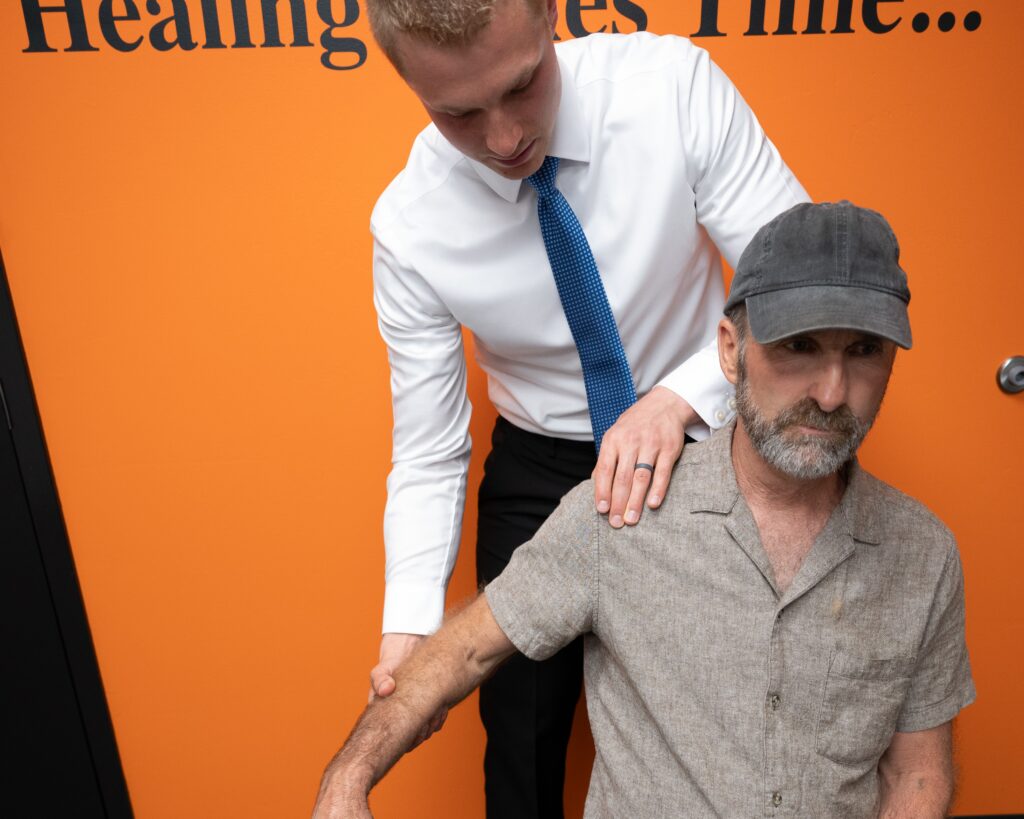
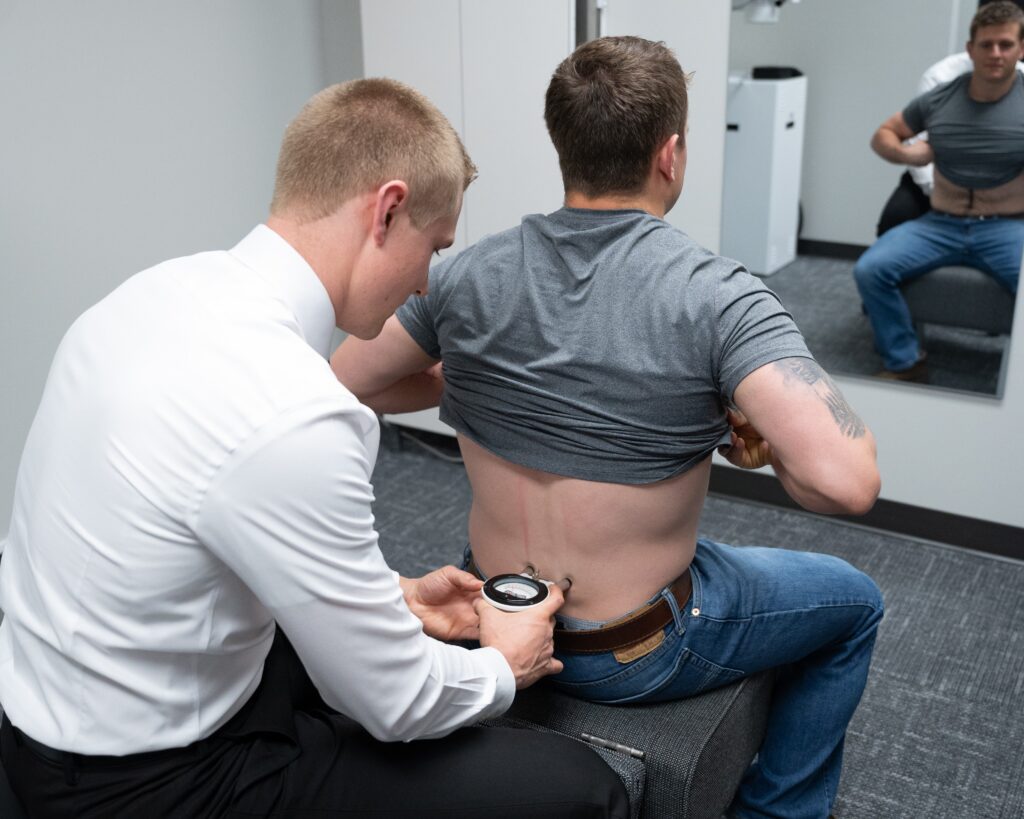
If you're struggling with lower back pain, scheduling regular chiropractic care can be a game changer. Chiropractors specialize in diagnosing and treating musculoskeletal issues, focusing on spinal alignment and overall body function. By visiting a chiropractor regularly, you can address not only your current discomfort but also prevent future issues from arising.
During your visits, your chiropractor will assess your spine and posture, identifying any misalignments or restrictions that may be contributing to your pain. They'll use various techniques, such as spinal adjustments, to realign your spine and reduce tension in your muscles. This can lead to immediate relief and long-term improvements in your overall mobility and wellness.
It's important to note that chiropractic care isn't just about pain relief; it's also about maintaining a healthy spine. Regular adjustments can enhance your body's ability to function effectively, supporting your overall health and helping you manage stress better. Many patients find that their energy levels improve and their sleep quality enhances with consistent chiropractic care.
To get the most out of your chiropractic visits, commit to a regular schedule. Discuss your specific needs and goals with your chiropractor, who can create a personalized plan tailored to your condition.
Conclusion
By following these tips, you can effectively relieve lower back pain and improve your overall well-being. Remember to maintain good posture, incorporate stretching, and stay active. Don't hesitate to apply heat or cold therapy and consider over-the-counter pain relief if needed. Strengthening your core is essential, too. If your pain persists, scheduling regular chiropractic care can provide additional support. Take charge of your back health today for a more comfortable tomorrow!