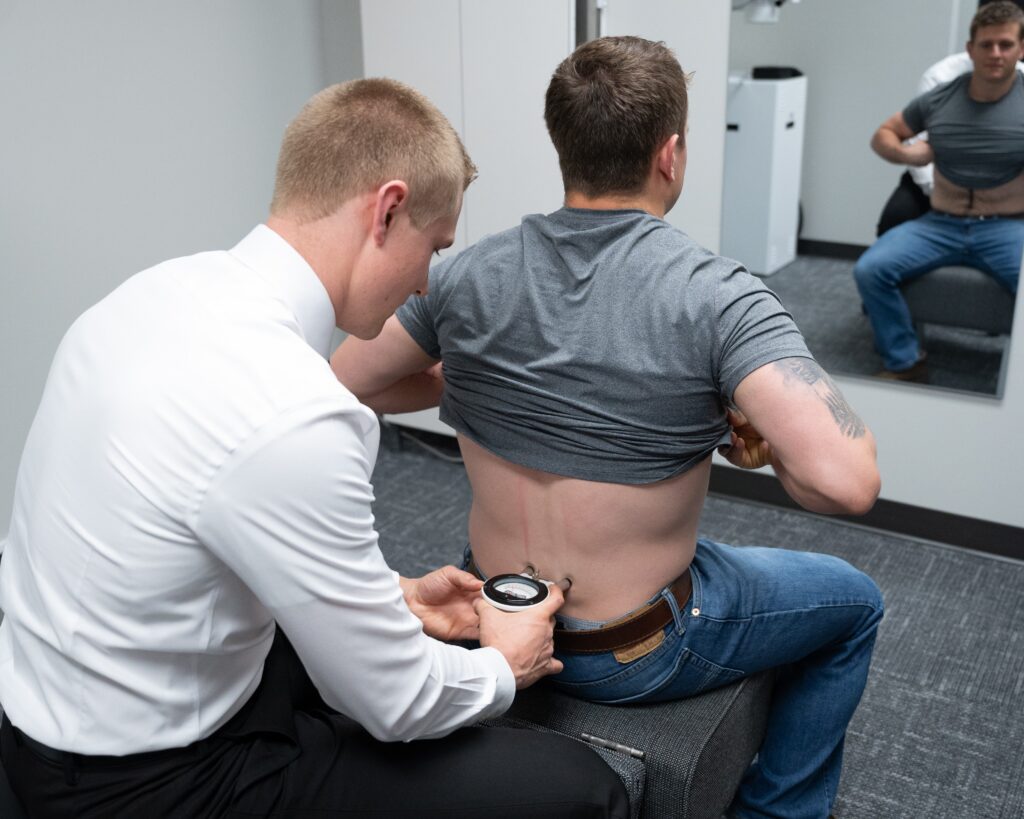

If you often find yourself struggling with headaches, you might be interested in exploring some natural relief methods that could help. Simple adjustments in your daily routine, like staying hydrated or practicing relaxation techniques, can make a significant difference. You may also want to contemplate incorporating essential oils or adjusting your diet. These tips can offer a more holistic approach to managing headache discomfort. Curious about how to implement these strategies effectively? Let's uncover the details that could transform your headache relief experience.
Stay Hydrated
Staying hydrated is essential for preventing headaches, especially when you're busy or on the go. Dehydration can trigger headaches, leaving you feeling uncomfortable and unfocused. To maintain your hydration levels, you need to drink water consistently throughout the day. Don't wait until you're thirsty; by that time, you may already be dehydrated.
Aim for at least eight 8-ounce glasses of water daily, but individual needs can vary. Factors like climate, physical activity, and overall health play a role in how much water you should consume. If you're sweating more due to exercise or heat, increase your intake to compensate for the loss.
You can also consider hydrating foods like fruits and vegetables; cucumbers, watermelon, and oranges can add extra moisture to your diet.
Keep a reusable water bottle with you, and take small sips regularly. This habit makes it easier to track your consumption and reminds you to drink more often. If plain water doesn't excite you, try adding slices of lemon, lime, or cucumber for a revitalizing flavor. Herbal teas and coconut water are great alternatives, too.
Pay attention to signs of dehydration, such as dry mouth, fatigue, or dark-colored urine. These indicators can help you know when to increase your fluid intake.
Practice Relaxation Techniques
Relaxation techniques can be a powerful tool for managing headaches and reducing stress. When you incorporate these practices into your daily routine, you may notice significant improvements in your overall well-being.
One effective method is deep breathing. Find a quiet space, sit comfortably, and focus on your breath. Inhale deeply through your nose, allowing your abdomen to rise, then exhale slowly through your mouth. Repeat this for a few minutes, and you'll likely feel tension release.
Another technique is progressive muscle relaxation. Start by tensing a group of muscles, such as your shoulders, for a few seconds and then relax them completely. Move through your body, tensing and releasing each muscle group. This practice not only helps relieve headache tension but also promotes a sense of calm.
Meditation is also a great way to ease headaches. Find a tranquil spot, close your eyes, and concentrate on a single point or your breathing. You don't need to clear your mind completely; just let thoughts pass without judgment. Even a few minutes can help you feel more centered.
Lastly, consider gentle yoga or stretching. These movements can alleviate physical tension and boost your mood. Focus on poses that open up your shoulders and neck, where many headaches can originate.
Incorporating these relaxation techniques into your life can help you manage stress and potentially lessen the frequency or intensity of your headaches.
Explore Essential Oils
Essential oils can be a powerful ally in relieving headaches.
You'll want to explore the best oils for this purpose, learn how to apply them effectively, and consider safety precautions.
Let's uncover how these natural remedies can enhance your headache relief routine.
Best Essential Oils
When headaches strike, many people turn to natural remedies, and essential oils can be a powerful ally in your quest for relief. Certain oils have properties that may help alleviate pain and tension, making them ideal for headache management.
Peppermint oil is a favorite among headache sufferers due to its cooling effect and ability to improve circulation. Just a small amount can invigorate your senses while easing discomfort.
Lavender oil is another excellent choice, known for its calming properties that can help reduce stress and promote relaxation during a headache.
Eucalyptus oil works as a decongestant, which can be particularly beneficial if your headache is linked to sinus issues. Its revitalizing scent can open airways and provide a sense of relief.
Finally, rosemary oil is praised for its anti-inflammatory properties and can help soothe tension headaches.
Incorporating these essential oils into your routine can enhance your natural headache relief efforts. Whether you prefer to diffuse them or use them in a carrier oil, these oils might just be what you need to find comfort during your next headache episode.
Application Techniques
To effectively harness the benefits of essential oils for headache relief, it's crucial to understand the best application techniques. Start by choosing your preferred essential oil, like peppermint or lavender, known for their soothing properties.
One effective method is to dilute a few drops of essential oil with a carrier oil, such as coconut or jojoba oil. This makes it safe to apply directly to your skin. Gently massage the mixture onto your temples, neck, or the area where you feel tension. The act of massaging can also enhance circulation and provide additional relief.
Another technique is inhalation. Simply add a few drops of essential oil to a diffuser or a bowl of hot water. Lean over the bowl with a towel draped over your head to trap the steam, and breathe deeply for several minutes. This method allows the aromatic compounds to enter your system quickly and can provide immediate relief.
You can also consider adding a few drops to a warm bath. Soaking in the water infused with essential oils can help you relax and ease headache symptoms.
Safety Considerations
Using essential oils can be a wonderful way to find headache relief, but it's important to prioritize safety. Not all oils are created equal, and improper use can lead to adverse reactions.
Here are some essential safety considerations you should keep in mind:
- Patch Test: Always perform a patch test before applying any essential oil to your skin. This helps you check for allergic reactions.
- Dilution: Dilute essential oils with a carrier oil, like coconut or jojoba oil, to avoid skin irritation. A common ratio is 1-2 drops of essential oil per teaspoon of carrier oil.
- Quality Matters: Choose high-quality, pure essential oils from reputable sources. Adulterated oils can cause more harm than good.
- Avoid Ingestion: Don't ingest essential oils unless under the guidance of a qualified professional. Some oils can be toxic when taken internally.
- Consult a Professional: If you're pregnant, nursing, or have underlying health conditions, consult a healthcare provider before using essential oils.
Maintain a Balanced Diet
Maintaining a balanced diet is essential not just for overall health, but also for minimizing headache triggers. When you fuel your body with the right nutrients, you can reduce the frequency and intensity of headaches. Focus on incorporating a variety of foods, including fruits, vegetables, whole grains, lean proteins, and healthy fats. Each of these food groups plays an important role in sustaining your energy levels and keeping headaches at bay.
Hydration is another key aspect of your diet. Make sure you drink enough water throughout the day, as dehydration is a common headache trigger. Aim for at least eight glasses a day, or more if you're active.
Additionally, monitor your caffeine intake. While small amounts might help alleviate headaches for some, too much can lead to withdrawal headaches.
Be mindful of food sensitivities as well. Certain foods, like aged cheeses, processed meats, or artificial sweeteners, may trigger headaches in some individuals. Keep a food diary to track what you eat and how it affects your headache patterns. This can help you identify and eliminate potential triggers from your diet.
Lastly, don't skip meals. Irregular eating can lead to drops in blood sugar, which might trigger headaches. Plan balanced meals and snacks to keep your energy levels steady throughout the day.
Use Cold or Warm Compresses
Sometimes, a simple cold or warm compress can provide much-needed relief from headaches. You can easily use these compresses at home to soothe your discomfort. Here's how you can effectively implement them:
- Cold Compress: Wrap ice or a cold pack in a cloth and place it on your forehead or the back of your neck. This can reduce inflammation and numb the pain.
- Warm Compress: Use a warm towel or heating pad on your forehead or neck. The warmth can help relax tense muscles and improve blood circulation.
- Timing: Apply the compress for about 15-20 minutes at a time. You can repeat this as needed, allowing for breaks in between.
- Personal Preference: Experiment with both types of compresses. You might find that one works better for you than the other depending on the type of headache you're experiencing.
- Stay Comfortable: Make sure you're in a quiet, comfortable space while using the compress. This can enhance the effectiveness of the treatment.
Using compresses can be a quick and effective way to alleviate headache symptoms.
Whether you choose cold or warm compresses, listening to your body is key. Pay attention to how you feel and adjust accordingly.
Incorporate Regular Exercise
Incorporating regular exercise into your routine can greatly reduce the frequency and intensity of headaches. Physical activity increases blood circulation and releases endorphins, which act as natural painkillers. When you exercise, your body can better manage stress and tension, both of which are common headache triggers.
You don't need to engage in high-intensity workouts to reap the benefits. Even moderate activities like walking, swimming, or yoga can make a significant difference. Aim for at least 30 minutes of exercise most days of the week. Find something you enjoy—this makes it easier to stick with a routine. Whether it's dancing, biking, or playing a sport, choose activities that keep you motivated and engaged.
Consistency is key. As you build a regular exercise habit, you'll likely notice fewer headaches over time. Additionally, setting achievable fitness goals can boost your confidence and contribute to overall well-being.
Remember to listen to your body; if you feel a headache coming on, consider a gentler form of exercise, like stretching or a leisurely walk. Incorporating relaxation techniques like deep breathing during your workouts can further enhance the stress-relieving benefits.
You might also want to try incorporating mindfulness practices, as they can help you stay present and focused, reducing anxiety that often leads to headaches.
Ensure Adequate Sleep
How well are you sleeping? If you're not getting enough rest, it could be a significant factor in your headaches. Sleep isn't just a luxury; it's a necessity for your overall health.
When you skimp on sleep, you're more likely to experience headaches due to stress and fatigue. Prioritizing quality sleep can help alleviate these issues and promote better health.
Here are some tips to guarantee you get adequate sleep:
- Stick to a schedule: Go to bed and wake up at the same time every day, even on weekends. This helps regulate your body's internal clock.
- Create a relaxing bedtime routine: Wind down with calming activities like reading or meditating before bed to signal your body that it's time to sleep.
- Limit screen time: Avoid screens at least an hour before bed. The blue light emitted can interfere with your sleep patterns.
- Make your bedroom a sleep sanctuary: Keep your sleeping environment dark, quiet, and cool to promote better sleep quality.
- Watch what you eat and drink: Avoid large meals, caffeine, and alcohol before bed, as these can disrupt your sleep.
Conclusion
By following these seven tips, you can find natural relief from headaches and improve your overall well-being. Staying hydrated, practicing relaxation techniques, and incorporating essential oils into your routine can make a significant difference. Don't forget to maintain a balanced diet, use compresses, engage in regular exercise, and prioritize quality sleep. With these simple changes, you'll be better equipped to manage headaches and enjoy a healthier, more vibrant life. Start implementing them today!