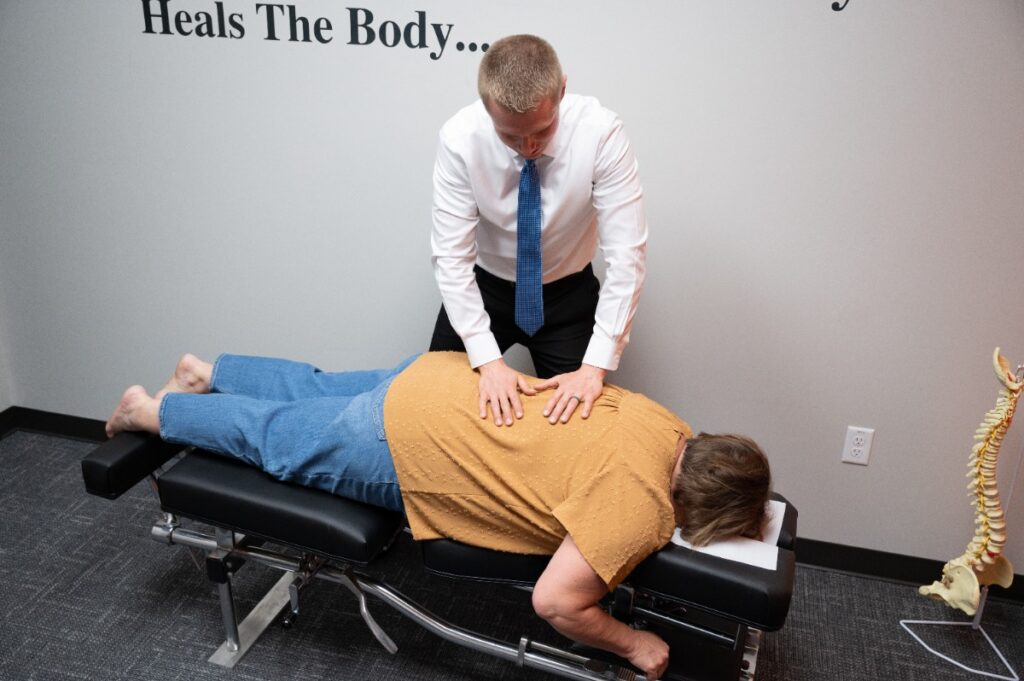

As a local chiropractor, I understand that dealing with a neck injury can be both uncomfortable and frustrating. Finding effective relief is crucial for your recovery, and I'm here to guide you through some natural techniques that can significantly ease your discomfort. You may have tried various remedies, but let's focus on seven specific methods that I often recommend to my patients.
First, gentle neck stretches can be incredibly beneficial. These movements help improve flexibility and reduce tension in the muscles surrounding your neck. Additionally, the strategic use of heat and cold therapies can alleviate pain and inflammation, making it easier for you to move throughout your day.
Moreover, incorporating proper posture into your daily routine can work wonders for your neck health. Many people underestimate the impact of posture on pain levels, but maintaining alignment can prevent further injury and promote healing. Mindfulness practices can also play a role in your recovery by helping you manage stress and become more aware of your body's needs.
I encourage you to explore these techniques and see how they can enhance your daily life and overall well-being. If you have any questions or would like personalized guidance, don't hesitate to reach out. Together, we can find the relief you're seeking and support your journey towards a healthier neck.
Gentle Neck Stretches
As a local chiropractor, I want to share some insights on how gentle neck stretches can be a simple yet effective way to address neck pain and enhance your mobility. Many of my patients have found that these stretches not only relieve tension but also help prevent future injuries. You don't need to be an expert in yoga or have prior experience with stretching; dedicating just a few minutes each day can truly make a difference in how you feel.
Let's start with some easy side-to-side head tilts. Whether you're sitting or standing, gently tilt your head toward one shoulder. You should feel a nice stretch along the opposite side of your neck. Hold this position for about 15-30 seconds, then switch to the other side. I recommend repeating this a few times on each side to maximize the benefit.
Next, I encourage you to try chin tucks. Sit up straight and gently tuck your chin toward your chest. This simple movement helps align your neck and can significantly alleviate tightness. Hold for a few seconds, then relax. You can incorporate this stretch several times throughout your day, especially if you find yourself sitting for long periods.
Another beneficial stretch is neck rotation. Slowly turn your head to one side until you feel a gentle stretch, holding for 15-30 seconds. After that, rotate to the other side. This movement is excellent for promoting flexibility and reducing any stiffness you might be experiencing.
Lastly, don't overlook the importance of shoulder rolls. Raise your shoulders toward your ears, then roll them back and down. This not only relieves tension in your neck but also helps ease discomfort in your upper back area.
By incorporating these gentle neck stretches into your daily routine, you can experience significant relief and improved mobility over time. Always pay attention to your body and remember, if you feel any pain, it's essential to stop and consult with a healthcare professional.
As a chiropractor, I'm here to support you in your journey towards better health and wellness.
Heat Therapy Applications
As a local chiropractor, I want to share with you the benefits of heat therapy for relieving neck pain and promoting relaxation. Heat therapy is a natural healing method that works by increasing blood flow to the affected area, which helps soothe sore muscles and reduce stiffness.
Whether you're experiencing discomfort from a recent injury or chronic tension, incorporating heat into your self-care routine can provide significant relief.
There are several effective ways to apply heat to your neck. One of the simplest options is a warm towel or heating pad. You can easily create a warm towel by microwaving a damp cloth for about 30 seconds, or you can use a heating pad. Just be sure to check that it's warm—not hot—to avoid any risk of burns.
Apply it gently to your neck for 15 to 20 minutes. Alternatively, taking a warm shower or bath can help relax your entire body, providing soothing relief not just for your neck.
For longer-lasting relief, consider using a hot water bottle. Fill it with warm (not boiling) water and place it against your neck. This method retains heat for an extended period, allowing your muscles to relax more deeply.
If you're looking for a more targeted approach, heat wraps specially designed for neck pain can be a great choice. These wraps conform to the shape of your neck and provide consistent warmth, helping to alleviate discomfort.
As always, it's important to listen to your body. If the heat feels too intense or uncomfortable, be sure to remove it immediately.
For optimal results, try applying heat several times a day, especially after performing gentle stretches. Combining these techniques can enhance your recovery process, making you feel more comfortable and relaxed in no time.
If you have questions about how heat therapy can be part of your overall wellness plan, don't hesitate to reach out. I'm here to support you on your journey to better health!
Cold Compress Benefits
As a local chiropractor, I want to share the significant benefits of using a cold compress, especially if you're dealing with a neck injury.
This simple yet effective tool can truly make a difference in your recovery process. By applying a cold compress, you'll notice a reduction in inflammation and swelling, which are common issues after an injury.
This not only helps you feel more comfortable but also alleviates pain and discomfort. Incorporating cold therapy into your routine can be an excellent natural solution for relief, complementing the chiropractic care you may be receiving.
It's all about promoting healing and enhancing your overall well-being.
Reduces Inflammation and Swelling
As a local chiropractor, I want to emphasize the importance of addressing inflammation and swelling when recovering from a neck injury. One of the simplest and most effective methods I recommend to my patients is the use of a cold compress. Applying a cold compress to the injured area helps constrict blood vessels, which reduces blood flow and ultimately minimizes swelling. This is especially beneficial, as the inflammation that often accompanies neck injuries can hinder your recovery process.
Creating a cold compress is easy—you can wrap ice cubes in a cloth or utilize a gel pack from your freezer. I advise applying the compress for about 15 to 20 minutes at a time, ensuring you take breaks in between to protect your skin from damage. It's crucial to always have a barrier between the cold source and your skin to prevent frostbite and ensure a comfortable experience.
Incorporating the use of a cold compress into your routine during the days following your injury can significantly accelerate your recovery. It's a quick and non-invasive approach to managing inflammation, making it an essential part of your healing journey.
Eases Pain and Discomfort
As a local chiropractor, I often encounter patients dealing with neck injuries, and one of the simplest yet most effective methods for relief is the application of a cold compress. This technique isn't only beneficial for reducing inflammation but also plays a crucial role in alleviating pain and discomfort. The cold temperature serves to numb the affected area, providing immediate relief from sharp pains or throbbing sensations that can arise from injuries.
When you apply a cold compress, it constricts blood vessels, which helps limit the flow of inflammatory substances to the injured area. This is essential for your body's healing process, allowing it to recover more efficiently.
To use a cold compress, you can easily create one with an ice pack, a bag of frozen vegetables, or a cloth soaked in cold water. Just be sure to wrap it in a thin towel to protect your skin from frostbite.
For optimal results, aim to apply the compress for about 15-20 minutes every couple of hours, especially right after the injury occurs, but it can also be helpful during your recovery phase.
In addition to providing pain relief, cold therapy can promote relaxation, which is beneficial in managing the stress that often accompanies injuries. By incorporating cold compresses into your routine, you'll find that managing discomfort becomes much more feasible, allowing you to focus on your recovery and regain your mobility sooner.
Proper Posture Practices
As a local chiropractor, I want to stress the vital role that proper posture plays in maintaining a healthy neck and preventing injuries. Many individuals may not realize how much their sitting and standing habits can affect their neck health. Good posture is essential because it helps evenly distribute weight across your spine and alleviates unnecessary strain on your neck muscles.
To begin with, it's important to ensure that your head is properly aligned with your spine. When standing, aim to keep your ears aligned over your shoulders with your shoulders pulled back. This alignment is key in minimizing tension in your neck.
When you're seated, it's crucial to adjust your chair and desk height so that your elbows form a 90-degree angle and your feet remain flat on the floor. Position your computer screen at eye level to avoid tilting your head up or down. If you're using your phone, lift it to eye level rather than bending your neck downward, as this can lead to long-term strain.
I also recommend taking regular breaks, especially if you're at a desk for extended periods. Stand up, stretch, and take a short walk every 30 minutes. This not only helps relieve tension but also serves as a gentle reminder to check in on your posture throughout the day.
Additionally, don't overlook the importance of your posture while sleeping. A supportive pillow that maintains the alignment of your neck with your spine is essential. I advise against sleeping on your stomach, as this can twist your neck into awkward positions that may lead to discomfort.
Massage Techniques
As a local chiropractor, I want to emphasize that massage can be an incredibly effective method for alleviating neck injuries and promoting overall healing. Many people often overlook the role of massage in recovery, but integrating these techniques into your routine can significantly reduce tension and support your body's natural healing processes.
Whether you're dealing with tightness from an injury or the everyday strain of daily life, massage can help release accumulated muscle tension and enhance blood circulation.
Let's start with some gentle self-massage techniques that you can easily incorporate at home. Begin by using your fingertips to apply pressure at the base of your skull, then gradually move down toward your shoulders. Employing circular motions can help relieve tight spots, while applying steady pressure along the sides of your neck can effectively release knots.
You might also find it beneficial to use a tennis ball against a wall; simply lean into the ball and gently roll it over the muscles to target specific areas.
If you're looking for a more professional approach, I encourage you to consider scheduling a massage therapy session with a licensed therapist. They can provide targeted relief using specialized techniques like deep tissue, trigger point therapy, or myofascial release.
Be sure to communicate your specific pain points with them so they can tailor the session to your unique needs.
Additionally, I recommend incorporating heat and cold therapy into your massage routine. Applying a warm compress before your massage can help relax the muscles, making it easier to alleviate tension.
On the other hand, using ice after your session can help reduce inflammation and soothe any soreness you might feel.
By incorporating these massage techniques into your self-care routine, you can experience significant relief and support your recovery process.
Ergonomic Workspace Setup
Creating an ergonomic workspace is essential for protecting your neck and overall well-being, especially if you spend long hours seated. As a chiropractor, I want to share some practical tips to help you set up a workspace that supports your body and minimizes discomfort.
First, focus on your chair. Position it so your feet can rest flat on the floor, keeping your knees bent at a 90-degree angle. If your chair isn't adjustable, a simple footrest can be a great solution to help maintain this posture.
It's crucial that your back is fully supported by the chair's backrest, allowing your shoulders to relax naturally.
Next, let's talk about the height of your desk. Ideally, your elbows should also be bent at a 90-degree angle when you're typing, with your wrists in a straight position and hands slightly elevated.
If your desk is too high or too low, it can create awkward angles that put unnecessary strain on your neck. Consider using a keyboard tray or an adjustable desk to find the perfect height for your needs.
The position of your monitor is equally important. To avoid neck strain, place your monitor at eye level and about an arm's length away from you.
This prevents you from having to tilt your head down or up, which can lead to discomfort over time. If you're using a laptop, investing in a laptop stand can help elevate the screen to the appropriate height.
Lastly, ensure that your workspace is well-lit. Good lighting can prevent you from leaning forward or squinting, both of which contribute to neck strain.
Position your light source to eliminate glare on your screen, creating a more comfortable environment.
By following these ergonomic guidelines, you can enhance your comfort and protect your neck while working.
Mindfulness and Relaxation
As a local chiropractor, I want to share how mindfulness and relaxation techniques can play a significant role in managing neck pain.
Many of my patients are often surprised to learn that simple practices like breathing exercises can effectively reduce tension in the neck and shoulders.
Additionally, guided imagery and meditation are powerful tools that can aid in pain relief and promote overall well-being.
By incorporating these techniques into your daily routine, you can support your recovery and enhance the benefits of chiropractic care.
Let's discuss how we can integrate these practices into your healing journey.
Breathing Exercises Benefits
As a local chiropractor, I often emphasize the importance of holistic approaches to health and wellness, including breathing exercises.
Many of my patients find that integrating these exercises into their daily routine significantly enhances their mindfulness and relaxation. Breathing exercises aren't just beneficial for relieving tension in your neck; they also foster a profound sense of calmness. By focusing on your breath, you can create a mental space conducive to relaxation and healing.
Here are four key benefits of practicing breathing exercises that I encourage my patients to consider:
- Stress Reduction: Engaging in controlled breathing can effectively lower cortisol levels, which helps to alleviate feelings of stress and anxiety. This is crucial for your overall well-being.
- Improved Focus: By concentrating on your breath, you can enhance your mental clarity. This sharpened focus can make daily tasks feel more manageable and less distracting.
- Enhanced Physical Relaxation: Deep breathing techniques promote muscle relaxation, which can be particularly beneficial for relieving tension in the neck and shoulders—areas that often hold stress.
- Better Sleep: Establishing a breathing routine before bedtime can significantly improve your sleep quality. Quality sleep is essential for your body's recovery and overall health.
Incorporating breathing exercises into your life can complement the chiropractic care I provide, helping you achieve a balanced state of mind and body.
Guided Imagery Techniques
As a chiropractor, I want to share some powerful techniques that can complement your journey towards wellness and relaxation—specifically, guided imagery techniques. These practices can be incredibly effective for mindfulness and managing discomfort in areas like your neck.
To begin, find a quiet and comfortable space where you can either sit or lie down. Close your eyes and take a few deep, calming breaths to allow yourself to settle into the moment. This is an important step in preparing your mind and body for relaxation.
Now, let's explore the concept of visualization. Picture a serene landscape that brings you peace, such as a tranquil beach with the sound of gentle waves or a peaceful forest filled with the soothing rustle of leaves. Engage your senses—imagine the warmth of the sun on your skin or the fresh scent of pine trees.
As you immerse yourself in these details, you might notice your body starting to relax, which is essential for alleviating tension, especially in your neck.
Another effective method is to visualize healing light. Imagine this warm, soothing light surrounding your neck, gently easing any discomfort or tightness you may be experiencing. This practice not only promotes relaxation but can also help you cultivate an overall sense of calm and well-being.
Incorporating guided imagery into your routine can be a valuable addition to your chiropractic care. It enhances your ability to manage stress and discomfort naturally, supporting your recovery process.
I encourage you to try these techniques regularly, as they can significantly aid in your overall healing journey. Remember, your health and well-being are interconnected, and practices like guided imagery can make a positive impact on your chiropractic experience.
Meditation for Pain Relief
As a chiropractor, I often see how stress and tension can contribute to discomfort in the body. One of the effective ways to promote relaxation and alleviate pain is through meditation. By centering your mind and calming your body, you can foster a sense of tranquility that helps reduce discomfort.
Here are some meditation techniques that I recommend for my patients:
- Mindful Breathing: Begin by taking deep, slow breaths. Inhale deeply through your nose and exhale gently through your mouth. This practice not only calms your mind but also helps relieve tension in your body, making it an excellent complement to chiropractic care.
- Body Scan: Find a comfortable position, either sitting or lying down, and mentally scan your body from your head to your toes. Acknowledge any areas of pain or tension, and intentionally relax those muscles. This awareness can enhance your overall well-being and support the adjustments we make in the clinic.
- Visualization: Imagine a peaceful place or picture a healing light surrounding areas of discomfort, such as your neck or back. This mental imagery can help create a soothing environment, further easing physical pain.
- Guided Meditation: Consider utilizing apps or recordings that feature guided meditations specifically designed for pain relief. The calming voices and structured guidance can keep you focused and help you relax, which is essential in your journey towards healing.
Incorporating these meditation techniques into your routine can significantly enhance the benefits of chiropractic care and promote a holistic approach to your health.
Conclusion
As a chiropractor, I want to share some valuable techniques that can help you relieve discomfort from neck injuries and promote healing in a natural way. First, incorporating gentle stretches into your daily routine can greatly improve your flexibility and reduce tension in your neck. Additionally, both heat and cold therapies can be effective in alleviating pain and swelling.
Maintaining proper posture is crucial, especially if you spend long hours at a desk. An ergonomic workspace can make a significant difference in preventing further strain on your neck. I also recommend exploring the benefits of massage therapy, which can help relax tight muscles and improve circulation.
Lastly, don't underestimate the power of mindfulness practices. They can enhance your relaxation and overall well-being, making your recovery process smoother. By taking a proactive approach to your neck health, you can experience relief and a better quality of life. Let's work together to ensure you feel your best!