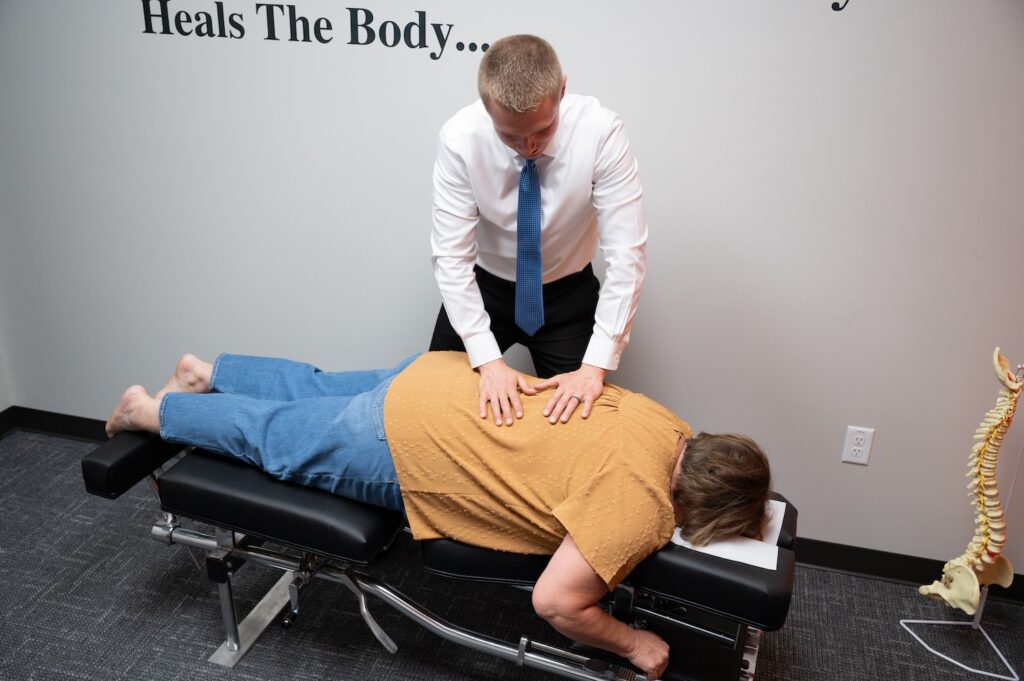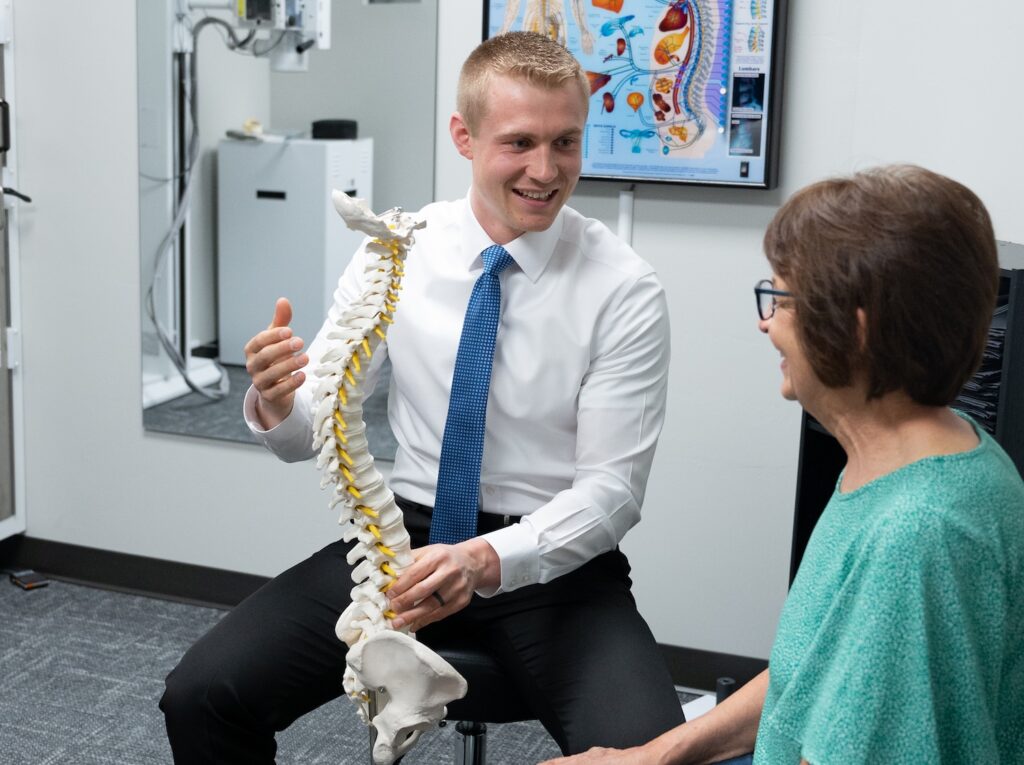

As a local chiropractor, I understand how sports-related back pain can significantly impact your performance and enjoyment of your favorite activities. If you find yourself struggling with this type of discomfort, I want to share seven reliable tips that can help you address and alleviate your pain.
First and foremost, it's crucial to identify your pain triggers. Understanding what exacerbates your discomfort can be the first step towards effective relief. Additionally, strengthening your core is essential; a strong core supports your spine and helps reduce strain during physical activity.
I encourage you to consider integrating these strategies into your daily routine for optimal benefit. Simple adjustments in your approach to movement, stretching, and overall body mechanics can make a world of difference.
By exploring these insights, you can regain control over your body and stay active without the burden of nagging pain. Remember, natural healing methods, including chiropractic care, can play a pivotal role in your recovery journey. Let's work together to keep you moving freely and enjoying your favorite sports!
Understand Your Pain
Understanding your pain is a crucial step toward achieving effective relief, and as a local chiropractor, I want to help you navigate this journey. When it comes to back pain, it's essential to identify its source. Are you feeling a sharp, stabbing sensation when you bend? Or perhaps a dull ache that lingers throughout your day? By understanding both the type and location of your pain, you can communicate more effectively with healthcare professionals, leading to a more accurate diagnosis and tailored treatment.
Take note of when your pain occurs. Does it flare up after a specific sport or activity? Or maybe you notice it intensifies after a long day at work or during certain movements? Keeping a pain diary can be incredibly beneficial for tracking these patterns. This awareness not only assists in treatment options but also empowers you to make lifestyle changes that can prevent aggravating your back.
Additionally, consider the factors that may be contributing to your pain. Are you participating in high-impact sports without proper conditioning? Are you lifting weights incorrectly? By analyzing your activities and habits, we can identify areas that may need adjustment.
Remember, your body deserves time to recover, especially following intense physical exertion.
It's also important not to overlook any accompanying symptoms. If you experience numbness, tingling, or weakness in your legs, these could be signs of a more serious issue that requires prompt medical attention.
Understanding your pain is the first step in your journey towards a pain-free life. With chiropractic care, we can work together to help you enjoy your favorite activities without limitations and improve your overall well-being.
Use Proper Stretching Techniques
As a local chiropractor, I want to emphasize the importance of proper stretching techniques for maintaining a healthy back, especially during sports activities.
Before you begin your exercise routine, dynamic stretching is crucial. It not only warms up your muscles but also enhances flexibility, which can significantly reduce the risk of injury.
After your workout, take the time to engage in post-workout stretching. This practice helps prevent stiffness and promotes recovery.
Incorporating both dynamic and static stretching into your regular routine can make a remarkable difference in how your back feels and functions.
Dynamic Stretching Benefits
As a chiropractor, I want to share the significant benefits of incorporating dynamic stretching into your warm-up routine, especially if you're looking to enhance your athletic performance and reduce the risk of injuries.
Unlike static stretching, dynamic stretching involves active movements that increase blood flow to your muscles and joints, effectively preparing your body for the physical demands of your chosen activity.
When you engage in dynamic stretches, you activate the specific muscles you'll rely on during your exercise, which can improve your range of motion and flexibility.
Simple movements such as leg swings, arm circles, and walking lunges not only engage your core but also help to enhance your coordination and balance. This increased mobility can be a game-changer, leading to improved agility, whether you're on the field or court.
Additionally, dynamic stretching plays a crucial role in mentally preparing you for your workout. It helps you focus and energizes your body, setting a positive tone for your performance.
Just a friendly reminder: keep your movements controlled and within a comfortable range to minimize the risk of overstretching or straining your muscles.
Embracing these practices can help you stay aligned and injury-free, allowing your body to perform at its best.
Post-Workout Stretch Importance
As a local chiropractor, I want to emphasize the importance of post-workout stretching for your recovery and overall well-being. Many individuals underestimate how crucial this practice is after an intense workout. When you engage in physical activity, your muscles become tight and fatigued, and that's where stretching comes into play.
It's vital for maintaining flexibility and preventing injuries, which can arise from muscle imbalances and tightness. When you stretch, you're aiding your muscles in returning to their normal length, which can significantly reduce soreness and stiffness.
To ensure you get the most benefit from your stretching routine, I recommend focusing on proper techniques. Begin with gentle static stretches, holding each position for about 15 to 30 seconds. Pay particular attention to key muscle groups such as your hamstrings, quadriceps, and lower back, as these areas are often overworked during exercise.
Remember to breathe deeply and allow yourself to relax into each stretch. This not only helps in releasing muscle tension but also enhances your overall experience. It's important to avoid bouncing or forcing your stretches, as this can lead to strain or injury. Instead, listen to your body and ease into each position at your own pace.
Incorporating post-workout stretching into your routine can significantly improve your recovery time and enhance your overall performance. I encourage you not to overlook this essential step.
Make it a habit to stretch after every workout, and you'll likely notice the positive effects on your body. Your back and overall health will truly appreciate the care you give it!
Incorporate Strengthening Exercises
As a local chiropractor, I want to emphasize the critical role that strengthening exercises play in alleviating sports-related back pain. Engaging in these exercises goes beyond just building muscle; it enhances the stability and support of your spine, which is essential for preventing injuries and reducing pain. By developing a strong back, you'll be able to remain active and enjoy your favorite sports with greater confidence.
To begin, focus on your core muscles, as they're vital in supporting your lower back. Incorporating exercises such as planks, bridges, and bird-dogs can significantly strengthen your core. These movements engage multiple muscle groups, promoting overall stability and balance. I recommend adding these exercises to your routine at least three times a week for the best results.
It's also crucial not to overlook your hips and glutes, as strong hip muscles can help alleviate pressure on your lower back. Consider integrating squats and lunges into your regimen. These functional movements not only build strength but also enhance your overall athletic performance, making them a valuable addition to your exercise routine.
As you become more comfortable with these exercises, you can challenge yourself by introducing resistance bands or weights. However, it's essential to maintain proper form to avoid further strain. If you're unsure about how to perform any of these exercises correctly, don't hesitate to seek guidance from a fitness professional or ask me during your visit.
Lastly, always listen to your body. If you experience pain during any exercise, stop immediately and reassess your technique. By incorporating these strengthening exercises into your routine, you can manage existing back pain and build resilience for the future. This proactive approach will allow you to enjoy your sports activities with confidence and support your overall health and well-being.
Maintain Good Posture
As a local chiropractor, I want to emphasize the crucial role that maintaining good posture plays in your journey to alleviate back pain. While building strength is important, proper posture is just as vital. Good posture not only supports your spine but also reduces strain on your muscles and helps prevent injuries during various physical activities, including sports.
When you're standing or sitting, focus on keeping your shoulders back, your chest open, and your head aligned with your spine. This proper alignment helps distribute your body weight evenly, significantly minimizing pressure on your back.
If you're engaging in sports—be it running, cycling, or playing team sports—it's essential to pay attention to your form. Slouching or leaning forward can lead to muscle fatigue and increased pain. Make it a habit to keep your core engaged and ensure that your hips are aligned with your knees and ankles.
If you're not conscious of your posture, bad habits can easily take root, potentially leading to chronic pain over time.
In your daily routine, whether you're working at a desk or lifting weights, take a moment to assess your posture. If possible, use ergonomic furniture and consider adjusting your workspace to provide better support for your back.
When lifting objects, remember to bend at your knees rather than your waist to protect your spine.
Lastly, don't overlook posture during your recovery time. When resting or sleeping, consider using supportive pillows to maintain spinal alignment.
By incorporating these small adjustments into your daily life, you'll develop habits that promote long-term back health and ultimately enhance your athletic performance.
Utilize Heat and Cold Therapy
As a local chiropractor, I often emphasize the importance of utilizing heat and cold therapy in managing back pain, especially after an intense game or workout. These simple yet effective methods can significantly enhance your comfort and aid in your recovery process.
Let's start with cold therapy. Applying cold can effectively reduce inflammation and numb sharp pain, making it particularly useful right after you've experienced a strain or injury. You can use an ice pack or even a bag of frozen peas—just remember to wrap it in a cloth to protect your skin. Apply it to the affected area for about 15-20 minutes, and be sure to take breaks in between to prevent frostbite.
On the other hand, heat therapy can provide incredible relief for chronic back pain or muscle stiffness. Using a heating pad, a hot water bottle, or indulging in a warm bath can promote blood flow to the area, which aids in relaxation and healing. Just like with cold therapy, apply heat for about 15-20 minutes and avoid falling asleep with it on to prevent any complications.
For a more comprehensive approach, you can alternate between heat and cold therapy. Start with cold to minimize swelling and then switch to heat to help relax your muscles. This combination can effectively alleviate tension and enhance your overall mobility.
It's important to pay attention to your body's signals. If you notice that either method increases your pain or discomfort, I recommend stopping and consulting with a healthcare professional.
Stay Hydrated and Nourished
As a local chiropractor, I want to emphasize the importance of staying hydrated and nourished, especially for those dealing with sports-related back pain.
Proper hydration and balanced nutrition are crucial for your body's optimal functioning and recovery. Drinking plenty of water helps keep your muscles and joints lubricated, which can alleviate discomfort and improve your performance.
Additionally, the food you eat plays a vital role in your healing process. Consuming a well-rounded diet will provide your body with the necessary nutrients to support recovery and maintain strength.
I also encourage you to pay attention to meal timing, as when you eat can influence how effectively your body recovers and performs in your sport.
Importance of Water Intake
As a local chiropractor, I want to emphasize the critical role hydration plays in managing sports-related back pain. Proper hydration is essential for your body to function optimally, which is vital for both recovery and athletic performance. When you're dehydrated, it can lead to muscle cramps and stiffness, which may worsen any existing discomfort in your back.
Therefore, it's important to drink sufficient water throughout the day, particularly before, during, and after your workouts. A good rule of thumb is to aim for at least eight 8-ounce glasses of water daily, but keep in mind that your individual needs may vary based on your activity level and the climate you're in.
Staying well-hydrated helps maintain lubrication in your spinal discs, which can minimize wear and tear and alleviate discomfort. Increased activity leads to greater sweat loss, making it even more crucial to replenish those fluids.
You can easily monitor your hydration by observing the color of your urine. If it appears pale yellow, you're probably well-hydrated; however, darker urine is a sign that you need to increase your water intake. For those of you engaging in intense activities, it may be beneficial to incorporate electrolytes into your hydration routine to replace lost minerals.
Balanced Nutritional Choices
As a local chiropractor, I want to emphasize that managing sports-related back pain involves more than just physical adjustments; proper hydration and balanced nutritional choices are equally important.
Nourishing your body with the right nutrients is essential for supporting muscle health and facilitating recovery from any discomfort you might be experiencing.
Incorporating a variety of whole foods into your diet is key. Focus on fruits, vegetables, lean proteins, whole grains, and healthy fats. These foods are rich in essential vitamins and minerals that can help reduce inflammation and promote healing, which is critical in alleviating back pain.
Protein plays a crucial role in muscle repair, so I encourage you to include sources such as chicken, fish, beans, and nuts in your meals. Additionally, Omega-3 fatty acids, found in fish and flaxseeds, are known to help combat inflammation. This can be particularly beneficial for those dealing with back pain.
It's also important to pay attention to calcium and vitamin D, as these nutrients support bone health. Incorporate dairy products, leafy greens, and fortified foods to ensure you're getting enough of these vital components.
Finally, let's not overlook carbohydrates. Opt for complex carbs like whole grains and legumes, which provide sustained energy for your workouts and help maintain stable blood sugar levels.
Timing of Meals
As a local chiropractor, I want to emphasize the importance of meal timing in maintaining your body's energy levels and overall health, especially if you're experiencing sports-related back pain.
Understanding when to eat can significantly enhance your performance, aid your recovery, and help manage any discomfort you may be feeling.
It's crucial to consume a balanced meal about 3-4 hours before engaging in physical activity. This meal should ideally contain carbohydrates for energy, protein for muscle repair, and healthy fats to support your body's functions.
If you're pressed for time, a light snack—such as a banana or some yogurt—30 to 60 minutes before your workout can provide a quick energy boost without making you feel heavy or sluggish.
After you exercise, it's vital to refuel within 30 minutes. Focus on a combination of protein and carbohydrates to kickstart your recovery. This can help reduce soreness and inflammation, potentially alleviating some of that nagging back pain.
Additionally, don't underestimate the importance of hydration! Dehydration can lead to muscle cramps and exacerbate pain.
It's important to drink water before, during, and after your activities to ensure your muscles remain supple and ready for action.
By being mindful of your meal timing and hydration, you can better support your body and manage sports-related back pain effectively.
Consult a Healthcare Professional
When it comes to sports-related back pain, I want to emphasize the importance of seeking guidance from a healthcare professional, particularly a chiropractor. As a chiropractor, I specialize in assessing and treating musculoskeletal issues, and I can help you identify the source of your pain and develop a personalized treatment plan tailored to your needs.
It's crucial to recognize that not all back pain is the same; what works for one athlete may not be effective for another.
With my training and experience, I can differentiate between minor discomfort and more serious issues that might require attention. During your visit, I'll conduct a thorough examination, which may include a physical assessment and, if necessary, recommend imaging tests to accurately diagnose your condition. This step is vital because ignoring severe pain can lead to long-term complications that could hinder your athletic pursuits.
Once we establish a diagnosis, I'll guide you through effective pain management techniques. This may involve specific chiropractic adjustments to realign your spine, as well as exercises designed to strengthen the muscles around your back, improve flexibility, and enhance your overall performance in your chosen sport.
Additionally, I can provide valuable advice on posture, body mechanics, and ergonomic adjustments to your training routine to help prevent future injuries.
As a chiropractor, I also have the ability to suggest natural therapies that can complement your treatment plan, such as massage therapy, acupuncture, or nutritional guidance.
While some home remedies may offer temporary relief, they shouldn't replace professional care. Consulting with a chiropractor not only aids in your recovery but also empowers you with tools and knowledge to avoid future injuries, allowing you to continue enjoying the sports you love.
Conclusion
As a local chiropractor, I understand that many of you may not be familiar with how chiropractic care can help manage and relieve sports-related back pain. I'd like to share seven reliable tips that can empower you to take charge of your back health.
First, it's important to identify your pain triggers. Keeping a journal of activities that exacerbate your discomfort can provide valuable insights into what to avoid. Secondly, proper stretching is crucial; it helps maintain flexibility and reduces the risk of injury. Strengthening your core muscles is another key component, as a strong core supports your spine and can alleviate pressure on your back.
Good posture plays a significant role in back health, so be mindful of how you sit, stand, and move. Additionally, using heat and cold therapy can provide immediate relief; heat can help relax tense muscles, while cold therapy can reduce inflammation.
Don't overlook the importance of hydration and nutrition. Staying well-hydrated and nourished supports overall health and aids in recovery. Finally, if your pain persists despite these efforts, I encourage you to consult a chiropractor or healthcare professional. We can provide personalized advice and treatment options to help you regain your active lifestyle.
Taking these steps can greatly improve your back health, allowing you to enjoy your favorite sports without the burden of pain. Remember, you don't have to face this alone—I'm here to help you on your journey to wellness!