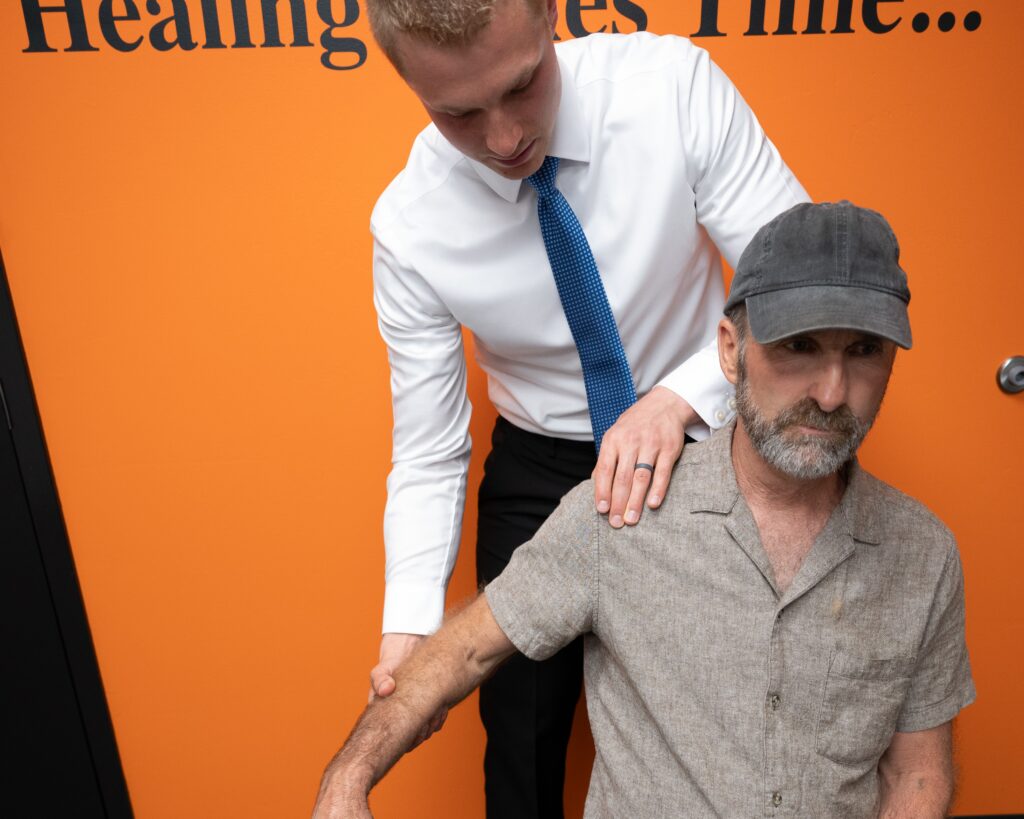
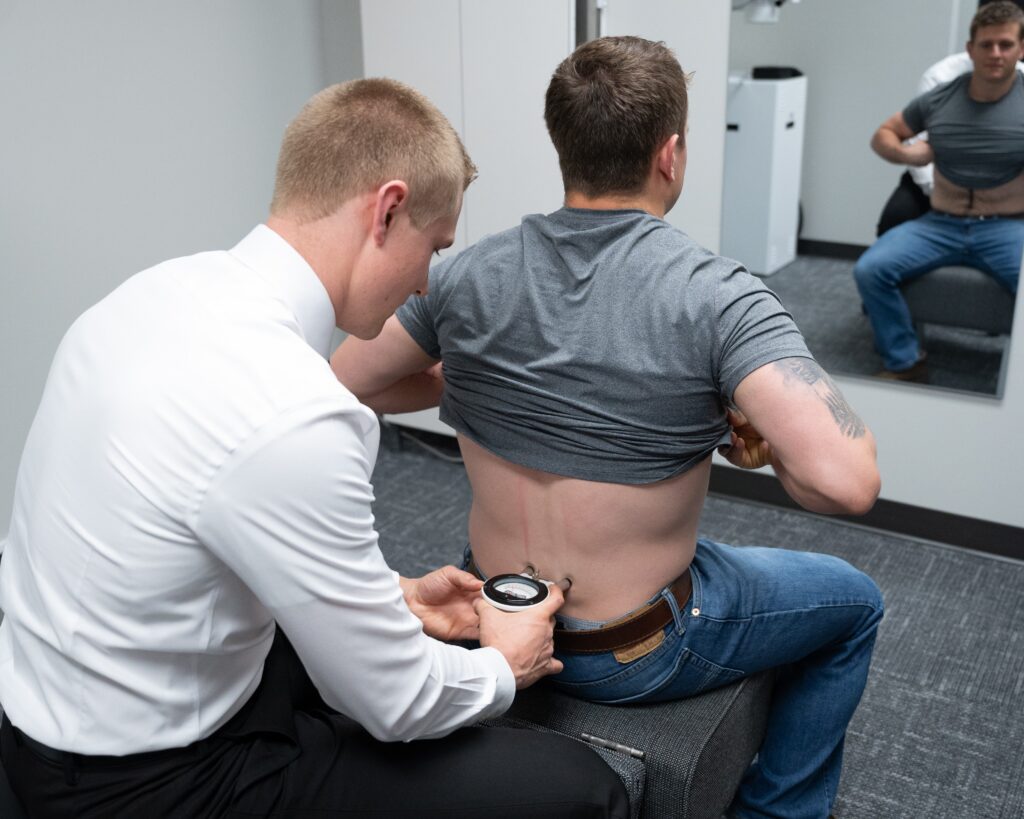
When you experience a sports injury, it's easy to brush it off or assume it'll heal on its own. However, seeking care can be vital for your recovery and future performance. Early diagnosis can prevent complications, while tailored treatment plans guarantee you recover effectively. You'll also gain access to expert guidance that can improve your rehabilitation. But what about the long-term benefits that go beyond just healing? Understanding these reasons can greatly influence your approach to recovery and performance. Let's explore why prioritizing care is essential.
Early Diagnosis of Injuries
When you spot the signs of a sports injury early, you can tackle it head-on and prevent further complications. Recognizing symptoms like swelling, pain, or limited mobility is essential. The sooner you identify these red flags, the quicker you can seek help and start the healing process. Ignoring early signs can lead to more severe injuries that might sideline you for longer periods.
An early diagnosis often means less invasive treatment. If you take action right away, you might avoid surgery and lengthy rehabilitation. Instead, you could focus on simple methods like rest, ice, compression, and elevation (RICE) or physical therapy. These approaches are often enough to get you back in the game sooner than you think.
Additionally, an early diagnosis can provide clarity about your injury. Understanding the nature and severity of your condition helps you make informed decisions about your recovery. You'll know whether it's a sprain, strain, or something more serious, allowing you to follow the right recovery plan.
Don't underestimate the importance of seeking professional evaluation. A healthcare provider can offer insights and tests that you mightn't be able to perform alone. They'll assess your injury accurately and recommend an appropriate treatment plan tailored just for you.
Prevention of Further Damage
After identifying a sports injury early, the next step is to focus on preventing further damage. Ignoring the injury or trying to push through the pain can lead to more severe complications, prolonging your recovery time. It's essential to listen to your body and recognize when something isn't right.
One of the best ways to prevent further damage is by giving yourself time to rest. This doesn't mean complete inactivity; rather, it's about modifying your activities to avoid stressing the injured area. For instance, if you've hurt your ankle, consider switching to low-impact exercises like swimming or cycling.
Additionally, using supportive devices such as braces or wraps can help stabilize the injury and protect it from additional strain. You should also apply ice to reduce swelling, which can prevent further tissue damage. Elevating the injured area can aid in this process as well.
Don't hesitate to seek professional help if you're unsure about how to care for your injury. A specialist can provide valuable guidance on what activities are safe and what precautions you should take.
Finally, remember that early intervention is key. The sooner you address your injury and implement preventive measures, the better your chances are of making a full recovery.
Tailored Treatment Plans
When you seek care for a sports injury, you'll benefit from a tailored treatment plan designed just for you.
This plan starts with a thorough assessment process that evaluates your unique situation and needs.
With individualized recovery strategies, you can expect a focused approach to getting back in the game safely and effectively.
Individualized Recovery Strategies
In today's fast-paced world of sports, individualized recovery strategies are vital for effective healing and peak performance. When you sustain a sports injury, a one-size-fits-all approach simply won't cut it. Your body, skills, and goals are unique, and your recovery plan should reflect that.
By working with healthcare professionals who specialize in sports injuries, you can develop a tailored treatment plan that aligns with your specific needs. This includes evaluating your injury's severity, understanding your sport's demands, and factoring in your personal recovery timeline.
Your individualized recovery strategy might involve a combination of physical therapy, strength training, and nutrition guidance. You'll likely focus on exercises that not only promote healing but also enhance your overall athletic performance. This targeted approach helps prevent re-injury and guarantees you return to your sport stronger than before.
Additionally, you should track your progress and communicate openly with your recovery team. As you advance, adjustments to your plan may be necessary.
Comprehensive Assessment Process
A thorough assessment process is vital for creating tailored treatment plans that address your specific sports injury. When you seek care, healthcare professionals will evaluate your injury through detailed examinations and diagnostic tests. This helps them understand the severity and nature of your condition.
During this assessment, you'll be asked about your medical history, the specifics of the injury, and how it affects your performance. This information is important, as it allows the provider to identify any underlying issues, such as muscle imbalances or previous injuries that could impact your recovery.
Once they've gathered all necessary data, the healthcare team can develop a personalized treatment plan that aligns with your goals and lifestyle. This plan often includes a combination of rehabilitation exercises, manual therapy, and advice on activity modifications.
Regular follow-ups will help track your progress and adjust the plan as needed, ensuring ideal recovery.
Enhanced Recovery Time
Enhanced recovery time is one of the key benefits of seeking professional care for sports injuries. When you get injured, your body needs the right support to heal effectively. Professional care guarantees that you receive a tailored treatment plan, which can greatly reduce your recovery time. Instead of waiting for the injury to heal on its own, you can actively engage in a structured rehabilitation program that addresses your specific needs.
When you consult with a healthcare professional, they'll assess the injury and recommend appropriate interventions, such as physical therapy, medication, or even imaging tests if necessary. They can identify the underlying issues contributing to your pain or dysfunction, helping you recover faster. By following their guidance, you'll not only heal quicker but also minimize the risk of re-injury in the future.
Additionally, professionals can provide you with techniques to manage pain and inflammation, which can further expedite your recovery. They might introduce you to modalities like ultrasound therapy or electrical stimulation, which can promote healing and improve circulation to the affected area.
Improved Performance
Improved performance is often a direct result of seeking professional care for sports injuries. When you experience an injury, it can't only hinder your ability to play but also affect your overall performance. By consulting a healthcare professional, you can receive targeted treatment that speeds up your recovery and gets you back to your peak condition faster. This is essential because even minor injuries can lead to compensatory movements, which might negatively impact your technique and effectiveness in your sport.
By addressing the underlying issues of your injury, you can work on regaining your strength, flexibility, and coordination. Specific rehabilitation exercises, prescribed by a professional, can help you rebuild muscle balance and improve your functional movement patterns.
When you invest in your recovery, you'll likely find that you can perform better than before. You'll regain confidence in your body, allowing you to push your limits without the fear of re-injury.
Additionally, seeking care helps you learn how to prevent future injuries. You'll gain insights into your body mechanics and what adjustments you need to make for peak performance. This proactive approach not only enhances your current abilities but also sets a strong foundation for long-term success in your sport.
Access to Expert Guidance
When you seek care for sports injuries, you gain access to specialized knowledge and skills that can make a difference in your recovery.
Professionals can create personalized recovery plans tailored to your specific needs, helping you heal more effectively.
This expert guidance not only addresses your injury but also sets you up for better performance in the future.
Specialized Knowledge and Skills
Accessing specialized knowledge and skills can greatly impact your recovery from sports injuries. When you consult with healthcare professionals who specialize in sports medicine, you gain invaluable insights into the specific nature of your injury. These experts can assess your condition accurately, helping to identify the root cause and the most effective treatment options.
With their extensive training, these professionals understand the biomechanics of your sport and how different injuries occur. They can guide you on proper techniques, ensuring you don't exacerbate your condition. Whether it's a sprain, strain, or more complex injury, their specialized knowledge allows them to tailor their approach to your needs.
Additionally, having access to advanced diagnostic tools, like MRIs or ultrasound, can make a significant difference in your treatment plan. These tools provide detailed images that help in making informed decisions about your care.
Understanding the latest rehabilitation techniques, these specialists can also offer advice on how to safely return to your sport, reducing the risk of re-injury. In short, leveraging specialized knowledge and skills is essential for a thorough recovery and getting you back to doing what you love sooner and safer.
Personalized Recovery Plans
Creating a personalized recovery plan is crucial for effectively addressing your sports injury. When you seek expert guidance, you'll gain access to tailored strategies that consider your unique circumstances, including the type of injury, your physical condition, and your athletic goals. This approach helps you recover more efficiently and reduces the risk of re-injury.
Your recovery plan should include specific exercises, rest periods, and rehabilitation techniques designed just for you. Experts will evaluate your progress regularly, making adjustments as necessary to guarantee maximum healing. They can also provide insights into nutrition and mental strategies that support your recovery journey.
Additionally, a personalized plan empowers you with knowledge. You'll learn about your injury, why certain methods work, and how to avoid future problems. This understanding not only speeds up your recovery but also boosts your confidence as you return to your sport.
Long-term Health Benefits
Seeking care for sports injuries not only addresses immediate concerns but also plays an essential role in your long-term health. When you get prompt and professional treatment, you minimize the risk of chronic issues that could sideline you for years. Early intervention helps to guarantee that your injury heals correctly, reducing the likelihood of complications that might require more invasive treatments later on.
By working with healthcare professionals, you gain access to tailored recovery strategies designed to strengthen your body and improve your overall performance. These strategies often include targeted exercises, nutrition advice, and lifestyle modifications that can enhance your physical condition. Incorporating these practices into your routine can greatly lower your risk of future injuries.
Moreover, seeking care fosters a better understanding of your body's mechanics and limits. You'll learn to recognize the signs of overexertion or improper form, enabling you to make smarter choices during physical activities. This knowledge empowers you to participate in sports more safely and confidently.
In the long run, prioritizing your health by addressing sports injuries not only enhances your athletic performance but also contributes to your overall well-being. Staying active is essential for maintaining a healthy lifestyle, and guaranteeing you're in top shape helps you enjoy your favorite activities for years to come.
Conclusion
Injuries can sideline your athletic pursuits, but seeking care is essential for a swift comeback. Early diagnosis helps catch problems before they worsen, while tailored treatment plans speed up recovery. With expert guidance and protective strategies, you can not only heal but also enhance your performance and promote long-term health. Don't let injuries hold you back—taking the right steps now can boost your resilience and confidence, getting you back to doing what you love faster.