
If you've ever experienced a tension headache, you know how debilitating it can be. Chiropractors offer several effective methods to address these headaches, starting with spinal adjustments that can realign your body and enhance nerve function. But that's just the beginning; they also incorporate techniques like massage therapy and posture correction to further alleviate your discomfort. Curious about the other strategies they employ and how these can lead to lasting relief? Let's explore what you might be missing in your approach to managing tension headaches.
Spinal Adjustments
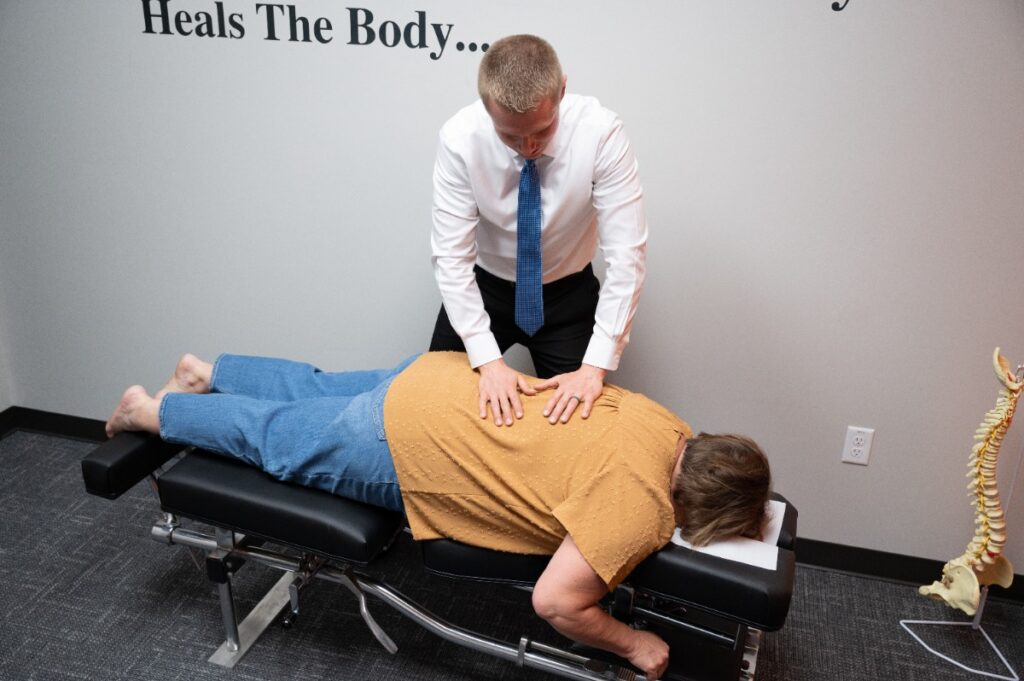
Many people find that spinal adjustments can notably alleviate tension headaches. If you're experiencing these headaches, it's worth considering how your spine's alignment might be impacting your overall well-being. Your spine plays an essential role in your nervous system, and when it's misaligned, it can contribute to tension and discomfort.
During a chiropractic appointment, a chiropractor will assess your spine and identify any misalignments. They'll use various techniques to gently adjust your spine, restoring proper balance and function. You might be surprised at how a simple adjustment can release muscle tension, improve blood circulation, and enhance nerve function, all of which can considerably reduce headache frequency and intensity.
By addressing the root cause of your tension headaches, spinal adjustments can offer a long-term solution rather than just a temporary fix. Many patients report feeling immediate relief after their first session, while others notice gradual improvements over time. Regular adjustments can help maintain that relief and prevent future headaches from occurring.
In addition to adjustments, chiropractors often provide advice on lifestyle changes and exercises that can further support your spinal health. This holistic approach guarantees that you're not just treating the symptoms but actively working toward a healthier spine and reduced headache occurrence.
If you're tired of relying on over-the-counter pain medications, consider visiting a chiropractor. You might just find the relief you've been seeking through spinal adjustments.
Massage Therapy
Massage therapy can be a powerful tool for relieving tension headaches.
By using techniques for muscle relaxation and trigger point therapy, you can effectively reduce pain and promote relaxation.
Let's explore how these methods can benefit you.
Techniques for Muscle Relaxation
Utilizing various techniques for muscle relaxation can greatly alleviate tension headaches.
When you're dealing with the throbbing pain of a tension headache, incorporating muscle relaxation methods can be a game-changer.
Here are three effective techniques you can try:
- Gentle Massage: A soothing massage can work wonders. Focus on your neck, shoulders, and the base of your skull. Use your fingertips to apply gentle pressure, releasing tight knots and promoting circulation.
- Deep Breathing Exercises: Take a moment to pause and breathe deeply. Inhale slowly through your nose, filling your lungs, and then exhale through your mouth. This not only calms your mind but also relaxes tense muscles, easing headache discomfort.
- Warm Compresses: Applying a warm compress to your forehead or neck can provide instant relief. The heat helps to loosen tight muscles and improve blood flow, allowing you to feel more at ease.
Trigger Point Therapy Benefits
Trigger point therapy offers notable benefits for those suffering from tension headaches. This targeted massage technique focuses on specific muscle knots, or trigger points, that can lead to discomfort and pain. By applying pressure to these areas, you'll experience a release of muscle tension, which can greatly reduce headache frequency and intensity.
During a session, a trained therapist will identify and work on these trigger points, promoting blood flow and relaxation in the surrounding muscles. You'll likely notice immediate relief as the tightness dissipates, allowing your body to return to a more balanced state.
Additionally, trigger point therapy not only alleviates headaches but can also enhance overall muscle function, improving your posture and reducing the likelihood of future tension headaches.
Incorporating trigger point therapy into your wellness routine can be a game-changer. It complements chiropractic adjustments beautifully, creating a thorough approach to headache management. By addressing the underlying muscle tension, you're not just masking symptoms; you're tackling the root cause of your discomfort.
Posture Correction
Proper posture plays an essential role in alleviating tension headaches, as slouching or hunching over can strain your neck and shoulder muscles.
When you maintain a straight, aligned posture, you'll reduce the pressure on those sensitive areas, leading to fewer headaches. It's vital to be mindful of how you sit, stand, and move through your day.
Here are three key benefits of correcting your posture that can resonate with you:
- Increased Energy Levels: When your body is aligned, it improves blood circulation and oxygen flow, helping you feel more energized and focused throughout the day.
- Reduced Muscle Tension: Proper posture minimizes the strain on your neck and shoulders, decreasing tightness and discomfort that often trigger headaches. You'll feel more relaxed and less stressed.
- Enhanced Confidence: Standing tall not only impacts how you feel physically but can also boost your self-esteem. Confidence can have a profound effect on your mental well-being, helping to ward off tension headaches.
Stretching Exercises
When you're dealing with tension headaches, incorporating effective neck stretches can make a big difference.
You'll also want to explore upper back flexibility techniques to help relieve tightness.
These exercises can enhance your overall well-being and reduce discomfort.
Effective Neck Stretches
Often, incorporating effective neck stretches into your routine can significantly alleviate tension headaches.
These stretches help relieve muscle tightness, improve blood flow, and reduce stress, making a real difference in how you feel.
Here are three neck stretches you can easily include in your day:
- Neck Tilts: Sit or stand comfortably, keeping your back straight. Slowly tilt your head toward one shoulder, holding for 15-30 seconds. Switch sides and repeat. This stretch helps loosen the muscles on the sides of your neck.
- Chin Tucks: Sit up straight and gently tuck your chin towards your chest. Hold for 5 seconds, then release. This stretch can strengthen and stabilize your neck muscles, reducing tension over time.
- Shoulder Shrugs: Stand or sit with your arms at your sides. Raise your shoulders toward your ears, hold for a moment, then relax them down. Repeat this 10 times. This stretch releases tension in your shoulders, which can often contribute to neck discomfort.
Upper Back Flexibility Techniques
To combat tension headaches effectively, focusing on upper back flexibility is essential, as tightness in this area can contribute to discomfort. Incorporating specific stretching exercises into your routine can relieve tension and improve your overall well-being.
Start with the "Cat-Cow Stretch." Get on all fours, arch your back upwards like a cat, and then lower your belly while lifting your head and tailbone, creating a gentle curve. Repeat this for 10-15 cycles to ease tightness.
Next, try the "Seated Torso Twist." Sit up tall in a chair, place your right hand on the backrest, and twist your torso to the right, holding for 15-30 seconds. Repeat on the left side. This stretch enhances spinal mobility and targets the upper back.
Lastly, do the "Child's Pose." Kneel on the floor, sit back on your heels, and stretch your arms forward on the ground. Hold this position for 30 seconds to promote relaxation and stretch the upper back.
Integrating these simple techniques into your daily routine can considerably reduce tension headaches, leaving you feeling more relaxed and free from discomfort.
Lifestyle Modifications
Making small lifestyle modifications can considerably reduce the frequency and intensity of tension headaches. You might be surprised how simple changes can lead to significant relief.
By incorporating healthier habits into your daily routine, you can create a more balanced lifestyle that supports your overall well-being.
Here are three impactful lifestyle modifications you can make:
- Prioritize Sleep: Adequate rest is essential for preventing tension headaches. Aim for 7-9 hours of quality sleep each night. Establishing a consistent sleep schedule can help regulate your body's internal clock, making it easier to wake up refreshed and headache-free.
- Stay Hydrated: Dehydration can trigger headaches, so make sure you drink enough water throughout the day. Keep a water bottle handy and set reminders if needed. Staying hydrated not only helps prevent headaches but also boosts your energy levels and improves your focus.
- Incorporate Regular Exercise: Physical activity can help reduce stress and tension in your body, which are common headache triggers. Aim for at least 30 minutes of moderate exercise most days of the week.
Whether it's walking, yoga, or cycling, find an activity you enjoy to make it easier to stick with.
Nutritional Guidance
Food plays a significant role in managing tension headaches, just as lifestyle modifications do. When you're dealing with these headaches, paying attention to your diet can be a game-changer. Incorporating whole, nutrient-dense foods can help reduce the frequency and severity of your headaches. Start by including plenty of fruits and vegetables, as they're rich in vitamins and antioxidants that support overall health.
Stay hydrated, too. Dehydration is a common headache trigger, so make sure you're drinking enough water throughout the day. Aim for at least eight glasses, adjusting based on your activity level and climate.
Additionally, consider cutting back on processed foods and sugar—these can cause inflammation and contribute to headache pain. You might also want to monitor your caffeine intake. While some people find that a small amount of caffeine can help relieve a headache, too much can lead to withdrawal headaches. Find a balance that works for you.
Similarly, pay attention to potential food triggers; common culprits include aged cheeses, alcohol, and artificial sweeteners. Keeping a food diary can help you identify patterns and avoid specific foods that may lead to headaches.
Lastly, consider consulting with a chiropractor who can offer personalized nutritional guidance tailored to your needs. By taking a proactive approach to your diet, you can empower yourself to manage tension headaches more effectively and improve your overall well-being.
Stress Management Techniques
Managing stress effectively is essential for reducing the frequency and intensity of tension headaches. When you learn to manage stress, you can greatly improve your overall well-being and find relief from those nagging headaches.
Here are three powerful stress management techniques you can incorporate into your daily routine:
- Mindfulness Meditation: Taking just a few minutes each day to practice mindfulness can calm your mind and reduce stress levels. Focus on your breath, let go of racing thoughts, and experience the present moment. You'll be amazed at how this simple practice can help ease tension.
- Regular Exercise: Engaging in physical activity releases endorphins, which act as natural pain relievers. Even a brisk walk or a short yoga session can make a noticeable difference in your mood and stress levels. Find an activity you enjoy, and make it a priority in your life.
- Deep Breathing Techniques: When stress hits, our breathing often becomes shallow and rapid. Take a moment to practice deep breathing. Inhale deeply through your nose, hold it for a few seconds, and exhale slowly through your mouth. This technique can help ground you and reduce feelings of anxiety.
Conclusion
Incorporating these seven strategies can greatly alleviate your tension headaches and enhance your overall well-being. By seeking chiropractic care, you're taking proactive steps to address misalignments, improve posture, and manage stress. Don't forget the importance of nutrition and lifestyle changes in your journey toward relief. By embracing these practices, you'll not only tackle immediate symptoms but also build a healthier foundation for the future. Take charge of your health today and enjoy a pain-free life!