
If you're an athlete looking to enhance your recovery process, you might want to contemplate how chiropractors can support your journey. They offer a variety of techniques designed to improve your physical performance and speed up healing. From spinal adjustments to personalized treatment plans, chiropractors tailor their approach to meet your specific needs. You might be surprised at how these strategies can contribute not just to recovery, but also to injury prevention and overall well-being. Curious about the details behind these methods and how they can benefit you?
Spinal Adjustments
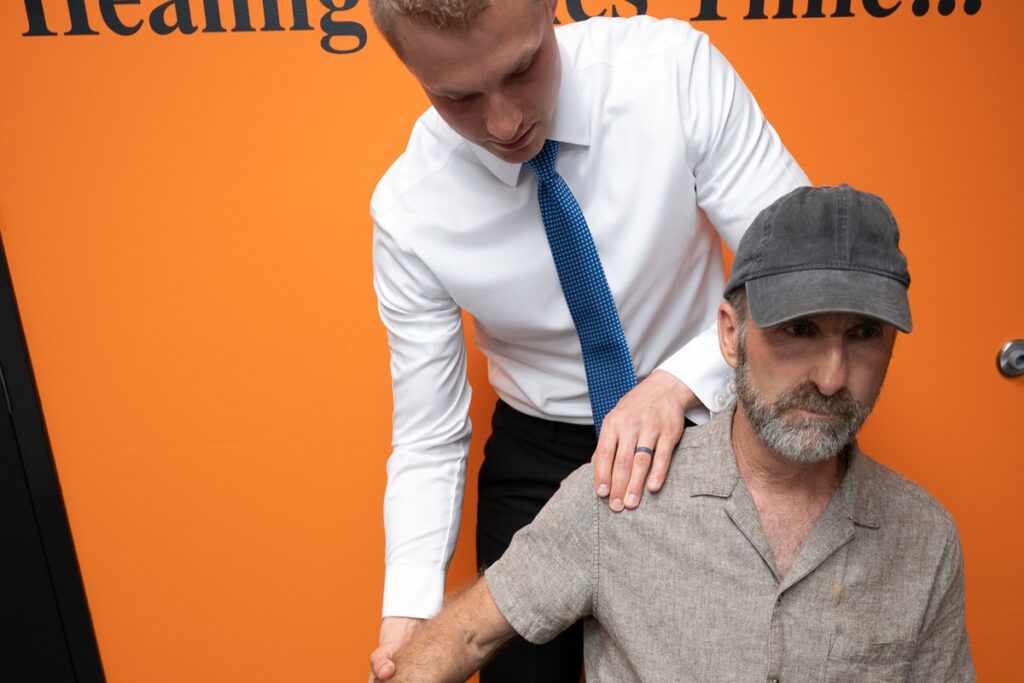
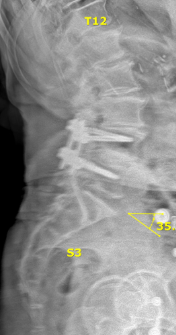
When you think about athletic recovery, spinal adjustments often come to mind as an important component. These adjustments play a significant role in maintaining ideal spinal alignment, which directly influences your overall performance and recovery. By correcting misalignments in your spine, chiropractors help restore proper nerve function, ensuring your body communicates effectively with every muscle and organ.
Receiving spinal adjustments can alleviate pain and tension that might be hindering your athletic performance. Whether you're dealing with chronic discomfort or post-injury rehabilitation, a chiropractor's expertise can make a considerable difference. You'll likely notice improvements in your range of motion and overall flexibility, which can enhance your training sessions and competitive edge.
Furthermore, spinal adjustments promote better blood circulation, allowing essential nutrients and oxygen to reach your muscles more efficiently. This increased circulation aids in the recovery process, reducing soreness and inflammation after intense workouts. You may find that regular visits to the chiropractor help you bounce back faster between training sessions, allowing you to push your limits without the fear of injury.
Incorporating spinal adjustments into your recovery routine isn't just about addressing pain; it's about enhancing your performance. By prioritizing your spinal health, you're setting yourself up for long-term success in your athletic endeavors.
Soft Tissue Therapy
Spinal adjustments set a solid foundation for recovery, but soft tissue therapy complements these efforts by targeting the muscles, tendons, and ligaments that support your athletic performance.
When you push your body to its limits, soft tissue can become tight, inflamed, or damaged. That's where soft tissue therapy comes in.
This technique focuses on relieving tension and improving circulation in your muscles and connective tissues. By using various methods like massage, myofascial release, and trigger point therapy, you can alleviate soreness and restore flexibility.
You'll notice that your range of motion improves, allowing you to perform better in your sport.
Soft tissue therapy not only aids in recovery but also helps reduce muscle imbalances that can lead to injury. By addressing tightness and promoting blood flow, you're not just treating the symptoms; you're getting to the root cause of the discomfort.
This proactive approach can enhance your overall athletic performance.
Incorporating soft tissue therapy into your routine isn't just beneficial after a hard workout; it can also be part of your regular training regimen.
Regular sessions can help you maintain peak muscle function and keep injuries at bay.
Injury Prevention Techniques
To stay in the game and avoid setbacks, incorporating injury prevention techniques into your training routine is essential. A key aspect of injury prevention is maintaining flexibility through stretching. Regularly stretching before and after workouts can help keep your muscles limber, reducing the risk of strains and sprains. Dynamic stretches are particularly effective before activities, as they prepare your muscles for movement.
Another critical component is strength training. Building strength in the muscles surrounding your joints provides better support, helping to prevent injuries. Focus on core stability, as a strong core enhances overall body mechanics, balancing your movements and reducing the chance of injury.
Pay attention to your technique and form during exercises and sports activities. Poor mechanics can lead to overuse injuries. If you're unsure about your form, consider working with a coach or trainer to get feedback and make necessary adjustments.
Listening to your body is equally important. If you feel pain or discomfort, don't push through it. Taking time to rest and recover can help prevent minor issues from becoming serious injuries.
Finally, consider incorporating chiropractic care into your routine. Chiropractors can help identify misalignments and imbalances that may predispose you to injuries. Regular adjustments can enhance your overall performance and support your body's natural healing processes.
Personalized Treatment Plans
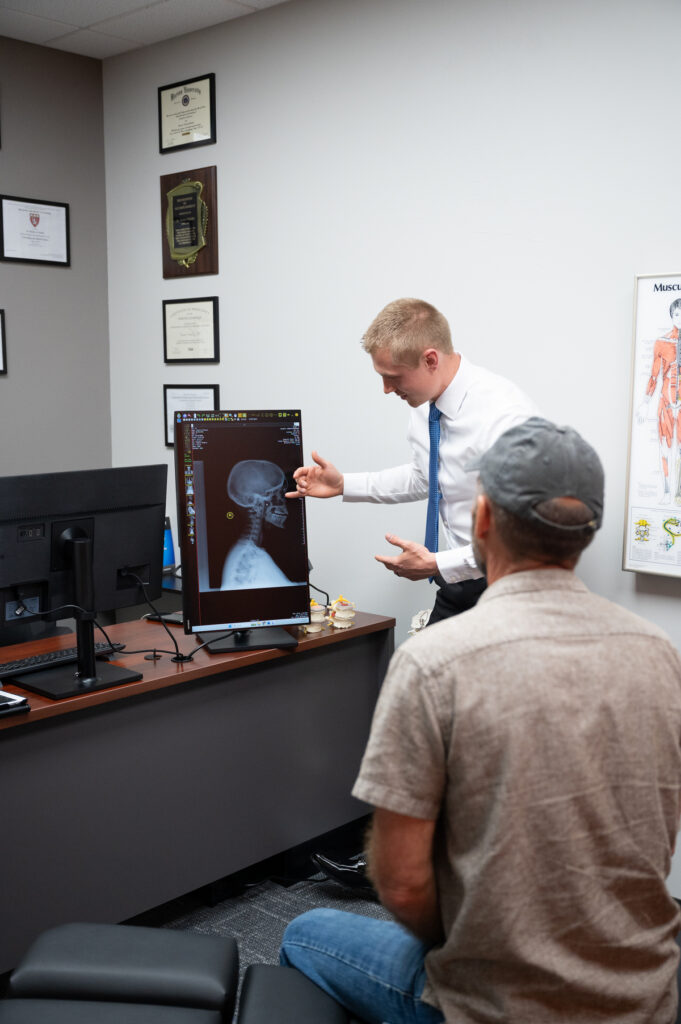
Chiropractors create personalized treatment plans tailored to your unique needs and goals, guaranteeing ideal recovery and performance. They start by conducting a thorough assessment of your physical condition, including your posture, flexibility, and any specific injuries or concerns. This extensive evaluation helps them understand how your body works and what it requires for best healing.
Once they've gathered this information, chiropractors develop a customized approach that may include spinal adjustments, soft tissue therapy, and rehabilitation exercises. These elements are strategically chosen to address your specific issues, enhancing your body's natural healing processes and improving overall function. You won't be getting a one-size-fits-all solution; instead, your treatment plan will evolve based on your progress and feedback.
In addition to physical treatments, chiropractors often incorporate lifestyle recommendations that align with your athletic goals. They might suggest dietary adjustments, hydration strategies, or even mental techniques to help you stay focused and motivated during recovery. This holistic approach guarantees that you're not just treating symptoms but also working towards long-term wellness.
Regular follow-ups allow chiropractors to monitor your progress and make necessary adjustments to your treatment plan. This adaptability is vital, as it guarantees you stay on track and achieve your performance goals.
With a personalized treatment plan in place, you can recover more effectively, reduce the risk of future injuries, and enhance your overall athletic performance. Embrace this tailored care, and you'll likely see significant improvements in your recovery journey.
Mobility and Flexibility Exercises
Mobility and flexibility exercises play an essential role in athletic recovery, helping you regain range of motion and reduce muscle stiffness.
These exercises not only enhance your overall performance but also minimize the risk of injuries. When you work with a chiropractor, they can guide you through specific movements tailored to your needs, ensuring you recover effectively and safely.
Incorporating mobility and flexibility exercises into your routine can lead to significant benefits. Here are some key exercises you should consider:
- Dynamic Stretching: Engaging in a series of controlled movements that improve your range of motion and prepare your muscles for activity.
- Foam Rolling: Using a foam roller to release tight muscles and fascia, promoting better blood flow and reducing soreness.
- Static Stretching: Holding stretches for a longer duration helps lengthen muscles and improve flexibility, especially after workouts.
- Yoga or Pilates: These practices enhance flexibility and core strength while promoting relaxation and mindfulness.
- Joint Mobilization: Performing specific movements targeting your joints can enhance their function and improve overall mobility.
Nutritional Guidance
When it comes to athletic recovery, nutritional guidance plays a vital role in your performance.
You need to focus on key nutrients, stay hydrated, and pay attention to meal timing to maximize your results.
Let's explore how these elements can help you recover faster and enhance your overall athletic abilities.
Key Nutrients for Recovery
Recovery is an essential part of any athlete's routine, and nutrition plays an important role in speeding up that process. To optimize your recovery, focus on key nutrients that help repair muscles, reduce inflammation, and restore energy levels.
Here are some vital nutrients you should incorporate into your diet:
- Protein: Essential for muscle repair and growth. Aim for lean sources like chicken, fish, or legumes.
- Omega-3 Fatty Acids: Found in fish and flaxseeds, these help reduce inflammation and promote joint health.
- Antioxidants: Foods rich in vitamins C and E can combat oxidative stress caused by intense workouts. Think berries, nuts, and leafy greens.
- Complex Carbohydrates: Whole grains, sweet potatoes, and quinoa replenish glycogen stores, providing the energy you need for your next workout.
- Electrolytes: Minerals like potassium and magnesium support muscle function and hydration. Bananas and spinach are great sources.
Hydration and Performance
Staying properly hydrated is vital for maximizing athletic performance, as even mild dehydration can lead to decreased strength, endurance, and focus.
When you exercise, your body loses fluids through sweat and respiration, making it important to replenish those lost fluids. If you're not drinking enough water, you might find your energy levels dropping and your ability to concentrate waning, which could impact your performance during both training and competition.
To optimize your hydration, aim to drink water consistently throughout the day, not just during workouts. Before exercising, consume about 16-20 ounces of water to guarantee you're starting off well-hydrated.
During your workouts, sip on water every 15-20 minutes, especially for longer sessions. After exercising, rehydrate by drinking at least 24 ounces of water for every pound lost during your workout.
Meal Timing Strategies
Ideal hydration sets the stage for effective meal timing strategies, which can further enhance your athletic performance.
When you understand when to eat, you can fuel your body efficiently around workouts, improving recovery and endurance. Here are some key strategies to keep in mind:
- Pre-Workout Nutrition: Eat a balanced meal 2-3 hours before exercising. This should include complex carbohydrates and lean protein for sustained energy.
- Intra-Workout Snacks: For longer sessions, consider quick carbs like sports drinks or gels to maintain energy levels.
- Post-Workout Recovery: Within 30-60 minutes after your workout, prioritize a mix of protein and carbohydrates to repair muscles and replenish glycogen stores.
- Frequent Smaller Meals: Instead of three large meals, try eating smaller portions every 3-4 hours to keep your energy steady throughout the day.
- Listen to Your Body: Pay attention to how your body responds to different meal timings. Adjust accordingly to find what works best for you.
Education on Body Mechanics
Understanding body mechanics is imperative for athletes looking to enhance their performance and prevent injuries. When you grasp how your body moves, you can optimize your training and reduce the risk of strain or injury. Chiropractors play a significant role in educating you on these principles, helping you understand the alignment and movement patterns necessary for peak performance.
Chiropractors assess your posture and movement patterns, identifying any imbalances or weaknesses. They'll teach you the proper way to lift, run, or perform sports-specific movements. This education isn't just about correcting form; it's about empowering you to make better decisions during training and competition. By understanding the mechanics behind each movement, you'll be able to adjust your technique, ensuring that you're using your body efficiently.
You'll also learn about the importance of core stability and its impact on your overall performance. A strong core supports your spine and helps maintain proper alignment, which is essential for all athletic activities. Your chiropractor will guide you through exercises that target core strength and promote better body mechanics.
Incorporating this knowledge into your daily routine can lead to improved performance and quicker recovery times. You'll find that with better body mechanics, you can push yourself harder while minimizing the risk of injuries.
Conclusion
Incorporating chiropractic care into your athletic routine can greatly enhance your recovery and performance. By focusing on spinal adjustments, soft tissue therapy, and personalized treatment plans, you'll not only bounce back faster from injuries but also prevent them. Remember to prioritize mobility exercises and nutrition, while staying educated on proper body mechanics. Embracing these strategies can help you reach your peak potential and keep you in the game longer. Your body will thank you for it!