
If you're struggling with chronic back pain, you know how it can impact your daily life. Fortunately, there are effective remedies that can help you find relief and regain your mobility. From targeted physical therapy to simple stretching exercises, these approaches can make a significant difference. You might also be surprised by the benefits of heat and cold therapy, not to mention alternative treatments like acupuncture. But which remedy suits you best? Let's explore these options to help you make an informed choice.
Stretching Exercises
Stretching exercises can be a game-changer for relieving chronic back pain. Incorporating these movements into your daily routine can improve flexibility, strengthen muscles, and reduce tension. When you stretch, you're not just loosening tight muscles; you're promoting better circulation, which helps to deliver oxygen and nutrients to your spine and surrounding tissues.
Start with gentle stretches that target your back, hips, and legs. For instance, the cat-cow stretch can help mobilize your spine, while the child's pose allows you to relax and lengthen your back. You might also want to try the standing forward bend, which stretches your hamstrings and lower back.
Remember, it's crucial to listen to your body. If a stretch causes pain, ease off and modify the movement.
Consistency is key. Aim to stretch at least five times a week. You can even set aside just 10 to 15 minutes each session to focus on relieving tension. As you progress, consider adding deeper stretches or holding each position for longer to gain more benefits.
Don't forget to breathe deeply while stretching; it helps you relax and enhances your stretch. If you want to take it a step further, you might also explore yoga or Pilates, which incorporate stretching with strength training.
Heat Therapy
In addition to stretching exercises, heat therapy can provide significant relief for chronic back pain. When you apply heat to your back, it increases blood flow, which helps relax tight muscles and ease discomfort. You can use various forms of heat therapy, such as heating pads, hot water bottles, or warm towels. Even a warm shower can be effective.
To get the most benefit, consider your personal preferences. If you prefer targeted relief, a heating pad can be your best option. Simply place it on the painful area for about 15 to 20 minutes. Be certain to set it on a comfortable temperature to avoid burns.
If you're using a hot water bottle, verify it's not too hot and wrap it in a towel for added protection. For those who enjoy soaking, a warm bath can work wonders. Adding Epsom salts can enhance the soothing effects, as magnesium may help reduce inflammation.
You might also find relief by using a heat pack while lying down, allowing your muscles to fully relax. While using heat therapy, listen to your body. If it feels too hot or causes discomfort, remove it immediately.
It's vital to avoid prolonged exposure, as this can lead to burns or skin irritation. By incorporating heat therapy into your routine, you can effectively complement your stretching exercises and experience greater back pain relief, enhancing your overall well-being.
Cold Therapy
Cold therapy is an effective method for alleviating chronic back pain, particularly after an injury or during flare-ups. By applying cold to the affected area, you can reduce inflammation and numb pain, offering immediate relief. It's a simple yet powerful technique that you can incorporate into your routine.
To get started, you'll want to use ice packs, cold compresses, or even a bag of frozen vegetables wrapped in a thin cloth. Avoid applying ice directly to your skin, as this can cause frostbite. Aim for 15 to 20 minutes of cold therapy at a time, allowing your skin to return to normal temperature between sessions. You can repeat this every few hours, especially in the first 48 hours after an injury.
Cold therapy works best when used strategically. For instance, if you know you'll be engaging in activities that might aggravate your back pain, consider applying cold treatment beforehand. This proactive approach can help prevent pain from escalating.
You might also find it helpful to combine cold therapy with gentle stretching or movement after the initial swelling has gone down.
Remember, while cold therapy can provide significant relief, it's important to listen to your body. If your pain persists or worsens, you should consult a healthcare professional.
Incorporating cold therapy into your pain management routine can be a game-changer, helping you regain control and improve your quality of life.
Massage Therapy
Massage therapy offers a range of benefits that can help alleviate your chronic back pain.
From reducing muscle tension to improving circulation, the right techniques can make a significant difference in your comfort levels.
Let's explore how massage therapy can be a valuable part of your pain relief strategy.
Benefits of Massage Therapy
How can massage therapy transform your experience with chronic back pain? By focusing on your muscles, connective tissues, and joints, massage therapy can provide significant relief.
It's not just about relaxation; it's about addressing the underlying tension that contributes to your discomfort. When you receive a massage, your therapist applies pressure to specific areas, which helps to release tight knots and improve blood circulation. This increased blood flow can accelerate healing and reduce inflammation in your back.
Additionally, massage therapy stimulates the release of endorphins, your body's natural painkillers. This can lead to a decrease in pain perception and promote a sense of well-being. You might also find that regular sessions help improve your range of motion, making daily activities easier and more enjoyable.
Moreover, the calming effects of massage can reduce stress and anxiety, which often exacerbate chronic pain. By incorporating massage therapy into your routine, you can create a holistic approach to managing your back pain.
With each session, you're not just alleviating discomfort; you're investing in a healthier, more active lifestyle.
Techniques for Pain Relief
Utilizing various techniques in massage therapy can greatly enhance your relief from chronic back pain. One effective method is deep tissue massage, which targets the deeper layers of muscle and connective tissue. It helps release tension and break down scar tissue, promoting better blood flow and healing.
Another technique is trigger point therapy, where pressure is applied to specific points in the muscle to alleviate pain and restore mobility. This can be particularly beneficial if you've got knots or tight spots in your back.
Swedish massage, known for its gentle strokes, can also help relax your body and improve circulation. It's ideal for reducing overall tension and stress, which often contributes to back pain.
Additionally, consider incorporating techniques like myofascial release. This focuses on relieving tension in the fascia, the connective tissue surrounding muscles, promoting better alignment and flexibility.
Lastly, integrating stretches during your massage session can enhance your overall experience. Stretching helps maintain mobility and can prevent future pain.
Acupuncture
Acupuncture offers a holistic approach to alleviating chronic back pain by stimulating specific points on the body with thin needles. This ancient practice, rooted in Traditional Chinese Medicine, focuses on balancing your body's energy, or "qi," which can help reduce pain and promote healing.
During a session, a trained acupuncturist will insert needles at precise locations, targeting the areas that may be contributing to your discomfort.
You might wonder how this works. The insertion of needles can trigger the release of endorphins, which are the body's natural painkillers. Additionally, acupuncture can improve blood circulation and reduce inflammation, both of which are essential for relieving back pain.
Many people report feeling relaxed and even energized after their treatments, as acupuncture helps reduce stress, which can often exacerbate pain.
It's important to note that while some experience immediate relief, others may require a series of sessions to see significant improvements. Be open to the process and communicate with your acupuncturist about your specific symptoms and concerns. They can tailor the treatment to better suit your needs.
If you're considering acupuncture as part of your pain management strategy, look for a licensed practitioner with experience in treating back pain. This holistic approach not only addresses the pain but can also enhance your overall well-being, making it a valuable option in your journey toward relief from chronic back pain.
Physical Therapy
When it comes to managing chronic back pain, physical therapy can be a game changer.
You'll benefit from tailored exercise programs designed specifically for your needs, along with manual therapy techniques that target pain relief and mobility.
These personalized approaches not only help alleviate discomfort but also empower you to regain control over your back health.
Tailored Exercise Programs
Tailored exercise programs can be a game changer for alleviating chronic back pain. When you engage in a personalized routine, you're not just performing random exercises; you're focusing on movements that strengthen your core and improve flexibility, which are essential for back health.
A physical therapist will assess your specific condition and design a program that targets your individual needs, helping you regain mobility and reduce pain.
By sticking to a tailored exercise regimen, you'll likely notice improvements in your strength and posture, which can lead to less strain on your back. Exercises like gentle stretching, low-impact aerobic activities, and strength training can all play a role in your recovery.
Don't underestimate the power of consistency; regular workouts can help build endurance and prevent future injuries.
As you progress, you might find that certain movements become easier, boosting your confidence and encouraging you to challenge yourself further.
Make sure to listen to your body and adjust your program as needed. With dedication and the right guidance, you can take significant strides toward a pain-free life, enjoying a more active lifestyle without the burden of chronic back pain.
Manual Therapy Techniques
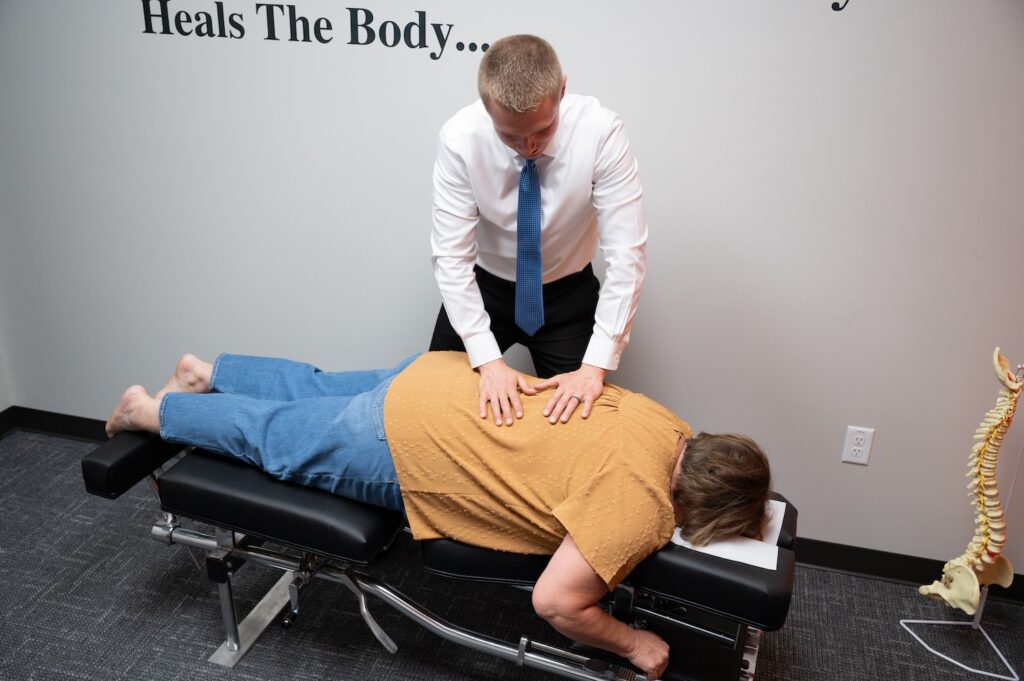
Building on the foundation of exercise, manual therapy techniques can further enhance your recovery from chronic back pain. These hands-on approaches, often employed by physical therapists, focus on manipulating your body's soft tissues and joints to alleviate discomfort.
Techniques like massage, mobilization, and manipulation can improve your flexibility, reduce muscle tension, and promote overall relaxation.
When you engage in manual therapy, you'll likely notice immediate relief in pain and stiffness. Your therapist may use specific techniques tailored to your needs, targeting the areas that cause you the most trouble.
For instance, deep tissue massage can help release tight muscles, while joint mobilization improves your range of motion.
It's essential to communicate openly with your therapist about your pain levels and any changes you experience during treatment. This feedback allows them to adjust their approach for ideal results.
Coupled with your exercise program, manual therapy can greatly speed up your recovery and help you regain your daily activities without discomfort.
Herbal Remedies
Herbal remedies offer a natural approach to managing chronic back pain, harnessing the healing properties of various plants and herbs. You might find relief through a range of herbal solutions that can reduce inflammation, ease muscle tension, and promote overall wellness.
One popular option is turmeric, known for its active ingredient, curcumin, which possesses powerful anti-inflammatory properties. You can incorporate turmeric into your diet by adding it to meals or drinking it as a tea.
Another effective herb is ginger, which also reduces inflammation and can be consumed fresh, as a tea, or in supplement form.
Willow bark has been used for centuries as a natural pain reliever. It contains salicin, which your body converts into salicylic acid, a compound similar to aspirin. You can take willow bark as a tea or in capsule form.
Additionally, devil's claw is known for its effectiveness in treating lower back pain. This herb may help reduce pain and improve mobility, making it a valuable addition to your regimen.
You should also consider topical herbal treatments like arnica gel or oil, which can be applied directly to the painful area. These remedies can alleviate localized pain and inflammation.
Always consult with a healthcare professional before starting any new herbal regimen, especially if you're on medications or have existing health conditions.
Conclusion
Incorporating these seven remedies into your routine can greatly alleviate chronic back pain. By committing to stretching exercises, utilizing heat and cold therapy, and exploring massage and acupuncture, you'll enhance your overall well-being. Don't overlook the benefits of physical therapy and herbal remedies like turmeric and ginger, which can support your journey to relief. Remember, it's crucial to listen to your body and find what works best for you in managing your pain effectively.