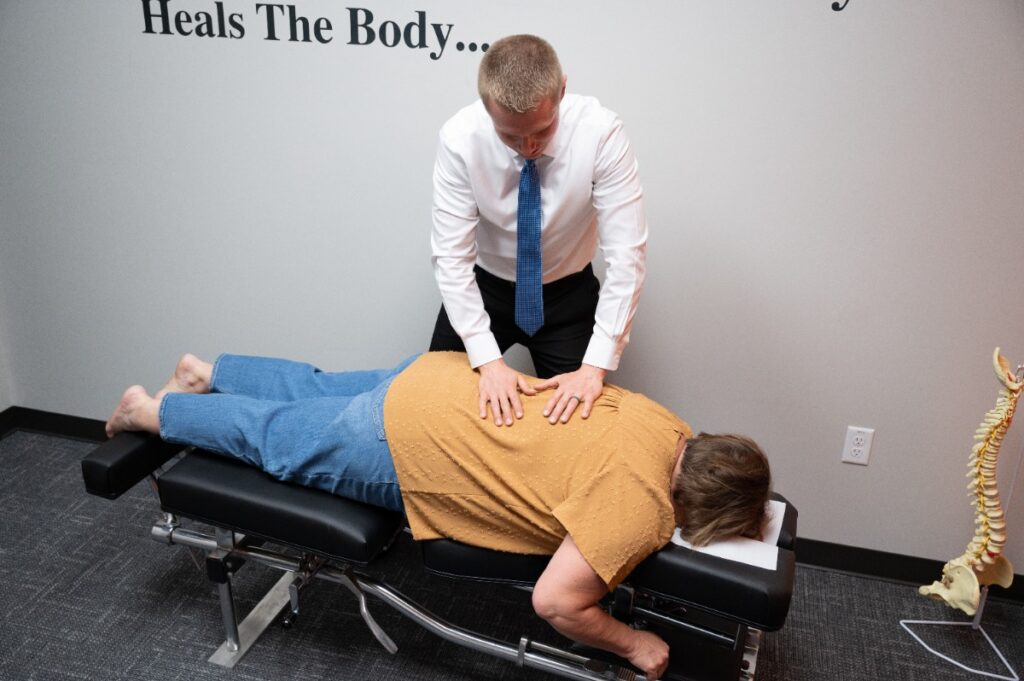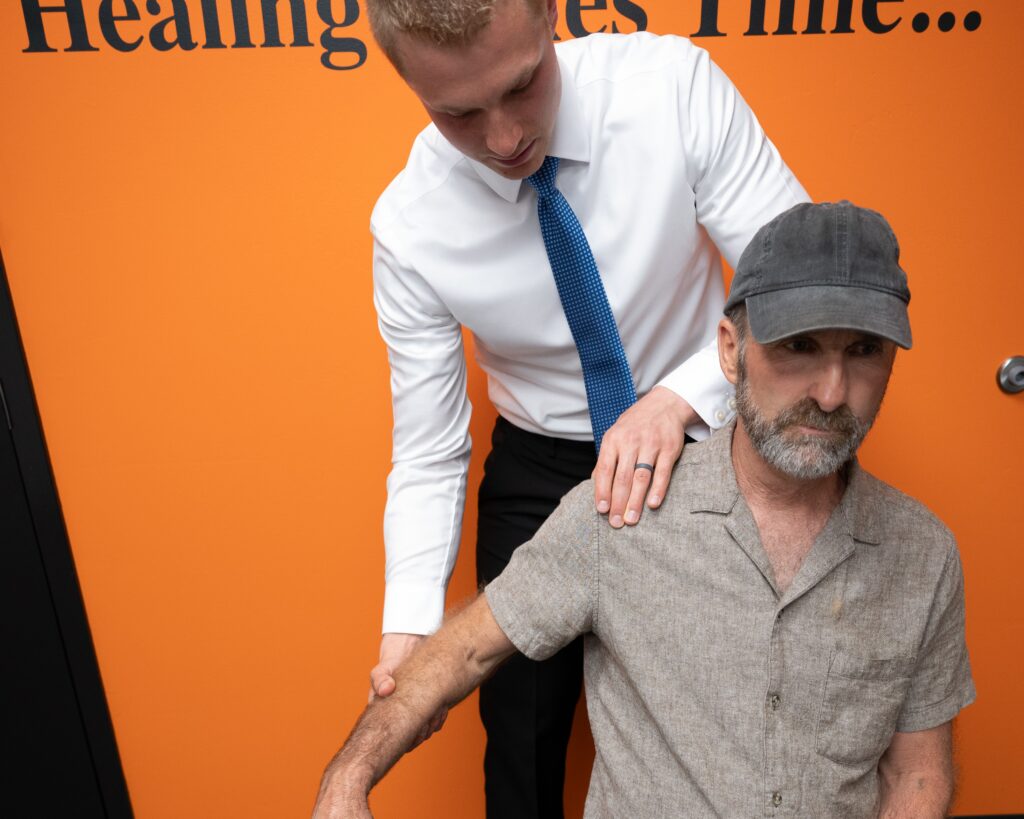

As a local chiropractor, I understand that dealing with a neck injury can significantly impact your daily life. Many of my patients have found that gentle stretching exercises and heat therapy are essential for alleviating discomfort and facilitating the healing process. Additionally, incorporating mindfulness practices and maintaining proper posture can dramatically improve your overall well-being.
One aspect that often gets overlooked is the importance of supportive sleep positions in your recovery journey. The way you sleep can either aid in your healing or exacerbate your pain. By focusing on these soft techniques, you can set yourself up for effective healing and enhanced comfort in your everyday activities.
So, what specific strategies can you adopt to ensure you're on the right path? Here are a few tips to consider: prioritize gentle stretches tailored to your neck, use heat therapy to soothe tight muscles, practice mindfulness to manage stress, and pay attention to your posture throughout the day. Finally, experiment with different sleep positions and pillows to find the most supportive setup for your neck. By integrating these practices into your routine, you'll be taking meaningful steps towards recovery and improved quality of life.
Gentle Stretching Exercises
As a local chiropractor, I want to share with you the transformative benefits of gentle stretching exercises, especially for those dealing with neck injuries. These exercises play a crucial role in enhancing flexibility, easing tension, and aiding in the healing process. By incorporating these stretches into your daily routine, you're actively participating in your recovery journey.
Let's start with a simple yet effective movement: gently tilting your head to one side. Bring your ear toward your shoulder and hold this position for about 15 to 30 seconds. You'll feel a gentle stretch along the opposite side of your neck. Afterward, switch sides and repeat. This exercise specifically targets the muscles that often tighten after an injury, helping to restore your neck's mobility.
Another beneficial stretch is neck rotations. Slowly turn your head to the right until you feel a light stretch, holding for a few seconds before returning to the center and rotating to the left. It's important to keep your movements fluid and controlled—there's no need to rush. Your neck requires time to adjust and adapt.
Don't forget about the chin tuck, which is another excellent stretch. While sitting or standing, gently tuck your chin toward your chest. You should experience a subtle stretch in the back of your neck. This stretch not only helps alleviate discomfort but also promotes better posture.
As you engage in these stretches, remember to breathe deeply. Deep breathing helps relax your muscles and maximizes the benefits of each stretch. Consistency is vital; I encourage you to incorporate these gentle stretches into your daily routine. With time, you'll likely notice a significant improvement in your neck's flexibility and overall comfort.
If you have any questions or need guidance on how to perform these stretches safely, feel free to reach out. Your health and well-being are my priority, and I'm here to support you on your path to recovery.
Heat Therapy Benefits
As a local chiropractor, I want to share with you the incredible benefits of heat therapy, especially when it comes to neck injuries. Applying heat to your neck can be a game-changer in alleviating pain and promoting healing.
When you use heat, you're increasing blood flow to the injured area, which helps deliver essential nutrients and oxygen, speeding up the recovery process. You may also find that heat therapy helps relax tense muscles, reducing stiffness and discomfort that can often accompany neck injuries.
There are several effective methods to apply heat. You might consider using heating pads, warm towels, or even enjoying a hot shower. The key is to choose a method that feels most comfortable for you. However, it's important to avoid heat that's too intense; we want to prevent any risk of burns or further injury. Aim for a moderate temperature that's warm and soothing.
Another significant advantage of heat therapy is its ability to improve your range of motion. As the heat works to relax your muscles and ease tightness, you may discover that turning your head or tilting your neck becomes much easier. This improvement can greatly enhance your daily activities and overall quality of life.
I recommend using heat therapy for about 15 to 20 minutes at a time, several times a day, to achieve the best results. Always pay attention to your body—if you experience any increased pain or discomfort, it's crucial to stop and consult with a healthcare professional, such as myself, for further guidance.
Incorporating heat therapy into your recovery routine can be immensely beneficial. You'll likely find that it not only brings relief but also positively contributes to your healing journey.
If you have questions about how to effectively use heat therapy or any other natural healing techniques, don't hesitate to reach out. I'm here to help you on your path to wellness!
Mindfulness and Relaxation Techniques
As a local chiropractor, I want to share some valuable insights on how mindfulness and relaxation techniques can significantly support your recovery from neck injuries. These practices not only help manage stress and tension but also create an optimal environment for your body to heal.
One of the first techniques I recommend is deep breathing exercises. It's simple and can be done anywhere. Find a comfortable position, close your eyes, and take slow, deep breaths. Inhale through your nose, letting your abdomen expand fully, then exhale gently through your mouth. This practice calms your nervous system and helps reduce muscle tension, particularly in the neck area, which is crucial for your recovery.
Guided imagery is another technique that can be beneficial. Picture a peaceful scene in your mind—perhaps a serene beach or a quiet forest. As you visualize this image, allow yourself to immerse in the sensations and sounds associated with it. This not only serves as a distraction from pain but also encourages deep relaxation, which aids in your healing process.
I also recommend trying progressive muscle relaxation. This involves tensing and then relaxing each muscle group in your body, starting from your toes and gradually moving up to your neck and shoulders. This method helps you identify areas of tension and encourages you to consciously release tightness, providing relief and enhancing your recovery.
Lastly, I encourage you to incorporate mindfulness meditation into your daily routine. Even dedicating just a few minutes each day can lead to significant improvements in your overall well-being. By developing a greater sense of awareness and connection to your body, you create a nurturing environment that supports healing.
Embracing these mindfulness and relaxation techniques can greatly enhance your recovery from neck injuries. If you have any questions or would like to learn more about how chiropractic care can complement these practices, please feel free to ask during your next visit.
Proper Posture Practices
As a local chiropractor, I want to emphasize the importance of maintaining proper posture for both preventing and recovering from neck injuries. Many people may not realize how crucial alignment is in everyday activities like sitting, standing, and moving. By being mindful of your posture, you can significantly lessen the strain on your neck.
When you're sitting, it's vital to keep your head aligned with your spine. This means your ears should be in line with your shoulders, and your chin should be gently tucked in. This alignment helps to evenly distribute weight and minimizes stress on the muscles in your neck.
Choosing the right chair can make a world of difference. Look for one that provides support for your lower back. Your feet should rest flat on the floor, and your knees should form a right angle. If you spend a lot of time at a desk, ensure your computer screen is at eye level. This can help prevent you from leaning forward or looking down excessively, both of which can contribute to neck strain.
Don't forget to take regular breaks; stretching your neck and shoulders can be incredibly beneficial in relieving tension.
When standing, distribute your weight evenly across both feet. Keep your shoulders relaxed and avoid locking your knees. If you need to be on the phone for an extended period, consider using a headset instead of cradling the phone between your shoulder and ear; this can prevent awkward angles that lead to stress on your neck.
If you carry a bag, opt for a backpack with padded straps, and make a habit of switching shoulders frequently to avoid putting uneven pressure on your body.
By practicing these posture techniques consistently, you can greatly enhance your neck health. Paying attention to your body's alignment throughout the day is a simple yet effective way to prevent injuries and support your recovery.
Supportive Sleep Positions
As a local chiropractor dedicated to promoting natural healing and overall well-being, I want to emphasize the importance of sleep positions for your neck health. If you're experiencing neck pain or discomfort, making some adjustments while you sleep could be a game-changer in finding the relief you need.
Sleeping on your back is often regarded as the most beneficial position for your neck. It's crucial to use a pillow that supports the natural curve of your neck. I recommend looking for contour or cervical pillows designed to cradle your head and maintain proper spinal alignment.
Be cautious with pillows that are either too high or too flat, as these can place unnecessary strain on your neck.
For those who prefer to sleep on their side, it's essential to ensure your pillow adequately fills the gap between your neck and the mattress. A firmer pillow can be particularly effective in maintaining spinal alignment and preventing your head from sinking too low.
Additionally, placing a pillow between your knees can alleviate pressure on your lower back, which in turn supports your neck.
Sleeping on your stomach is generally the least favorable position for neck health. This position can cause your neck to twist, leading to stiffness and pain.
If you're struggling to change this habit, consider using a flatter pillow, or even forgoing a pillow altogether, to minimize neck strain.
Understanding how your sleep position affects your neck can empower you to make healthier choices for your body. If you're still experiencing discomfort, feel free to reach out to my office for further guidance on how chiropractic care can help you achieve balance and relief.
Conclusion
As your local chiropractor, I want to share some gentle techniques that can help you effectively manage neck injuries and support your healing process. Firstly, gentle stretching is an excellent way to relieve tension and improve flexibility in your neck. Additionally, incorporating heat therapy can soothe tight muscles and enhance circulation.
Mindfulness practices, such as deep breathing or meditation, can also play a crucial role in reducing stress and tension in your neck. It's essential to be mindful of your posture throughout your daily activities—maintaining proper alignment can prevent further strain and discomfort.
Also, consider how you position yourself during sleep; investing in supportive pillows can make a significant difference in your neck health. Remember, consistency is vital. By making these practices a regular part of your routine, you can work towards achieving a healthier and more flexible neck. I'm here to support you on this journey to natural healing!