When it comes to long-term health maintenance, it's vital to adopt a holistic approach that encompasses nutrition, physical activity, and stress management. You might think you're covering the basics, but there's more to it than just eating right and exercising. By prioritizing balanced nutrition, incorporating regular physical activity, and effectively managing stress, you can set the foundation for a healthier life. However, understanding how to seamlessly integrate these elements into your daily routine is where many stumble. Let's explore these essential tips that could transform your approach to health.
Prioritize Balanced Nutrition
Prioritizing balanced nutrition is vital for maintaining long-term health. When you focus on a well-rounded diet, you fuel your body with the nutrients it needs to function at its best. This means incorporating a variety of foods that provide essential vitamins, minerals, and macronutrients. Think about including fruits, vegetables, whole grains, lean proteins, and healthy fats in your meals.
You don't have to overhaul your diet overnight. Start by making small changes, like swapping out processed snacks for fresh fruits or whole-grain options. Pay attention to portion sizes, too. It's easy to overeat, especially when dining out or indulging in your favorite treats. By becoming mindful of your portions, you can enjoy your meals without compromising your health goals.
Hydration is another important aspect of balanced nutrition. Confirm that you're drinking enough water throughout the day. Staying hydrated helps your body function efficiently, supports digestion, and can even curb unnecessary cravings.
Don't forget about the importance of meal preparation. Planning your meals in advance can help you make healthier choices, save time, and avoid the temptation of fast food.
Try to include a variety of colors on your plate; this not only makes your meals more appealing but also guarantees you're getting a range of nutrients.
Incorporate Regular Physical Activity
Incorporating regular physical activity into your routine is essential for maintaining long-term health. It's not just about losing weight or building muscle; it's about improving your overall well-being. Engaging in physical activity can boost your mood, enhance your energy levels, and reduce the risk of chronic diseases like heart disease, diabetes, and certain cancers.
Start by finding activities you enjoy. Whether it's walking, cycling, swimming, or dancing, make it fun. Aim for at least 150 minutes of moderate aerobic activity each week, combined with strength training exercises on two or more days. This doesn't have to be overwhelming; you can break it into shorter sessions throughout the week.
Consider adding variety to your routine to keep it interesting. Try a yoga class one day, go for a hike the next, and incorporate some bodyweight exercises at home. Mixing it up not only keeps you engaged but also works different muscle groups, enhancing your overall fitness.
Don't forget to set realistic goals. Start small and gradually increase your intensity and duration. Tracking your progress can provide motivation and help you stay accountable.
Also, consider finding a workout buddy. Having someone to exercise with can make it more enjoyable and encourage you to stick with it.
Manage Stress Effectively
Managing stress effectively is essential for maintaining long-term health and well-being. When you manage stress, you not only improve your mental health but also enhance your physical health by reducing the risk of chronic diseases. Start by identifying your stressors—know what triggers your anxiety and discomfort. This awareness is the first step towards managing stress.
Next, practice mindfulness techniques. Engaging in mindfulness meditation or deep-breathing exercises can help you stay grounded and present. Just a few minutes a day can profoundly reduce your stress levels.
Additionally, prioritize self-care. Make time for activities you enjoy, whether it's reading, hiking, or spending time with friends. These moments of joy can serve as a buffer against stress.
Don't underestimate the power of a healthy lifestyle. A balanced diet, adequate sleep, and regular exercise not only improve your physical health but also bolster your resilience to stress. Aim for at least 30 minutes of physical activity most days; it releases endorphins, which are natural stress relievers.
Lastly, don't hesitate to reach out for support. Talk to friends, family, or even professionals if you feel overwhelmed. Sharing your feelings can lighten your burden and provide new perspectives.
Conclusion
Incorporating these three tips into your daily routine can greatly improve your long-term health. By prioritizing balanced nutrition, staying active, and managing stress effectively, you're setting yourself up for a healthier, happier life. Remember, small changes can lead to big results, so start today and make your well-being a priority. You've got the tools to succeed—now it's time to take action and enjoy the benefits of a healthier lifestyle!
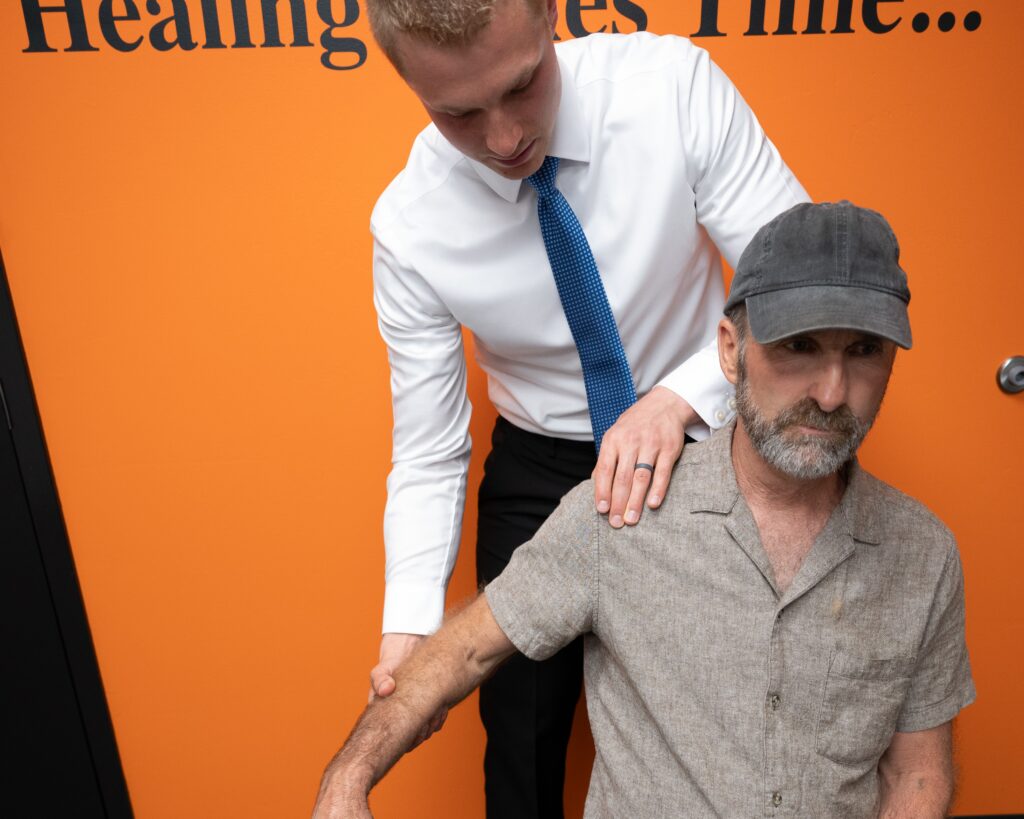
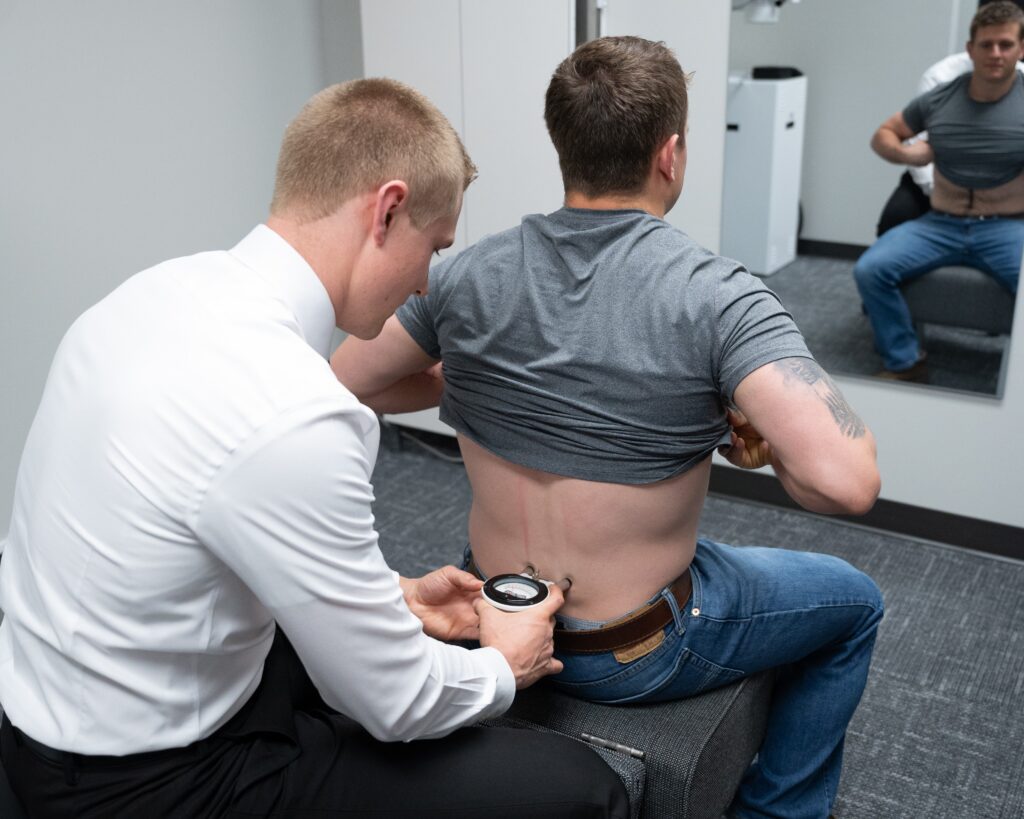
Shoulder pain disrupting your daily life? Discover how physical therapy and rehabilitation can relieve shoulder pain without surgery at 920 Chiropractic in Green Bay, WI.
From the consultation on I’ve had excellent service and treatment.
Dr. Schultz did a great job diagnosing and explaining the problems I was having and provided a clear treatment plan. After just a few adjustments my back and neck were feeling much better.
Amazing atmosphere!!! From my first visit, I have felt nothing but seen, heard, and valued. Dr. Schultz has done a wonderful job! I felt results after my first visit. Would highly recommend:)
I absolutely love the staff here everyone is so friendly and the adjustments are very tailored to what I need! I highly recommend 920 Chiro Dr.Schultz is awesome!
The two AMAZING ladies at the front desk, Faith and Emmalee are so nice and good at what they do!<br><br>I would 100% recommend going here to get adjusted by Hunter because he gets the job done and makes sure you get adjusted and listens to any issues you have!
Dr. Schultz at 920 Chiropractic is my new hero! I had an incredibly painful case of lumbar radiculopathy (AKA Sciatica) that he was able to get me relief from in a very reasonable amount of time. I'm so grateful to have found the professional care I needed at an affordable price. My back and legs haven't felt this good in years!
Dr. Schulz and his staff are super! It took awhile to feel the benefit of the adjustments and decompression, but my back and hips feel much better! The dull low back pain is very seldom now and I don't have the pain in my hips like I did when I started! Dr. Schulz is very knowledgeable and I love that he took x-rays to start with! I definitely recommend him!
i was recommended by a friend and i’m so thankful for her! i’ve noticed quite a difference in my back! faith and dr. schultz are so kind and i always leave with a fun fact about the spine or other bones! 10/10
Dr. Hunter is so thorough with all of his care, you can tell he loves treating patients. Dr. Hunter is extraordinary at his job. If you are looking for a professional and welcoming chiropractor 920 chiropractor is the place!
Dr. Schultz is a great person and chiropractor. He truly cares about his patients and I always feel so much better after visiting! Faith is super awesome as well and knows me by name when I walk in!
Hunter and Faith are extremely welcoming and genuinely care about you feeling better. My lower back pain is virtually gone and I feel great everyday!(:
First time at a chiropractor and I was a little nervous but everyone was very nice! Dr Schultz is great and is very thorough with his explanations on the process of getting you back to 100%!
Hunter is always super helpful and the receptionist is always super sweet. My first time ever at a chiropractor in my life was at this practice it’s been such a great experience each time 🤩
Dr Schultz, Faith, and Mikayla are an absolute amazing team! From the first appt, I felt very welcomed, and listened to about my concerns. My concerns were addressed and are being treated, and I feel amazing! Dr. Schultz is very knowledgeable and explains things very well. If you’re looking for a great chiropractic team, I HIGHLY recommend!!
I can’t say enough great things about Dr. Schultz. I came in dealing with ongoing back/neck pain, and he created a treatment plan that actually worked. He explains what he’s doing and why, which I really appreciate. You can tell he knows what he’s talking about and genuinely cares about helping his patients feel better long-term, not just providing a quick fix. Faith his receptionist is also so friendly and makes you feel comfortable right when you walk in the door!
Dr. Hunter does such an amazing job in helping me feel better in ways the benefit my whole body. As well as teaching me different tricks to help myself feel better!
I’ve had a truly wonderful experience with 920 Chiropractor. Everyone there has been fantastic to work with—so kind, supportive, and helpful. Dr. Schultz did an excellent job explaining everything and putting together a care plan that made sense for me. You can tell he genuinely cares about how his patients are feeling and progressing. The decompression and roller tables have been amazing, and I’m finally starting to feel things getting back to where they should be.
"If you're looking for a chiropractor who truly cares about his patients, you've found the right place. I had significant back issues, and after just a few weeks, I’m already feeling much better. From the moment you walk in and are greeted by Kayla's warm smile to Dr. Hunter's informative approach during every visit, you can genuinely feel the care and dedication here. It’s refreshing to go to a place that prioritizes your well-being. Thank you both!"
I highly recommend Dr. Schultz at 920 Chiro he is the real deal.His passion and knowledge for chiropractic care is evident. Beautiful office, friendly staff, and advanced technology. He is always accommodating when I call and want to get in on short notice.
Hi I'm tori I started beginning of september felt like I was 50 when i'm only 35 constant headaches, unbelievable back pain, constant pain all day every day<br>Could not sit without being in Tears from my back hurting so bad, I had Always thought chiropractors where a waste of money but I was desperate so I saw an ad for first visit at a price under $50 came with a set of x rays and thought to myself, what do I have to lose so I called made an appointment went<br>And the amount of things I learned and forty five minutes made me thinking no flipping way we'll I'm so glad I did go because I haven't felt the way I do now since senior year in high school I have 3 kids and I can't remember the last time I was as flexible as I am now.<br>Or the last time I did not have to complain about back pain or the last time I didn't have a migraine but here I am living life 24 weeks will make the homemade whip cream sweet
If you’ve never been to a chiropractor or you’re looking for a new one, I highly recommend Dr. Hunter Schultz. I had never been to a chiropractor and at 920Chiro the staff immediately made me feel at ease. Dr. Schultz formed a treatment plan specific to me and showed he truly cares by explaining it in detail, sharing his knowledge with the use of x-rays and charts..
This is a great chiropractor for those needing help with lower back pain! Dr. Schulz is kind and gentle, and doesn't just do those "one size fits all" treatments. Recommend 100%!
Dr. Schultz was the first chiropractor that ever truly listened and cared about my concerns. He was thorough and completely explained the how and why about the treatment he was providing. I knew every step of the way what he was doing and how it was helping me. He is totally affordable compared to other chiropractors I have been to, and has actually given me positive results! I highly recommend Dr Schultz at 920 Chiropractic if you want worthwhile and beneficial care.
Dr. Schultz is incredibly knowledgeable and explains everything he is doing and how it helps perfectly. Definitely feeling a lot better as a result of working with him and will continue to do so!
Excellent professional service. From the moment I walked through the door to reoccurring visits I feel welcomed. Dr. Schultz put a plan together and has been very communicative and a great listener. I would highly recommend Dr. Schultz and his staff.
Dr. Schultz has helped me go from having several headaches a week to none! He is so full of knowledge, so compassionate, and really wants to help with not only pain, but other aspects of life like sleep, digestion, etc.
Dr. Schultze is truly top-notch!<br>Not only is he an exceptional chiropractor, but he's also a compassionate and dedicated healthcare provider. He takes the time to genuinely listen to his patients and tailors his care to support their unique health journeys. His adjustments are both gentle and precise—offering not just short-term relief, but meaningful, long-lasting results. If you're looking for individualized chiropractic care with a personal touch, Dr. Schultze is the one to choose!
Exceptional chiropractic care focused on precision and long-term results. Pain relief isn’t just immediate…it’s lasting. The attention to alignment and function makes a noticeable difference in daily life. Highly recommend for anyone seeking true, effective relief and a higher standard of care.
Dr. Schultz is a doctor who truly and sincerely cares about you and your family's wellbeing and health! The practice is welcoming and the staff are very professional and kind. You're going to receive high quality care with Dr. Schultz. If you are even questioning about coming in, don't hesitate any longer. Make the appointment and take charge of your health! :)
A friendly staff and inviting atmosphere partnered with knowledgeable, caring, and effective chiropractic care makes for a great experience every time. Highly recommend giving it a try.
Dr. Schultz is AMAZING! His precise adjustments and thorough approach truly showcase his expertise. I felt immediate relief after my visit, and his genuine care for my well-being made the experience outstanding. Highly recommend his top-notch care!