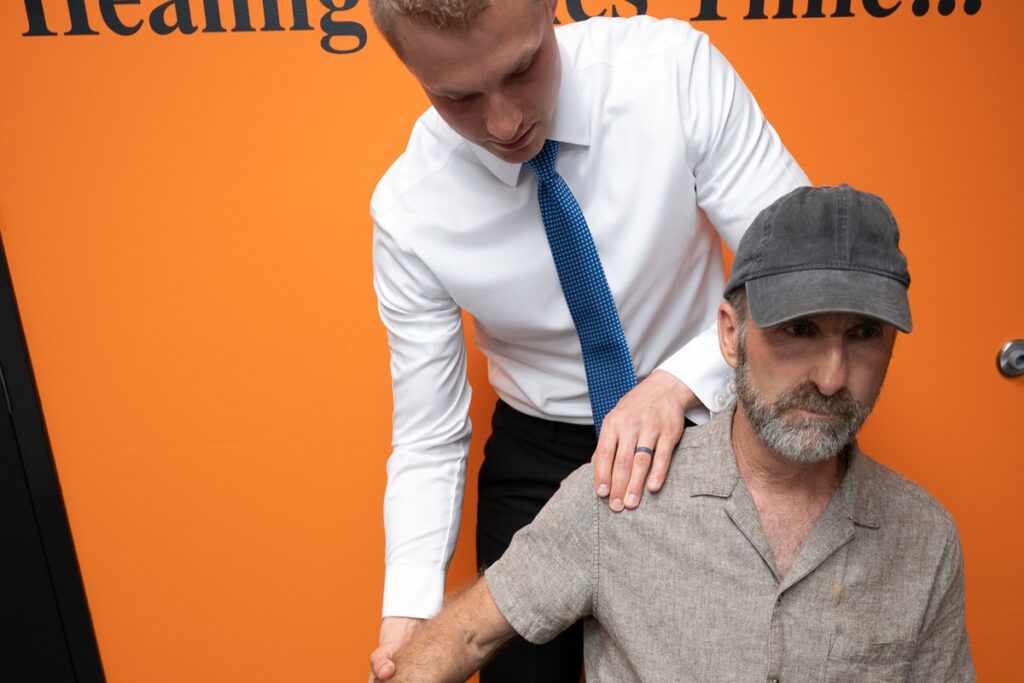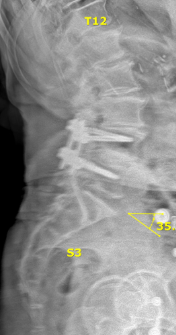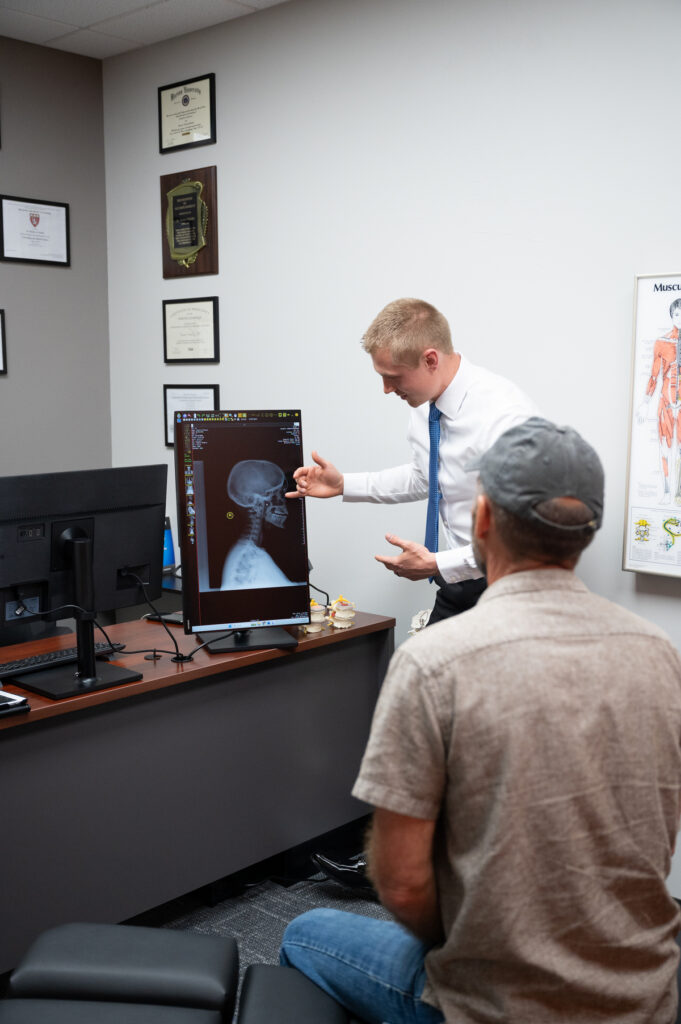

As a local chiropractor, I want to share some valuable insights for those of you who may experience back pain after a game or workout. You're not alone in this struggle. Many athletes often overlook crucial elements such as posture, core strength, and stretching—factors that can lead to discomfort and impact your performance on the field or in the gym. By addressing these three key areas, you can significantly alleviate your pain and improve your overall athletic experience.
The first step in this journey is to evaluate your posture. However, it goes beyond simply standing tall. It's essential to understand how to properly engage your body to maintain alignment and support your spine. This foundational knowledge can truly transform how you feel and perform. Let's delve into these essentials so you can take proactive steps towards a pain-free and more enjoyable athletic experience.
Assess Your Posture
As a local chiropractor, I want to emphasize the importance of good posture in preventing sports-related back pain and promoting overall health. Many people may not realize that the way we position our bodies during physical activities can greatly impact our well-being.
It's crucial to be mindful of your alignment, especially when lifting weights or performing various movements.
Let's start with how you stand. Aim to stand tall with your feet shoulder-width apart, distributing your weight evenly. Relax your shoulders and pull them back gently, while visualizing a string pulling the crown of your head upward. This proper alignment helps distribute forces evenly across your spine, which can significantly reduce the risk of injury.
If you spend long hours at a desk, it's equally important to check your sitting posture. Your back should remain straight, with your feet flat on the floor and your knees forming a right angle. Choose a chair that offers support for your lower back, and avoid slumping while you work.
When engaging in sports, be conscious of your posture during practices and games. For example, when you run, keep your head up and try not to lean forward too much, as this will help maintain balance and lessen the strain on your back.
Lastly, consider your movements in daily life. Whether you're picking something up off the ground or bending to tie your shoes, always use proper form.
By regularly assessing and correcting your posture, you can alleviate potential back pain and enhance your athletic performance, contributing to your overall health and vitality.
Strengthen Core Muscles
As a local chiropractor, I want to emphasize the importance of strengthening your core muscles to help alleviate sports-related back pain. Many people think of the core as simply the abdominal muscles, but it actually encompasses a broader range of muscles surrounding your lower back, pelvis, and sides. By strengthening these muscles, you can provide greater support for your spine and improve your overall stability, which is essential for reducing the risk of injury during physical activities.
I recommend starting with foundational exercises such as planks and bridges. Planks are excellent for engaging multiple core muscles, which helps build both endurance and strength. Try to hold a plank for at least 30 seconds, gradually increasing the duration as you become more comfortable.
Bridges are another effective exercise that targets your glutes and lower back, enhancing stability. To perform a bridge, lie on your back with your knees bent and feet flat on the ground, then lift your hips toward the ceiling.
Once you feel confident with these basic exercises, consider adding variations like side planks and bicycle crunches to your routine. Side planks are particularly effective for strengthening your obliques, while bicycle crunches engage both your upper and lower abs for a more comprehensive workout.
It's crucial to maintain consistency in your core-strengthening efforts. Aim to incorporate these exercises into your routine at least three times a week. As your core strength improves, you'll likely notice better performance in your chosen sport and a reduction in back pain.
However, always listen to your body; if you experience any discomfort during these exercises, don't hesitate to adjust your form or choose easier variations.
Implement Stretching Routines
As a local chiropractor, I want to emphasize the importance of incorporating effective stretching routines into your daily life to help alleviate sports-related back pain. Stretching is a natural way to enhance flexibility, improve your range of motion, and support proper posture—factors that are vital for preventing strain on your back during any physical activity.
To start, it's crucial to focus on the major muscle groups that directly influence your spine, particularly the hamstrings, hip flexors, and lower back. Tight hamstrings can exert unnecessary pull on your pelvis, which may lead to discomfort in your lower back. I recommend trying both standing and seated hamstring stretches, holding each stretch for at least 20-30 seconds to allow the muscles to relax effectively.
Next, let's address the hip flexors. These muscles can become tight due to prolonged sitting or repetitive movements in sports. Including lunging hip flexor stretches in your routine can be incredibly beneficial. Be sure to hold each stretch long enough to facilitate relaxation and lengthening of the muscles.
Don't forget to give your lower back the attention it deserves. Gentle twisting motions and cat-cow stretches can significantly relieve tension and enhance mobility in that area. Remember to execute these stretches slowly and with control to avoid any risk of injury.
I recommend dedicating at least 10-15 minutes after your workouts to these stretching routines. Consistency is vital; by incorporating these stretches into your daily regimen, you'll likely experience not only a reduction in back pain but also an overall improvement in your athletic performance.
Embracing stretching as part of your natural healing process can lead to long-term benefits for your spine and your overall well-being.
Conclusion
As a local chiropractor, I want to share some essential strategies to help you manage sports-related back pain naturally. One of the first steps is to pay attention to your posture. Maintaining a straight back and engaging your core during physical activities is crucial for spinal health.
In addition to posture, incorporating strengthening exercises is vital. These exercises not only provide the stability your spine requires but also enhance your overall athletic performance. Moreover, don't underestimate the power of regular stretching. Stretching helps reduce muscle tension and improves flexibility, making it easier for you to engage in your favorite sports without discomfort.
I encourage you to make these practices a regular part of your lifestyle. By doing so, you'll not only alleviate any existing back pain but also promote long-term wellness. Taking charge of your back health is the first step towards a more active and fulfilling life. If you have any questions or need guidance, I'm here to help you on your journey to better health!