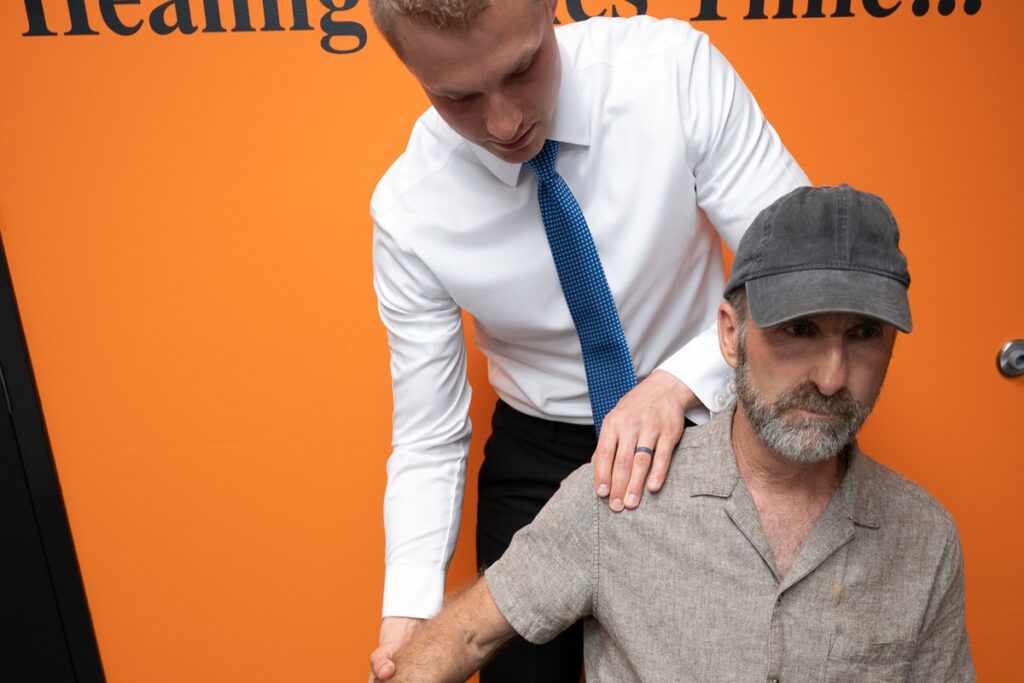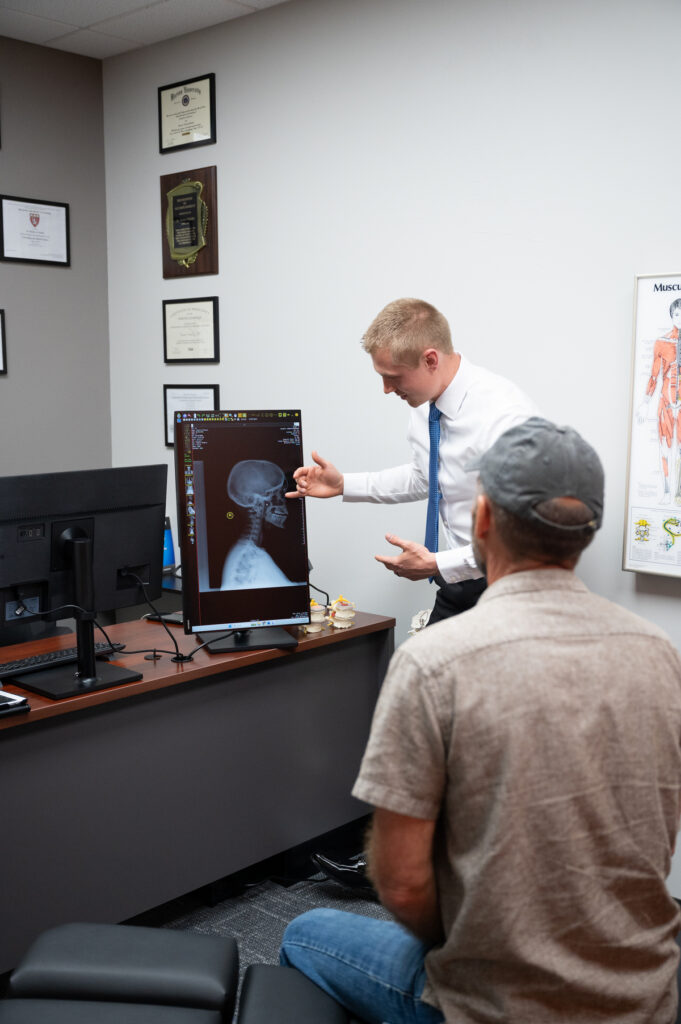

As a local chiropractor, I want to reassure you that if you're experiencing back pain during your pregnancy, you are not alone, and there are natural, effective strategies to help alleviate your discomfort. Many expecting mothers find relief through chiropractic care, which focuses on maintaining proper spinal alignment and overall body wellness.
In addition to chiropractic adjustments, incorporating gentle stretching and prenatal yoga into your routine can significantly ease tension in your back. I also recommend utilizing supportive cushions while sitting or sleeping, as well as heat therapy to soothe sore muscles.
Each of these methods has its unique benefits, but it's crucial to understand which ones align with your individual needs. Chiropractic care, specifically tailored for pregnant women, can help address the structural changes your body undergoes during this time. Let's delve deeper into these options together and discover the best solutions for your specific situation. Your comfort and health are my top priorities!
Practice Good Posture
As a local chiropractor, I want to share the importance of good posture, especially during pregnancy, as it plays a vital role in alleviating back pain. Your body's alignment can significantly influence how you feel throughout this transformative time. By maintaining good posture, you can evenly distribute your weight, reducing the strain on your back and enhancing your overall comfort.
To start, focus on aligning your head with your spine and keeping your shoulders back and relaxed. Picture a string gently pulling your head upward; this visualization can help you maintain an upright posture throughout the day.
When seated, opt for a chair that provides adequate support for your lower back. Ensure that your feet are flat on the floor, or use a footrest if necessary. It's best to avoid crossing your legs, as this can hinder circulation and potentially increase discomfort.
If you find yourself at a desk for extended periods, remember to take frequent breaks to stand and stretch. This practice keeps your muscles engaged and helps prevent stiffness.
When standing, aim to distribute your weight evenly across both feet and avoid locking your knees. This stance not only relieves pressure on your lower back but also promotes better overall stability.
If you need to lift objects, always bend at your knees rather than your waist, keeping the object close to your body. This technique is crucial for minimizing back strain and ensuring safe lifting practices.
Finally, let's discuss your sleeping position. For optimal spinal alignment during the night, try sleeping on your side with a pillow between your legs. This simple adjustment can significantly enhance your comfort and support your body while you rest.
By incorporating these posture tips into your daily routine, you can help alleviate prenatal back pain and create a more comfortable environment for both you and your baby.
If you have further questions or need personalized advice, don't hesitate to reach out. Your well-being is our priority!
Incorporate Prenatal Yoga
As a local Chiropractor, I want to share with you the incredible benefits of incorporating prenatal yoga into your routine, especially for relieving back pain during pregnancy.
Many expectant mothers may not be familiar with how chiropractic care and natural healing methods can complement their wellness journey.
Prenatal yoga isn't just about physical stretching; it offers a holistic approach to well-being. Engaging in gentle and safe poses can significantly alleviate discomfort and tension in your back, which is often exacerbated during pregnancy.
Moreover, these practices promote relaxation and mental clarity, helping you to connect with your body and your baby.
I encourage you to consider adding prenatal yoga to your wellness regimen, as it can work in tandem with chiropractic adjustments to support your changing body.
Together, these approaches can enhance your overall comfort and health during this transformative time.
Let's explore how we can tailor a plan that integrates these beneficial practices for your unique needs.
Benefits of Prenatal Yoga
As a local chiropractor, I understand that finding relief from prenatal back pain can feel overwhelming for many expectant mothers. However, I want to share how incorporating prenatal yoga into your routine can be a supportive and beneficial approach to ease discomfort and enhance your overall well-being during this important time.
Prenatal yoga is an excellent way to stretch and strengthen your back muscles while also improving flexibility. This practice helps alleviate tension in your body, making it easier to listen to and respond to your physical needs. As you engage in gentle poses, you'll increase your body awareness, which is crucial as your body undergoes various changes throughout pregnancy.
One of the key benefits of prenatal yoga is the emphasis on deep breathing techniques. This not only helps to reduce stress and anxiety but also creates a calming effect on your mind. With each breath, you'll foster a deeper connection with your body and your baby, promoting a sense of tranquility that can enhance your pregnancy experience.
Additionally, many find that participating in prenatal yoga classes creates a supportive community where you can share experiences and connect with other expectant mothers. This emotional connection can be incredibly beneficial, providing a sense of camaraderie during this transformative journey.
Maintaining a consistent yoga routine can also improve your posture, which is essential as your body changes throughout pregnancy. Good posture reduces pressure on your spine, helping to alleviate discomfort and pain.
Furthermore, prenatal yoga encourages better circulation, ensuring that your muscles and joints receive the necessary nutrients to stay healthy.
Safe Poses to Try
As a chiropractor, I often see expectant mothers looking for ways to alleviate back pain and promote relaxation during pregnancy. One effective approach is incorporating prenatal yoga poses into your routine, which can complement chiropractic care and enhance your overall well-being.
A wonderful pose to consider is the Cat-Cow Stretch. By starting on your hands and knees, you can gently alternate between arching your back and rounding it. This movement not only stretches your spine but also helps relieve tension, which is crucial as your body undergoes changes.
Another beneficial pose is the Child's Pose. Kneeling on the floor and sitting back on your heels while stretching your arms forward provides a soothing stretch for your back and hips. This position is excellent for releasing built-up stress and tension in your body.
Don't overlook the Standing Forward Bend, either. When you stand tall and hinge at your hips to let your upper body hang, you help elongate your spine and ease discomfort in your lower back. This simple movement can be quite effective in relieving pressure.
Lastly, I recommend the Side-Lying Position for relaxation. Lying on your side with the support of a pillow can take pressure off your back and encourage better circulation, making it easier for you to find comfort.
Integrating these safe prenatal yoga poses into your daily routine can significantly reduce back pain and foster a sense of calm.
Remember to always listen to your body and consult with your healthcare provider, including your chiropractor, before starting any new exercise program. Your health and comfort are our top priorities!
Use Supportive Cushions
As a local chiropractor, I want to share how using supportive cushions can significantly alleviate back pain during pregnancy.
It's essential to select a cushion that caters to your specific needs. Once you have the right cushion, position it strategically to enhance your comfort, whether you're sitting or sleeping.
Remember, it's important to adjust the cushion based on your daily activities to ensure your back receives the support it needs throughout the day. This simple adjustment can make a world of difference in your overall comfort and well-being during this special time.
If you have any questions about how to choose the best cushion or other ways to support your back, feel free to reach out!
Choose the Right Cushion
As a local chiropractor dedicated to helping you find relief from prenatal back pain, I want to emphasize the importance of choosing the right cushion for your seating needs. When you're sitting for extended periods, the support your cushion provides can significantly impact your comfort and overall spinal health.
I recommend looking for cushions specifically designed for lumbar support. These cushions are crafted to help maintain the natural curve of your spine, reducing the pressure on your back and promoting better posture.
Another excellent option to consider is memory foam cushions. They adapt to your body shape, offering personalized support that can help distribute your weight evenly and alleviate discomfort.
If you prefer a firmer sensation, a gel cushion may be ideal for you. Gel cushions provide a solid base while still offering some cushioning, which can be particularly beneficial during pregnancy.
It's also essential to pay attention to the height and thickness of the cushion. A cushion that's too thick can misalign your posture, while one that's too thin may not provide the necessary support your back needs.
Aim for a cushion that elevates your hips slightly above your knees; this encourages better spinal alignment and can help prevent further discomfort.
Lastly, consider the material of the cushion cover. A breathable, removable cover is key—it not only makes cleaning easier but also keeps you comfortable throughout the day.
By selecting the right cushion, you can create a supportive environment that will help ease your back pain and promote a healthier pregnancy.
Position for Maximum Comfort
As a local chiropractor dedicated to your well-being, I want to share some important tips for achieving maximum comfort while seated, which can significantly aid in reducing discomfort, especially for those experiencing prenatal back pain.
First and foremost, it's crucial to position yourself correctly. Begin by using a firm cushion behind your lower back to support your lumbar region. This support is essential for maintaining the natural curve of your spine, which can help alleviate discomfort and prevent further issues.
Next, consider elevating your hips slightly with an additional cushion. This adjustment keeps your knees lower than your hips, relieving pressure on your back. If you find yourself sitting for extended periods, I recommend a wedge-shaped cushion, as it encourages proper posture and supports your spine's alignment.
When seated, ensure your feet are resting flat on the floor or on a footrest. This position is vital for promoting better alignment and reducing strain on your body. You might need to adjust the height of your chair or the thickness of your cushion to achieve the most comfortable setup.
Additionally, don't overlook the importance of arm support. Cushions placed under your arms can help prevent shoulder tension, which is a common issue. You'll be surprised at how these small adjustments can significantly enhance your overall comfort.
Remember, your seating position plays a crucial role in alleviating discomfort, particularly during pregnancy. Prioritizing your comfort and taking the time to set up your seating arrangement properly can lead to a more enjoyable experience.
If you have any questions or need further guidance, feel free to reach out. Your health and comfort are my top priorities!
Adjust for Daily Activities
As a local chiropractor, I understand that daily activities can become quite challenging when you're experiencing prenatal back pain. One effective way to alleviate some of that discomfort is by incorporating supportive cushions into your routine.
Whether you're working at your desk, relaxing on the couch, or even driving, using the right cushions can significantly reduce the strain on your back.
When you're sitting, I recommend using a lumbar support cushion designed to fit the curve of your lower back. This helps promote proper spinal alignment and can alleviate pressure that often contributes to discomfort.
If you're at home, consider placing a firm cushion on your couch or dining chair to enhance support. Don't overlook your time in the car; using a cushion behind your back during longer trips can maintain comfort and prevent further strain.
For a good night's sleep, a pregnancy pillow can be incredibly beneficial. These pillows are designed to support both your belly and back, promoting better sleep quality, which is essential during pregnancy.
Additionally, when you're on the floor engaging with your baby, using a thick mat or cushion can protect your back from discomfort.
And let's not forget about your feet! Elevating your feet with a cushion while sitting can improve circulation and help reduce tension in your back.
By making these simple adjustments to your daily activities with supportive cushions, you're taking proactive steps toward managing your prenatal back pain.
If you have any questions about how chiropractic care can further assist you during this time, feel free to reach out!
Engage in Gentle Stretching
As a local chiropractor, I want to share the benefits of gentle stretching for alleviating prenatal back pain. During pregnancy, your body undergoes significant changes that can lead to tension and discomfort, particularly in the back. Incorporating gentle stretches into your daily routine is an excellent way to relieve that pain, enhance flexibility, and promote overall relaxation.
Start with straightforward stretches that target your back, hips, and shoulders. One of my favorites is the seated cat-cow stretch. Simply sit in a chair, place your hands on your knees, and alternate between arching your back and rounding it. This gentle movement helps mobilize your spine and alleviate tension.
Another beneficial stretch is the side bend. Stand with your feet shoulder-width apart, raise one arm overhead, and lean gently to the opposite side. This motion stretches the muscles along your sides and can help release tightness in your lower back.
Always pay attention to your body's signals. If you experience any discomfort or pain while stretching, it's crucial to stop immediately. Your comfort is paramount, and you should avoid pushing yourself too hard.
Additionally, consider practicing deep breathing while you stretch; this can improve relaxation and provide further relief.
I recommend setting aside about 10 to 15 minutes each day for stretching. Consistency is vital, so try to integrate it into your routine, either in the morning or before bedtime. Not only does gentle stretching help alleviate back pain, but it also promotes a sense of well-being throughout your pregnancy, making it a valuable addition to your self-care practices.
As your chiropractor, I'm here to support you on your journey to a healthier, more comfortable pregnancy. If you have any questions about specific stretches or how chiropractic care can further assist you, please don't hesitate to reach out.
Apply Heat Therapy
As a local chiropractor dedicated to helping you find relief from prenatal back pain, I want to share the benefits of heat therapy. This natural healing method can be highly effective in alleviating discomfort.
You have several options for heat sources, such as heating pads or warm towels, which can be easily incorporated into your daily routine.
It's essential to understand the proper duration and frequency of heat application to maximize its effectiveness. Typically, applying heat for about 15-20 minutes at a time, several times a day, can provide significant relief.
I encourage you to explore these options and discover the best methods for your individual comfort. Remember, finding the right approach can make a world of difference in your prenatal experience!
Types of Heat Sources
As a local chiropractor, I often encounter patients dealing with prenatal back pain, and I want to share how utilizing the right heat sources can greatly alleviate discomfort. There are several effective options to consider, each with its own unique benefits.
One of the most popular choices is a heating pad. It delivers consistent warmth and can be applied directly to the areas that are causing you discomfort. Just remember to use a low setting to prevent overheating, as your comfort is key.
Another wonderful option is a warm towel or blanket. You can easily heat it in the microwave for a short period, ensuring that it's warm but not scalding. This method is quite versatile, allowing you to wrap it around your back or even lay on it for relief.
Warm baths can also be incredibly soothing. Soaking in a tub filled with warm water not only eases back pain but also promotes relaxation throughout your entire body. If you add Epsom salts, you may experience enhanced relief due to their muscle-soothing properties.
Lastly, consider using a hot water bottle, which is portable and easy to fill. You can position it wherever you feel the most discomfort. Always listen to your body and select the heat source that provides you with the most comfort and relief.
Duration and Frequency
As a local chiropractor, I want to help you understand the importance of the right duration and frequency for heat therapy in managing your prenatal back pain. Heat therapy can be a wonderful tool for providing immediate relief, but it's crucial to apply it correctly to reap the maximum benefits. Here's how to do it effectively:
- Duration: I recommend limiting each heat therapy session to about 15-20 minutes. This helps to prevent any skin irritation and ensures you don't overheat, allowing your body to benefit from the warmth without any adverse effects.
- Frequency: Ideally, you should aim to use heat therapy 2-3 times a day. Regular application can significantly help in reducing pain and enhancing your overall comfort levels.
- Listen to Your Body: It's essential to pay attention to how your body responds. If you experience increased discomfort or irritation, don't hesitate to adjust the duration and frequency of your heat therapy sessions. Each person's body reacts differently, so trust your instincts on what feels best for you.
- Timing: Use heat therapy during times when your back pain often intensifies, such as after a long day or just before bedtime. This strategy allows you to unwind and effectively relax your muscles, providing a soothing end to your day.
Stay Active With Walking
As a local chiropractor dedicated to your well-being, I want to highlight the incredible benefits of staying active through walking, especially during pregnancy. Walking is a gentle, low-impact exercise that not only alleviates prenatal back pain but also enhances your overall health. By engaging in regular walking, you can strengthen the muscles that support your back and abdomen, leading to improved posture and reduced strain on your spine.
When you walk, you're not just getting from point A to B; you're actively promoting better circulation, which can significantly decrease swelling and discomfort. I recommend setting a goal of at least 30 minutes of walking each day. Whether it's a brisk walk around your neighborhood or a leisurely stroll in a nearby park, the key is consistency. If 30 minutes feels daunting, feel free to break it into shorter, manageable sessions throughout the day. Just remember to listen to your body; if you encounter any pain or discomfort, it's crucial to stop and rest.
As you incorporate walking into your routine, pay attention to your posture. Keep your shoulders relaxed, maintain a straight back, and engage your core muscles. Proper footwear is also essential; wearing supportive shoes can provide the necessary cushioning and stability to prevent further strain on your body.
Walking isn't only beneficial for alleviating back pain but also serves as a fantastic mood booster. The combination of fresh air and sunlight can work wonders for your mental health, providing you with a much-needed lift during your pregnancy.
So, consider inviting a friend or your partner to join you – walking can become a joyful part of your day, offering both physical and emotional benefits as you prepare for your little one.
As your chiropractor, I'm here to support you on this journey to better health through natural healing practices, and walking is an excellent place to start.
Consider Chiropractic Care
As a local chiropractor, I want to share the significant benefits that chiropractic care can offer to expectant mothers. Many may not be aware of how this holistic approach, centered on spinal alignment, can alleviate the discomfort often associated with prenatal back pain.
Regular chiropractic adjustments can provide the relief you need as your body navigates through the incredible changes of pregnancy.
Here are some compelling reasons to consider incorporating chiropractic care into your pregnancy journey:
- Pain Relief: Chiropractic adjustments are effective in reducing back pain and discomfort, allowing you to embrace your pregnancy fully, free from the burden of persistent pain.
- Improved Posture: As your belly expands, your posture inevitably shifts. I can help you maintain proper spinal alignment, which can alleviate strain on your back and promote overall comfort.
- Enhanced Mobility: Regular chiropractic visits can keep your joints flexible and mobile, making daily activities easier and more enjoyable, so you can focus on the joy of expecting.
- Easier Labor: Research suggests that chiropractic care may contribute to a shorter and less painful labor experience. Maintaining a well-aligned pelvis is crucial for optimal positioning of your baby during delivery.
If you're thinking about chiropractic care during your pregnancy, I encourage you to seek a chiropractor who specializes in prenatal care.
We understand the unique needs and concerns of expectant mothers and are here to support you.
Wear Comfortable Footwear
As a local chiropractor, I want to emphasize the importance of not only chiropractic care in alleviating back pain during pregnancy but also the significant role that your choice of footwear plays in your overall comfort.
Many pregnant individuals may not realize how crucial the right shoes can be, especially as your body undergoes various changes throughout this period.
Wearing supportive shoes is vital. Look for footwear that offers excellent arch support and cushioning to help distribute your weight evenly across your feet. This can significantly reduce the strain on your back, hips, and knees, promoting better alignment as your center of gravity shifts during pregnancy.
It's important to avoid high heels or any shoes that lack proper support, as these can worsen discomfort and negatively impact your posture.
I also encourage you to consider adjustable shoes, such as those with straps or elastic features. This allows your footwear to accommodate any swelling that may occur, ensuring a comfortable fit without pinching your feet.
Slip-on shoes can also be helpful, as they're easy to put on and take off, especially in the later stages of your pregnancy.
Flexibility in your footwear is another key consideration. Shoes that allow for natural movement can help maintain a proper stride and reduce stress on your joints.
Utilize Proper Lifting Techniques
As a chiropractor, I want to emphasize the importance of proper lifting techniques, especially for expectant mothers. During pregnancy, your body undergoes significant changes, and using the correct methods when lifting objects is crucial for preventing back pain and discomfort.
Neglecting these techniques can lead to unnecessary strain on your spine, making this special time less enjoyable. Here are four essential tips to help you lift safely and protect both yourself and your growing baby:
- Bend at the Knees: When you need to pick something up, always remember to squat down. This technique allows you to engage your leg muscles rather than putting undue stress on your back. Your legs are stronger and more suited for lifting!
- Keep the Load Close: It's important to hold the object you're lifting as close to your body as possible. The further away the weight is from your center of gravity, the more strain it will place on your back. Keeping it close helps distribute the weight evenly and reduces the risk of injury.
- Engage Your Core: Before you lift, tighten your abdominal muscles. This simple action provides extra support to your spine, helping to stabilize your body during the lift. A strong core is essential for maintaining good posture and preventing back pain.
- Avoid Twisting: When lifting or carrying an object, always turn your whole body instead of twisting at the waist. Twisting can put unnecessary strain on your back and increase the risk of injury. By using your legs and moving your entire body, you can lift more safely.
By following these techniques, you can help prevent back pain and discomfort during your pregnancy.
Consult a Physical Therapist
Even when using proper lifting techniques, many expectant mothers may still experience back pain that calls for additional support. If you're noticing that everyday activities are becoming more uncomfortable, it could be beneficial to consult a chiropractor.
As a chiropractic care professional, I specialize in understanding the mechanics of your body and can assess your unique situation to create a personalized treatment plan.
During your visits, I'll evaluate your posture, spinal alignment, and overall movement patterns. This assessment helps identify specific areas that may require attention, and I'll provide you with adjustments and exercises aimed at alleviating pain and enhancing your overall function.
A significant focus will be on improving the strength and flexibility of your core and pelvic muscles, which can help lessen strain on your back.
In addition to adjustments, I can teach you safe movement strategies to incorporate into your daily life, empowering you to manage your pregnancy with greater ease and less discomfort. Techniques such as gentle adjustments, targeted stretches, and lifestyle modifications can also help relieve tension in your back.
It's essential to communicate openly with me about your pain levels and any activities that worsen your discomfort. This collaboration ensures that your treatment is both effective and tailored to your specific needs.
Conclusion
As a local chiropractor, I want to help you understand how to alleviate prenatal back pain naturally and improve your overall comfort during this special time. It's essential to focus on maintaining good posture, engaging in gentle stretching, and utilizing supportive cushions in your daily routine.
Incorporating prenatal yoga into your schedule can be incredibly beneficial, along with practicing proper lifting techniques to keep yourself active and pain-free. I encourage you to explore these strategies, as they can significantly enhance your well-being during pregnancy.
If you're experiencing persistent discomfort, don't hesitate to seek professional support. Chiropractic care can be a valuable resource, offering tailored treatments to relieve pain and promote a healthier pregnancy. Remember, prioritizing your health is key, and by taking these steps, you can ensure a more enjoyable experience as you prepare for motherhood.