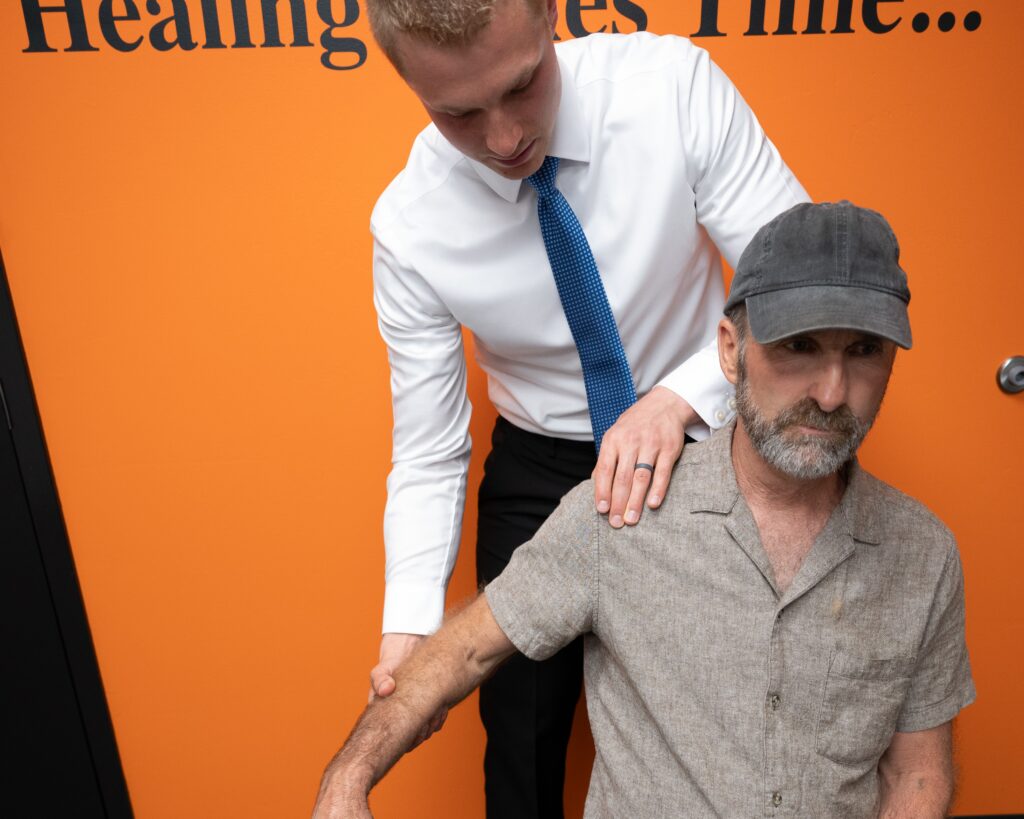
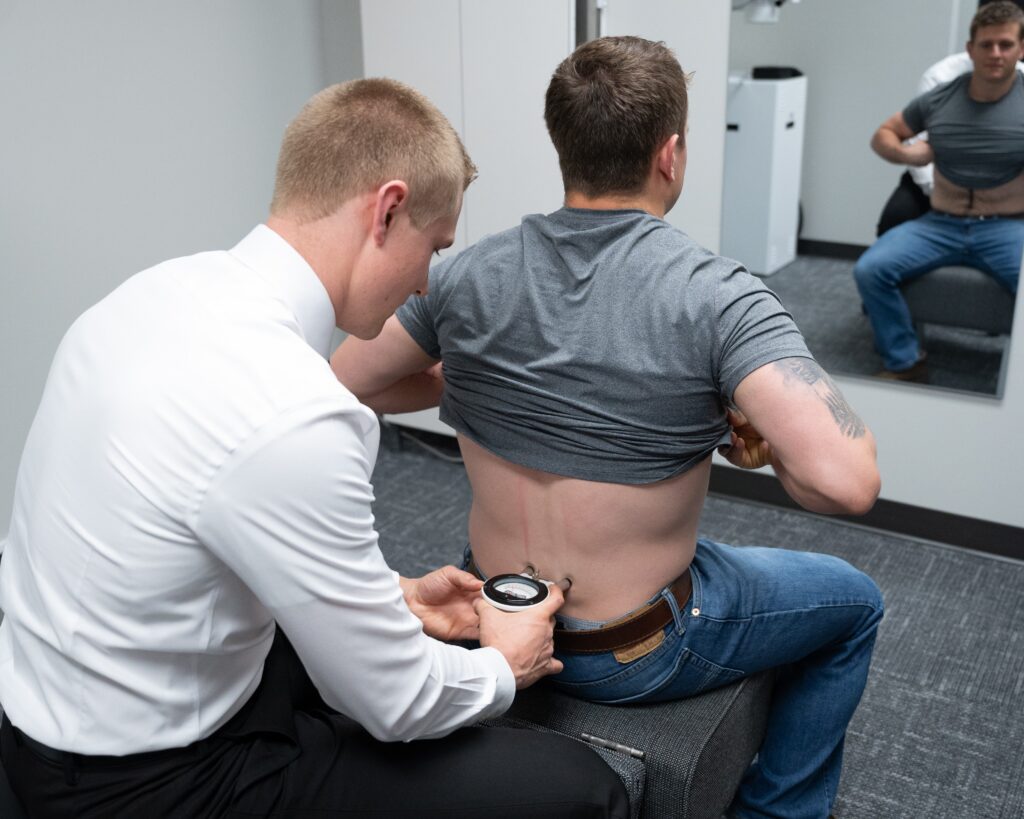
As a local chiropractor, I understand that facing a sports injury can feel daunting, and the road to recovery may seem overwhelming. However, chiropractic care can be a transformative part of your healing journey, providing you with a range of natural strategies to support your recovery. From customized rehabilitation plans to holistic emotional support, the advantages of chiropractic care are extensive and specifically designed to meet your unique needs.
By familiarizing yourself with how chiropractic therapy can facilitate your recovery, you'll be better equipped to tackle both the physical and emotional hurdles that come your way. Are you interested in learning how chiropractic techniques can help you return to your sport even stronger? Let's delve into the essential approaches that can significantly enhance your healing process.
Enhanced Physical Rehabilitation
As a local chiropractor, I want to emphasize how enhanced physical rehabilitation can significantly aid your recovery from sports injuries. Our approach is centered around creating tailored rehabilitation programs that specifically address your unique injury and individual goals. This personalized care is far more effective than generic routines, allowing you to regain strength and functionality more efficiently.
In our rehabilitation sessions, we often incorporate a diverse range of techniques, including targeted exercises, manual therapy, and various modalities such as ultrasound or electrical stimulation. These methods not only facilitate healing but also help relieve pain and reduce swelling.
By integrating strength training and flexibility exercises into your routine, you can further accelerate your recovery. Building muscle strength around the injured area is essential for stabilizing and protecting it as you return to your sport.
Open communication with me, your chiropractor, is crucial during this process. I'll closely monitor your progress and adjust your rehabilitation program as necessary. This collaborative relationship ensures that you're not overexerting yourself, which could impede your recovery.
Maintaining a positive mindset is also important; by setting realistic goals and celebrating small milestones, you can stay motivated throughout your healing journey.
Additionally, I encourage you to pay attention to your nutrition and hydration during your recovery. Proper nutrition supplies your body with the essential nutrients required for healing. A balanced diet rich in proteins, vitamins, and minerals is vital to support your rehabilitation efforts.
Improved Range of Motion
As a local chiropractor, I want to emphasize how crucial it's to improve your range of motion when recovering from a sports injury.
One of the most effective ways to do this is through enhanced flexibility techniques and targeted stretching exercises that are tailored specifically to your individual needs.
These approaches not only aid in restoring your mobility but also play a vital role in preventing future injuries.
By incorporating chiropractic care into your recovery plan, we can work together to ensure your body heals effectively and stays resilient.
Enhanced Flexibility Techniques
As a local chiropractor, I want to share how improving your flexibility can significantly aid in your recovery from sports injuries and enhance your overall performance. Incorporating enhanced flexibility techniques into your rehabilitation process can lead to noticeable improvements in your range of motion. This increased mobility not only helps alleviate pain but also lowers the risk of future injuries.
One effective method to enhance your flexibility is through dynamic stretching. These stretches involve movement and help warm up your muscles, preparing them for physical activity. By adding dynamic stretches to your routine, you can promote better circulation and flexibility, which is crucial for recovery and performance.
Another beneficial approach includes the use of foam rollers or massage therapy. These tools are excellent for releasing muscle tension and improving blood flow to injured areas, allowing your muscles to relax and stretch more efficiently. By regularly integrating these techniques into your recovery plan, you can achieve lasting improvements in your flexibility.
I also encourage you to consider practicing yoga or pilates. Both of these disciplines focus on controlled movements and stretching, which can significantly enhance your flexibility while also fostering mental focus and relaxation.
Targeted Stretching Exercises
As a local chiropractor, I want to introduce you to the concept of targeted stretching exercises, which can play a vital role in enhancing your overall flexibility and helping you recover from injuries.
These specialized stretches focus on the specific muscles and joints that may have been affected by your injury, allowing you to regain vital flexibility and functionality.
To begin your journey toward improved movement, it's essential to identify the muscle groups that may be tight or restricted due to your condition.
By incorporating stretches that isolate these areas, you can effectively address the specific needs of your body.
Hold each stretch for about 15-30 seconds, ensuring you maintain a controlled and steady breath throughout the process.
This not only promotes relaxation but also aids in achieving a deeper stretch.
As you continue with these exercises, gradually increase the intensity of your stretches.
This could involve reaching a little further or holding the stretch for a longer time.
Remember, the key to success is consistency—making these targeted stretching exercises a regular part of your rehabilitation routine can significantly enhance your recovery and overall well-being.
If you have any questions or need guidance on the best stretches for your specific situation, feel free to reach out; I'm here to help you on your path to natural healing.
Strengthening Exercises
As a local chiropractor, I want to emphasize the importance of strengthening exercises when you're recovering from a sports injury.
These exercises play a vital role in your rehabilitation journey. Not only do they aid in the recovery of your muscles, but they also help you establish effective strategies to prevent future injuries.
By concentrating on building your strength, you can return to your sport not just healed, but stronger and more resilient than ever before.
Chiropractic care, combined with these tailored workouts, can support your natural healing process and get you back to doing what you love with confidence.
Tailored Rehabilitation Programs
At our chiropractic clinic, we believe in the power of tailored rehabilitation programs designed to support your recovery and enhance your overall fitness. Our approach begins with a thorough evaluation of your unique needs, allowing us to create a customized plan that specifically targets the muscles and joints affected by your injury.
This individualized strategy ensures that you're not just doing generic exercises, but rather engaging in movements that truly support your healing process and help prevent future injuries.
Initially, we'll work on low-impact exercises that help you regain strength while minimizing stress on the injured area. As you progress, we'll gradually introduce more challenging movements, ensuring that you build strength safely and effectively.
This step-by-step approach allows us to closely monitor your body's response, making any necessary adjustments along the way to optimize your recovery.
In addition, our rehabilitation programs incorporate functional exercises that mimic the activities you'll perform in your daily life or sport. This not only enhances your strength but also improves your agility and coordination, giving you the confidence to return to your favorite activities.
At our clinic, we're committed to guiding you on your path to natural healing and helping you achieve your health and fitness goals.
Enhanced Muscle Recovery Techniques
As a local chiropractor, I want to share some insights into the importance of a proactive approach to recovery from sports injuries. Many people may not realize how effective strengthening exercises can be in enhancing your muscle recovery. These exercises are essential for rebuilding strength, improving flexibility, and promoting blood flow to the injured area, which can significantly speed up the healing process.
To start, I recommend engaging in low-impact activities that specifically target the muscles affected by your injury. Using resistance bands or light weights can help build strength without placing excessive strain on your injury. It's important to gradually increase the intensity as your muscles regain their strength. Focus on controlled movements to ensure that you're not overexerting yourself, which can lead to setbacks.
In addition to strengthening the injured area, incorporating core strengthening exercises is crucial. A strong core provides support during various movements and can help prevent further injuries. Exercises like planks and bridges are excellent choices because they engage multiple muscle groups while minimizing the risk of excess strain.
Always pay attention to how your body feels during these exercises. If something doesn't feel right, it's important to ease off and consult with me or another healthcare professional. We can help you adjust your routine as needed.
#
Injury Prevention Strategies
As a local chiropractor, I want to emphasize the importance of strengthening exercises not just for recovery, but as a crucial part of injury prevention. By integrating these exercises into your regular routine, you can enhance muscle resilience, stability, and overall performance. Strong muscles provide better support for your joints, which can significantly reduce the risk of strains and sprains during various physical activities.
I recommend starting with core-strengthening exercises, as a robust core is essential for stabilizing your entire body. Planks, bridges, and rotational movements are excellent options to develop this key area.
It's also vital to focus on your lower body; exercises like squats and lunges will fortify your legs, which are integral to most sports and daily activities.
Don't overlook the importance of upper body strength. Including exercises such as push-ups and rows will help ensure balanced muscle development throughout your body.
Additionally, flexibility plays a critical role in injury prevention. I encourage you to pair your strengthening routine with stretching exercises to enhance mobility and alleviate any tightness that may predispose you to injuries.
Lastly, it's essential to listen to your body. If you experience discomfort, it's important not to ignore it.
Pain Management Techniques
While injuries can keep you from your favorite activities, understanding effective pain management techniques can significantly enhance your recovery journey. As a local chiropractor, I want to share some natural healing methods that can help ease your discomfort and support your return to peak performance.
- Chiropractic Care: Regular chiropractic adjustments can help realign your spine and joints, reducing pain and improving function. By addressing misalignments, we can promote healing and restore mobility, allowing your body to recover more effectively.
- Cold and Heat Therapy: Applying ice packs can be beneficial right after an injury, as they help reduce inflammation and numb pain. Heat therapy, on the other hand, can relax tight muscles and improve blood flow, further aiding in your recovery.
- Natural Supplements and Nutrition: Incorporating anti-inflammatory foods and supplements into your diet can help manage pain from within. I can provide guidance on the best options for your individual needs, ensuring you support your body holistically during the healing process.
Embracing these natural strategies in your recovery plan can significantly enhance your comfort and promote healing.
It's important to remember that each person's experience with pain is unique, so tuning into your body and adjusting your approach is crucial. By taking a proactive stance on pain management, you can prevent setbacks in your rehabilitation journey.
By integrating these techniques, you'll not only find relief but also build a strong foundation for a successful return to the activities you love.
Ultimately, addressing pain through chiropractic care can empower you to focus on healing and getting back to what you enjoy most.
Emotional Support and Counseling
As a local chiropractor, I understand that recovering from a sports injury can often bring about feelings of frustration and helplessness.
It's important to recognize that these emotions are a normal part of the healing process. One key aspect of recovery is developing resilience skills that can help you cope with the challenges you face and maintain a positive outlook.
In our chiropractic practice, we focus not just on physical healing, but also on your emotional well-being.
We offer guidance and support to help you manage your feelings effectively during this time. By integrating natural healing techniques and providing a supportive environment, we aim to equip you with the tools you need to navigate your recovery journey.
Coping With Frustration
As a chiropractor, I often see athletes grappling with intense frustration during their recovery from sports injuries. This emotional struggle can impede both mental and physical healing.
It's common to feel a loss of your identity as an athlete, face challenges with limitations, or experience anxiety about returning to your sport. Acknowledging and addressing these feelings is essential for a successful recovery.
Chiropractic care can play a vital role in your healing journey. Not only can it provide physical relief, but it also offers emotional support as you navigate these challenges.
Here are some strategies to help you cope effectively:
- Open up: Sharing your feelings with me during our sessions or with a trusted friend can make a significant difference. Communication is key to understanding and processing your emotions.
- Set achievable goals: Together, we can break down your recovery into smaller, manageable steps. This approach helps you track your progress and keeps you motivated.
- Incorporate mindfulness: Practicing mindfulness techniques can help you stay present and focused. This can be integrated into your chiropractic sessions, enhancing both your mental and physical well-being.
Building Resilience Skills
As a local chiropractor, I want to emphasize the importance of building resilience skills, especially for athletes recovering from sports injuries. Understanding how to navigate the emotional ups and downs of the healing process is crucial for a successful recovery. Chiropractic care can play a key role in this journey by creating a supportive environment where we can address not just your physical health, but also your mental well-being.
Through our sessions, you'll learn to recognize and manage common feelings such as stress, anxiety, and frustration that often arise during recovery. We'll work together to set realistic goals and cultivate a positive mindset. This means reframing any negative thoughts into constructive ones, practicing self-compassion, and acknowledging the progress you make, no matter how small.
Moreover, we'll discuss coping strategies that will help you deal with setbacks, ensuring you remain motivated and committed to your healing journey. Chiropractic adjustments can also enhance your emotional regulation, enabling you to respond to challenges with more calmness and clarity.
By focusing on building these resilience skills, you not only improve your chances of a successful recovery but also strengthen your mental toughness for future challenges, both in sports and in life.
Goal Setting and Motivation
Setting clear goals is vital for your recovery from a sports injury, as it provides both direction and motivation throughout the healing process. At our chiropractic clinic, we emphasize the importance of establishing specific, measurable, achievable, relevant, and time-bound (SMART) goals. This structured approach creates a roadmap to guide your progress and helps keep you focused while boosting your confidence as you achieve each milestone.
To maintain high levels of motivation during your recovery, consider these effective strategies:
- Break down larger goals into smaller, manageable steps. Each small victory, whether it's improving your range of motion or reducing pain, will inspire you to keep moving forward.
- Celebrate your achievements, no matter how minor they may seem. Recognizing your progress is crucial, as it fuels your determination to continue on your path to recovery.
- Visualize your healing journey. Imagine yourself back in action, enjoying your favorite sport. This mental imagery can strengthen your commitment to your rehabilitation goals.
It's important to remember that your recovery journey may involve some ups and downs. However, having well-defined goals can help you navigate these challenges effectively. You may encounter setbacks along the way, but don't let them discourage you. Instead, view them as opportunities for learning and adjusting your goals as needed.
By consistently evaluating your progress and adapting your objectives, you'll maintain a sense of purpose and resilience throughout your healing process. Ultimately, setting and pursuing goals during your rehabilitation not only accelerates your physical recovery but also fortifies your mental resilience.
At our chiropractic practice, we're here to support you on this journey. Stay focused, stay motivated, and before you know it, you'll be back to doing what you love.
## Injury Prevention Strategies
As a local chiropractor, I want to emphasize the critical role injury prevention plays for anyone involved in physical activities, whether you're a seasoned athlete or just starting out. To maintain optimal performance and avoid setbacks, it's essential to adopt a proactive approach to your body's health.
One of the most effective strategies is to establish a comprehensive warm-up routine before engaging in any physical activity. This should encompass dynamic stretches and movements tailored to your specific sport or exercise. These preparations are vital for priming your muscles and joints, ensuring they're ready to meet the demands of your workout or competition.
Another crucial aspect is to pay close attention to your body mechanics. Using proper technique in your chosen activity can significantly lower the risk of injuries. If you're unsure about your form, I recommend collaborating with a coach or a physical therapist who can provide insights into any issues and guide you in making necessary adjustments.
Additionally, focusing on building strength and flexibility through targeted exercises is essential. Strengthening the muscles surrounding your joints offers better support, thereby helping to prevent injuries.
Moreover, I can't stress enough the importance of rest and recovery. Overtraining can lead to exhaustion, which increases your vulnerability to injuries. Ensure you give your body ample time to recuperate between sessions.
Consider incorporating cross-training into your routine, as this diversifies your muscle engagement and helps prevent overuse injuries.
Lastly, always listen to your body. If you experience any pain or discomfort, it's crucial to address these signals early rather than powering through them. Ignoring pain can lead to more serious injuries down the line.
Customized Treatment Plans
As a local chiropractor, I want to emphasize the importance of having a customized treatment plan for your recovery from sports injuries. Every injury is unique, and so should be the approach to healing it. A generic treatment plan may not address your specific needs, which can lead to frustration and a longer recovery time.
By collaborating with a chiropractor, you can create a tailored plan that considers your particular situation, including the type of injury you have, your athletic ambitions, and your overall health.
A personalized treatment plan typically incorporates various natural healing methods and exercises aimed at promoting recovery and restoring function. Here are some components that may be part of your plan:
- Chiropractic adjustments: These gentle manipulations can help realign your spine and joints, reducing pain and improving mobility in the affected area.
- Therapeutic exercises: These exercises are designed to strengthen the injured area while maintaining flexibility, helping to facilitate a smoother recovery.
- Soft tissue therapy: Techniques such as massage or myofascial release can alleviate tension, enhance circulation, and promote healing in the injured tissues.
- Ongoing assessments: Regular check-ins allow your chiropractor to modify your treatment plan based on your progress, ensuring you remain on the path to recovery.
Stress Relief and Relaxation
As a local chiropractor, I want to emphasize the importance of addressing stress and tension that can arise after a sports injury. It's common for individuals to feel anxious about their recovery or frustrated by limitations in mobility. This stress can't only hinder your healing process but also prolong pain and discomfort.
That's where chiropractic care can play a vital role in promoting relaxation and overall well-being. Chiropractic techniques, including spinal adjustments, massage therapy, and stretching exercises, can effectively alleviate muscle tension, improve blood circulation, and reduce pain.
By engaging in regular chiropractic sessions, you can help your body release built-up stress, which is essential for the healing of your muscles and joints. Moreover, chiropractic care provides a supportive environment for you to express your feelings related to your injury.
Discussing your concerns with a chiropractor can help validate your experiences and assist you in processing any anxiety or fear associated with your recovery. This emotional release is crucial for managing stress levels, allowing you to concentrate on your healing journey.
In addition to chiropractic adjustments, incorporating relaxation techniques such as deep breathing exercises, guided imagery, or gentle stretches can significantly enhance your recovery process. These practices help you cultivate a state of calm, which can lower cortisol levels and foster a more positive mindset.
Ultimately, by addressing stress and promoting relaxation through chiropractic care, you can approach your recovery with a clearer and more focused perspective. This mindset is essential as you work toward regaining your strength and confidence, helping you return to peak performance in no time.
Building Mental Resilience
Building mental resilience is essential for overcoming the challenges associated with recovering from sports injuries. As a local chiropractor, I often see how mental strength can significantly impact the recovery process; it can be the deciding factor in whether you return to your sport quickly or face a prolonged healing period.
Chiropractic care, combined with therapeutic techniques, can play a vital role in helping you develop this resilience, providing you with tools to manage stress, anxiety, and frustration effectively.
Through chiropractic adjustments and holistic approaches, we can help you cultivate a more positive mindset, focusing on growth rather than the obstacles you face. Here are a few ways our practice can assist you in building mental resilience during your recovery:
- Cognitive Behavioral Techniques: While not a substitute for therapy, we often incorporate elements that encourage a positive shift in your thought patterns. By focusing on recovery and potential rather than setbacks, you can foster a more optimistic outlook.
- Visualization and Goal Setting: We can work together to create clear, achievable recovery goals. By visualizing your success and the steps needed to get there, you can maintain motivation and clarity throughout your healing journey.
- Mindfulness Practices: I often encourage mindfulness techniques that can help you stay grounded in the present moment. This practice can reduce anxiety about the future and help you concentrate on the healing process, making each adjustment and exercise a step toward recovery.
As you navigate your recovery, it's important to remember that building mental resilience is an ongoing process. It won't happen overnight, but through chiropractic care and supportive practices, you'll gain the strength to face your challenges directly.
This journey will ultimately lead to a more successful and fulfilling return to your sport. Embrace the process, and you'll witness the growth of your mental fortitude alongside your physical healing.
Conclusion
As a local chiropractor, I want to emphasize the vital role that therapy can play in your sports injury recovery. Integrating chiropractic care into your rehabilitation process can lead to remarkable improvements. Our focus is on physical rehabilitation, which not only helps restore your range of motion but also addresses underlying issues contributing to your discomfort.
Chiropractic care offers personalized treatment plans tailored to your specific needs, incorporating effective pain management techniques that can alleviate your symptoms. Additionally, we emphasize injury prevention strategies that help you avoid future setbacks, along with mental resilience training to prepare you for the challenges that lie ahead in your athletic journey.
Embracing these natural healing methods can empower you to not only recover from your injury but also excel in your sports endeavors. As you heal, you'll discover how chiropractic care can help you thrive, ensuring that you return to your favorite activities stronger than before.