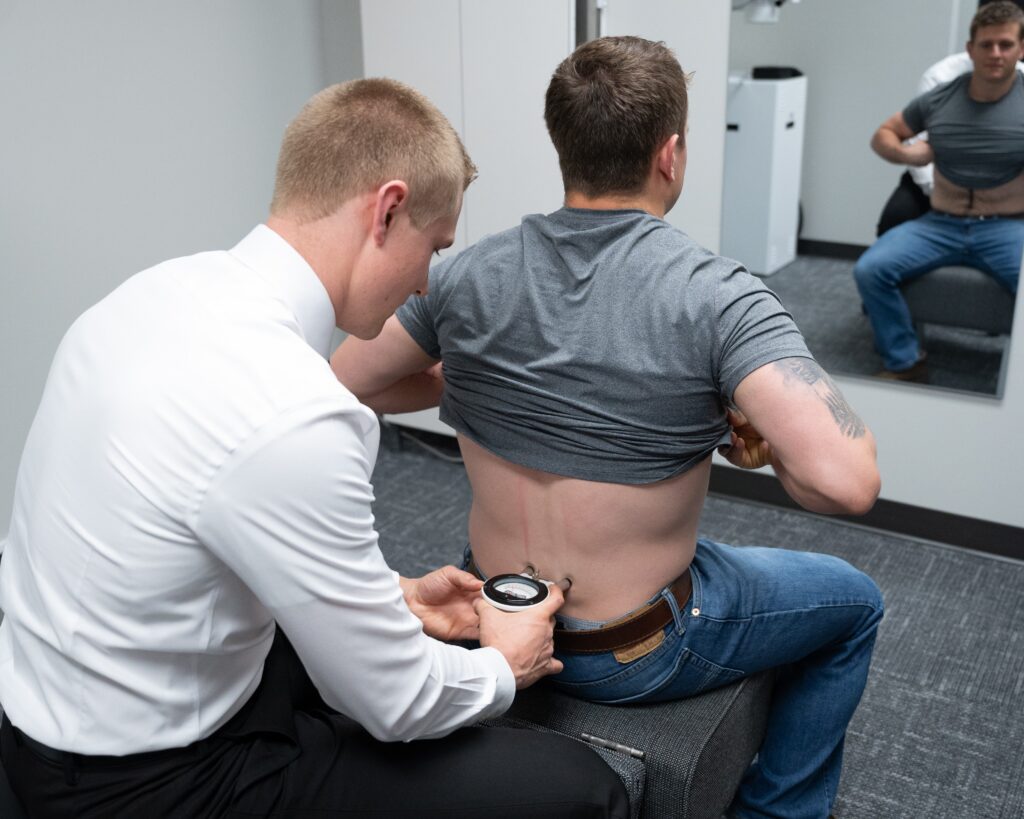

If you're struggling with chronic tension headaches, you might find relief through various chiropractic techniques. Chiropractors focus on spinal adjustments to realign your spine and alleviate pressure on nerves. They also utilize soft tissue therapy to ease muscle tension, along with other methods like trigger point therapy and posture correction. But that's just the beginning. There are additional strategies chiropractors employ that could make a significant difference in your comfort and overall well-being. Curious about what these might be?
Spinal Adjustments
Receiving spinal adjustments can greatly alleviate chronic tension headaches by realigning the spine and improving overall function. When your spine is misaligned, it can lead to increased muscle tension and stress, both of which contribute to headache pain. A chiropractor will assess your spine's alignment and identify any areas that may be contributing to your discomfort.
During your appointment, the chiropractor uses specific techniques to adjust your spine, which helps restore proper alignment. This process can relieve pressure on nerves and reduce muscle tension, leading to a decrease in headache frequency and intensity. You might find that after just a few adjustments, your headaches become less severe and occur less often.
You'll also notice that spinal adjustments can improve your overall posture and body mechanics. When your spine is aligned, your body functions more effectively, which can enhance blood flow and reduce tension in the surrounding muscles. This holistic approach not only addresses the symptoms of your tension headaches but also targets the underlying causes, promoting long-term relief.
In addition to immediate pain relief, regular spinal adjustments can help you maintain a healthier spine over time. By committing to a consistent chiropractic care routine, you're investing in your overall well-being.
Soft Tissue Therapy
Many people find that soft tissue therapy can markedly reduce chronic tension headaches. This therapeutic approach focuses on manipulating the muscles and connective tissues to relieve tension and improve circulation. When you experience headaches, tightness in the neck, shoulders, and upper back often contributes to the pain. Soft tissue therapy targets these areas, helping to alleviate discomfort and increase mobility.
During your session, your chiropractor may use techniques such as massage, myofascial release, or trigger point therapy. These methods help break down knots and adhesions in the muscles, allowing for better blood flow and nutrient delivery to the affected areas. By releasing tension in these soft tissues, you can experience a reduction in headache frequency and intensity.
It's essential to communicate openly with your chiropractor about where you feel tension or pain. This feedback helps them tailor the therapy to your specific needs, ensuring you receive the most effective treatment. You may notice that after just a few sessions, your headaches become less severe, and your overall stress levels decrease.
Incorporating soft tissue therapy into your routine can enhance your overall well-being. Regular sessions not only address immediate discomfort but also promote long-term health benefits. By investing in this type of therapy, you're taking proactive steps to manage your chronic tension headaches and improve your quality of life.
Posture Correction
Soft tissue therapy effectively alleviates tension headaches, but addressing your posture also plays a significant role in managing this condition. Poor posture can strain your neck and shoulder muscles, leading to increased tension and pain. When you slouch or hunch over a computer, the alignment of your spine gets disrupted, which can contribute to the development of chronic headaches.
You mightn't realize it, but even minor adjustments in how you sit or stand can make a big difference. When you maintain a neutral spine—where your ears, shoulders, and hips align—you reduce unnecessary stress on your muscles. This alignment allows for better blood flow and nerve function, both of which can help alleviate headache symptoms.
During your chiropractic sessions, your chiropractor will likely assess your posture and provide tailored exercises to strengthen weak muscles and stretch tight ones. They might recommend specific stretches or adjustments to help you correct your posture gradually. Incorporating these techniques into your daily routine can lead to significant improvements over time.
Additionally, being mindful of your posture throughout the day is essential. When you're at your desk, make sure your chair supports your lower back, and keep your computer screen at eye level.
Regular breaks to stand up and stretch will also help prevent tension from accumulating.
Lifestyle Counseling
Lifestyle counseling is an essential component in managing chronic tension headaches, as it addresses the daily habits that contribute to your discomfort. Your chiropractor will likely evaluate your routines, environment, and overall lifestyle to identify factors that may be aggravating your headaches. By making simple adjustments, you can greatly reduce the frequency and intensity of your pain.
First, consider your daily activities and how they might be impacting your body. Are you spending long hours in front of a computer? If so, it might be time to incorporate regular breaks to stretch and rest your eyes. Your chiropractor can suggest specific exercises to improve your posture and strengthen the muscles that support your neck and back.
Next, focus on your sleep habits. Lack of quality sleep can lead to increased tension and headaches. Establishing a consistent sleep schedule and creating a restful environment can help improve your overall sleep quality. Your chiropractor might suggest relaxation techniques to help you wind down before bed.
Nutrition is another key area where lifestyle counseling can make a difference. Dehydration or skipping meals can trigger headaches, so it's important to maintain a balanced diet and drink plenty of water throughout the day.
Lastly, consider your social and work environments. Stressful interactions or poor ergonomic setups can contribute to chronic tension headaches. Your chiropractor can guide you on making changes that promote a healthier, more comfortable lifestyle. By addressing these aspects, you'll be taking proactive steps toward relief.
Stress Management Techniques
When dealing with chronic tension headaches, effective stress management techniques can make a significant difference in your overall well-being. Stress often acts as a trigger for these headaches, so finding ways to manage it is essential.
Start by incorporating relaxation techniques into your daily routine. Deep breathing exercises, for instance, can help calm your mind and body. Try taking a few moments each day to focus on your breath, inhaling through your nose and exhaling through your mouth.
Another effective method is progressive muscle relaxation. By systematically tensing and then relaxing different muscle groups, you can release built-up tension. This technique not only helps you become more aware of where you carry stress but also promotes a sense of peace.
Mindfulness meditation is another powerful tool. Setting aside just a few minutes each day to practice mindfulness can enhance your ability to cope with stress. Focus on the present moment and observe your thoughts without judgment. This practice can help you develop a greater awareness of your stress triggers and how to respond to them.
Don't forget the importance of physical activity. Regular exercise releases endorphins, which can improve your mood and reduce stress levels. Even a short walk or a few stretches can help alleviate tension.
Lastly, consider keeping a stress journal. Writing down your thoughts and feelings can help you process stress and identify patterns. By implementing these stress management techniques, you can take proactive steps toward reducing the frequency and intensity of your tension headaches.
Ergonomic Assessments
When it comes to preventing chronic tension headaches, evaluating your workplace posture is key.
You'll want to look closely at your desk setup and make adjustments to guarantee it's ergonomic.
Plus, considering the right tools can make a significant difference in your comfort and productivity.
Workplace Posture Evaluation
Proper workplace posture plays an essential role in preventing chronic tension headaches, as poor ergonomics can lead to muscle strain and discomfort. Evaluating your posture at work can help identify habits that contribute to these headaches.
Start by reviewing your sitting position; your feet should be flat on the floor, and your knees should be at or slightly below hip level. Confirm your back is against the chair, providing proper lumbar support.
Next, check your monitor height. It should be at eye level, so you're not straining your neck by looking up or down. Your arms should rest comfortably at your sides, and your elbows should be at a 90-degree angle when typing. Additionally, your wrists should remain straight, avoiding any awkward angles.
Take note of how often you shift your position or take breaks. Staying in one position for too long can lead to tightness and discomfort.
Regular posture evaluations can empower you to make adjustments that promote better alignment and reduce tension. By being proactive in reviewing your workplace posture, you can notably decrease the risk of developing chronic tension headaches.
Desk Setup Recommendations
Creating an ergonomic desk setup can greatly enhance your comfort and productivity, while also reducing the risk of chronic tension headaches.
Start by adjusting your chair to support your lower back. Your feet should rest flat on the floor or on a footrest, with your knees at or slightly below hip level.
Next, position your monitor so the top of the screen is at or just below eye level. This way, you won't strain your neck while looking at it. Keep the monitor about an arm's length away to reduce eye strain.
Your keyboard and mouse should be on the same surface, allowing your elbows to stay close to your body and form a 90-degree angle. If you're using a laptop, consider a separate keyboard and mouse to maintain better posture.
Ensure adequate lighting to minimize glare on your screen. If possible, use natural light and position your desk near a window.
Finally, remember to take regular breaks. Stand, stretch, and move around to keep your body relaxed and reduce the likelihood of tension headaches from prolonged sitting.
Ergonomic Tool Suggestions
Investing in ergonomic tools can greatly improve your workspace comfort and help prevent chronic tension headaches.
Start with an adjustable chair that supports your lower back. Make sure it allows your feet to rest flat on the ground, which promotes better posture.
A desk that can adjust in height is also beneficial, as it lets you alternate between sitting and standing, reducing muscle strain.
Consider using a keyboard and mouse that are designed to keep your wrists in a natural position. Ergonomic keyboards have a split design, while a vertical mouse can help minimize wrist twisting.
A monitor stand can elevate your screen to eye level, so you won't have to hunch over, preventing neck and shoulder tension.
Don't forget about your lighting! Good lighting helps reduce eye strain, which can contribute to headaches. Task lamps with adjustable brightness are a great choice.
Lastly, invest in a footrest if your feet don't comfortably reach the ground. It can help maintain proper posture and circulation.
Exercise Recommendations
To help manage chronic tension headaches, incorporating specific exercise routines can be beneficial.
You'll want to focus on both stretching techniques to relieve tension and strengthening exercises to support your neck and shoulder muscles.
Let's explore how these exercises can make a difference in your overall well-being.
Stretching Techniques
How can stretching techniques alleviate the discomfort of chronic tension headaches? Incorporating specific stretches into your routine can greatly reduce muscle tension and improve flexibility, which in turn can help relieve headache symptoms.
When you stretch, you increase blood flow to the muscles, promoting relaxation and reducing the tightness that often contributes to headaches.
Start with neck stretches. Gently tilt your head to one side, bringing your ear toward your shoulder, and hold for 15-30 seconds. Repeat on the other side. This simple movement can alleviate tension in the neck muscles, which are often a source of headache pain.
You can also try shoulder rolls. Sit or stand comfortably, and roll your shoulders forward and backward in a circular motion. This helps release built-up stress in the upper back and shoulders.
Don't forget about your upper back. Try reaching your arms overhead and interlacing your fingers, then gently lean to one side and hold for 15-30 seconds before switching sides.
Incorporating these stretching techniques into your daily routine can make a real difference, providing relief and helping you manage chronic tension headaches more effectively.
Strengthening Exercises
Incorporating strengthening exercises into your routine can greatly help alleviate chronic tension headaches. These exercises target the muscles in your neck, shoulders, and upper back, promoting better posture and reducing muscle tension.
Start with isometric neck exercises. Sit or stand up straight, press your forehead against your hands, and hold for five seconds. Repeat this for three sets.
Next, try shoulder shrugs: lift your shoulders toward your ears, hold for a few seconds, and release. Do this for ten repetitions.
Strengthening your upper back is also vital. Perform rows with resistance bands by pulling the bands towards you while keeping your elbows close to your body. Aim for three sets of ten to twelve repetitions.
Incorporate these exercises into your routine two to three times a week. Always listen to your body; if you feel pain, stop immediately. Gradually increase the intensity as your strength improves.
Nutritional Guidance
When it comes to managing chronic tension headaches, nutritional guidance plays a crucial role in your overall well-being. The foods you consume can greatly impact your body's ability to cope with stress and tension, which may contribute to headache symptoms. You'll want to focus on a balanced diet that includes a variety of nutrients to support your health.
Start by incorporating plenty of fruits and vegetables into your meals. These foods are rich in vitamins, minerals, and antioxidants that can help reduce inflammation and promote overall health.
Hydration is equally important, so make sure you're drinking enough water throughout the day. Dehydration can be a trigger for headaches, so keeping your fluid intake up is essential.
Consider reducing your intake of processed foods, caffeine, and refined sugars, as these can lead to fluctuations in energy levels and may contribute to tension headaches. Instead, opt for whole grains, lean proteins, and healthy fats. Foods rich in magnesium, such as nuts, seeds, and leafy greens, can also help alleviate headache symptoms.
Don't forget about the role of meal timing; skipping meals can lead to low blood sugar, which might trigger headaches. Try to eat smaller, more frequent meals throughout the day to maintain stable energy levels.
If you're unsure about specific dietary changes, consult with a chiropractor or a nutritionist who can provide personalized advice tailored to your needs and lifestyle.
Trigger Point Therapy
Nutritional changes can greatly support your efforts in managing chronic tension headaches, but combining them with hands-on therapies like trigger point therapy can enhance your relief.
Trigger point therapy focuses on releasing tight knots in your muscles, which often contribute to headache pain. These knots, or trigger points, can form due to stress, poor posture, or repetitive movements, creating tension that radiates to your head.
When you visit a chiropractor for trigger point therapy, they'll first assess your muscle tension and identify areas where these points are located. Using their hands, they'll apply pressure to these trigger points, helping to release the tension stored in the muscles.
This process can relieve pain not only in the affected area but also in related areas, providing a more thorough approach to headache relief.
You might feel some discomfort during the treatment, but it's usually followed by a sense of relaxation as the muscles begin to release. The chiropractor may also suggest stretches and exercises that you can do at home to maintain the benefits of the therapy.
Regular sessions can help prevent the reformation of trigger points, keeping your headaches at bay.
Incorporating trigger point therapy into your routine can greatly improve your quality of life. By addressing the root causes of your tension headaches, you'll likely find greater relief and a path toward more consistent wellness.
Make sure to discuss this option with your chiropractor to see how it fits into your overall treatment plan.
Heat and Cold Therapy
Heat and cold therapy can be powerful tools in managing chronic tension headaches. By applying heat or cold to specific areas, you can alleviate pain, reduce muscle tension, and promote relaxation. This approach is simple, but effective.
When you use heat therapy, you're increasing blood flow to the affected areas, which helps relax tight muscles and ease discomfort. You can apply a warm compress, heating pad, or even take a warm shower to achieve this effect. Just make sure the temperature isn't too hot to avoid burns.
Focus on the neck and shoulders, as these are common tension spots that contribute to headaches.
On the other hand, cold therapy can help numb pain and reduce inflammation. You might use an ice pack, a bag of frozen vegetables, or a cold compress. Apply the cold source for about 15-20 minutes, ensuring you have a barrier like a towel between the ice and your skin to prevent frostbite.
Cold therapy is particularly effective if your headaches are accompanied by swelling or if tension has built up after physical activity.
Incorporating heat and cold therapy into your routine can be a great way to manage chronic tension headaches. You can alternate between the two methods, allowing your body to experience the benefits of both.
Conclusion
Incorporating chiropractic care into your routine can be a game-changer for managing chronic tension headaches. By addressing the root causes through spinal adjustments, soft tissue therapy, and lifestyle changes, you're taking proactive steps toward relief. Don't underestimate the power of posture correction, exercise, and nutrition in your journey. With stress management techniques and targeted therapies, you can find a balanced approach to headache relief. So, take action and prioritize your health today!