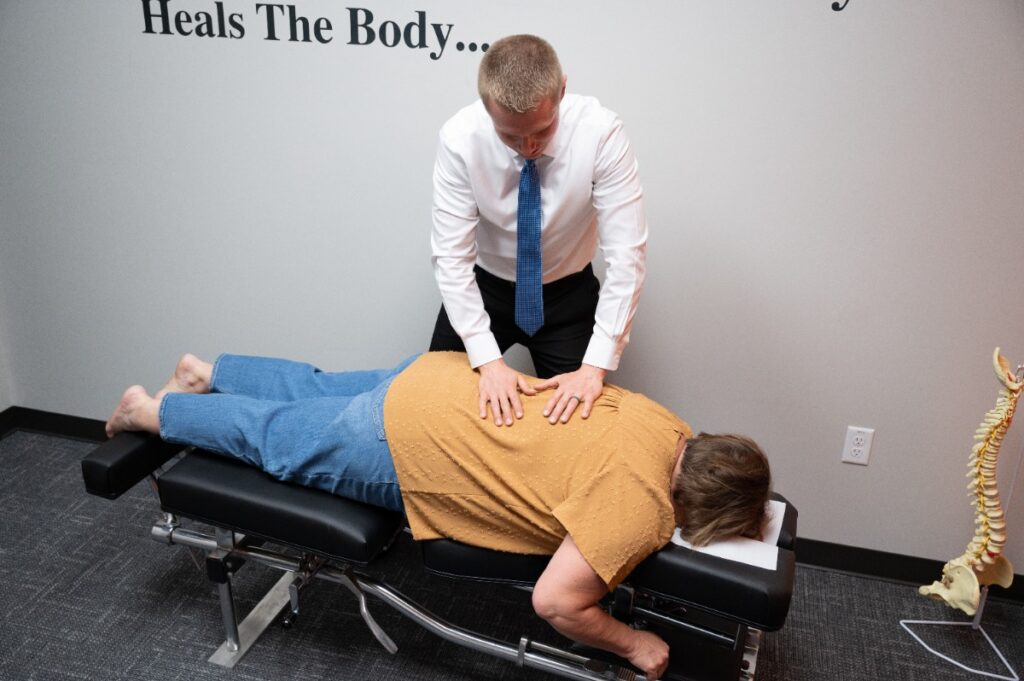

If you're struggling with chronic tension headaches, you're not alone, and it's time to take action. By identifying your triggers and making some lifestyle adjustments, you can start to alleviate the pain that holds you back. From practicing effective relaxation techniques to maintaining good posture, each tip can play an essential role in your relief. However, there are nuances to each method that you'll want to take into account to maximize their benefits. Let's explore these strategies and see how they can transform your approach to managing headaches.
Identify Triggers
Many people experience chronic tension headaches, and identifying triggers is essential for managing them effectively. You might notice that certain situations, activities, or even foods can lead to the onset of a headache. Start by keeping a headache diary. Record the date, time, intensity, and duration of each headache, along with any activities or stressors leading up to it. This journal can reveal patterns that help you pinpoint specific triggers.
Consider your daily routine. Are you sitting at a desk for hours without breaks? Poor posture or prolonged screen time can contribute to tension headaches. Make a habit of taking short breaks to stretch and move around.
Evaluate your hydration levels, too. Sometimes, dehydration can sneak up on you, leading to headaches. Aim for at least eight glasses of water a day, and increase your intake if you're active or in a hot environment.
Diet can also play a significant role. Certain foods, like aged cheeses, caffeine, or processed snacks, may trigger headaches for some people. Pay attention to what you eat and drink, and try eliminating potential culprits one at a time to see if your headaches lessen.
Stress is another common trigger, so look for sources of stress in your life and consider how they might be affecting you. By taking these steps to identify your triggers, you'll gain valuable insights that can lead to more effective management of your chronic tension headaches.
Practice Relaxation Techniques
To relieve chronic tension headaches, practicing relaxation techniques can make a significant difference.
Deep breathing exercises help calm your mind and body, while progressive muscle relaxation targets tightness throughout your muscles.
Incorporating these methods into your routine can lead to lasting relief.
Deep Breathing Exercises
Deep breathing exercises can be a powerful tool in managing chronic tension headaches. By focusing on your breath, you can help reduce stress and promote relaxation, which may alleviate the pain associated with these headaches.
Start by finding a quiet space where you can sit or lie down comfortably. Close your eyes and take a moment to center yourself.
Begin inhaling deeply through your nose, allowing your abdomen to expand fully. Hold this breath for a count of three, then slowly exhale through your mouth, letting go of any tension you're holding.
Repeat this process for five to ten minutes, concentrating on the rhythm of your breath. As you inhale, visualize calm energy filling your body, and as you exhale, imagine stress and pain leaving your system.
If your mind starts to wander, gently bring your focus back to your breath. You can practice this technique several times a day, especially during moments of heightened stress or when you feel a headache coming on.
With regular practice, deep breathing can become an effective tool for managing headaches and enhancing your overall sense of well-being.
Progressive Muscle Relaxation
Building on the benefits of deep breathing, progressive muscle relaxation (PMR) offers another effective way to relieve chronic tension headaches. This technique involves systematically tensing and then relaxing different muscle groups in your body, helping you recognize where you hold tension and how to release it.
To practice PMR, find a quiet space where you won't be disturbed. Start by focusing on your feet; tense the muscles for a few seconds, then release and notice the difference. Gradually move up your body—calves, thighs, abdomen, arms, and face—tensing each group before relaxing. As you do this, pay attention to your breathing; it should remain steady and deep.
You can practice PMR for about 15 to 20 minutes daily, or whenever you feel a headache coming on. The key is to fully engage in the process, allowing yourself to feel the relaxation wash over you.
Maintain Good Posture
Maintaining good posture is essential for preventing chronic tension headaches. When you slouch or hunch over, you create unnecessary strain on your neck and shoulder muscles, which can lead to discomfort and headaches. By being mindful of your posture throughout the day, you can greatly reduce the risk of developing tension headaches.
Start by checking your workstation. If you spend long hours at a desk, make sure your chair supports your lower back and that your feet can rest flat on the floor. Your screen should be at eye level, so you're not tilting your head down or craning your neck up. Take regular breaks to stretch and adjust your position; this helps relieve any build-up of tension.
When you're standing or walking, keep your shoulders back and your head aligned with your spine. Imagine a string pulling the top of your head upwards, aligning your body and reducing pressure on your neck. This simple adjustment can make a big difference.
Also, be aware of how you hold your phone or other devices. Avoid cradling your phone between your shoulder and ear, as this can lead to muscle strain. Instead, consider using a headset or speakerphone to maintain a neutral neck position.
Stay Hydrated
Staying hydrated is essential for preventing chronic tension headaches.
When you don't drink enough water, your body can show signs of dehydration, which may trigger headaches.
Importance of Water Intake
Your body's hydration levels play an essential role in managing chronic tension headaches. When you're dehydrated, your brain can temporarily shrink from fluid loss, leading to pain and discomfort. By ensuring you stay hydrated, you can help prevent these headaches from occurring.
Drinking enough water throughout the day is vital. Aim for at least eight 8-ounce glasses, but remember that individual needs can vary based on factors like activity level and climate. Carrying a reusable water bottle can make it easier to track your intake. Set reminders on your phone if you often forget to drink water.
Besides plain water, you can also hydrate through fruits and vegetables like cucumbers, oranges, and strawberries. Herbal teas and broths are excellent choices, too. Just be mindful of excessive caffeine or alcohol, as these can dehydrate you.
Incorporating hydration into your daily routine can greatly impact your headache management. When you keep your body well-hydrated, you're not only supporting your overall health but also reducing the likelihood of experiencing those frustrating tension headaches.
Signs of Dehydration
How can you tell if you're becoming dehydrated? Watch for some key signs your body sends you. One of the first indicators is thirst. If you feel thirsty, it's your body's way of signaling that it needs more water.
Dry mouth and a sticky feeling in your throat are also common symptoms. You might notice your urine is darker than usual; ideally, it should be light yellow. If you see a darker shade, that's a clear sign to drink up.
Another warning sign is fatigue. If you're feeling unusually tired or sluggish, dehydration could be the culprit. Headaches are also prevalent; they can be caused by insufficient fluid intake.
Additionally, muscle cramps may occur when your body lacks hydration. Pay attention to your skin as well; if it loses elasticity and feels dry, it's time to hydrate.
To avoid these signs, make drinking water a regular part of your daily routine. Carry a water bottle with you, and consider setting reminders on your phone to help you stay on track.
Keeping hydrated is essential not just for preventing headaches, but for maintaining your overall well-being.
Apply Cold or Heat
Applying cold or heat can be a game-changer for relieving chronic tension headaches. Both methods offer unique benefits, and knowing when to use each can greatly improve your comfort.
When you apply a cold pack or ice wrapped in a cloth to your forehead or the back of your neck, it can help numb the pain and reduce inflammation. Cold therapy constricts blood vessels, which may lessen the throbbing sensation associated with headaches. Aim to use cold treatment for about 15 to 20 minutes at a time, allowing your skin to return to normal temperature in between sessions. You can repeat this several times a day, especially when the headache starts to creep in.
On the other hand, heat therapy can be equally effective. A warm compress, heating pad, or even a hot shower can relax tense muscles that contribute to headaches. The soothing warmth increases blood flow and helps to ease the tightness in your neck and shoulders.
Just like with cold therapy, apply heat for 15 to 20 minutes at a time, ensuring it's not too hot to avoid burns.
Experiment with both cold and heat to see which one works best for you. You might find that alternating between the two provides the most relief. Remember to listen to your body and find the right balance that soothes your tension headaches effectively.
Incorporate Regular Exercise
Regular exercise is a powerful tool for combating chronic tension headaches. Engaging in physical activity helps reduce stress, which is often a significant trigger for these headaches. When you exercise, your body releases endorphins, natural chemicals that improve your mood and promote relaxation. This can directly alleviate the tightness and tension that contribute to headaches.
To incorporate regular exercise into your routine, aim for at least 150 minutes of moderate aerobic activity each week, such as brisk walking, cycling, or swimming. You don't need to do it all at once; breaking it up into smaller sessions throughout the week can be just as effective.
Find activities you enjoy, as you're more likely to stick with them long-term. Strength training is also beneficial. Adding exercises that focus on your neck, shoulders, and upper back can help relieve muscle tension in areas that often contribute to headache pain.
Stretching exercises, like yoga or Pilates, can improve flexibility and reduce tension, making them excellent additions to your routine. Listen to your body. If you feel any discomfort while exercising, modify your approach or consult with a fitness professional.
Consistency is key; try to create a regular schedule to maximize the benefits of exercise. By incorporating regular physical activity into your life, you'll not only reduce the frequency and intensity of chronic tension headaches but also improve your overall well-being.
Get Adequate Sleep
Getting adequate sleep is essential for managing chronic tension headaches.
By establishing a sleep routine, limiting screen time before bed, and optimizing your sleep environment, you can greatly improve your rest.
Let's explore these strategies to help you feel more refreshed and reduce headache frequency.
Establish a Sleep Routine
Creating a consistent sleep routine can greatly reduce the frequency and intensity of chronic tension headaches. By going to bed and waking up at the same time every day, you help regulate your body's internal clock. This consistency makes it easier for you to fall asleep and wake up feeling refreshed.
Start by setting a relaxing pre-sleep ritual. This could include activities like reading a book, taking a warm bath, or practicing mindfulness exercises. Avoid stimulating activities right before bed, as they can interfere with your ability to unwind.
Make your sleep environment comfortable. Confirm your bedroom is dark, quiet, and cool to promote better sleep quality. Limit caffeine and heavy meals close to bedtime, as these can disrupt your rest.
If you find yourself lying awake, don't stress about it. Instead, get up and engage in a calming activity until you feel sleepy again. Remember, it's about creating a comfortable and predictable environment that signals to your body that it's time to sleep.
Limit Screen Time
Excessive screen time can lead to increased tension headaches, as the blue light emitted by devices disrupts your sleep patterns and strains your eyes.
To help alleviate these headaches, you should consider limiting your screen time. Here are some practical tips to get you started:
- Set Screen Time Limits: Decide on a specific number of hours for daily device usage and stick to it.
- Take Regular Breaks: Follow the 20-20-20 rule: every 20 minutes, look at something 20 feet away for 20 seconds to relieve eye strain.
- Avoid Screens Before Bed: Aim to turn off all screens at least an hour before bedtime to allow your body to wind down naturally.
- Use Blue Light Filters: Many devices come with settings to reduce blue light exposure, especially during evening hours. Make sure to activate these features.
Optimize Sleep Environment
A well-optimized sleep environment can greatly improve your chances of getting adequate rest, which is essential for managing chronic tension headaches.
Start by keeping your bedroom dark and quiet. Consider using blackout curtains or a sleep mask to block out light, and earplugs or a white noise machine to minimize disruptive sounds.
Next, verify your mattress and pillows provide proper support. A medium-firm mattress is often ideal, while pillows should align your neck and spine. You might need to experiment to find what works best for you.
Temperature plays a significant role, too. Aim for a cool room, ideally between 60-67°F (15-19°C). This can help you fall asleep faster and stay asleep longer.
Don't forget to eliminate clutter; a tidy space can reduce stress and promote relaxation.
Lastly, stick to a consistent sleep schedule. Going to bed and waking up at the same time daily trains your body to expect rest, making it easier to fall asleep.
Consider Dietary Changes
Many people overlook the impact that diet can have on chronic tension headaches. What you eat and drink plays a significant role in how your body responds to stress and tension. By making some dietary adjustments, you might find relief from those nagging headaches.
Here are four dietary changes to take into account:
- Stay Hydrated: Dehydration is a common trigger for headaches. Aim for at least eight glasses of water a day. If you're active or live in a hot climate, increase that amount.
- Limit Caffeine: While some caffeine can help alleviate headaches, too much can lead to rebound headaches. Try to moderate your consumption and avoid caffeine late in the day.
- Eat Regularly: Skipping meals can cause blood sugar levels to drop, triggering tension headaches. Make it a habit to have regular meals and healthy snacks to keep your energy levels stable.
- Identify Trigger Foods: Certain foods like aged cheeses, processed meats, or artificial sweeteners can trigger headaches for some people. Keep a food diary to help identify any potential food triggers and eliminate them from your diet.
Explore Mindfulness Practices
Incorporating mindfulness practices into your daily routine can considerably reduce the frequency and intensity of chronic tension headaches. Mindfulness helps you focus on the present moment, allowing you to better manage stress and tension, which are common headache triggers. Start by setting aside just a few minutes each day for mindfulness exercises.
One effective practice is mindful breathing. Find a quiet spot, sit comfortably, and close your eyes. Take a deep breath in, hold it for a moment, then exhale slowly. Repeat this process, paying close attention to your breath. Notice how each inhalation fills your lungs and how each exhalation releases tension. This simple exercise can ground you and alleviate stress.
Another great technique is body scan meditation. Lie down comfortably and mentally scan your body from head to toe. Notice any areas of tightness or discomfort. As you breathe, imagine sending relaxation to those areas, releasing built-up tension. This practice not only promotes relaxation but also enhances your awareness of how your body feels.
Incorporating mindful movement, like yoga or tai chi, can also be beneficial. These practices combine physical activity with mindfulness, helping to reduce muscle tension and improve overall well-being.
Finally, consider journaling your thoughts and feelings. This can help you identify patterns or triggers related to your headaches. By acknowledging and processing these emotions, you may find it easier to cope with stress.
Regular mindfulness practices can lead to long-term relief and a healthier relationship with your body and mind.
Consult a Healthcare Professional
Consulting a healthcare professional is essential when dealing with chronic tension headaches, especially if they persist despite self-care efforts. Ignoring these headaches can lead to worsening symptoms and decreased quality of life. A healthcare expert can help identify underlying issues and provide tailored treatment options.
Here are four reasons why you should seek professional guidance:
- Accurate Diagnosis: A healthcare provider can differentiate between tension headaches and other headache types, ensuring you receive the right treatment.
- Medication Management: They can prescribe medications that may alleviate symptoms more effectively than over-the-counter options, helping you regain control over your life.
- Lifestyle Recommendations: Beyond medications, a healthcare professional can advise on lifestyle changes, such as stress management techniques and ergonomic adjustments, that can markedly reduce headache frequency.
- Preventive Strategies: They can offer preventive treatments or therapies, like physical therapy, acupuncture, or cognitive-behavioral therapy, which may provide long-term relief.
Don't hesitate to schedule an appointment if you're struggling with chronic tension headaches.
Be prepared to discuss your symptoms, frequency, and any triggers you've noticed. This information can help your healthcare provider create a personalized management plan.
Conclusion
By implementing these tips, you can effectively manage chronic tension headaches and improve your overall well-being. Start by tracking your triggers, staying hydrated, and practicing relaxation techniques. Don't forget to maintain good posture and get enough sleep. Explore mindfulness practices like yoga, and consider dietary changes that support your health. Finally, consulting a healthcare professional can provide personalized guidance tailored to your needs. Take these steps, and you'll be on your way to feeling better.