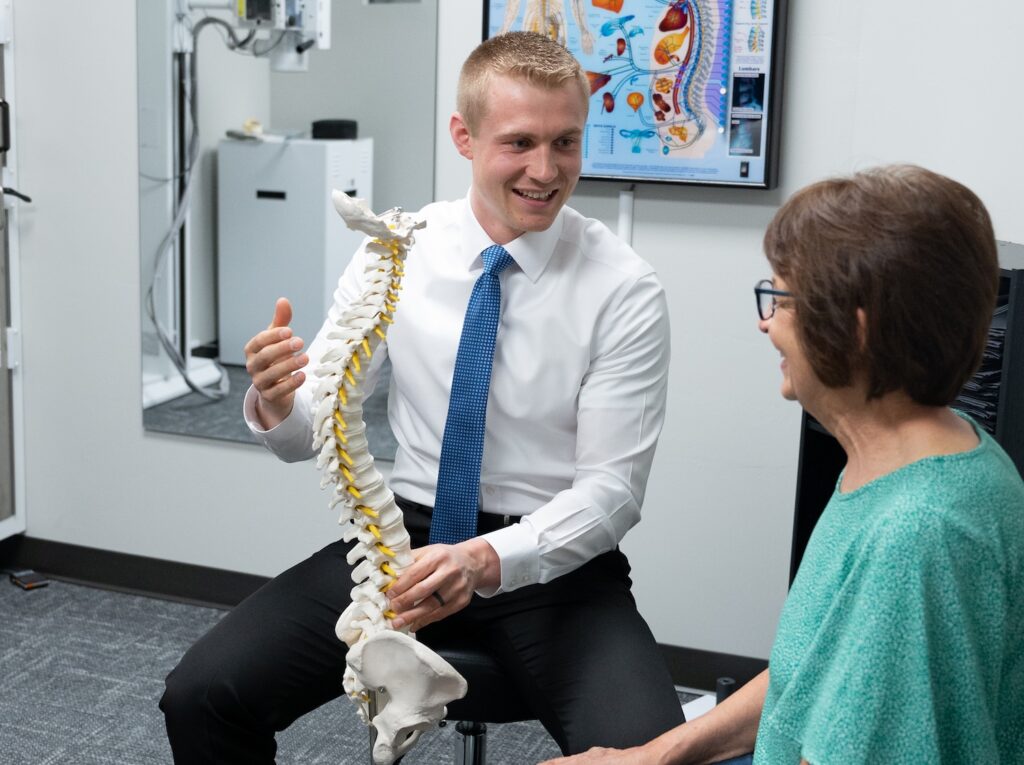
If you're navigating the complexities of ADHD with your child, it's crucial to explore effective avenues for relief from a holistic perspective. As a local chiropractor, I want to emphasize the importance of a comprehensive approach that includes structured routines, visual aids, and mindfulness techniques. These strategies can significantly enhance your child's daily experience.
While these methods may seem simple, understanding their interconnectedness can provide a deeper level of support for your child. Chiropractic care focuses on optimizing the nervous system, which can play a vital role in managing ADHD symptoms. By aligning the spine and ensuring proper nerve function, we may help improve concentration and emotional regulation.
Curious about how to create a tailored approach that resonates with your child's unique needs? Let's delve into some practical insights that can pave the way for meaningful change in their life, combining chiropractic care with other supportive strategies for a more holistic healing experience.
Establish a Routine
Establishing a daily routine can significantly benefit children with ADHD, and as a local chiropractor, I see the positive impact that structure can have on overall well-being. When you create a consistent schedule, you provide not only physical benefits but also help reduce anxiety and enhance focus for your child.
Start by developing a straightforward daily plan that includes regular times for waking up, meals, homework, and bedtime. This predictability gives your child a sense of stability, making transitions smoother.
Involve your child in the routine-building process. Ask them about activities they enjoy and want to incorporate, whether it's time for play, reading, or engaging in hobbies. By doing so, they're more likely to connect with the routine and take ownership of their daily activities.
Remember, flexibility is key; if something isn't working, feel free to adjust the schedule as needed.
Be specific about each task in the routine. Instead of simply stating "homework time," identify which subjects or assignments your child will work on. Breaking down tasks into manageable steps can alleviate feelings of overwhelm.
It's equally important to balance structured activities with free time, allowing your child to unwind and recharge, which is essential for both mental and physical health.
Lastly, celebrate those small victories! When your child adheres to their routine, offer praise for their efforts. This encouragement reinforces positive behaviors and boosts their confidence.
Keep in mind that the goal isn't perfection but rather fostering an environment where your child can thrive. With a solid routine in place, you may notice improvements not only in their focus and mood but also in their overall behavior, which aligns with the holistic approach we advocate in chiropractic care and natural healing.
Use Visual Schedules
As a local chiropractor, I want to share how using visual schedules can greatly enhance your focus and help structure your daily routine, especially as you explore the benefits of chiropractic care and natural healing.
Visual schedules provide clear cues that remind you of what comes next in your day, making it easier to stay on track with your wellness goals.
Incorporating visual schedules into your routine can help you prioritize your chiropractic appointments, exercises, and self-care practices.
This visual guide allows for some flexibility when unexpected changes arise, helping you adapt without feeling overwhelmed.
Visual Cues Enhance Focus
Visual schedules can be incredibly beneficial for children with ADHD, as they help enhance focus and organization throughout the day. As a local chiropractor, I often see how a structured environment can positively impact overall well-being. By incorporating visual cues, such as colorful charts or images that represent daily tasks, you create an engaging atmosphere that supports your child's ability to process and remember their responsibilities.
When children have a visual representation of what they need to accomplish, they can anticipate changes more effectively and understand the flow of their day. For example, if a picture of a book indicates it's time to read, your child will mentally prepare for that transition. To further support this, using timers alongside visual schedules can signal when it's time to shift focus, making transitions smoother.
Additionally, these visual aids can boost your child's confidence. As they check off completed tasks, they experience a sense of accomplishment that can positively influence their overall mood and motivation.
Keeping visuals simple and consistent is key, and involving your child in their creation fosters a sense of ownership and investment in their routine. Ultimately, utilizing visual cues not only enhances focus but also aids in navigating daily activities with greater ease, contributing to a holistic approach to health and wellness.
Daily Routine Structure
A structured daily routine can significantly enhance focus and productivity, especially for children with ADHD, and this principle can also extend to our overall health and well-being.
Just like creating a predictable schedule for kids helps them navigate their day, establishing a consistent routine in your health practices can lead to better physical and mental wellness.
Incorporating chiropractic care into your daily routine can provide a strong foundation for your overall health. Visualizing your health schedule can be beneficial; consider creating a chart that includes regular chiropractic adjustments, exercise, healthy meals, and relaxation time.
Place this chart in a visible area of your home as a constant reminder of your commitment to wellness.
Time blocks for each activity can also be advantageous. Allocate specific times for chiropractic visits, physical activity, and self-care. This not only aids in time management but also helps you transition smoothly between different aspects of your health routine.
When you complete a task, like attending a chiropractic session or preparing a nutritious meal, acknowledge your accomplishment, reinforcing positive habits.
While it's important to maintain consistency in your health routine, be open to making adjustments as your needs evolve.
Over time, a structured approach to your health won't only improve your focus and productivity but also foster a greater sense of responsibility and independence in managing your well-being.
Embracing chiropractic care as part of this routine can lead to enhanced vitality and a more balanced life.
Flexibility for Changes
As a local chiropractor, I understand that life can often throw unexpected challenges our way. This is especially true for families with children, including those who may have attention challenges like ADHD. While having a structured routine is vital for overall well-being, incorporating flexibility into your child's day can be equally important for their development and mental health.
One effective method to promote this flexibility is through visual schedules. These schedules can help your child visualize their daily activities and understand any potential changes in a simple and engaging way. By using pictures or icons to represent different tasks, your child can easily grasp what's next on their list.
When changes occur, you can refer back to the visual schedule together and show them how to adapt. This not only enhances their ability to adjust but also helps to lessen any anxiety they may feel about disruptions.
It's also essential to encourage your child to share their feelings about these changes. Open discussions about their emotions can provide them with a sense of control and help them manage when things don't go as expected. Reinforce the idea that it's perfectly acceptable to occasionally stray from the set schedule.
By nurturing flexibility and utilizing visual aids, you empower your child to face life's unpredictability with confidence and resilience.
As a chiropractor, I believe that holistic approaches to health, including emotional well-being, can significantly benefit your child. By fostering adaptability, you're not only supporting their physical health but also their mental and emotional development.
Break Tasks Into Steps
Breaking down tasks into manageable steps can significantly benefit individuals, especially children with ADHD, by reducing overwhelm and improving focus. As a chiropractor, I often see how these principles can apply not only to daily tasks but also to the journey of healing and wellness. Here are some strategies to consider:
- Set Clear Objectives: Just as we define treatment goals for your health, it's essential to outline specific objectives for each step in your wellness journey. This clarity helps you understand what to expect during each session and throughout your healing process.
- Use Visual Aids: Visual tools, like charts or diagrams, can be incredibly helpful in tracking your progress. For instance, we might use a spinal health chart to illustrate improvements in alignment or mobility, making your journey feel more tangible and less daunting.
- Celebrate Small Wins: Acknowledging and celebrating progress—whether it's improved posture, reduced pain, or increased range of motion—can greatly boost your confidence and motivation. Each small step you take towards better health is worth celebrating.
When you approach your health and wellness journey in this structured way, you can cultivate a sense of accomplishment. Start by identifying a health goal that seems overwhelming.
Together, we can break it down into smaller, actionable steps. For example, instead of saying, "Improve my overall health," we might say, "Attend my chiropractic appointment," followed by, "Incorporate daily stretches," and then, "Maintain a balanced diet."
Incorporate Physical Activity
As a local chiropractor, I want to share how incorporating physical activity into your child's daily routine can significantly enhance their overall well-being, particularly in managing symptoms associated with ADHD.
Regular exercise isn't just beneficial for physical health; it plays a crucial role in improving mood, sharpening focus, and releasing excess energy—elements that are vital for children with ADHD.
It's important to engage your child in activities they genuinely enjoy. This increases the likelihood that they'll stick with it. Whether it's running, swimming, playing soccer, or even dancing, allowing them to choose what excites them is key to fostering a consistent routine.
I recommend aiming for at least 30 minutes of physical activity on most days. If that seems daunting, break it down into shorter sessions—two 15-minute bursts of activity can be just as effective. This approach caters to your child's attention span while still delivering the benefits of exercise.
Integrating physical activity into daily routines can be quite simple. For instance, walking or biking to school, if safe, or opting for the stairs over the elevator can easily add movement into their day.
Consider planning weekend family hikes or playing catch at the park; these activities not only promote an active lifestyle but also strengthen family bonds. You might also want to explore team sports or dance classes, which provide structure and social interaction—both of which can be beneficial for children with ADHD.
Celebrating your child's achievements, no matter how small, is crucial. Positive reinforcement encourages them to stay active and engaged.
By making physical activity a regular part of their lives, you aren't only helping to alleviate ADHD symptoms but also fostering healthy habits that can last a lifetime.
As a chiropractor, I believe that a holistic approach to health, which includes physical activity, can significantly improve your child's quality of life.
Practice Mindfulness Techniques
As a chiropractor, I want to share with you how practicing mindfulness techniques can be incredibly beneficial for managing symptoms associated with ADHD.
Incorporating simple methods such as breathing exercises, guided imagery, and body awareness practices can help you maintain focus and cultivate a sense of calm in your daily life.
These techniques not only enhance your mental well-being but can also complement the natural healing approaches we utilize in chiropractic care.
Breathing Exercises Benefits
As a local chiropractor, I want to share with you the incredible benefits of breathing exercises, especially for children with ADHD. These techniques can serve as a valuable complement to chiropractic care, helping young ones harness focus and calm their minds.
Incorporating breathing exercises into their daily routine can assist in managing feelings of overwhelm and distractions. Here are some key advantages of these practices:
- Improved Focus: Regular engagement in breathing exercises can enhance concentration, making it easier for children to complete tasks effectively.
- Reduced Anxiety: Deep breathing is a natural way to lower stress levels, fostering a sense of calm in challenging situations, which is vital for overall well-being.
- Enhanced Emotional Regulation: Utilizing breathing techniques can support emotional management, empowering your child to respond thoughtfully rather than react impulsively.
To introduce these exercises, find a quiet and comfortable space for your child. Encourage them to close their eyes and take a deep breath in through their nose, holding it for a brief moment before slowly exhaling through their mouth.
Repeat this process several times, guiding them to focus on the rhythm of their breath. With practice, these exercises can become a powerful tool in their toolkit, promoting greater control and mindfulness in their daily lives.
Guided Imagery Techniques
How can guided imagery techniques support children with ADHD? These techniques provide a way for kids to visualize soothing scenes, which can help alleviate anxiety and enhance concentration. By tapping into their imagination, they can momentarily escape distractions and immerse themselves in a tranquil environment, such as a beach or a serene forest. This mental retreat assists them in regaining control over their thoughts and emotions.
To incorporate guided imagery into your child's routine, start by finding a quiet space where they feel at ease. Encourage them to close their eyes and take deep, calming breaths. Then, guide them through a vivid mental journey, prompting them to visualize the colors, sounds, and scents associated with their chosen scene. The more vivid the details they incorporate, the more beneficial the exercise will be.
You might also consider using recordings or apps specifically designed for guided imagery, which can enhance the experience for your child. Encourage them to utilize these techniques during stressful moments or when they feel overwhelmed.
With consistent practice, guided imagery can empower them to manage their emotions and improve focus. Ultimately, this approach helps children with ADHD cultivate mindfulness and develop effective strategies for navigating their daily challenges.
As a chiropractor, I advocate for natural healing methods that can complement traditional care. Techniques like guided imagery can play a valuable role in a holistic approach to well-being for children, fostering both mental and emotional resilience.
Body Awareness Practices
As a local chiropractor, I want to share how body awareness practices can significantly benefit children with ADHD. These techniques help individuals connect with their physical sensations and emotions, fostering a deeper understanding of their bodies. By incorporating these practices, you may notice improvements in focus and reductions in anxiety.
Here are some mindfulness techniques I recommend:
- Deep Breathing: This simple yet effective technique involves taking slow, deep breaths to calm your mind and body. Inhale deeply through your nose, hold briefly, and then exhale gently through your mouth. This practice can help regulate your nervous system and promote relaxation.
- Body Scans: Find a comfortable position, either lying down or sitting. Close your eyes and conduct a mental check-in with each part of your body, paying attention to areas of tension or discomfort. This heightened awareness can help you identify stress points that may benefit from chiropractic adjustments.
- Movement Exercises: Activities like yoga or tai chi are excellent for promoting body awareness. These practices encourage mindfulness in motion, helping individuals feel more grounded in their bodies while also improving flexibility and strength.
Integrating these body awareness practices into your daily routine can support emotional regulation and enhance overall well-being.
You'll begin to recognize how your feelings and physical sensations interact, leading to increased self-awareness and better control over your responses. By dedicating just a few minutes each day to these techniques, you can empower yourself or your child and manage ADHD symptoms more effectively.
As a chiropractor, I'm here to support you on this journey toward natural healing and wellness.
Limit Distractions
As a chiropractor, I understand how essential it's to limit distractions, especially for children with ADHD, to help them thrive in their daily activities. Distractions can significantly derail focus and make it difficult to complete tasks, which is where a holistic approach to health and wellness comes into play.
To foster an environment conducive to concentration, I recommend creating a dedicated workspace for your child. This space should be free from noise and clutter—think of it as a sanctuary for focus. A quiet room or corner can make a world of difference in helping them concentrate without interruptions.
Incorporating visual aids can also be beneficial. Tools like countdown timers or progress charts not only help children stay on track but also provide visual reinforcement of their accomplishments. Additionally, managing screen time is crucial, as digital devices often pull attention away from important tasks such as homework or chores.
Encouraging regular breaks is vital too. Just as the body needs time to recover from physical stress, the mind also benefits from brief pauses during work to recharge and maintain focus.
Establishing a consistent routine can further minimize distractions. By setting specific times for homework, chores, and relaxation, children can better anticipate their day, making it easier for them to concentrate. Clear communication of these routines is key, and consistency helps reinforce them.
I also advise parents to help their children recognize their distractions. Understanding what diverts their attention—be it noise, clutter, or wandering thoughts—empowers them to develop strategies to manage these distractions effectively.
Finally, involve your child in this process. Ask them for their input on what helps them focus and what doesn't. By empowering them to take an active role in managing their distractions, you instill a sense of control, encouraging responsibility for their focus.
Encourage Healthy Sleep Habits
As a local chiropractor, I often see the impact that healthy sleep habits can have on overall wellness, especially for children with ADHD. Establishing a consistent bedtime routine is crucial not only for promoting better sleep but also for supporting their physical health.
A structured routine signals to your child that it's time to transition from the day's activities to a restful night's sleep, which is essential for their growth and development.
Here are some practical tips to encourage healthy sleep habits:
- Set a consistent bedtime: Aim for the same sleep schedule every night, including weekends. This regularity helps regulate your child's internal clock, which can enhance their overall health and well-being.
- Create a calming bedtime environment: Transform their bedroom into a peaceful sanctuary. Dimming the lights, maintaining a cool room temperature, and minimizing noise can create a conducive space for relaxation and restorative sleep.
- Limit screen time before bed: Encourage your child to disconnect from electronic devices at least an hour before bedtime. The blue light emitted by screens can disrupt melatonin production and hinder their ability to fall asleep, affecting their health and focus.
By incorporating these strategies, you can help your child develop healthier sleep patterns, which in turn supports their physical and mental wellness.
If you're interested in learning more about how chiropractic care can complement these habits, feel free to reach out for more information!
Provide Positive Reinforcement
As a local chiropractor, I want to share how providing positive reinforcement can't only benefit your child's self-esteem and motivation but also enhance their overall well-being. Just like how we recognize improvements in spinal health or mobility, acknowledging your child's efforts and achievements, no matter how small, creates a nurturing environment that encourages them to thrive, especially for children with ADHD.
Pay attention to the little victories. Did they complete their homework on time or help tidy up? A heartfelt "I'm proud of you for taking initiative!" can significantly impact their confidence. Just as we use adjustments to align the body, using rewards like stickers or extra playtime can motivate them to reach specific goals. This not only reinforces positive behavior but also adds an element of fun to their accomplishments.
Consistency is crucial in both chiropractic care and parenting. When you praise your child immediately after they achieve something, it helps them make a strong connection between their actions and your acknowledgment. This immediate feedback is akin to the adjustments I provide, which help patients feel the benefits right away.
Create a system that suits your family, whether it's a chart tracking accomplishments or verbal praises during family time, to reinforce this positive behavior continuously. Incorporating these practices into your family life can foster a supportive atmosphere that promotes mental and physical well-being, just as chiropractic care supports a healthy lifestyle.
Foster Open Communication
To help patients feel understood and informed, I encourage open discussions about your health concerns and treatment options.
Practicing active listening allows me to truly value your perspective, which can strengthen our practitioner-patient relationship. Open communication makes it easier for us to address any challenges you may face on your journey to wellness together.
Whether it's discussing your symptoms or exploring natural healing methods, your input is crucial in creating an effective chiropractic care plan.
Encourage Honest Conversations
Encouraging honest conversations about health and wellness can significantly impact your overall well-being, especially for children with ADHD. As a chiropractor, I believe that fostering an open dialogue helps families understand the role of chiropractic care and natural healing in managing various conditions.
Here are a few strategies to promote these conversations:
- Be approachable: Make sure your child knows that you're here to listen without any judgment. This applies not only to their feelings but also to their experiences with their health.
- Ask open-ended questions: Encourage your child to share more about their health by asking questions that invite detailed responses. This helps them articulate how they feel about their body and any discomfort they might be experiencing.
- Validate their feelings: Acknowledge your child's emotions regarding their health and well-being. It's important for them to know that it's okay to express how they feel about their body and any challenges they face.
Practice Active Listening
Active listening is a crucial component in creating a supportive environment for patients, particularly those who may be new to chiropractic care and natural healing. By practicing active listening, you can establish a welcoming atmosphere where patients feel heard and respected.
Begin by making eye contact and giving your full attention to them. Set aside distractions, such as your phone or any other interruptions, to demonstrate that you're genuinely invested in their concerns and questions.
Encourage patients to share their thoughts and feelings about their health without interruption. This validation is essential in building their confidence, making them more likely to open up about their experiences and health goals.
You can enhance this interaction by paraphrasing what they've expressed or asking clarifying questions, which not only shows your engagement but also helps them articulate their thoughts more effectively.
Be attentive to your body language as well. Simple gestures like nodding or leaning slightly forward can communicate your interest and commitment to the conversation.
It's important to be patient, especially when patients may find it challenging to express their feelings or health concerns. Through active listening, you can foster a strong therapeutic relationship that encourages healing and wellness.
Seek Professional Support
When it comes to addressing the challenges associated with ADHD, exploring chiropractic care can offer a unique and holistic approach that may greatly benefit your child's well-being.
It's essential to understand that you don't have to face this journey by yourself. Chiropractors can provide valuable insights and natural strategies that are tailored to your child's specific needs.
Here are some important reasons to consider chiropractic care:
- Holistic Assessment: A chiropractor can evaluate your child's overall health and well-being, looking for any physical misalignments or stressors that may be contributing to their symptoms. This comprehensive approach helps determine if chiropractic care can play a role in managing ADHD or if other issues need to be addressed.
- Tailored Treatment Plans: With expert guidance, chiropractors can design a treatment plan that may incorporate spinal adjustments, lifestyle modifications, and nutritional advice, all aimed at supporting your child's unique challenges. This personalized care can help improve their overall function and quality of life.
- Continuous Support: Chiropractic care provides ongoing support as your child grows and changes. Regular visits allow for adjustments to the treatment plan, ensuring it remains effective as your child's needs evolve.
By engaging with a chiropractor, you not only gain knowledge and tools for managing ADHD but also create a nurturing environment for your child.
They may benefit from improved focus, better emotional regulation, and enhanced overall health, all of which chiropractic care can help facilitate.
Conclusion
As a local chiropractor, I want to share some insights on how you can support children with ADHD through natural healing methods. By incorporating routines and visual aids, you can help create a structured environment that promotes focus and well-being. Encouraging physical activity is also essential, as it can significantly aid in managing ADHD symptoms.
Mindfulness practices are another effective tool; they can help children develop better self-awareness and emotional regulation. Open communication with your child is crucial, as it allows them to express their feelings and challenges.
With a patient approach and positive reinforcement, you can empower your child to thrive. Remember, seeking professional support is always an option, whether through chiropractic care or other avenues. Every step you take in understanding and addressing their needs contributes to their overall success and well-being. Together, we can create a supportive environment that fosters growth and resilience.