
If you're experiencing lower back pain, know that you're not alone, and I'm here to guide you through your options. As a local chiropractor, I want to share effective treatments that can help relieve your discomfort while also fostering long-term wellness. Many patients are surprised by the range of methods available, from chiropractic adjustments to holistic mindfulness techniques. Each approach has its unique benefits, and I believe that finding the right treatment for you can significantly improve your quality of life. Let's dive into these top ten treatments and discover how chiropractic care, along with other natural healing methods, can ease your pain and support your journey to better health.
Physical Therapy
When it comes to alleviating lower back pain, chiropractic care can be a transformative option. As a local chiropractor, I want to emphasize how working with a knowledgeable practitioner can help you restore strength, flexibility, and mobility in your body.
We start by assessing your individual condition to create a personalized treatment plan that focuses on the alignment and function of your spine and the surrounding muscles.
During your visits, you can expect to engage in various techniques, including adjustments and rehabilitative exercises. These methods not only help relieve pain but also improve your posture, which is essential for preventing future discomfort.
I'll also guide you on proper body mechanics so that you can perform everyday activities without putting undue stress on your back.
In addition to spinal adjustments, you may experience hands-on therapies where I manipulate and mobilize your spine and soft tissues. This manual approach can significantly reduce tension and enhance your range of motion.
Depending on your needs, I might also use modalities like heat, cold, or electrical stimulation to further alleviate your discomfort.
Consistency with your chiropractic care is crucial. Following the home exercises I provide will reinforce the techniques you learn during our sessions.
Over time, you should see improvements in both your pain levels and overall functionality. Ultimately, chiropractic care empowers you to take charge of your lower back health, giving you the tools to manage and prevent pain more effectively.
Embrace this opportunity for natural healing, and you'll be on your way to feeling better in no time.
Chiropractic Adjustments
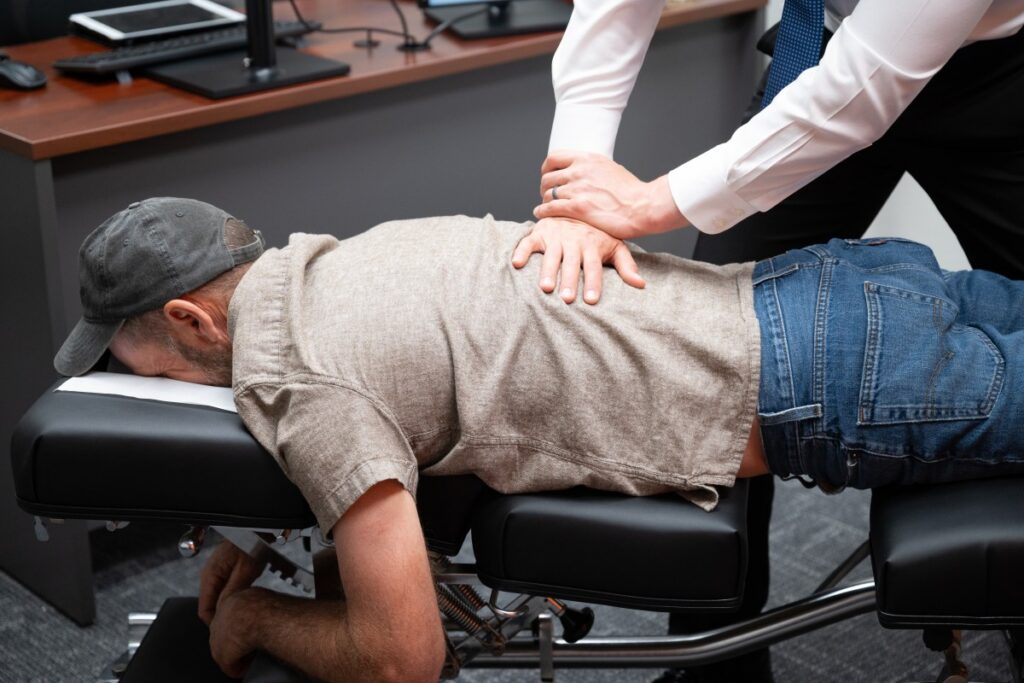
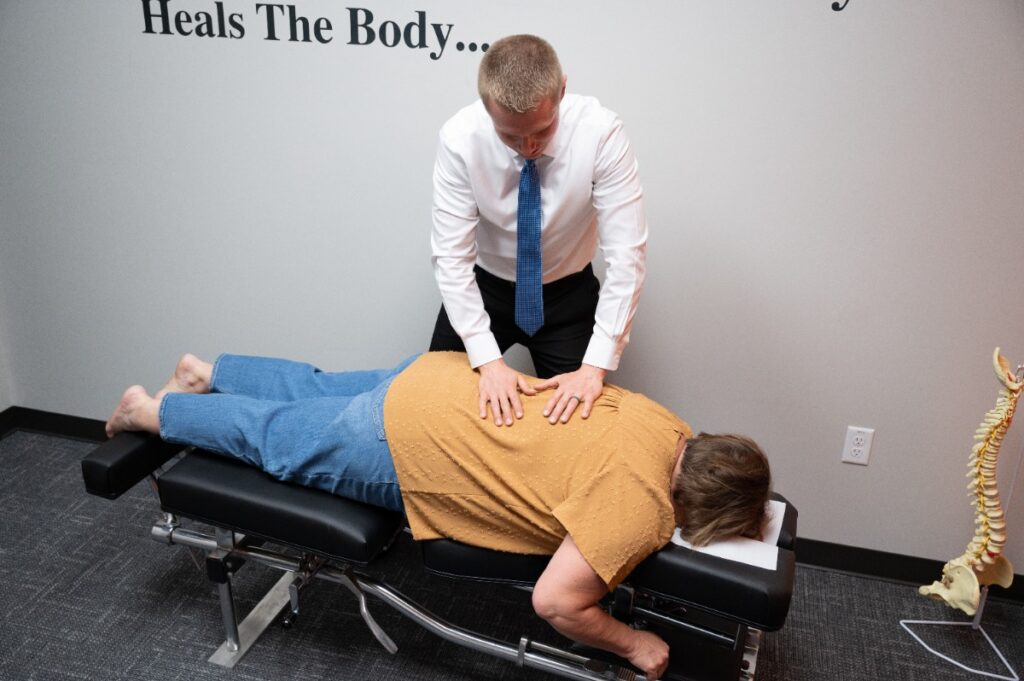
As a local chiropractor, I want to help you understand how chiropractic adjustments can provide relief for your lower back pain. Our approach focuses on realigning your spine and enhancing your body's overall function.
When you come in for a visit, I'll conduct a thorough assessment of your spine to identify any misalignments or subluxations that may be contributing to your discomfort. Using gentle, specific techniques, I'll manipulate your spine to restore proper alignment and reduce any nerve irritation that might be causing your pain.
Many of my patients experience immediate relief from lower back pain after their adjustments. These adjustments not only help improve your range of motion but also enhance blood flow and promote the healing process. As your spine becomes better aligned, you may notice improvements in your posture, which can reduce further strain on your back.
I believe in providing personalized treatment plans tailored to your individual needs. This may involve a series of adjustments over several weeks, allowing your body the time it needs to adapt and heal effectively.
Additionally, I often recommend exercises or lifestyle changes that can support your recovery and help prevent future episodes of pain. Open communication is key in our partnership. I encourage you to share your pain levels and any concerns you might have, as this collaboration can significantly enhance the effectiveness of your treatment.
Massage Therapy
As a local chiropractor, I want to share with you how massage therapy can significantly aid in relieving lower back pain.
This natural healing approach employs various techniques that focus on alleviating muscle tension and promoting relaxation, ultimately leading to a more comfortable state.
By incorporating regular massage therapy sessions into your wellness routine, you can experience not only relief from pain but also enhanced overall well-being.
It's an excellent complement to chiropractic care, working in harmony to keep discomfort at bay and support your body's natural healing processes.
Techniques for Pain Relief
As a local chiropractor, I want to share some insights on how to find relief from lower back pain through natural healing techniques, including the benefits of massage therapy. Many of my patients have found that the soothing touch of a skilled massage therapist can make a world of difference when dealing with tension in their lower back.
Massage therapy techniques, such as Swedish massage, are designed to relax tight muscles and improve blood circulation, which is essential for healing. For those suffering from chronic pain, deep tissue massage can be particularly effective, as it targets the deeper layers of muscle and connective tissue.
Another approach that complements chiropractic care is trigger point therapy. This technique focuses on specific areas of tightness, helping to release the knots that often contribute to discomfort. Myofascial release is another effective method, applying gentle pressure to the fascia surrounding your muscles, which can promote better movement and significantly reduce pain.
Incorporating stretching techniques during your massage can also enhance your overall relief. It's important to communicate with your therapist about the areas where you're experiencing pain; they can adjust their methods to ensure your comfort while effectively addressing your discomfort.
Regular massage sessions can provide cumulative benefits, aiding in pain relief and improving your mobility over time. I also recommend considering a holistic approach by pairing massage therapy with other natural pain relief methods, such as heat therapy or gentle exercises.
Benefits of Regular Massage
As a local chiropractor, I want to emphasize the remarkable benefits of incorporating regular massage therapy into your wellness routine, particularly for enhancing your overall health and supporting your lower back.
While many people associate massage with relaxation, it's important to understand that it also plays a crucial role in alleviating pain and tension in your muscles. When you commit to consistent massage sessions, you may experience a notable decrease in lower back discomfort.
Massage therapy is effective in improving blood circulation, which ensures that essential nutrients are delivered to your muscles and tissues. This enhanced blood flow not only promotes healing but can also facilitate a quicker recovery from injuries that might be affecting your lower back.
Furthermore, the manipulation of soft tissues helps to release accumulated tension, allowing for greater freedom of movement and increased comfort.
You may also discover that regular massage can significantly reduce stress and anxiety levels. Lowering your stress response can positively influence your perception of pain, making it more manageable.
Additionally, the skilled touch of a massage therapist can help you feel more in tune with your body, fostering an overall sense of well-being and relaxation.
Incorporating massage therapy alongside chiropractic care can also encourage improved posture and alignment. As your muscles relax and strengthen, you may notice enhanced balance and stability, which are essential for maintaining a healthy lower back.
I encourage you to consider the powerful combination of chiropractic adjustments and regular massage therapy as a natural approach to achieving optimal health and wellness.
Together, they can help you lead a more active and pain-free life.
Heat and Cold Therapy
As a local chiropractor, I'd like to share some valuable insights on managing lower back pain through heat and cold therapy, which can be effective natural healing tools. Many patients are unaware of the benefits these therapies offer, but understanding how and when to use them can significantly enhance your recovery and improve mobility.
Heat therapy is beneficial because it increases blood flow to the affected area, which helps to relax tight muscles and alleviate pain. You might prefer using a heating pad, a hot water bottle, or even indulging in a warm bath. Just be cautious to ensure the heat is comfortable and not too intense to prevent burns.
Generally, applying heat for about 15-20 minutes can lead to a noticeable reduction in pain levels.
Conversely, cold therapy is excellent for minimizing inflammation and numbing sharp pain. Applying ice packs or cold compresses to your lower back for approximately 15-20 minutes can be particularly effective, especially after activities that may exacerbate your discomfort.
Always remember to wrap the ice packs in a cloth to protect your skin.
Listening to your body is crucial when utilizing heat and cold therapy. If one method doesn't seem to alleviate your pain, don't hesitate to switch to the other.
In fact, combining both therapies can be quite advantageous; for instance, starting with cold treatment to tackle swelling, followed by heat to relax the muscles, can provide a comprehensive approach to pain management.
Take the time to experiment with these techniques and discover what resonates best with your body. By integrating these simple yet powerful therapies into your routine, you'll be well on your way to feeling better and improving your overall well-being.
Medications
Managing lower back pain is a common concern, and while many people think of medications first, I want to share the benefits of chiropractic care and natural healing methods that can also play a significant role in your treatment plan.
As a chiropractor, I focus on addressing the root causes of pain rather than just masking symptoms with medication. While over-the-counter options like nonsteroidal anti-inflammatory drugs (NSAIDs), such as ibuprofen and naproxen, can provide temporary relief, they don't address the underlying issues that may be contributing to your discomfort.
These medications can reduce inflammation, but they should be used cautiously and aren't a long-term solution. If you find that OTC medications aren't sufficient, it's essential to explore alternatives that align with a holistic approach to health.
Prescription NSAIDs or opioids may be options for severe pain, but they come with risks of dependence and side effects that can complicate your recovery. In cases where lower back pain is accompanied by muscle spasms, muscle relaxants can help. However, they often lead to drowsiness and other side effects, which can hinder your daily activities.
Instead, chiropractic adjustments can help restore proper alignment and function to your spine, reducing muscle tension and improving mobility without the need for medication. Topical analgesics, such as creams or patches with menthol or lidocaine, can provide localized relief but should be considered a temporary fix.
I encourage you to explore more natural options, such as chiropractic care, which aims to enhance your body's natural healing abilities. Don't overlook the potential benefits of dietary supplements as part of your healing journey.
Natural anti-inflammatories, like turmeric and omega-3 fatty acids, can support your overall health and may help alleviate pain. Always discuss any new supplements with your healthcare provider to ensure they're safe and suitable for your unique situation.
Exercise and Stretching
As a local chiropractor, I want to emphasize the importance of incorporating regular exercise and stretching into your daily routine, especially for those experiencing lower back pain. Engaging in specific exercises can significantly strengthen the muscles surrounding your spine and enhance your overall mobility. This not only helps alleviate discomfort but also plays a crucial role in preventing future issues.
I recommend starting with low-impact activities such as walking, swimming, or cycling. These exercises stimulate blood flow and can help reduce stiffness in your lower back. Aim for at least 30 minutes of these activities most days of the week. If you're new to exercising, it's essential to gradually increase your activity level to avoid any injuries.
In addition to aerobic workouts, stretching shouldn't be overlooked. Simple stretches can greatly improve your flexibility and relieve tension in your lower back. Focus on stretches that target the hamstrings, hip flexors, and the muscles in your lower back. One effective stretch is the knee-to-chest stretch: lie on your back, gently pull one knee toward your chest, hold for a few seconds, and then switch to the other side.
Additionally, consider incorporating practices like yoga or Pilates into your routine. These disciplines emphasize controlled movements and stretches, which promote balance and core strength. A strong core is essential as it supports your spine and helps reduce strain on your lower back.
Always pay attention to your body's signals. If you find that a specific exercise worsens your pain, it's important to stop and consult with a healthcare professional.
Acupuncture
As a local chiropractor, I want to introduce you to the potential benefits of exploring alternative therapies, particularly acupuncture, for relief from lower back pain. This ancient Chinese practice involves the insertion of thin needles into specific points on the body, with the goal of balancing energy flow and promoting natural healing. Many of my patients have reported significant pain relief after just a few sessions.
When you choose to see an acupuncturist, they'll evaluate your condition and develop a tailored treatment plan that complements your chiropractic care. During your appointment, you'll lie comfortably while the practitioner gently places the needles. Most individuals experience minimal discomfort, often just a slight prick or tingling sensation. The needles typically remain in place for 20 to 30 minutes, allowing your body to fully benefit from the treatment.
Research has shown that acupuncture can effectively alleviate lower back pain by releasing endorphins—your body's natural painkillers. It may also help reduce inflammation and improve circulation, which promotes faster healing.
It's important to keep in mind that results can vary from person to person, so patience is key as you explore this option. If you've tried various methods for pain relief without success, I encourage you to consider integrating acupuncture into your overall pain management plan.
It's crucial, however, to consult with your healthcare provider before starting any new treatment to ensure it aligns with your individual needs. With consistent sessions, acupuncture could provide the relief you've been searching for, enhance your quality of life, and aid in regaining mobility.
Mindfulness and Relaxation
As a local chiropractor, I want to emphasize the importance of mindfulness and relaxation techniques in managing lower back pain.
Many of my patients may not be aware, but practices such as breathing exercises and guided meditation can significantly impact both mental and physical well-being.
These techniques help to calm the mind, which in turn can reduce physical tension in your body.
By integrating mindfulness into your daily routine, you may experience enhanced relief from pain and a greater sense of overall wellness.
Breathing Techniques
As a chiropractor dedicated to helping my patients find relief from discomfort, I want to share with you how breathing techniques can be a powerful tool in alleviating lower back pain. By promoting relaxation and mindfulness, these techniques can significantly ease tension in your body. When you concentrate on your breathing, you enable your body to release built-up stress, which often leads to a noticeable reduction in pain.
To get started, find a comfortable position—whether it's sitting upright or lying down. Close your eyes and take a deep breath in through your nose, allowing your abdomen to fully expand. Hold that breath for a moment before exhaling slowly through your mouth. This simple exercise not only calms your nervous system but also encourages your muscles to relax, which is crucial for addressing back pain.
As you breathe, I encourage you to visualize your breath gently flowing to the areas of your back that are tense or painful. With each exhale, picture that discomfort melting away. You might also find it helpful to incorporate a counting method into your breathing. For example, inhale for a count of four, hold for four, and then exhale for six. This technique effectively distracts your mind from pain while training your body to respond to stress with relaxation.
By dedicating just a few minutes each day to practicing these breathing techniques, you can manage your lower back pain more effectively. Remember, the more you practice, the easier it will become to tap into that sense of calm when pain arises.
As your chiropractor, I'm here to support you on your journey to natural healing and overall wellness.
Guided Meditation
As a local chiropractor, I want to share with you the benefits of guided meditation as a complementary approach to managing lower back pain. This practice can be a powerful tool for achieving mindfulness and relaxation, particularly for those experiencing discomfort in the lumbar region. By directing your focus inward and releasing tension, you can create a soothing environment that not only alleviates pain but also aids in the healing process.
To begin, I recommend finding a comfortable and quiet space where you can be undisturbed. You might consider using a guided meditation app or an online video designed specifically for relaxation. Once you're settled, shift your attention to your breath—take deep, intentional inhales and slow, calming exhales. Allow the guided voice to gently lead you through a journey of relaxation, paying special attention to your lower back and envisioning it letting go of tension.
As you engage in this practice, you'll likely observe a shift in your mental state—from stress to tranquility. Not only can this help reduce pain, but it also equips you with the ability to respond more calmly to discomfort in your daily life.
Regularly incorporating guided meditation into your wellness routine can significantly enhance your overall well-being, making it easier to navigate your everyday challenges.
I encourage you to embrace guided meditation as an integral part of your journey towards managing lower back pain. By doing so, you may discover it becomes a vital component of a more relaxed and mindful lifestyle, supporting the natural healing processes of your body.
Ergonomic Modifications
As a local chiropractor, I want to share with you some important ergonomic modifications that can significantly help alleviate lower back pain. Many people may not realize how their workspace environment can influence their posture and overall spinal health. By making a few adjustments, you can reduce strain on your back and promote better alignment.
First, let's talk about your chair. It's crucial to choose one that supports the natural curve of your spine. Ideally, your feet should rest flat on the ground. If your chair isn't adjustable, you might consider using a cushion or a footrest to achieve the proper height. This small change can make a big difference in your comfort levels.
Next, assess the height of your desk. When you're sitting and typing, your elbows should form a 90-degree angle and stay close to your body. Position your monitor at eye level to prevent leaning forward, which can place unnecessary strain on both your back and neck. If you primarily use a laptop, consider investing in a stand or an external monitor to achieve better alignment.
Remember to pay attention to your keyboard and mouse as well. They should be easily accessible, allowing your wrists to remain straight while you work. Incorporating a wrist rest can also enhance your comfort and help prevent strain during extended use.
In addition to these ergonomic changes, it's vital to take regular breaks. I recommend standing up, stretching, and walking around every hour. This movement not only helps to relieve tension but also promotes better circulation, which is essential for your overall health.
Lastly, I encourage you to be mindful of your posture throughout the day. Keep your shoulders relaxed and avoid slouching.
Surgical Options
If you've been struggling with lower back pain and other methods haven't provided relief, it's important to explore all of your options, including surgical interventions.
However, before considering surgery, I encourage you to learn about chiropractic care as a natural healing approach.
Chiropractic techniques focus on aligning the spine and improving overall function, which can significantly alleviate pain and enhance mobility without the need for invasive procedures.
Our goal is to help you regain your quality of life through gentle adjustments, strengthening exercises, and lifestyle modifications.
Let's discuss how chiropractic care can be a beneficial alternative or complement to surgical options, empowering you to take control of your health and well-being.
Spinal Fusion Surgery
As a local chiropractor, I want to help you understand spinal fusion surgery and its implications, especially if you're struggling with lower back pain. While this surgery may be considered when conservative treatments, like chiropractic care, don't provide the relief you need, it's essential to explore all your options.
Let's break down some key points to consider:
1. Indications: Spinal fusion is generally recommended for conditions such as herniated discs, degenerative disc disease, or spinal instability. However, many of these issues can often be addressed through non-invasive methods like chiropractic adjustments, which aim to restore proper spinal alignment and function.
2. Procedure Overview: During spinal fusion surgery, a surgeon removes the damaged disc or bone and uses grafts to fuse the affected vertebrae. This procedure may involve various techniques, including traditional open surgery or minimally invasive approaches.
While surgery can provide immediate stabilization, it's important to note that chiropractic care offers a more holistic approach that focuses on healing the body naturally without invasive procedures.
3. Recovery Time: After a spinal fusion, recovery can take several months, requiring adherence to a rehabilitation program. In contrast, chiropractic care often allows for quicker recovery and ongoing support as you regain strength and mobility through tailored adjustments and therapies.
4. Risks and Complications: Like all surgeries, spinal fusion carries risks, including infection, blood clots, and nerve damage. It's crucial to weigh these risks against the benefits of alternative treatments like chiropractic care, which can help alleviate pain and improve spinal health without the need for surgery.
If you're considering spinal fusion, I encourage you to explore the potential benefits of chiropractic care and how it may fit into your overall treatment plan for lower back pain.
Feel free to reach out for a consultation, where we can discuss personalized strategies for improving your spine health and enhancing your quality of life naturally.
Discectomy Procedure Benefits
When it comes to lower back pain caused by a herniated disc, many people may not be aware of the benefits of exploring non-surgical options like chiropractic care before considering a discectomy. While a discectomy can provide relief by removing the portion of the disc pressing on the spinal nerves, it's essential to understand that there are natural healing methods available that may help alleviate your discomfort as well.
Chiropractic care focuses on correcting misalignments in the spine and improving overall body function. By utilizing gentle adjustments, we can help relieve pressure on the nerves, which may lead to a reduction in pain, enhanced mobility, and an improved quality of life. Many patients find that with consistent chiropractic treatment, they experience significant relief without the need for invasive procedures.
One of the great advantages of chiropractic care is that it's non-invasive. It involves no incisions or lengthy recovery times. Instead, patients often notice improvements in their condition after just a few sessions. This means you can get back to your normal activities more quickly, without the stress of surgery.
Additionally, many individuals report an immediate sense of relief following chiropractic adjustments, as nerve pressure is alleviated. This can lead to better sleep, increased energy levels, and the ability to engage in daily tasks without the constant distraction of pain.
Chiropractic care also has a strong track record of success in treating lower back pain and related conditions. If you're considering your options for managing your discomfort, I encourage you to explore the benefits of chiropractic treatment. It could be a vital step on your path to recovery and a healthier, pain-free life.
Conclusion
As a local chiropractor, I want to emphasize how important it is to find the right treatment for lower back pain to improve your overall quality of life. Chiropractic adjustments can play a significant role in alleviating discomfort and restoring proper function to your spine. Alongside chiropractic care, I encourage you to consider physical therapy and mindfulness techniques—each of these approaches has its own unique advantages.
Additionally, making ergonomic modifications in your workspace can help prevent further issues, and exploring alternative therapies like acupuncture can complement your treatment plan. It's essential to consult with a healthcare professional—like myself—to create a personalized plan that addresses your specific needs. With the right chiropractic care and a holistic approach, you can regain control over your life and work towards a pain-free existence.