
If you're experiencing persistent upper back pain, you're not alone, and it's important to understand that you don't have to endure it quietly. As a local chiropractor, I want to share with you some effective, natural techniques that can help alleviate your discomfort and enhance your overall well-being.
Many people are unaware that a combination of simple stretching exercises and ergonomic adjustments can significantly improve your condition. Each approach has its own unique benefits and can be easily integrated into your daily routine. You may be surprised at how quickly you can start feeling relief by making these small changes.
It's essential to find the right combination of these techniques that works for you, as individual needs can vary. By exploring these methods, you can take proactive steps towards better health and find solutions tailored to your specific situation. Let's delve into these techniques together and unlock the potential for a pain-free life.
Stretching Exercises
As a local chiropractor, I want to share some valuable insights on how stretching exercises can help alleviate upper back pain. Many patients come to me seeking relief from discomfort, and I often recommend specific stretches that not only enhance flexibility but also relieve tension and improve blood circulation in the affected areas.
One effective stretch I encourage is the cat-cow stretch. To perform this, start on all fours, ensuring your hands are placed directly under your shoulders and your knees under your hips. Inhale deeply as you arch your back, allowing your belly to drop towards the floor while lifting your gaze upwards. Then, exhale as you round your back, tucking your chin toward your chest. This flow can be repeated several times, and you'll likely feel the soothing stretch through your upper back.
Another excellent option is the seated twist. For this stretch, find a sturdy chair and sit with your feet flat on the ground. Place your right hand on the back of the chair for support, and gently twist your torso to the right. Hold this position for 10-15 seconds, and then switch sides. This stretch effectively targets the upper back and helps release tight muscles that contribute to discomfort.
Lastly, I often recommend the doorway stretch. Stand in an open doorway and place your arms on the door frame at shoulder height. Gently lean forward until you feel a pleasant stretch across your chest and upper back. Hold this position for 15-30 seconds to feel the benefits.
Incorporating these stretching exercises into your daily routine can significantly reduce upper back pain, making your everyday activities more comfortable and enjoyable.
Remember to listen to your body during these stretches, and if you experience any pain, it's essential to stop and consult with a healthcare professional. Natural healing through chiropractic care, including these stretches, can play a crucial role in your overall well-being.
Strengthening Workouts
As a local chiropractor, I want to emphasize the importance of strengthening workouts in alleviating upper back pain. Building muscle support and improving posture are fundamental aspects of maintaining a healthy spine.
When you strengthen the muscles in your upper back, you create a stable foundation that not only helps relieve discomfort but also reduces the risk of future injuries. Here are four effective exercises I recommend incorporating into your routine:
- Rows: Using resistance bands or weights, perform rows by pulling the handles towards your chest while keeping your elbows close to your body. This exercise specifically targets your upper back muscles, enhancing strength and stability.
- Supermans: Lie face down on a mat and extend your arms and legs. Lift your arms, chest, and legs off the ground simultaneously, engaging your back muscles. Hold this position for a few seconds before lowering yourself back down. This exercise strengthens your entire back and promotes overall spinal health.
- Face Pulls: With a resistance band anchored at shoulder height, pull the band towards your face, ensuring your elbows remain elevated. This movement is excellent for strengthening the upper back and rear shoulders, which contributes to better posture and spinal alignment.
- Lat Pulldowns: If you have access to a gym, utilize the lat pulldown machine. Pull the bar down to your chest while focusing on squeezing your shoulder blades together. This not only builds upper back strength but also enhances shoulder stability, which is crucial for everyday movements.
By incorporating these strengthening workouts into your fitness regimen, you can experience significant improvements in your upper back health.
This, in turn, makes daily activities more comfortable and enjoyable. Remember, a healthy spine is essential for overall well-being, and I'm here to guide you on your journey to natural healing.
Posture Correction
As a local chiropractor, I want to emphasize the vital role good posture plays in preventing upper back pain, particularly for those of you who spend long hours at a desk. Many people aren't aware that poor posture can lead to discomfort and even chronic pain over time.
By adopting ergonomic strategies and incorporating specific exercises aimed at improving your posture, you can significantly enhance your comfort and overall health.
Let's take a closer look at how correcting your posture can provide you with lasting relief. It's not just about sitting up straight; it's about aligning your body in a way that reduces strain on your muscles and joints.
As you begin to make these adjustments, you'll likely notice a decrease in tension and pain, along with an increase in your energy levels and productivity.
I encourage you to explore these methods in conjunction with regular chiropractic care, which can help support your body's natural healing processes and ensure that you're on the right track towards optimal posture and wellness.
Together, we can work towards a healthier, pain-free lifestyle.
Importance of Good Posture
As a local chiropractor, I want to emphasize the importance of your body's alignment in preventing upper back pain and enhancing your overall health. Many people are unaware of how crucial good posture is, but it plays a significant role in reducing strain on your muscles and spine, which can lead to less discomfort.
Here are several reasons why maintaining good posture is vital:
- Reduces Muscle Strain: When your body is properly aligned, it minimizes the stress on your muscles, allowing them to function more efficiently and without unnecessary tension.
- Improves Breathing: Good posture creates more space in your chest and lungs, enabling you to breathe deeply and effectively, which is essential for overall wellness.
- Enhances Circulation: Maintaining an upright position promotes better blood flow throughout your body. This can improve your recovery from injuries and boost your energy levels.
- Boosts Confidence: Standing tall not only benefits your physical health but also positively impacts your mental state. Good posture can enhance your self-esteem and make you feel more confident in your daily life.
To begin correcting your posture, I encourage you to be mindful of how you sit, stand, and move throughout the day.
Even small adjustments can lead to significant improvements in how you feel. Remember, practicing good posture isn't just about aesthetics; it's about enhancing your overall well-being.
Desk Ergonomics Strategies
As a local chiropractor committed to your well-being, I want to share some essential strategies for improving your workspace ergonomics. Making these adjustments can significantly reduce upper back pain and enhance your overall posture during your workday.
First, let's talk about your chair. It's crucial that your chair supports your lower back adequately. Ensure that your feet can rest flat on the floor. If your chair lacks height adjustment, consider using a footrest to achieve appropriate foot placement. This small change can make a big difference in your spinal alignment.
Next, focus on your computer monitor. Position it at eye level to prevent unnecessary strain on your neck. Ideally, your monitor should be about an arm's length away. This distance allows you to read comfortably without leaning forward, which can lead to discomfort over time.
Your keyboard and mouse should be easily accessible to avoid reaching, which can cause tension in your upper back. Aim for your elbows to be at a 90-degree angle while keeping your wrists straight when typing. It's important to let your wrists float above the keyboard instead of resting them on the desk, as this promotes better alignment and reduces strain.
Lastly, remember the importance of taking regular breaks. Stand up, walk around, or perform simple stretches to relieve tension in your upper back. Incorporating these desk ergonomics strategies into your daily routine can help foster a healthier workspace that supports better posture and alleviates upper back pain.
As you consider these adjustments, remember that chiropractic care can also play a vital role in your journey to better health. If you're experiencing persistent discomfort, don't hesitate to reach out for personalized guidance and support.
Together, we can help you achieve a pain-free and more comfortable work environment.
Exercises for Postural Improvement
As a local chiropractor, I want to emphasize the importance of strengthening your posture for alleviating upper back pain and enhancing your overall well-being.
Many of my patients are surprised to learn how specific exercises can lead to better alignment and reduced discomfort.
Let me share four effective exercises that can help improve your posture:
- Wall Angels: Find a clear wall space and stand with your back against it, positioning your feet a few inches away. Bend your arms at a 90-degree angle and gently slide them up and down the wall while keeping contact. This exercise is fantastic for promoting shoulder mobility and alignment, which is crucial for maintaining a healthy posture.
- Chin Tucks: This simple yet effective exercise can be done while sitting or standing. Gently tuck your chin towards your chest and hold for a few seconds before releasing. This movement strengthens the muscles in your neck and helps realign your head over your shoulders, a common issue for many who spend long hours at desks.
- Cat-Cow Stretch: You can do this stretch on all fours. Alternate between arching your back upwards (the cat position) and dipping it downwards (the cow position). This dynamic stretch increases spinal flexibility and helps relieve tension in your back, which can be a source of discomfort.
- Seated Rows: If you have access to resistance bands or a cable machine, this exercise is particularly beneficial. Sit tall and pull the band or machine towards your torso while squeezing your shoulder blades together. This action strengthens the upper back muscles, which are essential for maintaining good posture.
I encourage you to incorporate these exercises into your routine regularly.
By doing so, you may notice a significant improvement in your upper back pain and overall posture.
Remember, chiropractic care complements these exercises by aligning your spine and enhancing your body's natural healing processes.
Together, we can work towards a healthier you!
Ergonomic Adjustments
As a local chiropractor, I want to share with you some effective ergonomic adjustments you can make in your workspace to help alleviate upper back pain. It's important to create an environment that supports your overall health and well-being.
First, let's talk about your chair. A good chair should provide proper support for your lower back, helping to maintain the natural curve of your spine. Your feet should rest flat on the floor, and if your chair lacks adequate support, consider using a lumbar roll or cushion.
Adjust the height of your chair so that your knees are at a 90-degree angle; this simple tweak can significantly enhance your posture.
Next, it's crucial to position your desk and computer monitor correctly. Ideally, your monitor should be at eye level and about an arm's length away from you. This positioning helps prevent you from leaning forward or straining your neck, both of which can contribute to upper back discomfort.
If you primarily use a laptop, I recommend using a separate keyboard and mouse to achieve a more ergonomic setup.
Your keyboard should be placed so that your elbows remain at a comfortable 90-degree angle, close to your body. This alignment minimizes shoulder strain, which can often lead to further issues.
If you find yourself on the phone often, consider using a headset instead of cradling the phone between your ear and shoulder, as this can cause unnecessary tension in your neck and upper back.
Lastly, don't forget the importance of taking regular breaks. Standing up, stretching, and moving around can do wonders for your muscles, which tend to tighten when sitting for extended periods.
I suggest setting reminders to ensure you're getting up at least once every hour.
By implementing these ergonomic adjustments, you not only help reduce upper back pain but also enhance your overall productivity and comfort in your workspace.
Heat Therapy
As a local chiropractor, I often see patients who struggle with upper back pain, and one of the most effective, natural remedies I recommend is heat therapy. This comforting method uses warmth to ease muscle tension, enhance blood circulation, and induce relaxation.
When you apply heat to your upper back, you're not just soothing sore muscles; you're creating an optimal healing environment that can significantly reduce discomfort.
Here are some practical heat therapy techniques that I encourage my patients to try:
- Heating Pads: These are a fantastic option for targeted relief. Just place a heating pad on the affected area for 15-20 minutes to help relax those tight muscles that may be causing you pain.
- Warm Baths: Taking a warm bath can be incredibly beneficial. To enhance the experience, consider adding Epsom salts. The magnesium in the salts can help alleviate muscle soreness while you soak.
- Hot Towels: You can easily make your own heat pack at home. Soak a towel in hot water, wring it out, and wrap it around your upper back. The moist heat penetrates more deeply, providing effective relief for sore muscles.
- Heat Wraps: These convenient wraps can be worn throughout your day, offering continuous warmth that helps relieve tension without requiring you to stay still.
It's essential to listen to your body when using heat therapy. If the warmth feels too intense or causes any discomfort, be sure to remove it right away.
Incorporating heat therapy into your self-care routine can significantly enhance your comfort and mobility, making it a valuable tool in your journey toward relief from upper back pain.
If you have any questions or would like personalized guidance, don't hesitate to reach out during your next visit!
Cold Therapy
As a local chiropractor, I want to share with you how cold therapy can be a valuable tool in managing upper back pain. This natural approach works by reducing inflammation and numbing soreness, providing much-needed relief.
Applying an ice pack to the affected area can be a simple yet effective method for targeted pain management. However, it's essential to understand the correct duration and frequency for using cold therapy to achieve the best results.
Typically, I recommend applying an ice pack for about 15 to 20 minutes at a time, allowing for breaks in between sessions. This practice not only helps in alleviating pain but also plays a significant role in your overall recovery process.
Ice Pack Application
As a local chiropractor, I want to share an effective and natural method for alleviating upper back pain that you can easily do at home: applying an ice pack.
Cold therapy is a simple practice that can help numb soreness and reduce inflammation in the affected area. Here's a step-by-step guide on how to properly use an ice pack for optimal relief:
- Select the Right Ice Pack: I recommend using a gel pack or even a bag of frozen vegetables. Make sure to wrap it in a cloth to avoid direct contact with your skin, as this can lead to frostbite.
- Set Up Your Space: Find a comfortable position where you can easily reach the area experiencing pain. Whether you choose to lie down or sit in a supportive chair, make sure you feel at ease.
- Apply the Ice Pack: Gently place the ice pack on your upper back, ensuring it covers the sore spots effectively. Cold therapy can provide immediate relief.
- Take Time to Relax: While the ice pack is in place, focus on your breathing. Take deep, calming breaths and allow your muscles to relax. This will enhance the benefits of the cold therapy and help your body respond better.
Remember, using an ice pack is a quick and natural way to alleviate discomfort.
However, always listen to your body. If you experience any discomfort during the process, take breaks as needed.
As your chiropractor, I encourage you to integrate this practice into your self-care routine for better management of your upper back pain.
Duration and Frequency
As your local chiropractor, I want to help you understand the effective use of ice therapy for alleviating upper back pain. It's important to focus on both the duration and frequency of your ice sessions to get the best results.
When applying ice, aim for a duration of about 15 to 20 minutes at a time. This timeframe is ideal because it numbs the area and reduces inflammation without putting your skin at risk for damage. After each session, be sure to allow your skin to return to a normal temperature before applying ice again.
In terms of frequency, I recommend using ice therapy every two to three hours during the first 48 hours following the onset of your pain. This regular application is crucial for managing swelling and discomfort effectively.
If your pain continues beyond this period, you can keep using ice, but just be cautious of how your skin reacts to it. It's essential not to overdo it; excessive exposure to cold can lead to frostbite or skin irritation.
After each session, take a moment to check your skin for any adverse reactions. By carefully managing how long and how often you apply ice, you can maximize its effectiveness while minimizing potential risks.
Consistency is key in helping to relieve your upper back pain, and I'm here to support you on your journey to healing.
Benefits of Cold Therapy
As a local chiropractor, I often see patients struggling with upper back pain, and one of the most effective methods I recommend is cold therapy. This natural healing technique offers a variety of benefits that can help you find relief from discomfort. By applying cold packs or ice to the affected area, you can experience significant improvements in your condition.
Here are some key advantages of cold therapy:
- Reduces Inflammation: When you apply cold therapy, it constricts blood vessels, which helps to minimize swelling and inflammation in your upper back. This is essential for creating an optimal healing environment.
- Numbs Pain: The cold sensation can effectively dull nerve activity, providing you with immediate relief from sharp or throbbing pain. This can be especially helpful if you're experiencing acute discomfort.
- Speeds Up Recovery: By addressing both inflammation and pain, cold therapy can promote faster healing. This means you can get back to your daily activities sooner rather than later, which is often a significant concern for my patients.
- Easy to Use: Cold packs or ice wrapped in a cloth are straightforward to apply, making cold therapy a convenient option for at-home pain relief. You can easily incorporate this into your routine without any special equipment.
I highly encourage my patients to consider cold therapy as part of their pain management strategy. Just remember to apply it in intervals, usually for 15-20 minutes at a time, to prevent skin damage.
With consistent use, you may experience remarkable relief and improved mobility in your upper back. If you have any questions or would like personalized advice, feel free to reach out during your next visit!
Massage Techniques
As a local chiropractor, I want to share how massage techniques can play a vital role in alleviating upper back pain, offering both immediate relief and long-term healing benefits.
Integrating massage into your wellness routine can help ease muscle tension, boost circulation, and enhance your overall health.
If you can't make it to my office for a professional treatment, I recommend starting with self-massage. Using your fingers or a massage ball, you can effectively target tight areas in your upper back.
Apply gentle pressure along the muscles, focusing on any knots or tender spots. A foam roller can also be an excellent tool for rolling out tight muscles, especially after a long day at your desk.
For those seeking the expertise of a trained professional, a licensed massage therapist can provide valuable relief. Techniques like Swedish massage are great for relaxation, while deep tissue massage delves into the deeper layers of muscle and connective tissue.
Trigger point therapy is particularly effective as it targets specific areas of tension, helping to release pain and improve your mobility.
I also encourage you to consider myofascial release, which involves applying gentle, sustained pressure on the fascia to alleviate pain and restore movement.
Hot stone massage is another wonderful option; the warmth from the stones can relax tight muscles and enhance blood flow.
Making regular massage a part of your self-care routine, whether through self-massage or professional sessions, can lead to a noticeable reduction in upper back pain.
Consistency is crucial, so I encourage you to embrace massage as part of your comprehensive pain management strategy for lasting relief.
Mindfulness and Relaxation
As a local Chiropractor, I want to share some effective ways to manage upper back pain that can complement our chiropractic treatments. One of the most beneficial approaches is incorporating mindfulness and relaxation techniques into your daily routine.
Start with deep breathing exercises; these not only calm your mind but also help to alleviate muscle tension. When you take a moment to focus on your breath, you allow your body to relax and reduce the stress that may be contributing to your discomfort.
Another valuable technique is progressive muscle relaxation. This method encourages you to consciously tense and then relax different muscle groups, which can significantly relieve built-up stress and tightness in your muscles.
Deep Breathing Techniques
As a chiropractor, I often see patients dealing with upper back pain, and one effective method I recommend is deep breathing techniques.
These techniques not only promote relaxation but also encourage mindfulness, which can significantly reduce tension in your body and alleviate discomfort.
Here are four deep breathing techniques that you can easily incorporate into your daily routine:
- Diaphragmatic Breathing: Find a comfortable seated position and place one hand on your chest and the other on your belly. As you inhale deeply through your nose, allow your belly to rise. Then, exhale slowly through your mouth, letting your belly fall. This technique helps engage the diaphragm and encourages deeper breathing, which can relieve upper back tension.
- 4-7-8 Breathing: This method involves inhaling for a count of 4, holding your breath for 7 seconds, and then exhaling for a count of 8. This structured breathing pattern can help calm your mind, reduce stress, and promote relaxation, all of which are beneficial for managing pain.
- Box Breathing: Inhale for a count of 4, hold your breath for another count of 4, exhale for 4, and then hold again for 4. Repeat this cycle several times. Box breathing is a great way to center yourself and can help ease physical tension.
- Nasal Breathing: Focus on breathing in and out through your nose while taking slow, deep breaths. This method enhances oxygen flow in your body and encourages relaxation, which is essential for muscle recovery and pain relief.
By incorporating these deep breathing techniques into your daily routine, you can effectively alleviate upper back pain and promote a greater sense of well-being.
Progressive Muscle Relaxation
As a local chiropractor, I want to introduce you to a powerful technique known as Progressive Muscle Relaxation (PMR), which can significantly enhance your well-being and support your journey toward natural healing.
PMR is an effective way to release tension in your body, promote mindfulness, and can even help alleviate upper back pain that many of my patients experience.
To get started with PMR, find a quiet and comfortable space where you can relax without interruptions. You can choose to sit or lie down, whichever feels best for you.
Begin with your feet: tense the muscles for about five seconds, then release and take a moment to notice the difference in how you feel. Gradually move up your body, tensing and relaxing each muscle group—from your calves to your thighs, abdomen, and finally to your shoulders and neck.
When you reach your upper back, give those muscles a gentle squeeze before letting go. This practice is essential because it helps you become aware of where you hold tension, enabling you to consciously relax those areas.
I encourage you to incorporate PMR into your daily routine. You might find it beneficial to practice before bedtime or during breaks at work.
Many of my patients have reported that regular practice not only alleviates physical discomfort but also enhances their overall mindfulness. This can be particularly useful for managing stress, which often contributes to pain and discomfort.
Give Progressive Muscle Relaxation a try; you may be pleasantly surprised by the relief and relaxation it brings to your body and mind.
Proper Sleep Positions
As a local chiropractor dedicated to helping you find natural relief from upper back pain, I want to emphasize the importance of proper sleep positions. The way you sleep can significantly influence your spine's alignment and muscle tension, which can either alleviate or exacerbate discomfort.
Here are four effective sleep positions that I recommend to help you find relief:
- On Your Back with Support: I suggest lying flat on your back with a small pillow placed under your knees. This position promotes a neutral alignment of your spine, reducing pressure and strain on your back. It's a great way to encourage relaxation and support your body's natural curvature.
- On Your Side with a Pillow: If you find comfort in sleeping on your side, consider placing a firm pillow between your knees. This simple adjustment helps keep your hips aligned, minimizing any twisting of the spine. Maintaining this alignment can significantly reduce upper back pain and enhance your overall comfort during sleep.
- Fetal Position: Curling up in a fetal position can provide relief for many individuals. However, it's essential to keep your spine straight; avoid tucking your chin too tightly to your chest. A soft pillow can be a great addition to support your head and neck, promoting a more restful sleep.
- On Your Stomach with Caution: While I generally don't recommend sleeping on your stomach, I understand that some people find it comfortable. If this is the case for you, try placing a thin pillow under your pelvis. This can help reduce strain on your lower back. Just be cautious, as this position can lead to neck strain if not monitored.
I encourage you to experiment with these positions to discover which one brings you the most relief. Incorporating proper sleep habits into your routine can have a profound impact on managing your upper back pain and improving your overall quality of sleep.
Professional Treatments
When it comes to upper back pain that's persistent or severe, seeking professional treatments is essential for your recovery. As a chiropractor, I focus on helping you understand the importance of addressing the root cause of your discomfort through natural healing methods.
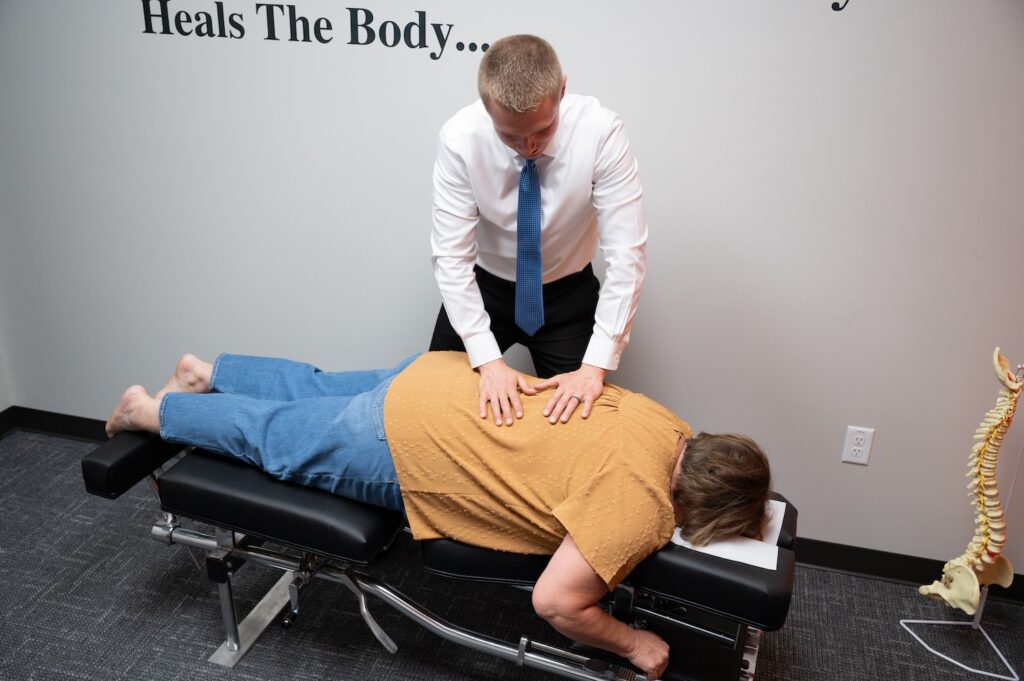
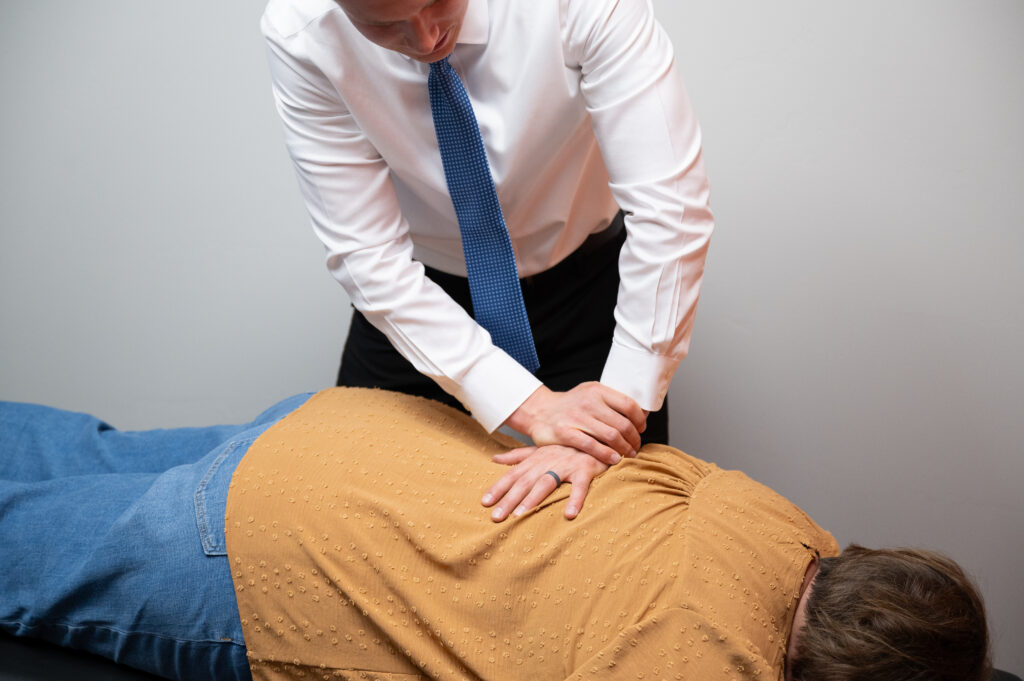
During your visit, I'll thoroughly assess your symptoms, medical history, and lifestyle to pinpoint what might be contributing to your pain. One of the primary techniques I use is spinal manipulation, which realigns your spine and alleviates pressure on your nerves. This hands-on approach can provide immediate relief and lead to improvements in your overall function.
In addition to spinal adjustments, I often recommend a personalized physical therapy program. This involves specific exercises designed to strengthen your back muscles and enhance flexibility, helping you regain mobility and alleviate discomfort effectively.
I also recognize that some patients may benefit from complementary treatments. For instance, while I primarily focus on natural healing, some individuals find that medications such as nonsteroidal anti-inflammatory drugs (NSAIDs) can provide temporary relief. As always, I encourage you to follow your healthcare provider's guidelines regarding medication use.
In more challenging cases, corticosteroid injections may be suggested to reduce inflammation and pain. If this is recommended, it will typically be under the guidance of a specialist to ensure it aligns with your overall treatment plan.
Lastly, if structural issues are identified as the source of your pain, we may discuss the possibility of surgical options as a last resort. However, my goal is to explore and exhaust all non-invasive treatments first, as these can often yield life-changing results for many patients.
Ultimately, my mission as your chiropractor is to work collaboratively with you to create a personalized plan that prioritizes natural healing and empowers you on your journey to relief and recovery.
Let's take the first step together towards a pain-free life!
Conclusion
As a local chiropractor, I want to share some valuable techniques that can greatly assist you in managing upper back pain. By integrating stretching, strengthening exercises, and maintaining good posture into your daily routine, you can foster a healthier spine. Additionally, incorporating heat therapy and mindfulness practices can enhance your overall well-being and provide relief from discomfort.
It's also crucial to pay attention to your sleep positions, as they can significantly impact your back health. If you're experiencing persistent pain, professional treatments, such as chiropractic adjustments, can be incredibly beneficial. Remember, consistency is essential; with patience and commitment to these practices, you can achieve the relief you desire and lead a more comfortable, active life. I'm here to support you on this journey to better health!