
When you're navigating the challenges of a sports injury, understanding the right recovery techniques can significantly enhance your healing journey. As a local chiropractor, I want to emphasize the importance of methods like R.I.C.E. (Rest, Ice, Compression, Elevation) and proper nutrition, which are essential in helping you regain your strength and mobility.
In addition to these foundational techniques, I encourage you to consider pain management strategies, including chiropractic adjustments, which can alleviate discomfort and promote better healing. Mental health support is equally crucial; maintaining a positive mindset can greatly impact your recovery.
As you explore these recovery techniques, it's vital to recognize how each approach can uniquely support your healing process. I am here to help guide you in finding the methods that will work best for your individual needs and ensure a successful return to your active lifestyle. If you're curious about the next steps in your recovery, don't hesitate to reach out for more information!
Prioritize Rest and Sleep
As a local chiropractor, I want to emphasize how crucial rest and sleep are when you're on the road to recovery from a sports injury. Your body is an incredible machine that needs time to heal, and prioritizing adequate rest is a significant part of that healing process. Skimping on sleep can hinder your recovery and potentially lead to additional complications, so it's important not to underestimate the restorative power of a good night's sleep.
To support your recovery, strive for 7 to 9 hours of quality sleep each night. This is when your body actively repairs itself, reducing inflammation and rebuilding tissue. Establishing a regular sleep schedule—going to bed and waking up at the same time every day—can help regulate your internal clock, making it easier for you to drift off to sleep.
I also recommend creating a calming bedtime routine. Engage in relaxing activities such as reading, gentle stretching, or meditation to signal to your body that it's time to wind down. Ensure your sleep environment is conducive to rest—keep it dark, quiet, and cool.
It's also wise to limit screen time before bed, as the blue light from devices can interfere with your ability to fall asleep.
During the day, don't hesitate to take short naps if you find yourself feeling fatigued. These little bursts of rest can help recharge your energy and further aid in your recovery. Always listen to your body; if you're feeling drained, give yourself permission to rest.
Implement R.I.C.E. Method
As a local chiropractor dedicated to helping you understand natural healing, I want to share an important method for recovering from sports injuries called R.I.C.E. This stands for Rest, Ice, Compression, and Elevation.
First and foremost, it's crucial to rest and immobilize the injured area. This helps prevent any further damage and allows your body to start the healing process.
Following that, applying ice is essential. It's most effective when done at the right times, as it can significantly reduce swelling and manage pain.
By incorporating the R.I.C.E. method into your recovery routine, you'll be taking proactive steps toward healing naturally.
Rest and Immobilization
As a local chiropractor, I want to emphasize the importance of rest and immobilization following a sports injury for effective recovery.
It's crucial to allow your body the necessary time to heal, so please resist the urge to jump back into your activities too soon. Resting enables your body to direct its energy towards repairing damaged tissues and alleviating inflammation.
Immobilization is another key component of the healing process. By keeping the injured area stable, you help prevent movements that could exacerbate the injury.
Utilizing braces, splints, or wraps can be beneficial in restricting movement, offering both protection and comfort as you recover.
I encourage you to listen to your body during this time. If you experience pain, it's a clear indication that you may need to slow down and reassess your activity levels.
Avoid putting weight on the injured area and refrain from engaging in activities that put stress on it. Even when you start to feel better, it's vital to ease back into your routine gradually to avoid re-injury.
By incorporating rest and immobilization into your recovery plan, you lay a strong foundation for healing and significantly reduce the risk of setbacks.
Taking these steps will help ensure a safer return to your sport and promote a more holistic approach to your health.
If you have any questions about chiropractic care and how it can support your recovery, feel free to ask!
Ice Application Timing
As a local chiropractor, I want to share some important insights about the use of ice after a sports injury. Applying ice promptly is a crucial step in minimizing both swelling and pain from injury. The sooner you get that ice on the affected area, ideally within 30 minutes of the incident, the better your chances of controlling inflammation and alleviating discomfort. Ice works by constricting blood vessels, which helps limit the flow of fluid into the injured tissues.
To maximize the effectiveness of ice therapy, I recommend following the R.I.C.E. method: Rest, Ice, Compression, and Elevation. When applying ice, it's vital to wrap it or use a cold pack in a thin towel to protect your skin from frostbite. Aim to apply the ice for 15 to 20 minutes at a time, and then allow the area to warm up for at least 40 minutes before reapplying. This cycle not only reduces the risk of frostbite but also promotes the healing process.
Additionally, elevating the injured area above your heart while icing is beneficial. This position helps to decrease swelling by encouraging fluid drainage away from the injury. You can repeat this process every few hours, especially during the first 48 hours after the injury.
Gradual Return to Activity
As your local chiropractor, I want to guide you on how to safely transition back into your sport after an injury. It's crucial to adopt a gradual approach to avoid setbacks or re-injury. The first step is to assess your current condition. Listen to your body and don't hesitate to consult with me or another healthcare professional to ensure you're ready to start.
Begin with low-impact activities that replicate the movements of your sport without causing too much strain on the injured area. For instance, if you're a runner, consider starting with walking or cycling. These activities help maintain your fitness level while minimizing the risk of further injury. Over time, you can gradually increase the intensity and duration of these exercises. Set small, achievable goals to help build your confidence and pay attention to your body's responses.
Once you're comfortable with low-impact exercises, you can slowly introduce sport-specific drills into your routine. Focus on fundamental movements and keep the intensity light. For example, if you play basketball, start by practicing dribbling and shooting without jumping.
It's important to ensure that you can perform these drills without experiencing any pain or discomfort before moving on to more intense activities.
Remember, incorporating rest days into your routine is just as vital as the exercises themselves. Recovery allows your body to adapt and heal properly. Be mindful of any signs of fatigue or pain; these could signal that you need to ease off.
Engage in Physical Therapy
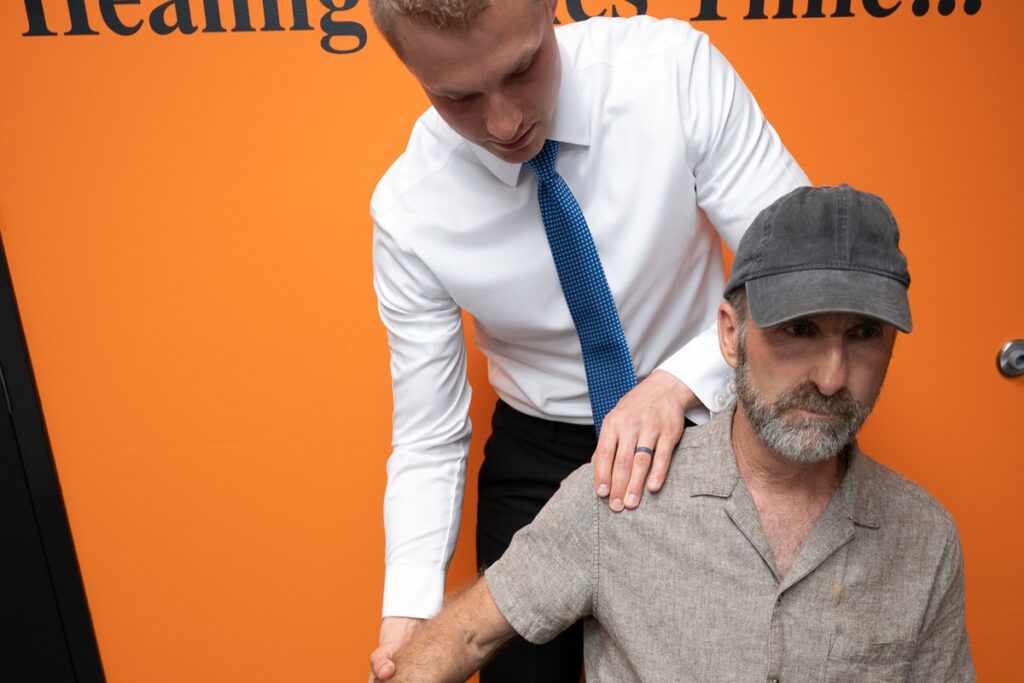
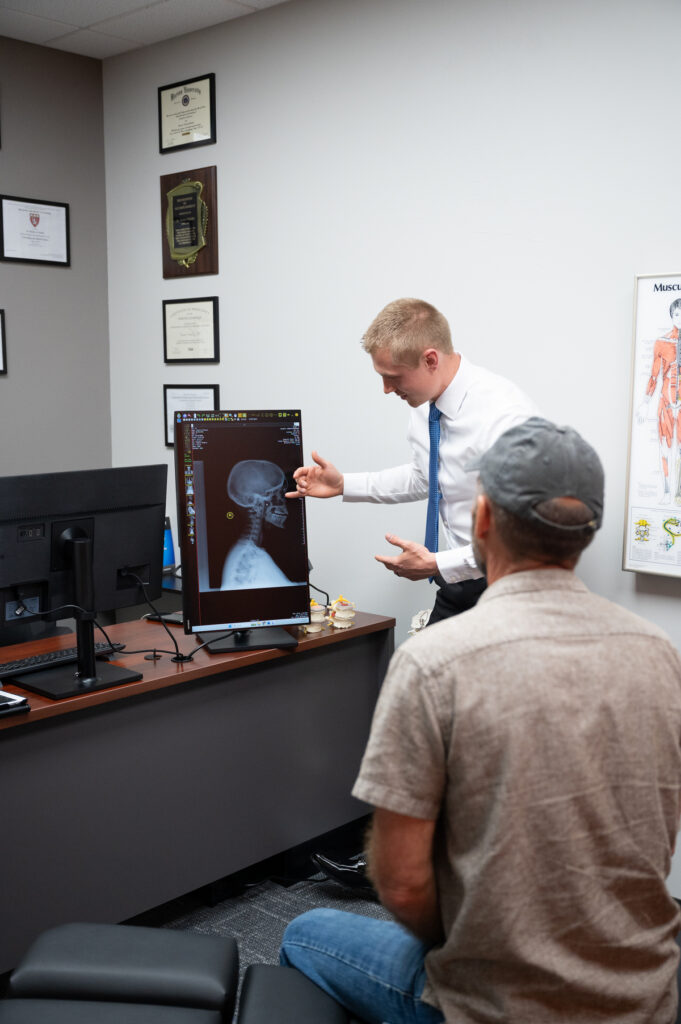
Engaging in chiropractic care is a vital component of your healing process, as it offers tailored adjustments and expert guidance to help restore your body's natural balance and function. When you work with a licensed chiropractor, they evaluate your condition and create a personalized treatment plan that addresses your unique needs. This customized approach ensures that you're not just receiving generic treatments, but rather focused care that's designed to optimize your recovery.
During your visits, you'll experience techniques aimed at improving your spinal alignment, flexibility, and overall strength. Your chiropractor will instruct you on proper movement patterns and lifestyle modifications to prevent future injuries, which is crucial as you return to your everyday activities or sports.
They may also utilize various techniques, such as manual adjustments, soft tissue therapy, or therapeutic modalities, to alleviate pain and facilitate healing.
Staying committed to your chiropractic care is essential. Regular visits and adherence to your chiropractor's advice can significantly enhance your recovery process. Don't hesitate to share any concerns or discomfort you may feel during your appointments, as this feedback is invaluable in helping your chiropractor refine your treatment plan for the best outcomes.
In addition to in-office adjustments, you'll likely be given exercises and stretches to perform at home. Consistently practicing these can greatly enhance your progress.
Focus on Nutrition
As your local chiropractor, I want to emphasize the crucial role nutrition plays in your recovery from a sports injury.
When you're healing, your body requires essential nutrients to facilitate the repair process and hydration to ensure optimal functioning.
It's not just about the adjustments we make during your visits; what you eat and drink significantly influences your recovery journey.
Let's delve into how proper nutrition can enhance your healing and support your overall well-being.
Essential Nutrients for Healing
As a local chiropractor, I want to emphasize the importance of nutrition in your recovery from sports injuries, alongside the physical therapy and adjustments you may receive.
Many people overlook how much the food they consume can impact their body's healing process. By integrating the right nutrients into your diet, you can enhance your recovery and support your body in healing effectively.
Here are five key nutrients that can significantly aid in speeding up your healing journey:
- Protein: This is crucial for repairing tissues and recovering muscles, allowing your body to rebuild stronger after an injury.
- Omega-3 Fatty Acids: These healthy fats are renowned for their anti-inflammatory benefits, helping to alleviate swelling and discomfort.
- Vitamin C: An essential vitamin for producing collagen, Vitamin C plays a vital role in wound healing and the repair of tissues.
- Zinc: This mineral is important for bolstering your immune system and facilitating the healing process for injuries and cuts.
- Calcium: Particularly important if you have experienced a fracture, calcium is vital for maintaining strong bones and facilitating the healing of bone injuries.
By focusing on these critical nutrients, you can complement the chiropractic care you receive and promote a more effective recovery from your sports injuries.
Hydration's Role in Recovery
As your local chiropractor, I want to emphasize how crucial proper hydration is for your recovery from sports injuries. Water is essential for maintaining optimal bodily functions, such as transporting nutrients and removing waste.
When you're dealing with an injury, your body requires even more hydration to aid in healing tissues and minimizing inflammation. If you become dehydrated, it can significantly slow down your recovery process. This can lead to a decrease in metabolic functions and poor circulation, resulting in increased pain and longer healing times.
It's important to make hydration a priority throughout the day, especially if you're taking medications or participating in physical therapy. In addition to drinking plenty of water, I encourage you to consider electrolyte-rich beverages to help replenish lost minerals.
These can be beneficial for muscle function and overall recovery. Options like coconut water and certain sports drinks can be helpful, but always be cautious of those with added sugars.
Don't forget that you can also boost your hydration by eating water-rich foods, such as fruits and vegetables. Incorporating options like watermelon, cucumbers, and oranges can enhance your fluid intake.
Listen to your body; if you're feeling fatigued or lightheaded, it may be a clear indicator that you need to hydrate. Remember, prioritizing hydration is vital for getting back to your best self after an injury, and I'm here to support you on this journey to natural healing and wellness.
Stay Hydrated
As a local chiropractor dedicated to promoting natural healing, I want to emphasize the vital role hydration plays in your recovery from sports injuries. When you experience an injury, your body requires adequate water intake to facilitate effective healing. Staying properly hydrated aids in the transportation of essential nutrients to your cells, helps flush out toxins, and supports optimal joint function. If you overlook the importance of drinking enough fluids, you could impede your recovery and experience increased fatigue.
Consider the numerous benefits of maintaining hydration during your healing process:
- Accelerated healing: Water is crucial for repairing damaged tissues and reducing inflammation, which can enhance your recovery speed.
- Boosted energy levels: Staying hydrated ensures that you have the energy needed to engage in rehabilitation exercises and support your body's healing efforts.
- Enhanced mood: Dehydration can cause irritability and mood swings; by staying hydrated, you help maintain a positive mindset throughout your recovery.
- Optimized performance: When you return to your activities, being well-hydrated will enable you to perform at your best, reducing the risk of further injury.
- Alleviated pain: Adequate fluid intake can help relieve muscle cramps and discomfort, making your recovery process more manageable.
To ensure you stay hydrated, aim for at least 8-10 cups of water daily, adjusting your intake based on your activity level and the climate. Additionally, consider incorporating hydrating foods like fruits and vegetables into your diet, as they contribute to your overall fluid intake.
Utilize Compression and Elevation
As a local chiropractor dedicated to your health and recovery, I want to share some essential techniques that can significantly aid your healing process after sports injuries: compression and elevation.
When you sustain an injury, it's common for swelling to occur, which can impede your recovery. By utilizing compression—through wraps, sleeves, or bandages—you can effectively minimize this swelling and provide support to the injured area. Compression works by applying gentle pressure, which helps to limit fluid accumulation in the tissues, facilitating a quicker healing process.
It's important to use compression correctly. Be cautious not to wrap too tightly, as this can restrict circulation. You should feel supported, but not experience pain or numbness. If you're unsure about the best type of compression gear for your injury, I encourage you to consult with me or another healthcare professional for personalized recommendations.
Elevation is equally crucial in your recovery toolkit. By keeping the injured area elevated above heart level, you can further reduce swelling and enhance blood flow. This positioning helps to encourage fluid drainage and can alleviate discomfort.
Whether you're relaxing at home or lying in bed, use pillows or cushions to prop up your injured limb and maintain that elevation.
Combining compression and elevation can amplify their benefits. I often recommend applying a compression wrap before elevating the limb to ensure that you receive consistent support.
Remember, these techniques are most effective when paired with rest and ice during the initial recovery phase.
Incorporate Stretching and Mobility
As a local chiropractor, I want to share the importance of incorporating stretching and mobility into your recovery routine.
These practices are essential for improving flexibility and preventing future injuries, which is crucial for maintaining your overall health.
Understanding the benefits of both dynamic and static stretching can help you tailor your approach effectively.
Dynamic stretching is great for warming up your muscles before activity, while static stretching is beneficial for cooling down and improving flexibility.
By prioritizing these techniques in your daily routine, you can enhance your performance, support your body's healing process, and promote a healthier lifestyle.
Importance of Flexibility
As a local chiropractor, I want to highlight the crucial role flexibility plays in your recovery from sports injuries—an aspect that's often overlooked.
When you prioritize flexibility in your healing process, you not only improve your mobility but also significantly reduce the risk of re-injury. Incorporating stretching and mobility exercises into your routine can greatly enhance the speed and effectiveness of your recovery.
Let's explore some of the emotional benefits of including flexibility in your recovery journey:
- Relief from muscle tension: Stretching can alleviate tightness in your muscles, allowing you to feel more at ease and comfortable in your body.
- Improved range of motion: Enhanced flexibility allows you to move more freely, making even simple daily activities much easier and more enjoyable.
- Boosted confidence: As you work on your flexibility, you may find yourself feeling empowered to push beyond your pain and limitations, fostering a greater sense of self-assurance in your abilities.
- Enhanced performance: Increased flexibility can lead to improved athletic performance, enabling you to return to your sport with greater strength and resilience.
- Mental clarity: Engaging in stretching can act as a form of meditation, helping you to focus your mind and reduce stress during your recovery process.
At our chiropractic practice, we believe that embracing flexibility is a vital component of natural healing and overall well-being.
Let's work together to incorporate these practices into your recovery plan!
Dynamic vs. Static Stretching
As a local chiropractor, I often see patients who are looking to enhance their recovery from sports injuries, and one key aspect of that process is understanding the difference between dynamic and static stretching.
Dynamic stretching is all about movement. It involves actively moving parts of your body through a full range of motion, which is particularly effective for warming up. By engaging in dynamic stretches, such as leg swings, arm circles, or walking lunges, you increase blood flow and prepare your muscles for activity. This not only activates your muscles but also improves flexibility, making it a great way to get your body ready for exercise.
In contrast, static stretching involves holding a stretch for a period, typically between 15 to 60 seconds. This type of stretching is best done after your workout or when your muscles are warm. Static stretching can greatly improve your overall flexibility and aid in recovery by relieving muscle tension.
However, it's important to avoid static stretching before high-intensity activities, as it can sometimes temporarily weaken your strength and power.
Incorporating both dynamic and static stretching into your routine can significantly enhance your recovery process. Use dynamic stretching to prepare your body for movement and static stretching to cool down afterward, promoting flexibility.
By balancing these techniques, you can't only recover faster but also reduce the risk of future injuries.
As your chiropractor, I encourage you to integrate these stretching methods into your lifestyle for optimal health and recovery. If you have any questions or need personalized guidance on incorporating these practices, feel free to reach out!
Manage Pain Effectively
As a local chiropractor, I understand that managing pain effectively is crucial for a smooth recovery from sports injuries. When you're dealing with pain, it can be daunting and may slow down your progress. It's important not to let discomfort hold you back from returning to your favorite activities.
Here are some natural techniques to help you manage pain during your recovery:
- Utilize Ice and Heat Therapy: Alternating between ice and heat can significantly reduce inflammation and soothe sore muscles, promoting faster healing.
- Stay Hydrated: Drinking enough water is vital for muscle recovery and can help alleviate discomfort. Proper hydration supports overall bodily functions.
- Consider Natural Pain Relief Options: While over-the-counter medications like NSAIDs may provide temporary relief, I encourage you to explore holistic alternatives. Always consult with a healthcare professional to find the best approach for you.
- Engage in Gentle Movement: Low-impact activities such as walking or swimming can help keep your body active without worsening your pain. Gentle movement promotes circulation and healing.
- Explore Chiropractic Care: As a chiropractor, I can provide tailored adjustments and therapies that focus on restoring balance to your body, improving mobility, and reducing pain. Personalized treatment plans can help you regain strength and flexibility effectively.
If you're navigating pain from a sports injury, I'm here to support you on your journey to recovery through natural and effective strategies.
Address Mental Health
Recovery from a sports injury involves more than just physical healing; it's crucial to consider your mental health as well. As a local chiropractor, I often see athletes who, after an injury, experience feelings of frustration, anxiety, or even depression. These emotional responses can significantly impact the healing process, which is why it's essential to address your mental well-being in conjunction with your physical rehabilitation.
First and foremost, it's important to acknowledge how you're feeling. It's completely normal to feel down about your situation, and talking to someone you trust—be it a friend, family member, or therapist—can greatly alleviate some of the emotional burdens. Sharing your thoughts and feelings provides a supportive outlet and can help you navigate this challenging time.
Incorporating mindfulness techniques into your daily routine can also be beneficial. Practices such as meditation, deep breathing, or yoga are excellent for managing stress and maintaining focus on your recovery. These activities promote positive thinking, which is vital for building resilience during your healing journey.
Setting realistic goals for both your physical and mental recovery is crucial. Celebrate your small victories, whether it's regaining your range of motion or simply feeling more hopeful about the future. Keeping a journal can be a powerful tool to track your progress and process your emotions effectively.
Staying connected with your teammates or the sports community is another important aspect of recovery. Engaging with those who understand your journey can provide motivation and foster a sense of belonging, which is vital for mental health.
Lastly, if you find that your mental health struggles become overwhelming, I encourage you to seek professional help. A mental health professional can offer tailored strategies to support you through the emotional aspects of recovery.
Conclusion
As a local chiropractor, I want to share some valuable techniques that can significantly aid your recovery from sports injuries. It's essential to prioritize rest, as this is the body's natural way of healing. Alongside this, I recommend the R.I.C.E. method—rest, ice, compression, and elevation—which can be incredibly effective in managing acute injuries.
Nutrition plays a crucial role in your recovery, so make sure you're fueling your body with the right nutrients to support healing. Gradual return to activity is key; it's important to listen to your body and not rush the process. Engaging in physical therapy can also help restore your strength and mobility, and that's where chiropractic care can be particularly beneficial.
Managing pain is another vital aspect of recovery. Chiropractic adjustments can help alleviate discomfort and improve function, allowing you to focus on what matters most—your return to the sport you love. Additionally, don't overlook your mental health; staying positive and motivated is crucial for a successful comeback.
Stay committed to your recovery plan, and remember that with the right support and care, you can bounce back stronger than ever! If you have any questions about how chiropractic care can aid your healing process, feel free to reach out.