Chronic pain is pain that lasts for three months or longer. It can be steady or come and go, and it often affects much more than the sore spot: sleep, mood, energy, work and the activities you used to enjoy.
There is rarely one quick fix. Most people do well with a plan that combines several approaches. This article explains how a chiropractor looks at long-lasting pain, which problems chiropractic care may help with, and what a realistic path forward looks like.
How Chronic Pain Affects Your Whole Day
Pain that sticks around tends to change how you move. You might stop bending, avoid turning your head, or sit in a guarded position to protect a sore area. Over time, those habits can lead to stiffness and weakness, which can feed more pain.
Chronic pain can also interrupt sleep and raise stress, and both can make pain feel more intense. That is why a good plan looks at movement, daily habits and recovery, not just the painful area.
The Chiropractic Approach to Chronic Pain
Chiropractic care focuses on the spine, joints, muscles and nerves. For chronic pain linked to these structures, the goal is to restore normal motion, ease muscle guarding and help you move with more confidence.
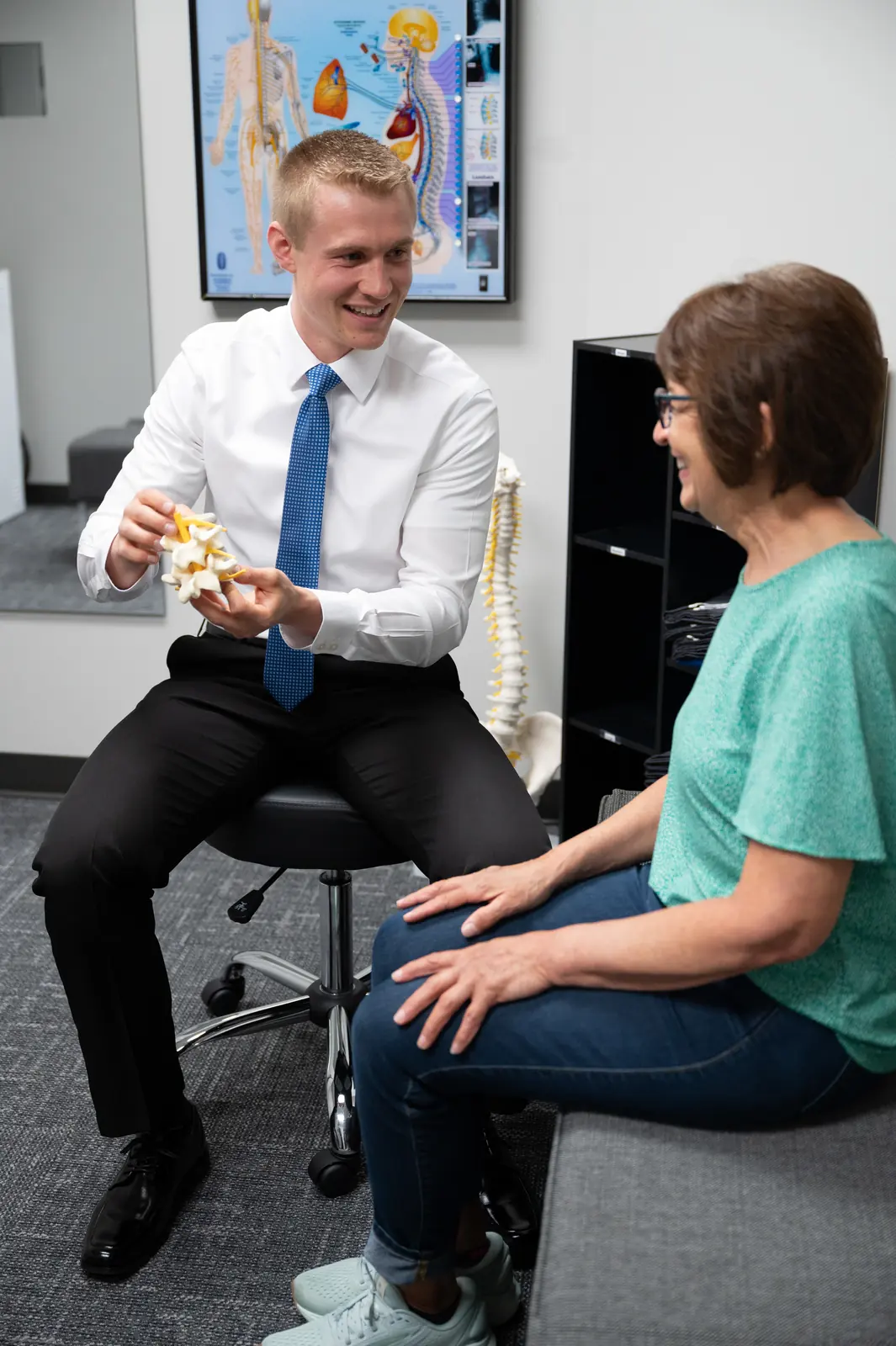
At our office, Dr. Hunter Schultz follows a clear process:
- Listen first. When did the pain start? What makes it better or worse? What have you already tried?
- Examine carefully. A hands-on exam checks how each area moves, along with posture, muscle tone, reflexes, strength and sensation.
- Image when needed. On-site Spine-X imaging is used when your history or exam calls for it, not by default.
- Explain the findings. You receive a written report of findings and a plan in plain language before treatment starts.
- Re-check along the way. Progress is measured by how you move and function, not just by your pain score.
Health agencies list spinal manipulation among the nondrug options that may help some types of chronic pain, especially low back pain, with modest benefits that vary from person to person. It is not right for every type of pain, and an honest exam is the only way to know whether it fits your situation.
Gentle, Hands-On Techniques for Long-Lasting Pain
Your treatment depends on your exam, your comfort level and your goals. Options at our office include:
- Chiropractic adjustments: precise, hands-on adjustments based on the Gonstead technique to restore motion in stiff joints.
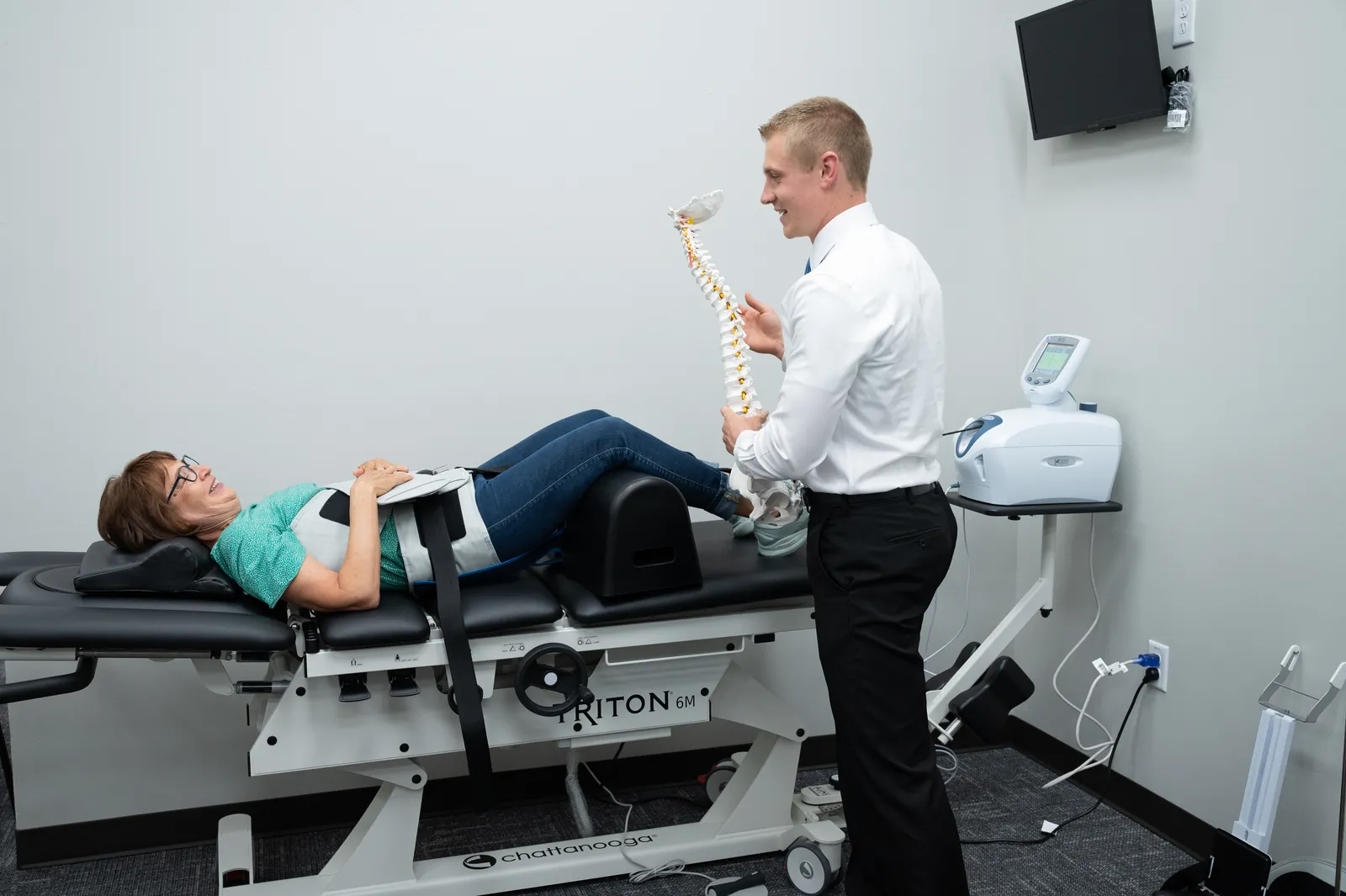
- Intersegmental traction: a roller table that gently moves the spine to encourage motion and relaxation.
- Spinal decompression: a slow, controlled stretch that may help when disc problems are involved.
- Home exercises and habit coaching: simple stretches, posture tips and movement breaks to support your progress between visits.
Signs Chiropractic Care May Help
Chiropractic care may be worth exploring if you have:
- Back or neck pain that has lasted for months or keeps flaring up
- Limited range of motion, such as trouble turning your head or bending forward
- Frequent tension-type headaches that seem linked to neck stiffness (see our page on headache care in Green Bay)
- Pain that travels from the low back into the buttock or leg, which may be sciatica
- Stiffness that limits work, exercise or time with your family
If pain is widespread, comes with fatigue and sleep problems, or seems connected to another health condition, see your physician too. Conditions such as fibromyalgia, arthritis and nerve problems often need medical care, and chiropractic care can play a supportive role alongside it.
Benefits and Honest Limits
Many patients find that a consistent plan helps them move more freely, sleep a little better and handle daily tasks with less pain. Some find they can do more of what they enjoy, such as walking, playing with their kids or getting through a full workday.
Results vary. Chronic pain often improves gradually, and some people need a combination of care to make real progress. If you are not improving as expected, Dr. Hunter will tell you and help you find the right next step, whether that is imaging, a medical doctor, physical therapy or another provider.
Habits That Support Your Progress
- Stay active. Gentle, regular movement such as walking is one of the most useful things you can do for long-lasting pain.
- Pace yourself. Break big tasks into smaller pieces instead of pushing through on good days and paying for it later.
- Change positions often. Move every 30 to 60 minutes if you sit or stand for long periods.
- Protect your sleep. A steady bedtime and a supportive pillow and mattress can help.
- Listen to your body. Soreness after new activity is common; sharp or spreading pain is a sign to stop and check in.
Getting Started
If chronic pain is wearing you down, a thorough exam is a good first step. New patients can begin with our $18 new patient special, or call (920) 933-8080 with questions.
Frequently Asked Questions
Pain is generally called chronic when it lasts three months or longer, or continues past the normal healing time for an injury. It may be constant or come and go. Chronic pain is common and real, and it deserves a thorough evaluation rather than simply being something you have to live with.
No. Chiropractic care is aimed at pain related to the spine, joints, muscles and nerves, such as many cases of back pain, neck pain and some headaches. Pain from organ disease, infection or certain nerve conditions needs medical care. Dr. Hunter will tell you if your exam suggests chiropractic care is not the right fit.
Visits are often closer together at first while pain settles, then spread out as you improve. The exact schedule depends on your exam, how long you have had pain and how you respond. You will get a clear plan after your report of findings, and it is reviewed as you go.
Yes. Many people with chronic pain benefit from a team approach that may include their primary care provider, physical therapy, exercise and stress management. Keep taking prescribed medications as directed, and let each provider know about your other care so your plan stays safe and coordinated.
Related Care in Green Bay
- Chiropractic CareHands-on adjustments based on a thorough exam and, when needed, X-rays.
- Intersegmental TractionA relaxing roller table that gently mobilizes each spinal segment.
- Back PainLow and mid-back pain, stiffness and spasms.
- HeadachesTension-type and neck-related headaches.
- SciaticaPain that travels from the low back into the leg.
Sources