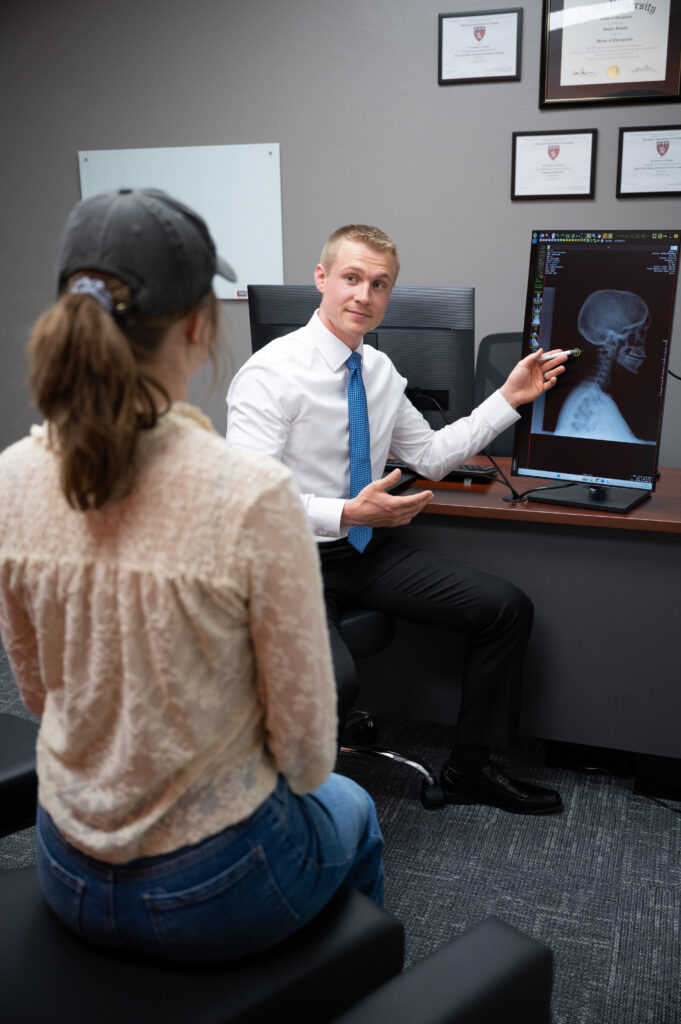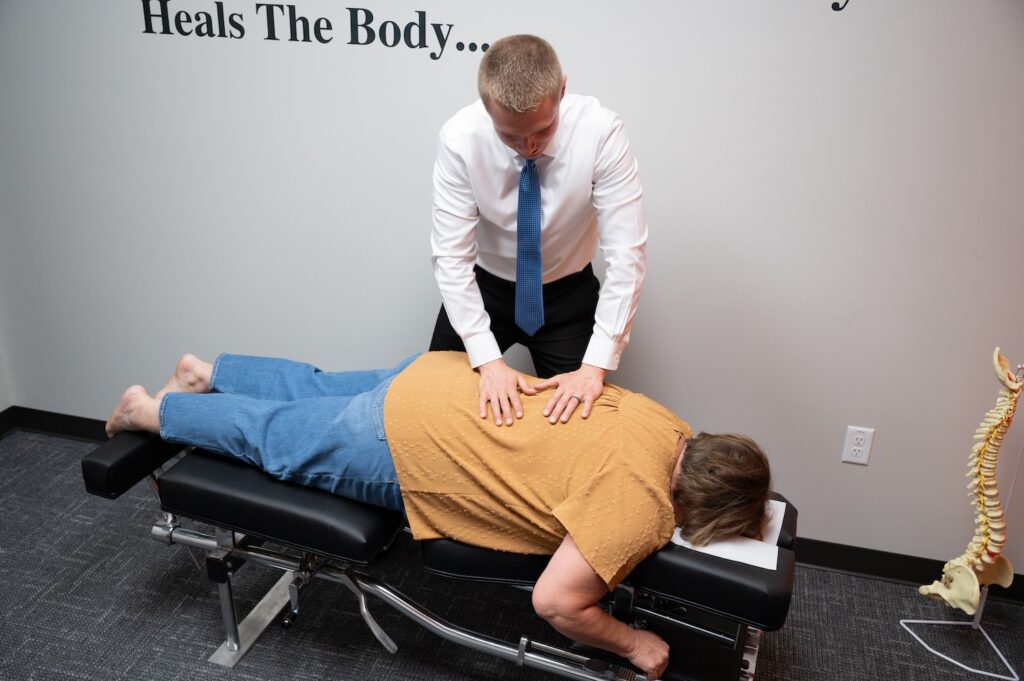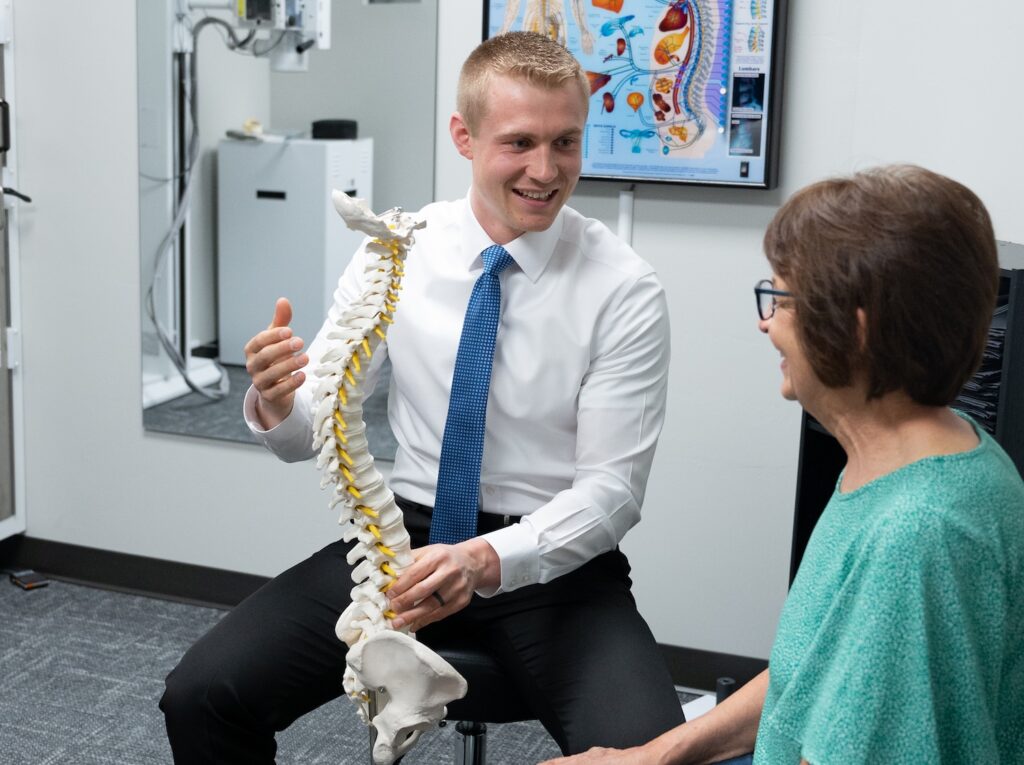

If you’ve ever experienced a tension headache, you know how disruptive it can be to your daily life. These headaches can often be triggered by poor posture, stress, or muscle tension, particularly in the neck and shoulders. Thankfully, there are effective ways to manage and prevent them, with chiropractic care being one of the best options available.
Chiropractic care focuses on the alignment of your spine and the health of your nervous system, which can be crucial in alleviating tension headaches. Regular adjustments can help relieve muscle tension, improve your posture, and enhance overall spinal health, all of which contribute to reducing the frequency and intensity of headaches.
In addition to chiropractic adjustments, here are some simple tips to help you find relief:
- Practice Good Posture: Whether you’re sitting at a desk or standing, maintain good posture to reduce strain on your neck and shoulders.
- Stay Hydrated: Dehydration can lead to headaches, so make sure you’re drinking plenty of water throughout the day.
- Manage Stress: Consider integrating relaxation techniques such as deep breathing, meditation, or yoga into your routine to help reduce stress levels.
- Take Breaks: If you spend long hours at a computer, remember to take regular breaks to stretch and move around.
- Apply Heat or Cold: Using a warm compress or ice pack on your neck and shoulders can help alleviate tension and pain.
By focusing on these healthy habits and incorporating chiropractic care into your wellness routine, you can effectively manage tension headaches and improve your overall health. Remember, understanding your body and seeking natural solutions is key to achieving optimal wellness. If you’re struggling with tension headaches, consider scheduling a visit to your chiropractor to explore how spinal health can lead to pain relief and a better quality of life.
Key Takeaways
- Start by practicing good posture and setting up an ergonomic workstation. This simple adjustment can significantly reduce strain on your neck and shoulders, helping to prevent tension headaches from developing in the first place.
- Make it a habit to take regular breaks to stretch and move around. These small actions can alleviate muscle tension that contributes to headaches, keeping you feeling refreshed and focused throughout your day.
- Staying hydrated is essential for overall wellness. Make sure to drink plenty of water each day, and don’t skip meals, as dehydration can trigger headaches. Keeping your body well-nourished and hydrated supports your spinal health too!
- As a chiropractor, I highly recommend considering chiropractic care. Regular spinal adjustments can help relieve tension and improve your body’s overall function. Personalized treatment plans can address your specific needs and help you achieve a more balanced state of health.
- Utilize relaxation techniques such as deep breathing exercises and mindfulness practices. These methods are excellent for managing stress, which can lead to headaches. By incorporating these practices into your daily routine, you can reduce headache frequency and enjoy a more peaceful state of mind.
By focusing on these natural strategies and incorporating chiropractic care into your wellness routine, you can take significant steps toward achieving optimal health and pain relief. Remember, your journey to wellness can start with simple changes and a commitment to your health!
Understanding Tension Headaches
Tension headaches, often described as a tight band around your head, are among the most prevalent types of headaches experienced by adults today.
These headaches can occur at any time and are frequently triggered by stress, muscle tension, or fatigue.
You might experience a dull, aching pain that varies from mild to severe, usually accompanied by tightness in your neck and shoulders.
Unlike migraines, tension headaches generally don’t present with nausea or sensitivity to light.
They can last anywhere from 30 minutes to several days, affecting your daily life and productivity.
While anyone can experience these headaches, those facing high levels of stress or spending long hours in front of a computer tend to be more susceptible.
Understanding the nature of tension headaches is crucial, as it enables you to take proactive steps toward relief.
One effective way to manage and alleviate tension headaches is through chiropractic care.
Chiropractic adjustments can help restore proper alignment in your spine, reducing muscle tension and promoting overall wellness.
In addition to seeking chiropractic treatment, here are a few simple tips to help manage tension headaches:
- Practice Good Posture: Make sure your workstation is ergonomic. Keep your computer screen at eye level and sit up straight to reduce neck and shoulder strain.
- Take Regular Breaks: If you work at a desk, take short breaks every hour to stretch and move around. This can help alleviate tension building up in your muscles.
- Stay Hydrated: Dehydration can contribute to headaches. Be sure to drink plenty of water throughout the day.
- Incorporate Relaxation Techniques: Activities such as deep breathing, meditation, or gentle yoga can help reduce stress and tension in your body.
- Get Enough Sleep: Aim for 7-9 hours of sleep each night to help your body recover and reduce the likelihood of headaches.
By recognizing the signs of tension headaches and implementing these strategies, you can take charge of your health and well-being.
Chiropractic care can be a vital part of your journey toward optimal health, helping you live a more comfortable and fulfilling life.
Identifying Triggers and Symptoms
Identifying Triggers and Symptoms of Tension Headaches
As your local chiropractor, I understand that many individuals deal with tension headaches, and recognizing your unique triggers and symptoms is essential for effective management. One of the best ways to start is by keeping a headache diary. Document when your headaches occur, their intensity, and how long they last. This practice can help you uncover patterns that may be contributing to your discomfort.
Common triggers for tension headaches include stress, poor posture, dehydration, and even skipped meals. It’s important to tune into your body—do you feel tightness in your neck or shoulders before a headache sets in? By recognizing these early warning signs, you can take proactive steps to alleviate the pain before it escalates.
Additionally, take a close look at your lifestyle. Are you getting enough restorative sleep? Are you spending long hours hunched over a computer? Addressing these factors can make a significant difference in how you feel. Each person’s triggers may vary, so it’s crucial to discover what affects you specifically.
Incorporating regular chiropractic care into your routine can be a game-changer for managing tension headaches. Chiropractic adjustments can help realign your spine, improve posture, and reduce muscle tension, which may contribute to headache relief. Remember, a well-aligned spine supports overall health and wellness.
To further support your journey toward pain relief, consider these general tips: stay hydrated, take regular breaks from screens, practice relaxation techniques such as deep breathing or meditation, and maintain a balanced diet. By identifying your triggers and embracing a holistic approach to wellness, you can reduce the frequency and severity of tension headaches, leading to a more comfortable and enjoyable daily life.
Lifestyle Changes for Prevention
To prevent tension headaches, embracing natural methods for stress management is essential, and chiropractic care can play a pivotal role in this process. Regular visits to your chiropractor can help align your spine and relieve tension, which may significantly reduce the occurrence of headaches.
Additionally, incorporating a consistent exercise routine can complement your chiropractic care and enhance your overall well-being.
Let’s delve into how these lifestyle changes can positively impact your health:
- Chiropractic Adjustments: Regular chiropractic adjustments can help alleviate tension in your neck and back, often the culprits behind tension headaches. By ensuring your spine is aligned, you can promote better nerve function and circulation, leading to fewer headaches.
- Stress Management Techniques: Learning effective stress management techniques is crucial. Practices such as deep breathing, meditation, or yoga can help calm your mind and reduce muscle tension, making them excellent complements to chiropractic care.
- Exercise Regularly: Engaging in physical activity not only strengthens your body, but it also helps release endorphins, which are natural painkillers. Aim for at least 30 minutes of moderate exercise most days of the week. This can include walking, swimming, or any activity you enjoy that gets your heart rate up.
- Posture Awareness: Be mindful of your posture, especially if you spend long hours sitting at a desk. Poor posture can lead to muscle tension and headaches. Incorporating ergonomic furniture or taking regular breaks to stretch can help maintain better alignment.
- Stay Hydrated: Dehydration can trigger headaches, so be sure to drink plenty of water throughout the day. Keeping hydrated supports your overall health and can help prevent headaches.
Stress Management Techniques
Incorporating effective stress management techniques into your daily routine can significantly alleviate the occurrence and intensity of tension headaches. As a chiropractor, I believe in the power of natural healing and holistic approaches. Here are a few methods you can easily integrate into your life, alongside regular chiropractic care, to promote overall wellness and reduce stress:
| Technique | Description | Benefits |
|---|---|---|
| Deep Breathing | Focus on taking slow, deep breaths | Helps to reduce anxiety and tension, promoting relaxation |
| Mindfulness | Practice being present in the moment | Enhances relaxation and can improve your overall mental clarity |
| Time Management | Prioritize tasks and set boundaries | Lowers stress levels and creates a more balanced life |
| Journaling | Write down your thoughts and feelings | Clarifies emotions and can help you process daily challenges |
Regular Exercise Routine
Engaging in regular physical activity is one of the most beneficial lifestyle changes you can make to help prevent tension headaches, and as a chiropractor, I can’t emphasize enough the importance of movement for your overall health.
Exercise not only helps reduce stress—a significant trigger for these headaches—but also promotes spinal health, which is essential for a well-functioning nervous system.
Aim for at least 30 minutes of moderate activity, five days a week. This can include walking, swimming, or any form of aerobic exercise you enjoy.
Incorporate stretching and yoga into your routine; these activities not only promote relaxation but also enhance flexibility, which is crucial for maintaining a healthy spine.
It’s important to listen to your body. If you’re feeling fatigued, take a break. Remember, chiropractic care can also play a vital role in alleviating tension and discomfort in your body, helping you to move better and feel better overall.
Incorporating movement into your daily routine not only alleviates headache triggers but also boosts your mood and energy levels. So, lace up those sneakers and get moving—your spine and your head will thank you!
And if you ever feel like you need additional support, consider visiting your local chiropractor to explore how spinal adjustments can further enhance your wellness journey.
Over-the-Counter Medications
When a tension headache strikes, many people turn to over-the-counter medications for quick relief. While options like acetaminophen, ibuprofen, and aspirin can provide temporary comfort, they often only mask the underlying issues. Instead of relying on these medications, consider exploring natural remedies and chiropractic care, which can address the root causes of your headaches.
Chiropractic care focuses on the health of your spine and nervous system, which plays a crucial role in overall wellness. Misalignments in the spine can contribute to tension headaches, and a chiropractor can help realign your spine, relieving pressure and reducing pain. Regular adjustments not only help with headache relief but also promote long-term health benefits.
In addition to chiropractic care, here are some general tips to manage and prevent tension headaches naturally:
- Stay Hydrated: Dehydration can trigger headaches, so make sure to drink plenty of water throughout the day.
- Practice Good Posture: Poor posture can strain your neck and shoulders, leading to tension headaches. Be mindful of your posture, especially when sitting for extended periods.
- Manage Stress: Incorporate relaxation techniques such as deep breathing, meditation, or yoga into your routine to help reduce stress levels.
- Get Regular Exercise: Physical activity can improve blood flow and reduce muscle tension, which may help prevent headaches.
- Maintain a Consistent Sleep Schedule: Ensure you’re getting enough rest and try to go to bed and wake up at the same times each day.
Prescription Treatments
If over-the-counter medications aren’t providing the relief you need for tension headaches, consider exploring natural healing options like chiropractic care. Your chiropractor can help identify the underlying causes of your headaches, often related to spinal misalignments or muscle tension in the neck and shoulders. By addressing these issues through gentle adjustments and targeted therapies, you may find significant relief without the need for medications.
Chiropractic care focuses on restoring proper alignment and function to your spine, which can help alleviate tension and reduce the frequency of headaches. In addition to adjustments, your chiropractor may recommend exercises and stretches to strengthen your neck and shoulder muscles, promoting better posture and reducing stress on your body.
It’s also important to maintain a healthy lifestyle to support overall wellness. Staying hydrated, practicing good posture, and incorporating regular physical activity can make a big difference. Mindfulness techniques like deep breathing or yoga can also help manage stress, which is often a trigger for tension headaches.
Always communicate openly with your chiropractor about your symptoms and any concerns you have. Together, you can develop a personalized plan that focuses on achieving optimal health and wellness through natural methods. Remember, the goal is to manage your headaches effectively while supporting your body’s natural healing capabilities.
Heat and Cold Therapy
While medications and other therapies have their place, I want to emphasize the incredible benefits of incorporating heat and cold therapy into your routine for relieving tension headaches. As a chiropractor, I’ve seen how these natural methods can complement your journey toward optimal health and wellness.
Applying a warm compress or a heating pad to your neck and shoulders can work wonders. The warmth helps to relax tight muscles, easing the pressure that often leads to headaches. You might also find that a warm shower can provide similar soothing effects, helping to melt away stress and tension.
On the flip side, cold therapy can be just as effective. Using a cold pack or even a bag of frozen vegetables wrapped in a towel can numb painful areas and reduce inflammation. Applying cold to your forehead or the back of your neck for about 15-20 minutes can give you much-needed relief from headache symptoms.
I encourage you to experiment with both heat and cold to see which one brings you the most comfort. Alternating between the two can also create a balanced approach to managing your tension headaches. Remember, these simple therapies can be easily integrated into your daily routine alongside regular chiropractic care. By prioritizing these natural methods, you can enhance your overall comfort and support your journey toward better health and wellness.
Relaxation Techniques
When tension headaches strike, incorporating relaxation techniques can be incredibly beneficial. As a chiropractor, I often recommend practices like deep breathing exercises, progressive muscle relaxation, and guided imagery to help ease your discomfort naturally. These methods not only help reduce stress but also promote a sense of calm, which is essential for alleviating headache symptoms.
In addition to these relaxation techniques, it’s important to consider how spinal health plays a crucial role in overall wellness. Misalignments in the spine can contribute to tension and pain, so regular chiropractic adjustments can help restore balance and alleviate headache triggers. By focusing on your spinal health, you’re taking a proactive step towards achieving optimal health and wellness.
Deep Breathing Exercises
Deep breathing exercises can be a powerful tool for managing tension headaches, and they complement the benefits of chiropractic care perfectly.
By focusing on your breath, you can reduce stress and promote relaxation, which may help alleviate headache symptoms. Here’s how to get started:
- Find a Quiet Space: Choose a comfortable spot where you can sit or lie down without distractions. This helps create an ideal environment for relaxation.
- Inhale Deeply: Take a slow, deep breath in through your nose, allowing your abdomen to expand fully. This not only increases oxygen supply but also encourages proper alignment of your spine.
- Hold Your Breath: Pause briefly, letting the oxygen circulate throughout your body. This moment of stillness can help your mind and body connect, enhancing the effects of chiropractic adjustments.
- Exhale Slowly: Gently breathe out through your mouth, visualizing the release of tension and stress with each exhale. This practice can improve your overall well-being and support the healing process.
Incorporate these steps into your daily routine for a few minutes, and you may notice a positive change in how you feel.
Progressive Muscle Relaxation
Progressive muscle relaxation (PMR) is an excellent technique you can use to alleviate tension headaches and promote overall relaxation, which is essential for your spinal health and wellness. By deliberately tensing and then relaxing different muscle groups, you can release physical tension that may be affecting your spine and overall well-being.
To get started, find a comfortable position—ideally one that supports your spine. Begin with your feet; tense the muscles for about five seconds, then release and take a moment to notice how relaxed they feel. Gradually work your way up your body—moving to your calves, thighs, abdomen, arms, neck, and face. As you engage in this practice, remember to breathe deeply and let go of any stress you may be holding onto.
Incorporating PMR into your routine not only helps with headache relief but also enhances your awareness of how tension builds in your body. With consistent practice, you’ll become more attuned to when tension arises, enabling you to address it before it affects your health further.
Guided Imagery Techniques
Using guided imagery techniques can be an effective way to manage tension headaches and promote relaxation, complementing the benefits of chiropractic care. This natural approach allows you to visualize calming scenes that help you escape stress and tension, which can contribute to overall wellness.
Here are four simple steps to get started:
- Find a Quiet Space: Choose a comfortable, quiet place in your home where you can relax without interruptions. This sets the stage for a peaceful experience.
- Close Your Eyes: Take a few deep breaths, allowing your body to relax, and close your eyes to help center your focus and reduce distractions.
- Visualize a Calm Scene: Picture a serene landscape, such as a tranquil beach or a peaceful forest. Imagine the details vividly—what you see, hear, and feel in that environment.
- Engage Your Senses: Allow yourself to fully immerse in the experience. Feel the warmth of the sun on your skin, listen to the gentle sound of waves, or breathe in the fresh scent of pine trees.
Incorporating these simple steps into your routine can help ease your tension headache and enhance your sense of well-being.
Physical Therapy and Massage
When it comes to managing tension headaches, chiropractic care can be an excellent choice for alleviating discomfort naturally. Chiropractors focus on the spine and its relationship to your overall health, which means they can help address the underlying issues contributing to your headaches, such as misalignments in the neck and upper back.
During your visit, a skilled chiropractor will assess your posture and spinal alignment. They’ll develop a customized treatment plan that may include spinal adjustments to relieve tension, improve mobility, and enhance blood flow. This not only helps with immediate relief but also promotes long-term wellness.
In addition to chiropractic adjustments, there are simple tips you can incorporate into your daily routine to further reduce headache frequency and intensity. Maintaining good posture, staying hydrated, and taking regular breaks from screens can all make a significant difference. Gentle stretching or strengthening exercises for your neck and shoulders can also help alleviate tightness.
While massage therapy can complement chiropractic care, it’s important to remember that chiropractic adjustments are focused on correcting spinal alignment, which is essential for overall health. Communicating openly with your chiropractor about any specific areas of discomfort ensures that you receive the most effective treatment tailored to your needs.
Acupuncture and Alternative Therapies
Managing tension headaches can be a challenge, but there are natural and effective ways to find relief. As a chiropractor, I believe that maintaining a healthy spine and nervous system is essential for overall wellness. Here are some holistic approaches you can consider, emphasizing the importance of chiropractic care:
- Chiropractic Adjustments: Regular visits to your chiropractor can help realign the spine, relieve tension in the muscles, and improve overall function. This can significantly reduce the frequency and intensity of tension headaches.
- Posture Awareness: Poor posture can contribute to headaches. Be mindful of your posture when sitting or standing, especially if you work at a desk. Simple adjustments, like keeping your head aligned with your spine and taking breaks to stretch, can make a difference.
- Stress Management Techniques: Incorporating relaxation techniques, such as deep breathing exercises or gentle stretching, can help alleviate stress and tension in your body. This is crucial for preventing headaches.
- Hydration and Nutrition: Staying well-hydrated and eating a balanced diet rich in fruits, vegetables, and whole grains can support your overall health. Certain food triggers might cause headaches, so pay attention to how your body reacts to different foods.
- Regular Exercise: Engaging in regular physical activity not only strengthens your body but also promotes better circulation and reduces stress. Activities like walking, swimming, or light yoga can be beneficial.
- Sleep Hygiene: Prioritize good sleep habits to help your body recover and reduce headache occurrences. Aim for a consistent sleep schedule and create a calming bedtime routine.
By focusing on these natural approaches and regularly visiting your chiropractor, you can take control of your health and find relief from tension headaches without relying on medications or surgeries.
When to Seek Professional Help
Although many tension headaches can often be alleviated through lifestyle changes and holistic therapies, there are moments when seeking professional help becomes crucial. If you find that your headaches persist despite your best self-care efforts, it may be time to consult a chiropractor. Frequent headaches that interfere with your daily activities or seem to worsen can indicate an underlying issue that chiropractic care may help address.
It’s particularly important to reach out if you experience severe pain that feels different from your usual tension headaches, or if you notice additional symptoms like nausea or changes in vision. If your headaches follow a head injury, it’s essential to seek chiropractic evaluation, as this could suggest a more serious concern that needs attention.
Chiropractic care focuses on the spine’s health and alignment, which plays a significant role in overall wellness. By addressing spinal misalignments, chiropractors can help relieve tension and reduce the frequency and intensity of headaches. Early intervention through chiropractic adjustments can lead to better management of your symptoms and a path toward lasting relief.
In addition to seeking chiropractic care, consider incorporating some general wellness tips into your routine. Staying hydrated, practicing good posture, managing stress through relaxation techniques, and maintaining a regular sleep schedule can all contribute to reducing headache occurrences. Remember, open communication with your chiropractor about your symptoms is vital; they can help you identify the root cause and tailor a treatment plan that supports your journey to optimal health.
Conclusion
Incorporating these top treatments for tension headache relief can profoundly enhance your daily life. As a chiropractor, I emphasize the importance of understanding your body’s signals and recognizing potential triggers for your headaches. By adopting healthy lifestyle changes and exploring natural therapies, especially chiropractic care, you can effectively manage and reduce the frequency of your headaches.
Chiropractic adjustments play a crucial role in relieving tension headaches by addressing misalignments in the spine that can contribute to pain and discomfort. Regular chiropractic visits can help restore proper alignment, improve blood flow, and reduce muscle tension, all of which are essential for headache relief.
Here are some practical tips you can incorporate into your routine:
- Stay Hydrated: Dehydration can trigger headaches. Ensure you drink plenty of water throughout the day.
- Practice Good Posture: Whether you’re sitting at a desk or using your phone, maintaining good posture can alleviate strain on your neck and shoulders, reducing headache triggers.
- Manage Stress: Engage in relaxation techniques such as deep breathing, meditation, or yoga. These practices can help reduce muscle tension and stress that often lead to headaches.
- Regular Exercise: Physical activity promotes overall wellness and can help decrease the frequency of tension headaches. Aim for at least 30 minutes of moderate exercise most days.
- Get Quality Sleep: Establish a regular sleep schedule and ensure you’re getting enough rest. Poor sleep can exacerbate headache issues.
- Chiropractic Care: Regular visits to a chiropractor can help maintain proper spinal alignment and relieve tension in the muscles supporting your head and neck.
Always listen to your body and seek professional help if your headaches persist or worsen. With the right approach, particularly through chiropractic care, you can find relief and take control of your health and well-being naturally.