Back pain is one of the most common reasons people miss work or skip activities they enjoy. For many everyday aches, staying active and doing a few gentle exercises can help ease stiffness and get you moving more comfortably.
Below are ten simple moves you can do at home with just a mat or carpeted floor. They are meant for general, everyday back stiffness, not for a new injury or pain with warning signs.
Before You Start: Safety First
- Go slow and stay gentle. You should feel a mild stretch or light muscle effort, never sharp pain.
- Stop if pain spreads or worsens. If pain travels into your buttock or leg, or you feel numbness or tingling, stop that exercise and have your back checked.
- Breathe normally. Do not hold your breath while you hold a position.
- Start small. Begin with fewer repetitions and add more over several days if you feel fine.
- Check with your doctor first if you are pregnant, have had recent back surgery, have osteoporosis, or have a heart condition and plan to add cardio.
Why Movement Helps Back Pain
Studies have linked regular exercise to better function and less pain for many people with low back pain, both short-term and long-lasting. Stretching can ease tight muscles in the hips and low back, and strengthening the core and glutes helps support your spine during daily tasks. General activity like walking and household chores counts too.
A balanced routine usually includes three parts: gentle stretching, strengthening, and some cardio such as walking or biking.
Gentle Stretches for Back Pain
1. Knee to Chest
Lie on your back with knees bent and feet flat. Gently draw one knee toward your chest, holding behind the thigh. Keep the other foot on the floor. Hold 15 to 30 seconds, then switch. Repeat 2 to 3 times per side.
2. Lower Trunk Rotation
Lie on your back with knees bent, feet flat and arms out to the sides. Keeping your shoulders on the floor, slowly let both knees drop to one side only as far as is comfortable. Hold 5 to 15 seconds, return to center and switch sides. Repeat 5 times per side.
3. Cat-Cow
Start on your hands and knees with hands under shoulders and knees under hips. Slowly round your back toward the ceiling, letting your head relax down. Then gently let your belly lower as you lift your chest and tailbone. Move slowly between the two positions 5 to 10 times.
4. Child’s Pose
From hands and knees, sit your hips back toward your heels and reach your arms forward, letting your forehead rest on the floor or a pillow. Hold 20 to 30 seconds while breathing slowly. Repeat 2 to 3 times. Skip this one if it bothers your knees.
5. Figure-Four (Piriformis) Stretch
Lie on your back with knees bent. Cross your right ankle over your left knee. Gently pull your left thigh toward you until you feel a stretch in your right buttock. Hold 15 to 30 seconds, then switch sides.
6. Kneeling Hip Flexor Stretch
Kneel on your right knee with a cushion under it and your left foot flat in front of you. Keep your torso tall and gently shift your hips forward until you feel a stretch at the front of your right hip. Hold 20 to 30 seconds, then switch. Hold onto a chair for balance if needed.
Gentle Strengthening Exercises
7. Pelvic Tilt
Lie on your back with knees bent and feet flat. Tighten your stomach muscles and gently press your low back into the floor, tilting your pelvis slightly. Hold 3 to 5 seconds, relax, and repeat 10 to 15 times.
8. Bridge
Lie on your back with knees bent, feet hip-width apart and arms at your sides. Squeeze your glutes and lift your hips only as high as is comfortable, keeping a straight line from shoulders to knees. Hold for a breath or two, lower slowly and repeat 8 to 12 times.
9. Bird Dog
Start on hands and knees. Tighten your stomach muscles to keep your back flat. Slowly reach one arm forward and the opposite leg back, without arching your back. Hold 3 to 5 seconds, return and switch sides. Repeat 5 to 10 times per side. If this is hard, start by moving just a leg or just an arm.
10. Gentle Prone Press-Up
Lie face down with your hands flat on the floor under your shoulders, palms down. Keeping your hips on the floor, gently press your upper body up only as far as is comfortable; you can stay on your forearms to start. Hold a few seconds and lower slowly. Repeat 5 to 10 times. Skip this one if bending backward increases your pain.
Putting It Together
Pick four to six of these exercises that feel good and do them once or twice a day. Many people like a short routine in the morning to ease stiffness and another in the evening. Add a daily walk at a comfortable pace and gradually build up your time. Consistency matters more than intensity.
It is normal to feel a little muscle soreness when you start something new. It is not normal for pain to get sharper, travel down your leg or keep you up at night. If that happens, stop and get checked.
When to See a Chiropractor
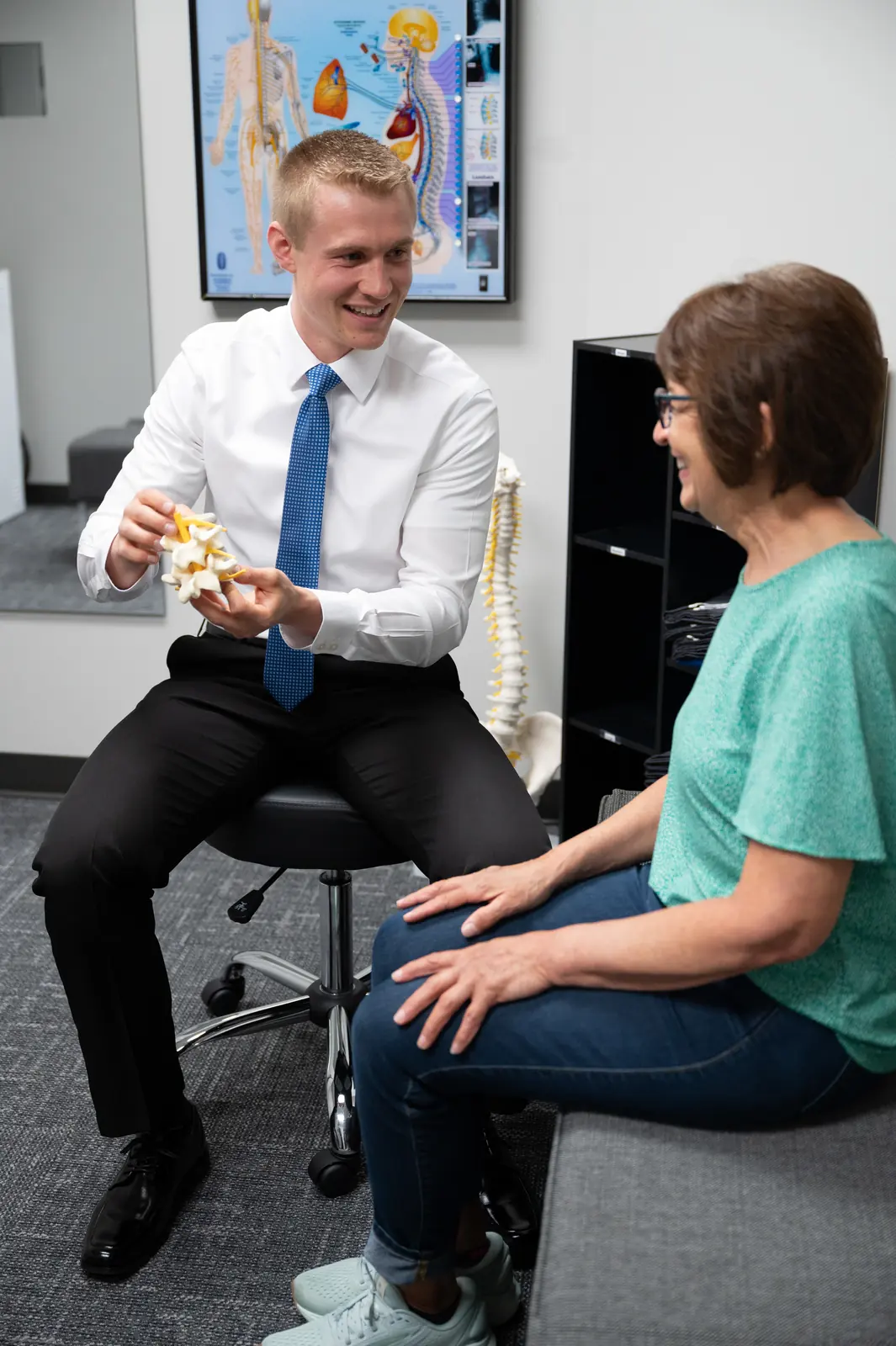
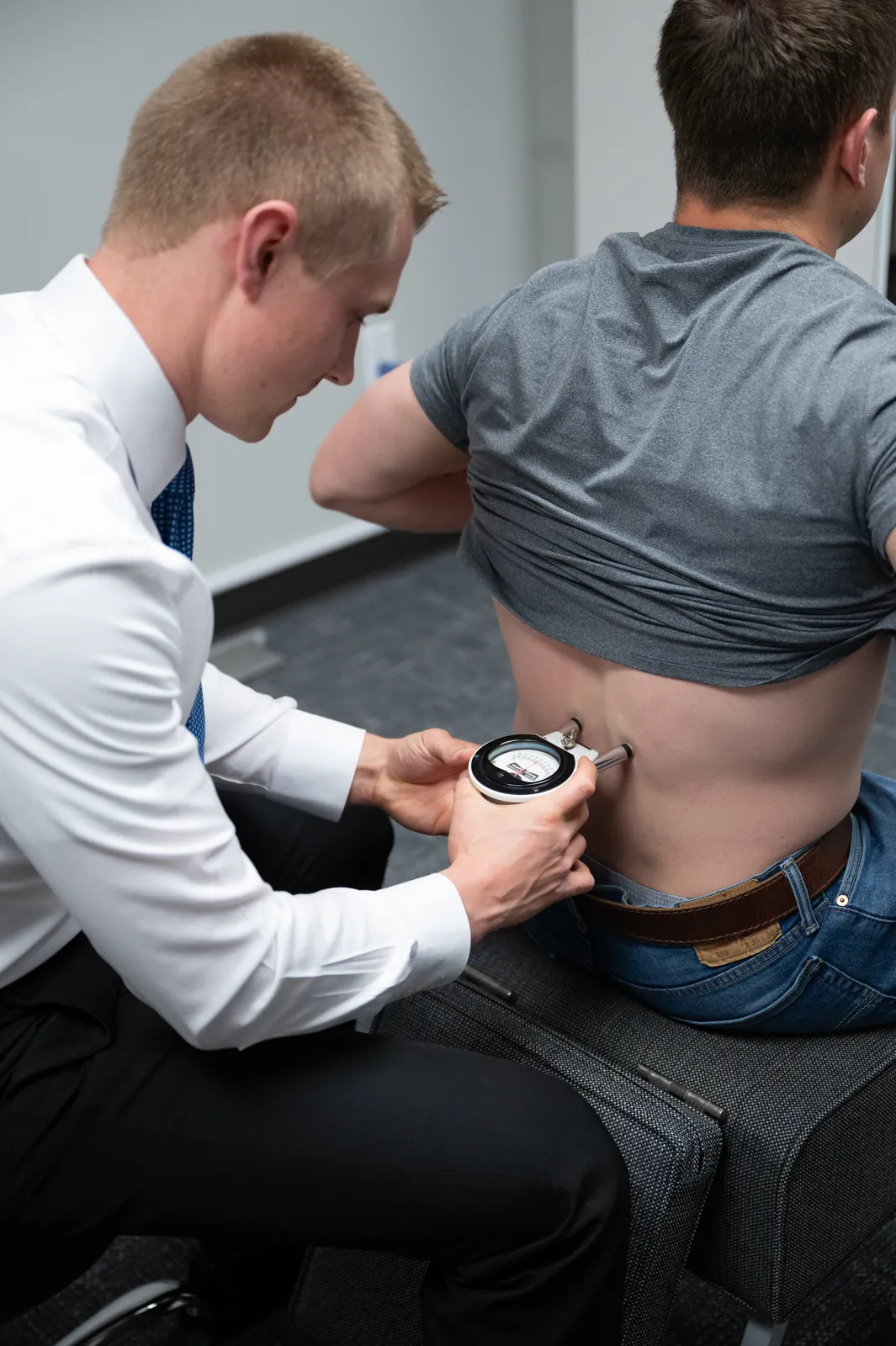
Home exercises help many people, but they are not a substitute for an exam when pain lingers. Consider an evaluation if your back pain lasts more than a couple of weeks, keeps coming back, or limits your work, sleep or activities. At our office, Dr. Hunter Schultz examines how your spine moves, explains what he finds and builds a plan that may include adjustments along with exercises chosen for you.
Learn more about back pain treatment in Green Bay, or about sciatica if pain travels down your leg. New patients can start with our $18 new patient special.
Frequently Asked Questions
Most people do well with a short routine once or twice a day, using four to six exercises that feel comfortable. Start with fewer repetitions and add more over several days. Gentle daily movement, including walking, usually helps more than an occasional long session. Stop if pain spreads or worsens and have it checked.
For most everyday back pain, gentle movement is better than bed rest. Choose easy stretches and walking, and avoid heavy lifting or anything that sharpens your pain. If your pain followed an injury, travels down your leg, or comes with numbness, weakness or any warning signs, get evaluated before starting an exercise routine.
Mild muscle soreness when you start a new routine is common and should fade within a day or two. Sharp pain, pain that spreads into your buttock or leg, or numbness and tingling are not normal. Stop the exercise that caused it, rest it for a day, and have your back checked if it does not settle.
Yes. Home exercises are part of most care plans at our office. After examining how your spine and hips move, Dr. Hunter can suggest specific stretches and strengthening moves and show you how to do them correctly. Exercises are adjusted as you improve, so your routine keeps matching what your back needs.
Related Care in Green Bay
- Chiropractic CareHands-on adjustments based on a thorough exam and, when needed, X-rays.
- Wellness CareOngoing visits to help you stay mobile once you feel better.
- Back PainLow and mid-back pain, stiffness and spasms.
- SciaticaPain that travels from the low back into the leg.
- Poor PostureTech neck, rounded shoulders and desk posture.
Sources